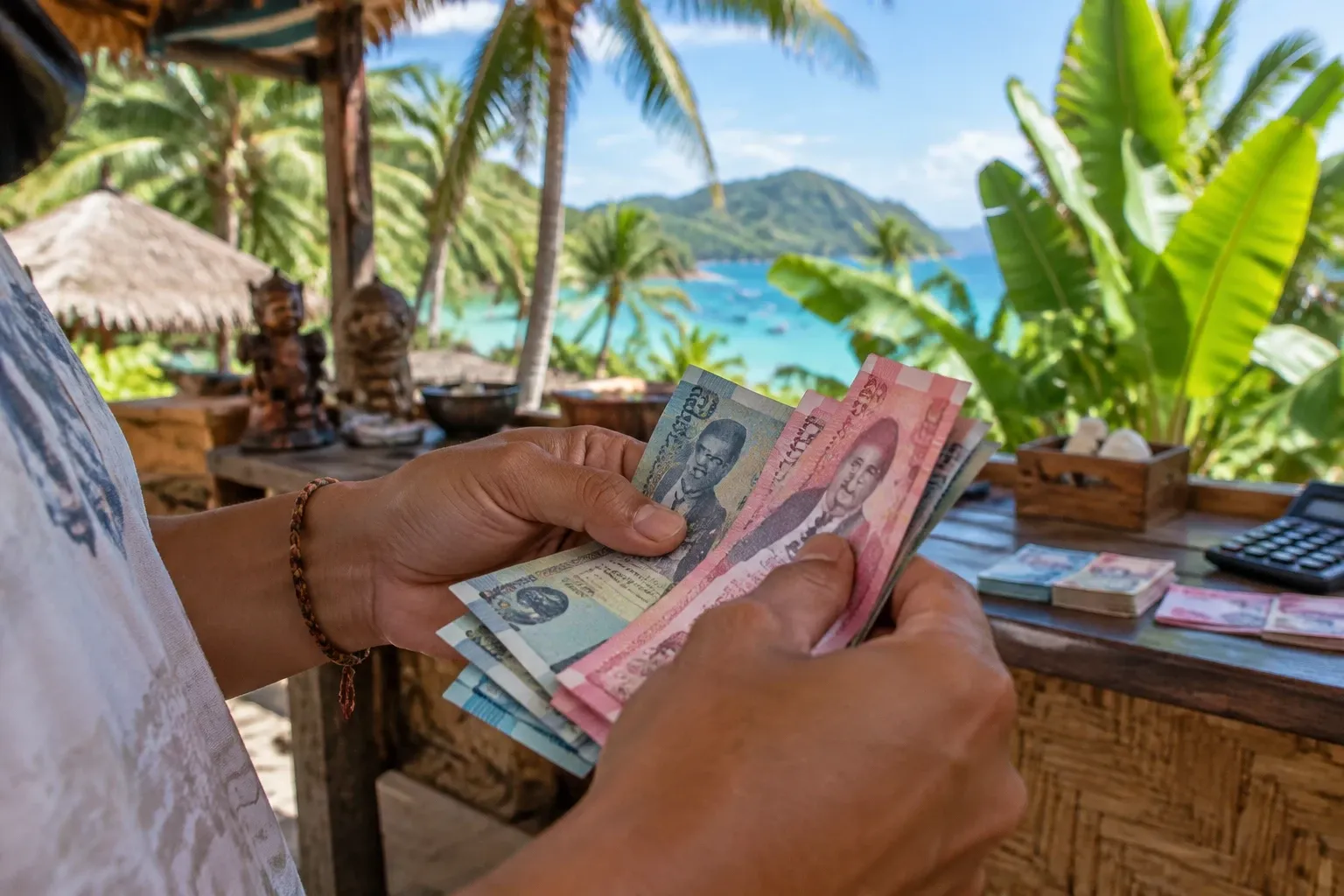
Rupiah Rebounds to Rp 18,070 as US Midterm Shifts Calm Currency Volatility
Indonesia's rupiah strengthened to Rp 18,070 per US dollar following US midterm results and falling oil prices, offering foreign investors a more predictable currency window.
Indonesia's currency opened firmer on Thursday as global market volatility eased following the US midterm election results. The rupiah climbed 98 points to trade at Rp 18,070 per US dollar, recovering from Wednesday's close of Rp 18,168 in an immediate reaction to shifting international sentiment.
US Political Gridlock and Shifting Macro Sentiment
The immediate catalyst behind the rupiah's rebound stems from political developments in Washington. Following the Democratic Party's victory in the US midterm elections, international market participants moved swiftly to reprice global macroeconomic risk. According to Woori Saudara Bank analyst Rully Nova, the outcome introduces a significant check on executive fiscal and trade measures.
"With the Democratic Party's victory, there is an expectation that it will limit the Trump administration's room to maneuver on tariff policy, taxes, the government budget deficit, and government bond issuance, prompting global investors to re-balance their portfolios toward risk-on," Nova noted.
This recalibration was visible across major benchmark indicators:
- US 10-Year Treasury Yield: Fell by 10.1 basis points down to 4.86 percent.
- US Dollar Index (DXY): Weakened to 101.3 as capital rotated toward emerging markets.
- Global Risk Posture: Renewed demand for sovereign debt across emerging Asia.
For international capital allocators, softening US bond yields and a decelerating greenback traditionally relieve outward capital pressure on Southeast Asian currencies, establishing a more comfortable environment for regional assets.
Cooling Energy Markets Ease Import Pressure
Beyond political developments in North America, a sharp retreat in global petroleum prices provided critical breathing space for Indonesia's external balance. As reported by Anadolu news agency, Brent crude recorded a steep decline of more than 8 percent, dropping below the psychological threshold of US$100 per barrel for the first time in a month.
Specifically, the international benchmark Brent dropped US$8.55, or 8.25 percent, to settle at US$95.05 per barrel. Simultaneously, the US benchmark West Texas Intermediate (WTI) fell US$7.81, or 8.13 percent, to close at US$88.28 per barrel. For an economy that manages substantial energy consumption, lower global hydrocarbon benchmarks mitigate imported inflationary pressure and alleviate fiscal obligations tied to energy subsidies.
This simultaneous relief on both the trade ledger and the currency front underpins broader domestic financial confidence, preventing abrupt monetary interventions that could otherwise disrupt cross-border liquidity.
Domestic Resilience and Indonesian Sovereign Debt
Domestic indicators within Indonesia reflected this positive momentum. Indonesian government bond yields softened to 7.67 percent, demonstrating institutional confidence in the sovereign credit profile. Market sentiment was further bolstered by official expectations surrounding national output, with third-quarter 2026 economic growth projected to surpass the performance of the preceding quarter.
In light of these converging factors, analysts project the rupiah to trade within a comparatively tight corridor of Rp 18,000 to Rp 18,100 per US dollar in the near term. This consolidation marks a welcomed period of stability after recent stretches of currency volatility, establishing a clear reference point for institutional and private cross-border transactions.
What this means for investors
For international investors acquiring tangible assets in Indonesia, currency fluctuations represent both an entry-timing consideration and a structural factor in cross-border settlements. A stabilizing exchange rate within the Rp 18,000 to Rp 18,100 band eliminates the friction of sharp intra-week foreign exchange slippage.
Key considerations for international capital include:
- Transaction Execution: Statutory property acquisitions in Indonesia require deeds executed by a licensed PPAT notary (such as the deed of sale, or AJB) registered with the national land agency (BPN). Predictable currency levels allow foreign buyers to budget acquisition duties accurately, including the BPHTB buyer transfer duty of about 5 percent of assessed value.
- Asset Valuation: While underlying prime assets are denominated in local currency, overseas funds transferred in US dollars, euros, or Australian dollars benefit from predictable conversion timing during staged payments.
- Broader Real Estate Dynamics: As currency stability aligns with solid national GDP growth, international interest across Indonesian leisure and lifestyle destinations continues to build on solid macroeconomic foundations.
As global risk appetite rebalances and domestic fundamentals demonstrate sustained resilience, Indonesia's financial landscape points toward greater stability for foreign capital entering late 2026.
Stay informed: subscribe to our free Lombok Briefing, published twice a month (the 1st and 15th), for analysis like this.
How does the rupiah rebound affect cross-border investments?
A strengthening rupiah towards Rp 18,000 to Rp 18,100 per dollar stabilizes conversion costs for international capital. Greater currency predictability reduces unexpected slippage during cross-border fund transfers and statutory property transactions executed through a licensed PPAT notary.
What drove the recent recovery of the Indonesian rupiah?
The rupiah's climb to Rp 18,070 per dollar was triggered by US midterm election results that curbed the dollar index to 101.3 and lowered 10-year Treasury yields to 4.86 percent, alongside Brent crude falling below US$95 per barrel.
What are the macroeconomic expectations for Indonesia in late 2026?
Indonesian government bond yields have declined to 7.67 percent, supported by projections that third-quarter 2026 national economic growth will outperform the previous quarter. Analysts forecast the rupiah to trade between Rp 18,000 and Rp 18,100 per dollar.

The Lombok Buyer's Field Guide
Legal structures ranked by risk, the honest ROI math line by line, all six zones ranked, and the 24-point due-diligence checklist. The whole book, free in your inbox.
See what's inside