Mandalika’s QRIS Test: What 200 Transactions Tell Investors
BI recorded 200 cross-border QRIS transactions during the 2026 Mandalika MotoGP. The count is a useful signal of payment access, but not a measure of visitor spending or local economic impact.
Quick answer: Bank Indonesia recorded 200 cross-border QRIS transactions during the 2026 Mandalika MotoGP weekend. For investors, that is evidence that an international event can serve as a practical test of digital payment access. It does not reveal how much visitors spent, how many used the service, or how much income reached local businesses.
A payment system can be easy to overlook when assessing a tourism destination. Yet the moment a visitor tries to pay for a meal, a ride or a keepsake is where visitor demand meets the local economy. Mandalika’s race weekend offers a small, specific data point on that connection, and a useful reminder of what event statistics can and cannot show.
The Context
Bank Indonesia’s West Nusa Tenggara Representative Office recorded the transactions during the Indonesian MotoGP held on October 9–11, 2026. The central bank partnered with state-owned lender PT Bank Mandiri on a “QRIS Experience” campaign, with digital payment infrastructure provided across the Pertamina Mandalika International Circuit in Central Lombok.
QRIS is Indonesia’s unified QR payment standard. The cross-border service lets eligible international visitors scan a merchant’s QR code using a domestic mobile banking or e-wallet app. The framework also works in the other direction, allowing Indonesian users to pay in partner markets. BI says the aim is to make payments more practical for international travellers while widening the province’s digital economy.
The service currently links Indonesia with Thailand, Malaysia and Singapore. Implementations and trials are under way involving Japan, South Korea and China. That is relevant context for an international event, but the reported total does not say which visitors used QRIS or where they came from. Nor does it show how many merchants accepted payments during the weekend.
The wider tourism backdrop is constructive: the verified market data records foreign arrivals up 40–50% year on year, amid tourism recovery and the MotoGP effect. That trend gives payment access a plausible role in Lombok’s visitor economy. It does not establish that QRIS caused the rise, or that the 200 transactions represent a material share of visitor spending.
A count is not a spending measure
The headline number answers one narrow question: how many cross-border QRIS transactions BI recorded during the race weekend. It does not provide transaction value, average spend, the number of unique users, or a comparison with cash and other payment methods. Without those measures, it is not possible to infer the system’s share of spending or the amount of new income it generated.
That distinction matters for investors because activity and economic value are different things. A transaction count can indicate that a payment channel was used. It cannot, on its own, show whether visitors spent more, whether a merchant’s sales increased, or whether money circulated among local suppliers. Those are possible outcomes to investigate, not findings in this report.
“The figure is a measure of transactions, not a measure of visitor spend.”
The quoted line is an editorial reading of the scope of the reported data, not a statement attributed to BI. BI’s own framing is that cross-border connectivity can provide practical payment solutions and support digital adoption in tourism. The distinction between an intended benefit and a measured outcome is central to reading the announcement carefully.
To evaluate the next iteration, useful disclosures would include transaction value, participating merchant numbers, visitor origin where available, and a comparison with other payment channels. A time series across events could help establish whether use is expanding. None of those measures is supplied in the report, so investors should resist turning a first count into a growth rate or a forecast.
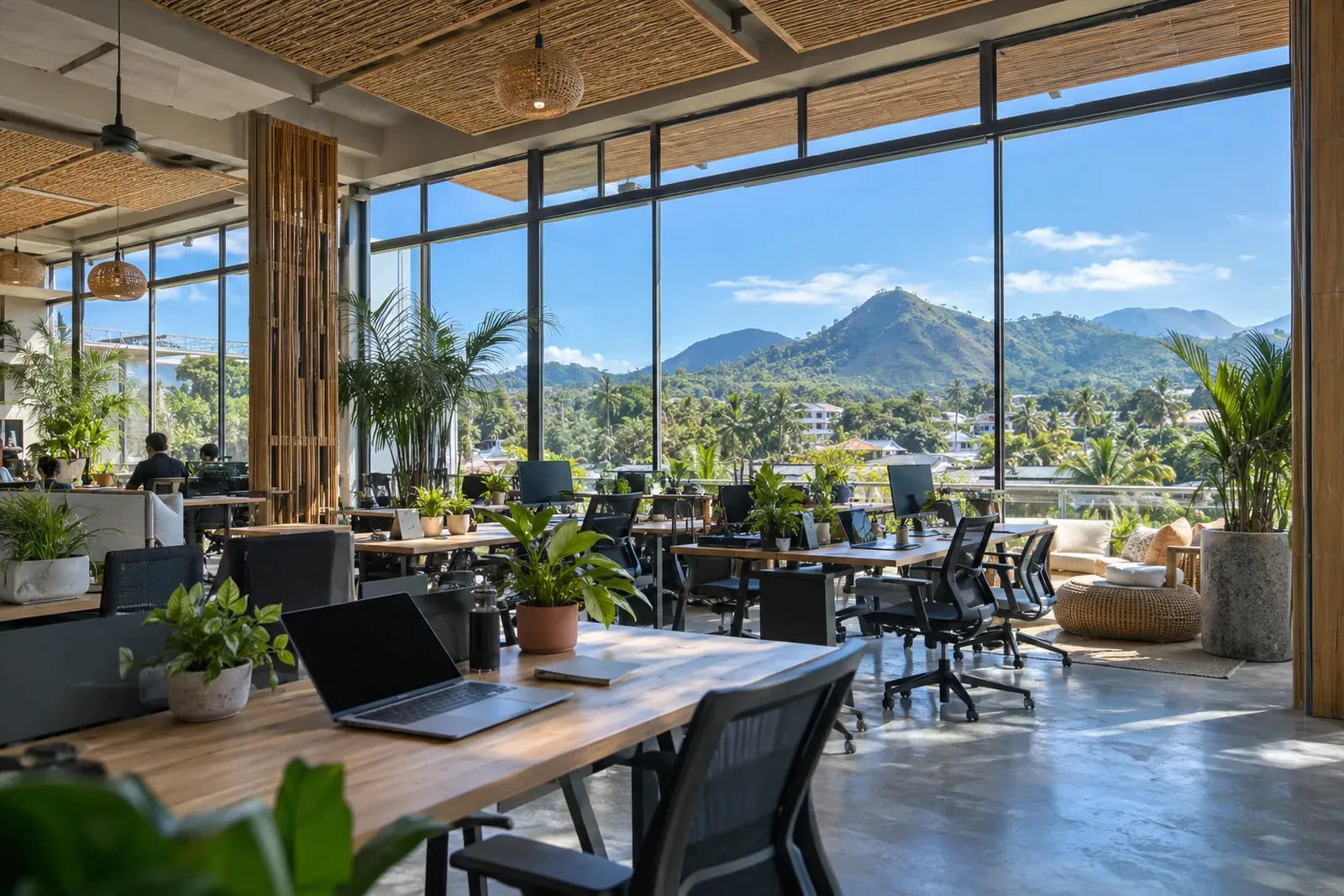
 Mandalika’s QRIS Test · Illustration: HubLombok (AI-generated)
The merchant connection
For a visitor, scanning a familiar banking or wallet app may reduce the need to navigate an unfamiliar payment process. For a merchant, QR acceptance may offer another way to receive payment. Those are practical mechanisms implied by the system’s design, rather than demonstrated outcomes from the 200 transactions. The report does not describe merchant costs, settlement timing, connectivity reliability or the share of local businesses equipped to accept QRIS.
These details shape the economic value of payment infrastructure. A channel is useful only when visitors can use it and participating businesses can receive it reliably. Coverage at the circuit is a concrete deployment for the event, but it should not be read as evidence that access is uniform across Central Lombok or the wider province. The announcement describes provision across the circuit, not a province-wide merchant rollout.
BI’s emphasis on benefits to the local community sets an appropriate test for future reporting. The relevant question is not simply whether the technology worked at a high-profile venue. It is whether local merchants could participate, whether visitors used the channel for ordinary purchases, and whether the resulting activity reached businesses beyond the event setting. The current report does not answer those questions.
For investors, the distinction helps keep a technology story in proportion. Digital payments can be part of the infrastructure that makes a destination easier to navigate. But payment connectivity is one link in a longer chain that includes visitor demand, merchant readiness and the distribution of spending. The QRIS count illuminates the first link. It does not establish the strength of the rest.
What This Means for Investors
Mandalika’s QRIS announcement is best treated as a modest implementation signal. BI and Bank Mandiri deployed a cross-border payment experience at an international sporting event, and BI recorded 200 transactions. That is enough to show the channel was used. It is not enough to quantify commercial impact or to support a claim that digital payments have materially changed Lombok’s tourism economy.
Investors assessing tourism-linked businesses can use the announcement to identify questions for diligence. Is the payment channel available where visitors actually spend? Can smaller merchants accept it? Are usage and transaction values reported over time? Do event-related services connect with businesses in surrounding communities? Answers would provide more decision-useful evidence than a single event count.
The broader opportunity remains tied to Lombok’s visitor economy, not to one payment figure. The foreign-arrivals trend is positive, while this announcement shows an effort to make cross-border payments more accessible at a major event. Whether that access becomes a durable advantage will depend on adoption beyond the circuit and evidence of value reaching local businesses. For now, the most defensible conclusion is a narrow one: the infrastructure was put to use, while its economic effect remains unmeasured.
Stay informed: subscribe to the free Lombok Briefing, published twice a month (the 1st and 15th), for market intelligence like this.
What did BI’s 200 QRIS transactions at Mandalika measure?
BI recorded 200 cross-border QRIS transactions during the 2026 Indonesian MotoGP weekend. The figure counts transactions, but the report does not give their total value, unique users, visitor origins or share of spending.
Which countries are linked to Indonesia through cross-border QRIS?
The report says Indonesia’s cross-border QRIS service currently links with Thailand, Malaysia and Singapore. It also says implementations and trials are under way involving Japan, South Korea and China.
Does the Mandalika QRIS figure show an increase in local business income?
No. The reported count shows that cross-border QRIS was used during the event, but it does not measure merchant sales, visitor spending or income reaching local businesses. Those outcomes would require additional data.

The Lombok Buyer's Field Guide
Legal structures ranked by risk, the honest ROI math line by line, all six zones ranked, and the 24-point due-diligence checklist. The whole book, free in your inbox.
See what's inside