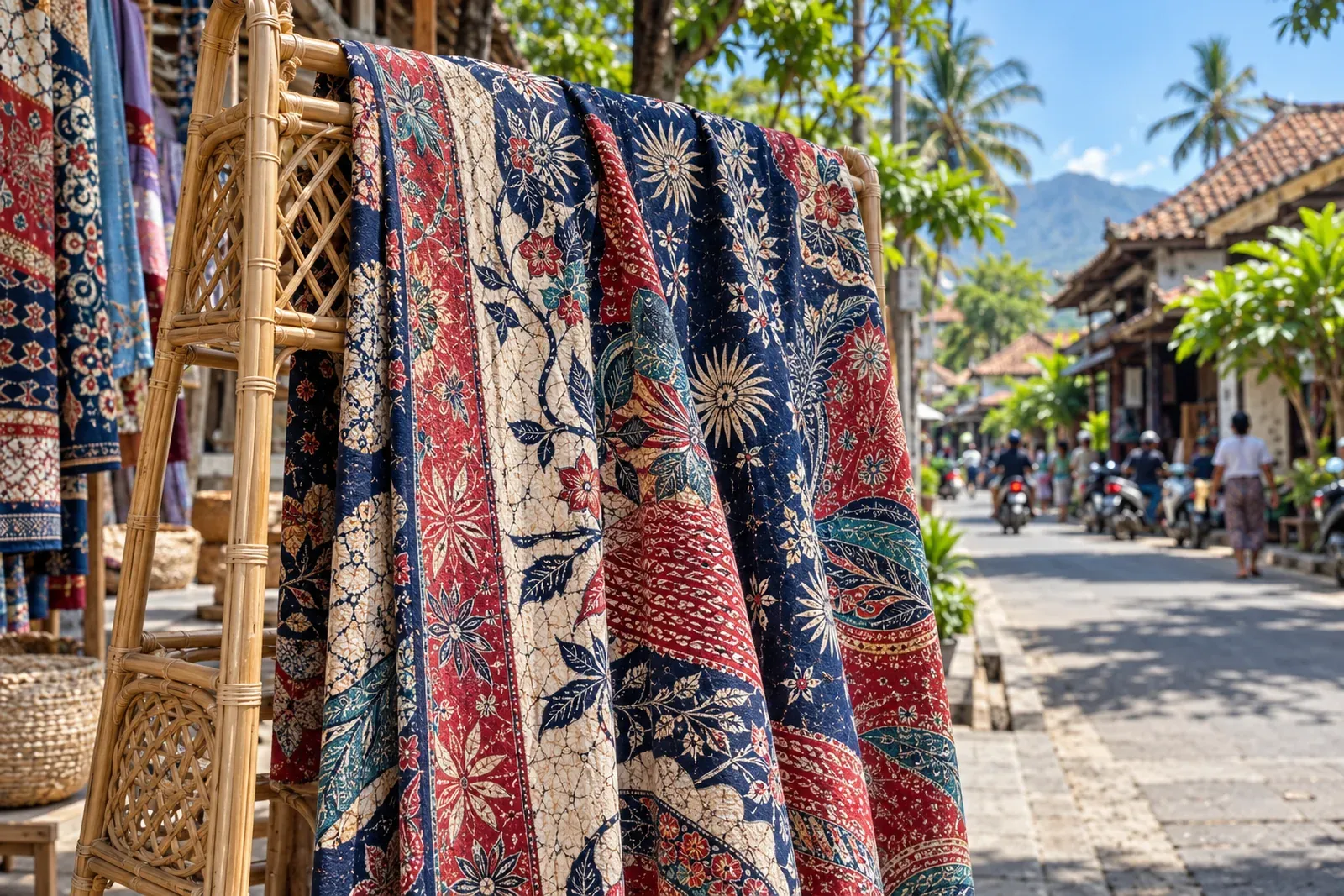
Lombok Creative Economy Gathers Momentum as Mataram Hosts Nusantara Creative Walk
Gekrafs NTB marked National Creative Economy Day with the Nusantara Creative Walk in Mataram, spotlighting regional enterprise alongside Lombok's expanding hospitality and tourism landscape.
Lombok's regional administration and local entrepreneurs gathered in Mataram on 24 October 2026 to celebrate National Creative Economy Day (Hekrafnas), staging the vibrant Nusantara Creative Walk. Organised by the West Nusa Tenggara branch of the National Creative Economy Movement (Gekrafs NTB), the initiative highlights the island's expanding ambition to build a diverse cultural and entrepreneurial base alongside its rapidly rising international profile.
For foreign investors tracking Indonesian property and regional development, public initiatives of this nature offer valuable indicators of administrative focus. While headline-grabbing infrastructure projects such as the Mandalika International Circuit command international attention, grassroots creative commercialisation provides the underlying community support, artisanal supply chains, and lifestyle amenities that convert transient tourists into longer-stay visitors.
Mataram's Creative Push: Fostering Enterprise Beyond Mass Tourism
The Nusantara Creative Walk took place on the grounds of the West Nusa Tenggara Provincial Tourism and Creative Economy Office (Disparekraf NTB). According to local reporting from Radar Lombok, the gathering assembled regional creative industry actors under a shared mission to expand market access, product visibility, and commercial capacity for homegrown enterprises.
Historically, Lombok's provincial capital of Mataram functioned primarily as an administrative, logistical, and commercial conduit, leaving leisure travellers to bypass the urban corridor entirely en route to the Gili Islands or South Lombok's white-sand bays. However, as public institutions such as Disparekraf NTB and regional bodies like Gekrafs NTB actively stimulate creative commerce, Mataram is developing an identity geared toward culinary innovation, design, craft, and digital micro-enterprises.
This deliberate institutional encouragement reflects a national policy priority across Indonesia: moving up the economic value chain from raw natural tourism to an integrated creative economy. When local creators establish sustainable retail, design, and culinary brands, they generate an authentic cultural fabric that enriches the overall destination profile for discerning global travellers.
The Macro Backdrop: Tourism Expansion and Changing Visitor Profiles
Regional cultural initiatives must be viewed in the context of Lombok's broader macroeconomic performance. Following the sustained expansion of regional aviation routes and signature events, official figures confirm that foreign arrivals across Lombok are tracking at an increase of +40-50% YoY. This resurgence reflects both broader post-pandemic tourism recovery and the catalytic impact of international motorsports at Mandalika.
As visitor numbers accelerate, the composition of arrivals is shifting. Contemporary international visitors, drawn predominantly from key source markets across Europe, Australia, and North America, increasingly look beyond isolated resort enclaves. They seek artisanal culinary experiences, locally designed interior furnishings, sustainable textiles, and independent creative spaces.
In neighbouring Bali, where rising land values and commercial saturation push development into distant peripheries, creative hubs such as Ubud and Canggu demonstrated how artisanal enterprise drives premium villa rentals. Lombok is now entering an earlier phase of this exact trajectory. The maturation of NTB's creative sector directly underpins hospitality assets by supplying bespoke building materials, tailored guest amenities, and authentic lifestyle programming.
What This Means for Investors
For international capital evaluating Indonesian real estate, regional creative initiatives carry direct implications across three operational dimensions:
- Maturing Supply Chains for Boutique Hospitality: As domestic enterprise bodies like Gekrafs NTB nurture local designers, woodworkers, and culinary brands, developers and asset owners gain access to high-quality regional suppliers. This reduces reliance on expensive logistics from Java or Bali, improving capital expenditure efficiency during construction and ongoing villa operations.
- Support for Sustained Occupancy: Destinations possessing independent cultural vitality consistently retain high-net-worth travellers for extended stays. In South Lombok, realistic stabilised occupancy across years one to three sits between 55-70%, compared to 70-85% in fully saturated Bali. Expanding the local leisure and creative scene helps raise average length of stay, which directly supports consistent occupancy.
- Broader Yield Fundamentals: Investor interest in Lombok is anchored in realistic returns. Turnkey investment-grade villas in South Lombok command entry valuations of EUR 95,000-350,000, offering honest net rental yields of 7-12% after management fees (18-22%) and booking commissions (15-20%). While developer-quoted gross yields frequently sit in the 12-22% range, the actual net yield relies on operational stability, local talent retention, and distinct lifestyle appeal.
Key Macroeconomic Indicator: Foreign arrivals across Lombok have recorded +40-50% YoY expansion, providing foundational liquidity to the island's emerging lifestyle, commercial, and accommodation providers.
Navigating the Frontier with Prudent Due Diligence
While provincial initiatives in Mataram demonstrate administrative goodwill, disciplined investors must separate macroeconomic tailwinds from project-level realities. Real estate acquisitions in Indonesia require strict adherence to statutory frameworks. Foreign nationals cannot directly hold freehold (Hak Milik / SHM) titles under any circumstances. Legitimate routes require either long-term leasehold agreements (Hak Sewa, typically 25 to 30 years with formal extensions) or establishing a foreign-owned entity (PT PMA) holding a Right to Build title (Hak Guna Bangunan / HGB).
Equally, structural fees, including the standard 5% BPHTB land acquisition duty, must be accounted for in acquisition models. Working alongside certified legal counsel and a licensed Land Deeds Official (PPAT) ensures that incoming capital remains completely protected.
As Mataram continues to foster domestic creative enterprise, Lombok is visibly broadening its economic pillars. For capital allocators seeking early-cycle upside, the development of regional culture alongside expanding flight connectivity confirms that the island's long-term transformation into a sophisticated, multi-faceted destination remains firmly on course.
Stay informed: subscribe to our free Lombok Briefing, published twice a month (the 1st and 15th), for analysis like this.
What is the Nusantara Creative Walk in Mataram?
It is an official event organised by Gekrafs NTB on 24 October 2026 at the provincial Tourism Office to showcase regional creative entrepreneurs and expand commercial opportunities across West Nusa Tenggara.
How does Lombok's creative economy affect foreign real estate investors?
Local creative enterprise strengthens regional supply chains, diversifies hospitality offerings, and enhances lifestyle appeal, supporting realistic stabilised villa occupancies of 55-70% and honest net yields between 7% and 12%.
What macroeconomic trends are driving Lombok's destination growth?
Foreign arrivals in Lombok have grown +40-50% YoY, fuelled by tourism recovery, sports events at Mandalika, and increasing demand from investors seeking earlier-cycle alternatives to saturated Bali markets.

The Lombok Buyer's Field Guide
Legal structures ranked by risk, the honest ROI math line by line, all six zones ranked, and the 24-point due-diligence checklist. The whole book, free in your inbox.
See what's inside