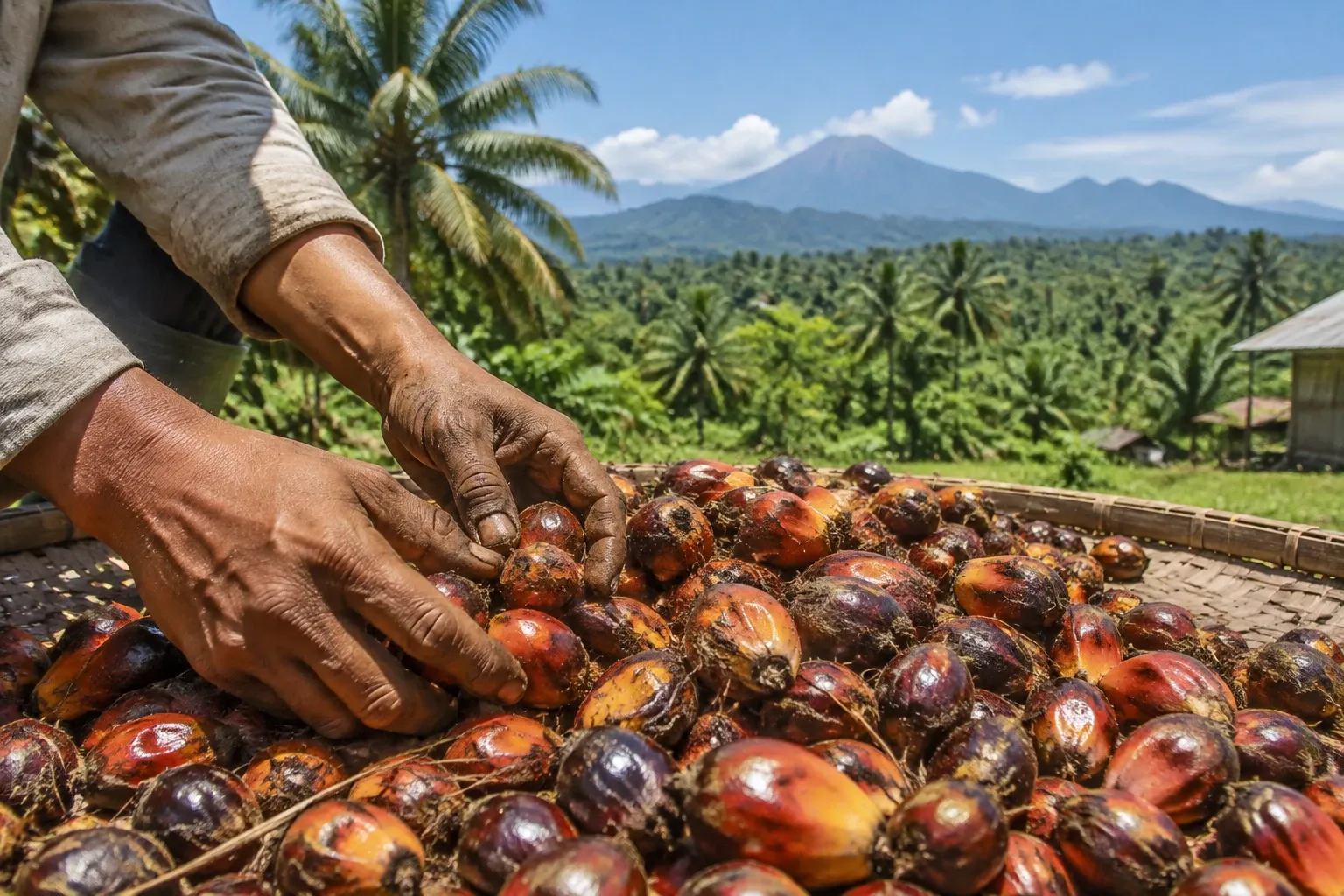
Indonesia's Rp225 trillion downstreaming push and what investors should watch
Indonesia reports Rp225 trillion in downstreaming projects and a single-gate export system for coal, palm oil and ferroalloys. What it means for Lombok investors.
Quick answer: Indonesia's government reports 26 downstreaming projects worth Rp225 trillion (US$12.46 billion) over its first two years, and a single-gate export system for coal, palm oil and ferroalloys since 1 June. For South Lombok buyers, this report does not touch the ownership routes: leasehold, Hak Pakai, or PT PMA-held HGB.
Two years into its term, the government is presenting industrial policy as the core of its economic record. The message is consistent: process more natural resources at home, control how commodities leave the country, and consolidate the state's commercial holdings. For a buyer comparing Lombok with Bali, the useful question is not the headline total but where that policy direction leads next.
The Context
The Government Communication Agency (Bakom) said on Sunday that the administration prepared 26 downstreaming projects during its first two years, backed by Rp225 trillion (US$12.46 billion) in total investment. The sovereign wealth fund Danantara is preparing them across two phases. The projects are projected to employ 37,833 workers and to strengthen domestic industry by adding value to natural resources before they are sold abroad.
Some simple arithmetic helps set the scale. Rp225 trillion across 37,833 projected jobs works out to roughly Rp5.9 billion of investment per job. That is a ratio of total project value to projected employment, not a cost per worker, and the source does not break the figure down further.
Bakom presents the programme as part of a wider push for economic self-reliance and job creation. It is a government account of planned projects and targets. The source gives no completion dates, no returns and no terms for any individual project, so the investment case cannot yet be tested against it. For a reader outside Indonesia, the practical point is that the state is asserting control over value chains, not only seeking capital.
Export Control and the State's Commercial Grip
The most immediate change for trade is the single-gate export policy, managed by Danantara Sumberdaya Indonesia (DSI). It took effect on 1 June for three commodities: coal, palm oil and ferroalloys. In 2025, exports of those three reached US$66.13 billion (Rp1,193.85 trillion), which the source puts at 23.4 percent of total national exports.
US$66.13 billion in 2025 export revenue from three commodities, equal to 23.4 percent of national exports.
The stated aims are tighter export oversight, prevention of under-invoicing and better management of export proceeds. Under-invoicing means declaring a lower value on paper than the goods are worth, a practice that can shift value out of the country without showing up in trade statistics. The rollout is described as gradual, so the full scope of the framework is not yet visible.
On the institutional side, the government closed 328 state-owned enterprises, reducing a group previously totalling 1,074 SOEs and subsidiaries. Bakom says the restructuring produced overhead savings of Rp50 trillion (US$2.77 billion) through lower executive pay, property and vehicle rentals, and business travel. The government targets savings above Rp70 trillion by the end of 2026, which would be at least 40 percent above the current figure.
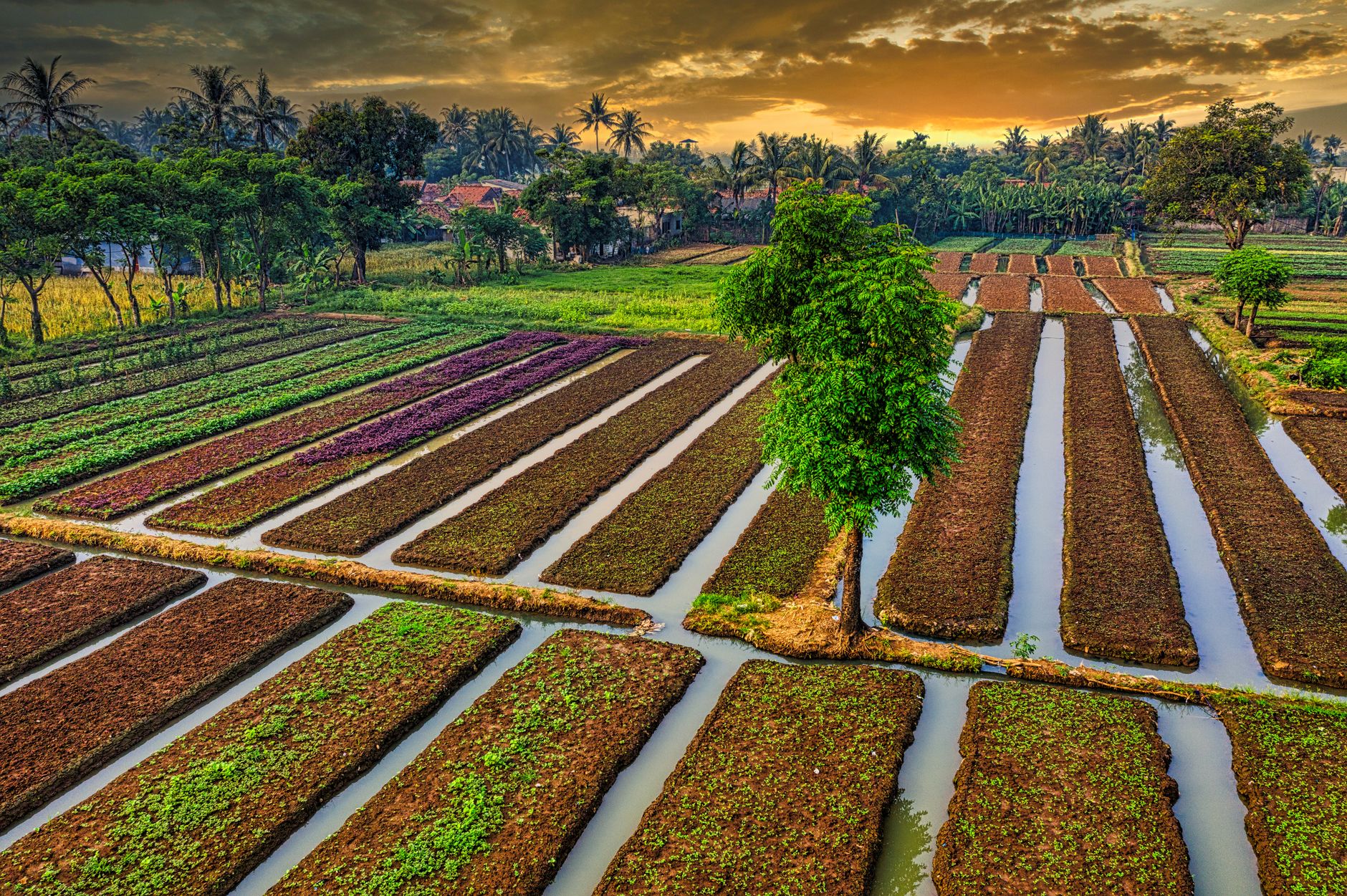 Indonesia's Rp225 trillion downstreaming push and what investors should watch · Photo by Tom Fisk on Pexels
A Commodity Exchange Due in January 2027
Transparency is the next piece. The government set up a Task Force for Accelerating the Establishment of the Indonesia Mineral Exchange on 12 June. It aims to start the Mineral and Strategic Commodities Exchange (BMKS) on 1 January 2027, under Financial Services Authority (OJK) oversight.
The exchange is intended to make commodity trading more transparent, establish domestic benchmark prices and limit transfer pricing and under-invoicing risks. Transfer pricing is the practice of setting prices between related companies, which can move profit to where it is taxed least. A domestic benchmark would give regulators and sellers a reference price, which is why the exchange matters most to the commodity trade rather than to any single property market.
What This Means for Investors
The source is about Indonesian economic policy. It does not mention Lombok, villas or land. Read as an investor, it points to three things worth tracking, not acting on.
- Resource-led industrial policy. Downstreaming ties national growth to processing and manufacturing. Whether any of that reaches tourism-led coastal markets is not something this report can show.
- More state control of trade and SOEs. Single-gate exports and SOE consolidation mean that large commercial flows are set and monitored centrally. Foreign investors should expect policy to be made in Jakarta and implemented through state entities.
- Ownership rules are a separate question. For South Lombok, the routes open to foreigners are leasehold (Hak Sewa), typically 25-30 years with extensions, Hak Pakai, which is personal and requires KITAS or KITAP residency, and a PT PMA holding Hak Guna Bangunan (HGB) for 30 years, extendable. Foreigners cannot hold freehold (Hak Milik). Nominee structures are illegal and void in court. This report does not change any of that.
The channels through which national industrial policy could reach South Lombok are indirect: construction demand, government infrastructure spending and investor sentiment. None of them is quantified in the source, and we do not treat them as established. The dates worth watching are the 1 January 2027 target for BMKS, the 2026 SOE savings target and any extension of single-gate exports beyond the three commodities.
Investors who buy on Lombok fundamentals should judge the local pipeline on its own evidence: land prices quoted per are, rental assumptions after management fees and realistic occupancy, and the legal route to title. Legal and due diligence questions are best handled by independent advisers. TerraNusa Advisory (terranusaadvisory.com) is a licensed-notary and legal desk for foreign buyers in Lombok, covering title checks at the land office (BPN), PT PMA setup and transfer taxes. It is an advisory partner, not Samudra Villas.
Stay informed: subscribe to the free Lombok Briefing, published twice a month (the 1st and 15th), for market intelligence like this.
Does this Indonesian policy change foreign property ownership in Lombok?
No. This report covers downstreaming projects, single-gate commodity exports and SOE restructuring, and it does not address property. Foreigners cannot hold Hak Milik. The routes that remain available are leasehold, Hak Pakai with residency papers, or a PT PMA holding Hak Guna Bangunan.
What is Indonesia's single-gate export policy?
It is a state-managed export framework run by Danantara Sumberdaya Indonesia (DSI). It took effect on 1 June for coal, palm oil and ferroalloys, and aims to tighten export oversight, prevent under-invoicing and manage export proceeds. The government says the rollout is gradual.
When is the Indonesia Mineral Exchange scheduled to open?
The government targets 1 January 2027 for the Mineral and Strategic Commodities Exchange (BMKS), under Financial Services Authority (OJK) oversight. Its aims include domestic benchmark prices and limits on transfer pricing. It is a target, not a confirmed opening date.

The Lombok Buyer's Field Guide
Legal structures ranked by risk, the honest ROI math line by line, all six zones ranked, and the 24-point due-diligence checklist. The whole book, free in your inbox.
See what's inside