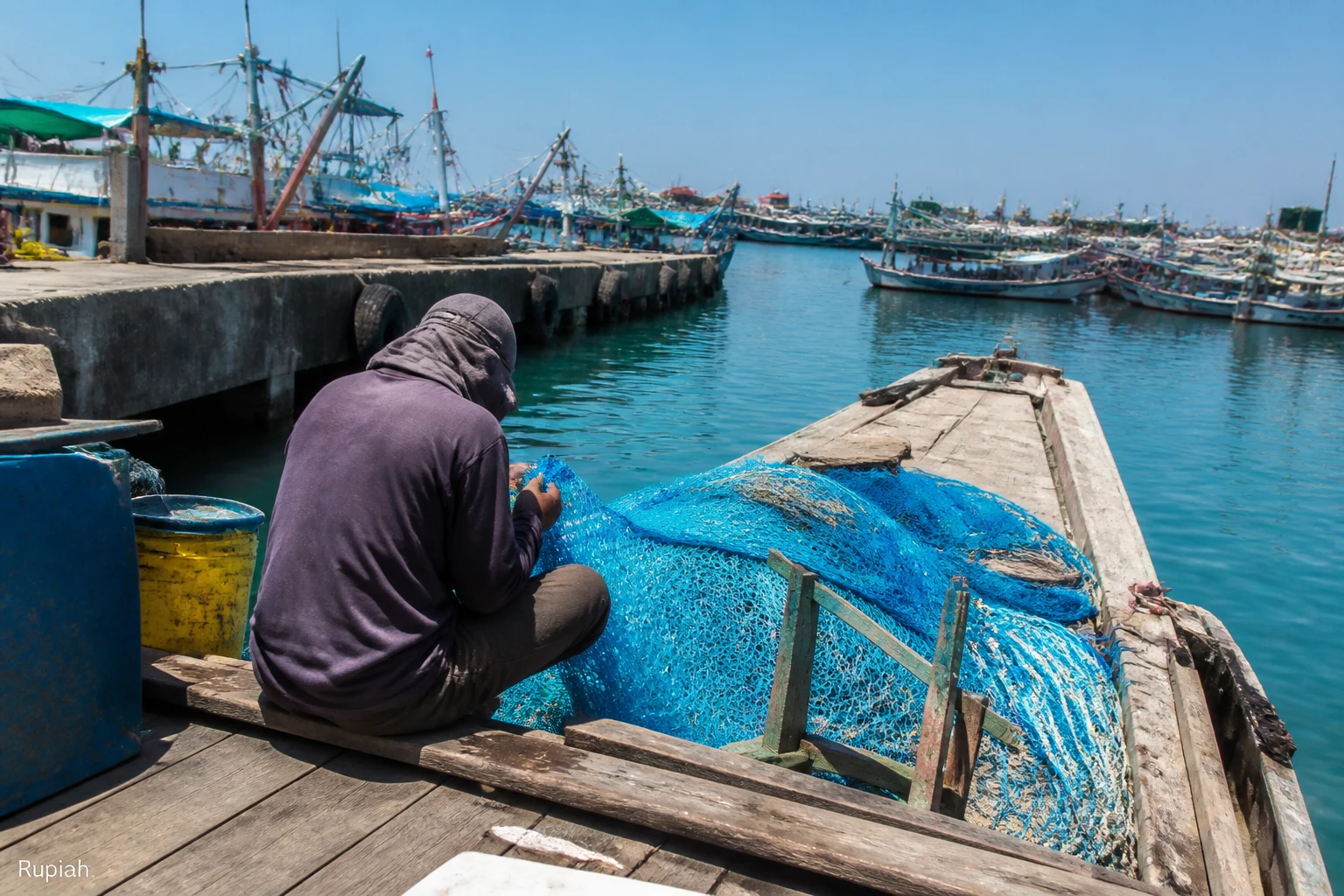
Rupiah Weakness and Lombok Property: A Currency Hedge Against Capital Flight
President Prabowo's diagnosis of decades-long capital outflows exposes structural rupiah weakness. For South Lombok property investors, this creates a currency-hedging opportunity anchored to rising t
Quick answer: President Prabowo's diagnosis of decades-long capital outflows exposes a structural rupiah weakness. For Lombok property investors, this creates currency-hedging opportunity: foreign-financed development and rising tourism demand offset volatility, whilst property values anchor to international buyer appetite rather than Indonesian monetary strength.
When Indonesia's President links the rupiah's long-term weakness to "decades of capital flight," he is naming a structural economic challenge that most international property buyers overlook. Yet for foreign investors in South Lombok, this structural weakness opens a strategic lens: property denominated in stronger foreign currencies becomes a natural hedge against rupiah volatility, particularly when demand is anchored by surging tourism and international buyer appetite.
The Context
Capital flight – the sustained outflow of funds from an economy – reflects investor uncertainty about returns, tax considerations, or the search for better opportunities abroad. Indonesia has experienced this pattern for decades, and President Prabowo's recent statement brings this structural reality into focus. The rupiah's gradual weakening is not incidental; it reflects cumulative domestic capital seeking safer or more profitable havens outside the country.
This matters for property investors because it signals the rupiah is likely to remain under persistent structural pressure. Central-bank interventions and interest-rate adjustments can provide temporary support, but addressing the root cause – restoring confidence in Indonesian assets – requires deeper institutional reform. In short: the rupiah's challenge is structural, not cyclical.
For most currency-denominated investments, this would be concerning. But for South Lombok property purchased by foreign investors with financing in euros, Australian dollars or pounds sterling, the dynamic inverts. Capital flight becomes a feature, not a liability.
Why Lombok Becomes More Attractive When Capital Leaves Indonesia
Here is the paradox: decades of Indonesian capital departing the country have made Indonesian real assets exceptionally attractive to international capital. As the rupiah weakens, tourism-linked property becomes cheaper in foreign-currency terms – precisely when international demand for emerging-market real estate is rising.
South Lombok's recent performance bears this out. Foreign arrivals have climbed 40-50% year-on-year, driven by post-pandemic recovery and the arrival of the Mandalika International Street Circuit – the MotoGP venue that has elevated the region's international profile. This tourism surge is driven by global demand, not rupiah sentiment.
Property markets are responding. In Kuta, South Lombok's premier zone, villa rates have risen approximately 38% year-on-year. But the most dramatic gains are in Are Guling, the emerging frontier zone, where villa rates have surged roughly 47% year-on-year – the strongest performance of any zone. These are not merely rupiah-denominated gains; they reflect international demand: foreign buyers acquiring property, foreign-led development financing, international operators running rental portfolios.
Consider the entry-cost advantage. A turnkey investment-grade villa in South Lombok costs between EUR 95,000 and EUR 350,000, depending on specification and location. A comparable villa in Bali commands USD 400,000 to USD 800,000. For a European or Australian investor, Lombok is roughly half to one-third the price. That advantage becomes more pronounced as the rupiah weakens, because Lombok's price in rupiah terms drops even as the property's desirability to international buyers grows. The property's value anchors not to Indonesian monetary policy, but to international demand and tourism economics.
 Rupiah Weakness and Lombok Property · Illustration: HubLombok (AI-generated)
Currency, Financing and Yield: The Architecture of a Hedge
The mechanics clarify why rupiah weakness is strategically irrelevant for many foreign investors in Lombok property.
When you finance a property purchase in euros – say EUR 150,000 – at a fixed rate, the rupiah's movement does not affect your financing cost or entry price. Your debt is locked in. You own property in an increasingly international market.
The villa generates revenue in rupiah (nightly rates, bookings, seasonal agreements). The net yield – 7-12% after management fees and realistic occupancy of 55-70% – compounds in absolute rupiah terms. Top-performing assets can reach approximately 15% net yield. If the property also appreciates 15-25% in rupiah value over five years – plausible in early-cycle zones like Are Guling – your total return (capital appreciation plus reinvested yield) is substantial and largely hedged against rupiah decline.
Contrast this with a rupiah-financed alternative: an investor borrowing from an Indonesian bank faces currency exposure on the loan side and currency drag on income (rental yields earned in a weakening currency lose purchasing power in foreign terms). The foreign investor, by contrast, achieves currency diversity: earn in rupiah, but finance and eventually spend in EUR or AUD. The property remains anchored to international demand – tour operators booking for European clients, holiday-home owners from Australia, investment managers from Singapore – not to rupiah sentiment.
What This Means for Investors Abroad
When Prabowo diagnoses Indonesia's long-standing capital flight, he issues a diagnostic, not a warning. The rupiah will likely remain under structural pressure. That is information worth pricing into your investment decision.
Rather than viewing rupiah weakness as a threat, investors who understand the mechanics should view it as context. It explains why Lombok land – Rp 120-180 million per are in Are Guling, roughly USD 7,300-10,900 per are – is cheap in absolute terms and attractively priced for international capital. It explains why tourism-driven rental yields remain strong even as currency weakens. It explains why now, when capital is leaving Indonesia, is precisely when smart international investors consider entry.
This is not short-term market timing. It is portfolio architecture. You are building wealth in a jurisdiction where capital confidence is weak (hence cheap assets and strong yields), whilst financing that asset in your home currency (hence currency diversification). Over a seven-to-ten-year horizon, this combination delivers both capital appreciation and inflation-protected income.
The window for early-stage capital gains in zones like Are Guling remains open, but narrows as infrastructure improves and word spreads. The deeper opportunity – stable, long-duration rental income anchored to tourism demand and financing stable in home-currency terms – is available now and likely to compound over the medium term.
Stay informed, subscribe to the free Lombok Briefing for market intelligence like this, published twice a month.
Does rupiah weakness make Lombok property a cheaper buy?
Yes, in foreign-currency terms. A villa costing Rp 2.5 billion costs less in euros as the rupiah weakens. But value anchors to tourism demand and international buyers, not currency strength. Early investors gain from lower entry costs.
If the rupiah keeps weakening, won't my rental income suffer?
Your yield (7-12% net) is calculated on absolute rupiah earnings. Currency risk exists if you convert rupiah to home currency, but long-term appreciation and reinvested yields offset conversion drag. Property values anchor internationally, not to rupiah movements.
Is Prabowo's capital-flight warning a red flag for property?
It signals structural rupiah weakness, already reflected in property valuations. For foreign investors financing in EUR or AUD, it reinforces the hedging case: own tourism-linked real assets, financed in stable currencies, in a market where capital scarcity has created exceptional valuations.
The Lombok Buyer's Field Guide
Legal structures ranked by risk, the honest ROI math line by line, all six zones ranked, and the 24-point due-diligence checklist. The whole book, free in your inbox.
See what's inside