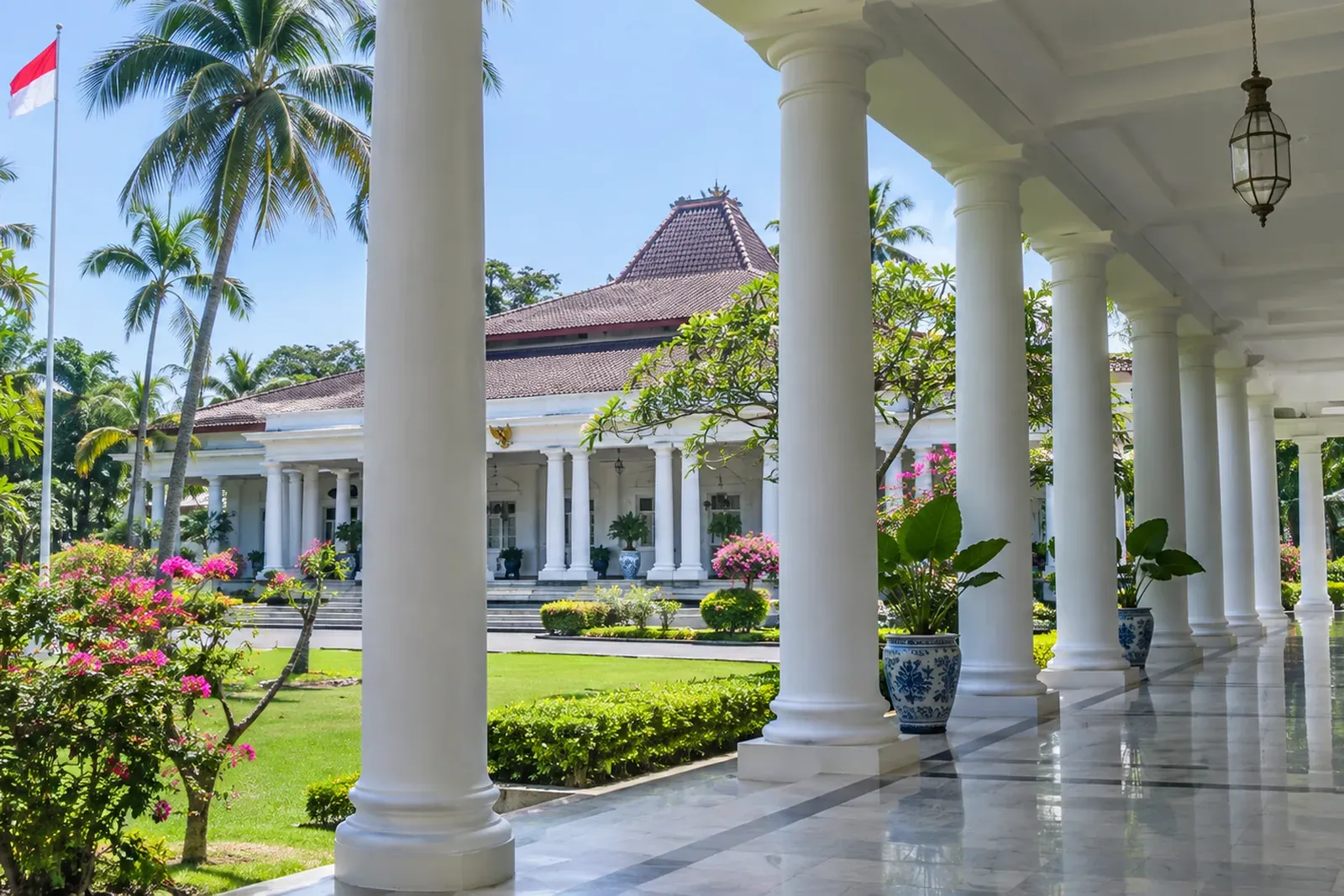
Prabowo Calls for a More Resilient ASEAN as Regional Pressures Mount
At the 49th ASEAN Summit, Indonesia’s president made food, energy and water security central to a broader appeal for regional unity and stronger domestic capabilities.
Indonesian President Prabowo Subianto has urged ASEAN members to deepen cooperation and strengthen their domestic capabilities in response to geopolitical tensions, economic volatility and competition for resources. His message at the 49th ASEAN Summit placed food, energy and water security alongside regional integration and investment in public services.
For investors following Southeast Asia, the address offers a view of the priorities Indonesia wants the region to pursue. It is a statement of policy direction, not a forecast of economic performance or an assurance that proposed initiatives will deliver their intended results.
ASEAN is home to around 700 million people and has a combined economy exceeding US$4 trillion, according to Prabowo’s remarks reported by Antara Current.
Resilience begins at home
Speaking at the summit’s plenary session at the Philippine International Convention Center, Prabowo argued that regional strength depends on improving the welfare of people within ASEAN. He linked that domestic foundation to the bloc’s ability to contribute more effectively in multilateral settings.
The framing matters because it places national capacity and regional cooperation in the same argument. Prabowo did not present resilience as a matter of diplomacy alone. His remarks connected it to economic volatility, geopolitical pressure and competition for resources, while also calling for stronger institutions, leadership and mutual trust.
As the bloc approaches its 60th anniversary next year, he said, sustaining peace, stability and prosperity will require deeper cooperation and stronger capabilities at home. That is a broad agenda. The address set out areas of emphasis, rather than a detailed implementation timetable or a measure of progress against specific outcomes.
Food, energy and water move to the foreground
Prabowo identified food, energy and water security as priorities for regional resilience. Water management received particular attention: he described the challenge of communities facing both extreme scarcity and excess water that brings flooding. The remarks point to a shared resource-management concern, without setting out a regional programme or funding commitment in the report.
On energy, the president highlighted Indonesia’s advancement of the B50 biodiesel programme and plans to develop 100 gigawatts of solar energy capacity. He also referred to ongoing investment in education, healthcare and domestic industries. Together, these priorities suggest an approach that ties resilience to domestic capability, from energy production to public services and industrial development.
The distinction between plans and completed capacity is important. The solar figure was presented as a development plan, not as an installed total. Likewise, Prabowo’s reference to the B50 programme signals a policy priority, but the report does not provide additional detail on delivery, timing or expected economic effects. Investors should read the address as an indication of what Indonesia is emphasising, rather than as evidence that execution risks have been resolved.
A digital framework with regional ambitions
The ASEAN Digital Economy Framework Agreement, or DEFA, was presented by Prabowo as a potential driver of regional digital activity. He cited a digital economy that could be valued at up to US$2 trillion by 2030. The figure is an upper estimate tied to the framework’s potential, not a confirmed outcome.
The emphasis on a regional framework sits alongside the broader call for cooperation. Cross-border rules and coordination can shape the environment in which companies operate, but the report does not specify the agreement’s provisions, implementation schedule or effects on individual businesses. For investors, the practical question is how regional ambitions translate into domestic policy and operating conditions over time.
Prabowo’s appeal also rested on institutional foundations. He said progress across the agenda would require effective institutions, strong leadership and mutual trust. Those conditions are difficult to capture in a single economic target, yet they are central to whether cooperation can move from political commitment to practical results.
What this means for investors
For investors with an interest in Indonesia and the wider region, the address is best treated as a map of stated priorities. Food, energy and water security, domestic industry, education and healthcare, and digital cooperation all featured in the president’s account of resilience. None of those priorities, on the strength of this report alone, establishes a particular investment opportunity or return.
A measured reading separates three things: the challenges Prabowo identified, the programmes and plans he highlighted, and the outcomes that remain to be delivered. The report provides the first two. It does not provide project-level detail, financial commitments or evidence of results. That makes follow-through, policy design and institutional capacity the issues to watch as regional cooperation develops.
There was also a diplomatic signal. Prabowo reaffirmed Indonesia’s support for Timor-Leste to assume the ASEAN chairmanship in 2029, describing its eventual leadership as a collective milestone. The statement reinforces the address’s theme of a more cohesive bloc, while leaving the specific economic implications unstated.
For Lombok-focused readers, the relevance is regional rather than property-specific: the address does not discuss Lombok, tourism or real estate. Its value is in showing how Indonesia’s president is framing resilience and cooperation within ASEAN. The next test will be whether those broad priorities are carried through into effective institutions and practical action.
The direction of travel will be clearer as regional commitments are translated into policy and implementation.
Stay informed: subscribe to our free Lombok Briefing, published twice a month (the 1st and 15th), for analysis like this.
What priorities did Prabowo set out for ASEAN resilience?
Prabowo emphasised food, energy and water security, stronger domestic capabilities, effective institutions and regional cooperation. He also highlighted investment in education, healthcare and domestic industries, alongside digital integration through the ASEAN Digital Economy Framework Agreement.
Is the US$2 trillion digital economy figure a confirmed forecast?
No. Prabowo cited a regional digital economy valued at up to US$2 trillion by 2030 as potential that the ASEAN Digital Economy Framework Agreement could help unlock. The report does not present it as a confirmed outcome.
What does the address tell investors interested in Indonesia?
It indicates the priorities Prabowo wants to advance, including resource security, domestic industries and digital cooperation. The report does not give project-level details, financial commitments or evidence of results, so it should be read as policy direction rather than proof of a specific opportunity.

The Lombok Buyer's Field Guide
Legal structures ranked by risk, the honest ROI math line by line, all six zones ranked, and the 24-point due-diligence checklist. The whole book, free in your inbox.
See what's inside