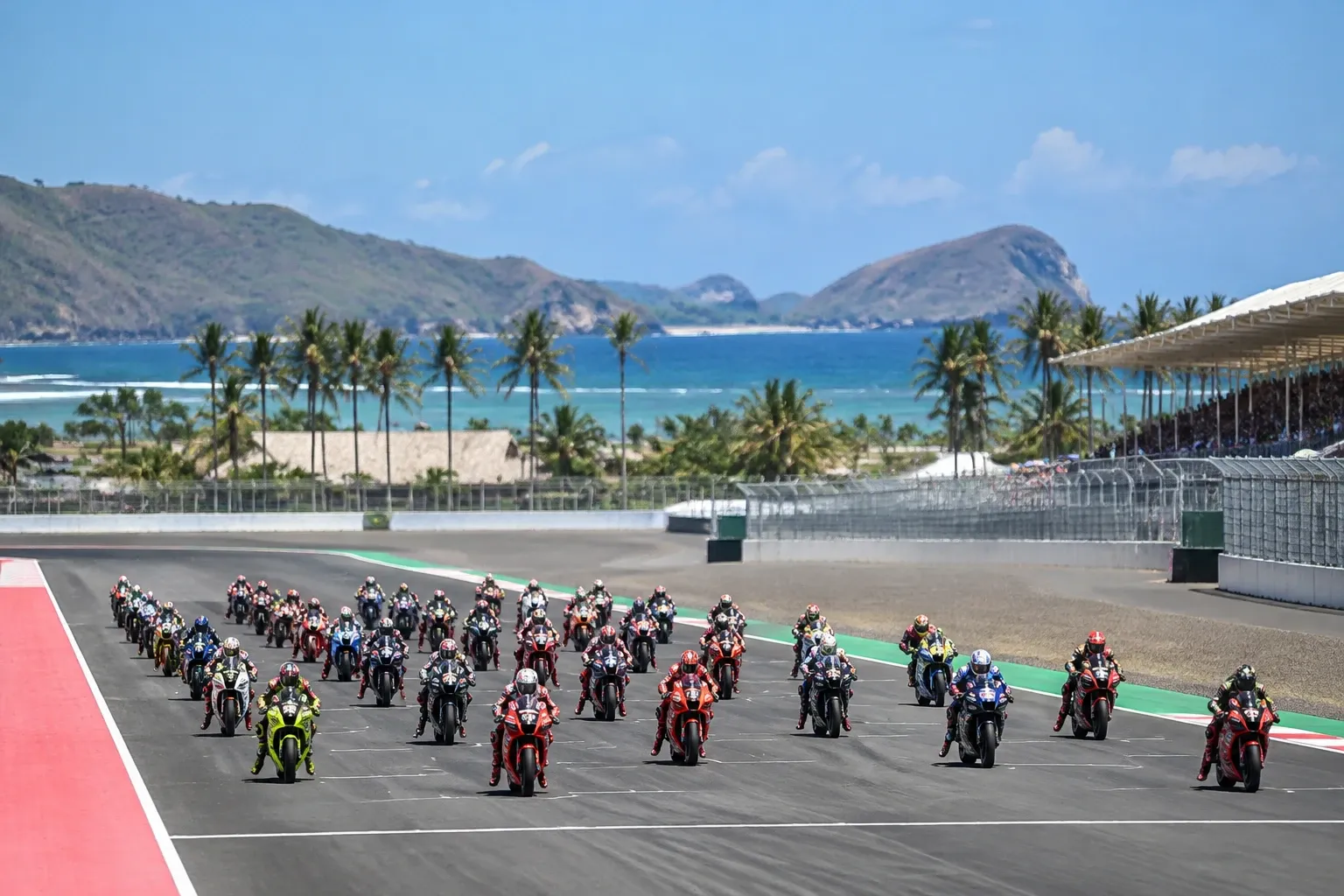
MotoGP and Creative Economy Drive Lombok's Broader Growth
Indonesia expands the economic footprint of Mandalika MotoGP into regional creative industries, reinforcing long-term commercial momentum across southern Lombok.
Quick answer: Indonesia's Ministry of Creative Economy has launched an initiative linking Mandalika MotoGP with Mataram's creative industries, beginning with fifty funded enterprises. For foreign investors, this signals government commitment to broadening event-driven tourism into permanent regional commerce, supporting foreign-arrival growth of 40-50% year-on-year and strengthening economic foundations across South Lombok.
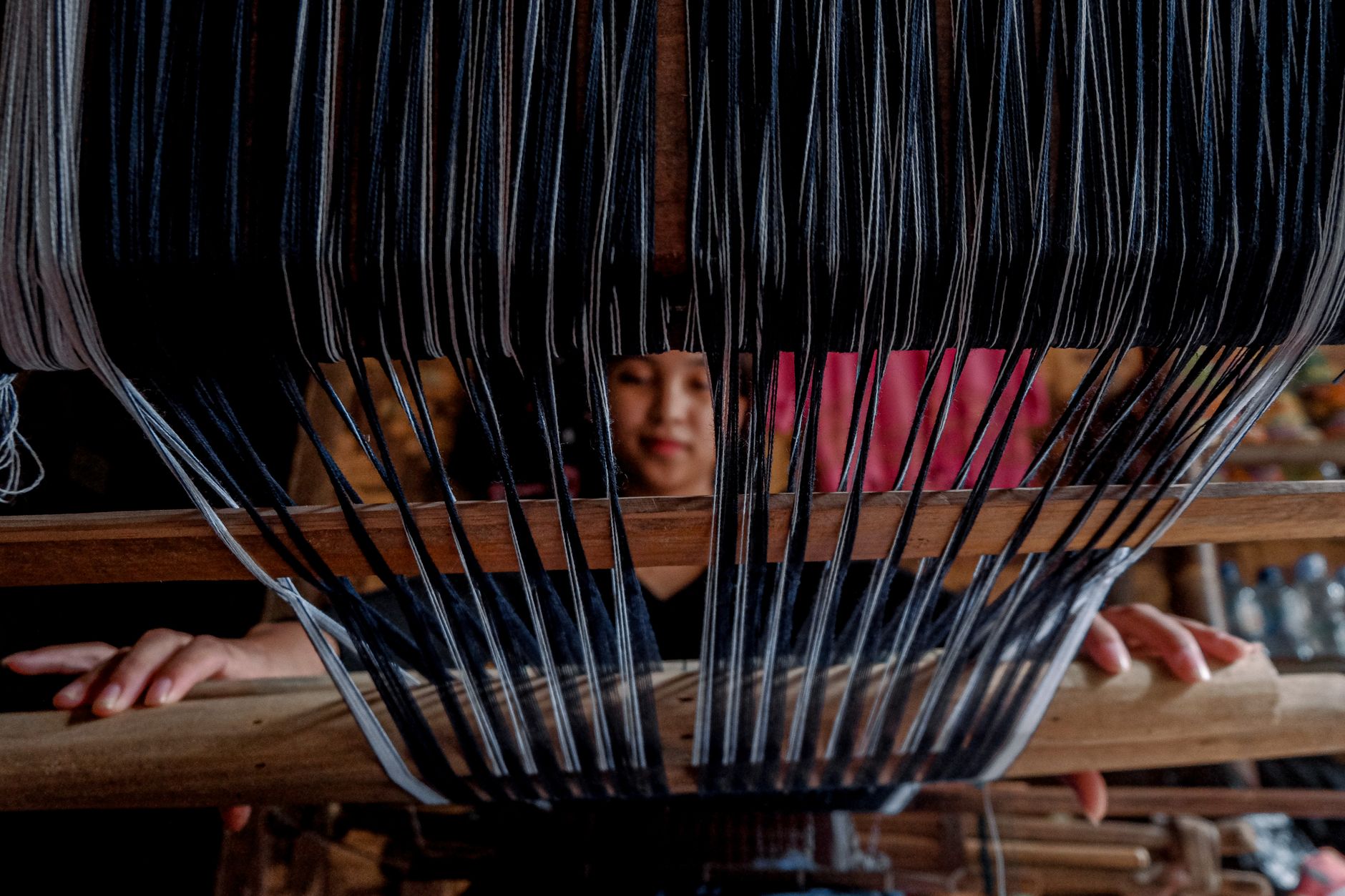
The Indonesian government is deliberately deepening the economic dividend of the Pertamina Mandalika International Circuit. Speaking at the launch of the CreaFIN financing initiative in Mataram, Abdul Malik, Secretary to the Deputy for Creative Economy Strategy Development, outlined a national strategy to harness the international motorsport fixture as a permanent launchpad for regional enterprise. The programme facilitates institutional financing access for fifty local creative operators, targeting 21 designated subsectors ranging from automotive modification to culinary arts, pearl craft, pottery, and traditional woven textiles.
This policy initiative marks a strategic shift from treating MotoGP as a stand-alone weekend spectacle to embedding it as an industrial catalyst across West Nusa Tenggara. For international property investors evaluating Lombok, the widening of the island's economic base beyond seasonal hospitality provides tangible evidence of institutional maturation.
The Context
Since its inaugural Grand Prix, the Mandalika Special Economic Zone (SEZ) has operated as the primary anchor for infrastructure investment in southern Lombok. The circuit was conceived not merely as a racetrack, but as the centrepiece of a state-backed tourism corridor designed to redistribute visitor spending away from congested Bali. However, an enduring question for capital allocators has been whether major sports infrastructure can generate sustainable, year-round regional economic velocity rather than isolated booking spikes.
The latest directive from the Ministry of Creative Economy answers that question by formally integrating the supply chain of Mataram, the provincial capital, with the international sports corridor in the south. By deploying the CreaFIN mechanism to fund fifty small and medium-sized enterprises, the state is actively building local industrial capacity to capture international visitor expenditure. Priority sectors include high-value automotive modification tailored to motorsport visitors, alongside Lombok's established artisanal exports: South Sea pearls, earthenware pottery, and heritage weaving.
Furthermore, the ministry is mandating digital integration across these subsectors. As ministry officials noted during the presentation, mobile digital transactions and digital commerce ecosystems are transforming how domestic vendors access liquidity and serve international patrons. This commercial modernisation underpins the broader macro thesis for the island, where foreign arrivals continue to register expansion of 40-50% year-on-year, propelled by ongoing tourism normalisation and the compounding promotional reach of international racing.
Broadening the Mandalika Economic Corridor
To understand the strategic importance of this policy, investors must distinguish between the administrative urban hub of Mataram and the tourism real estate markets along the southern coastline. While Mataram houses the commercial and manufacturing base, the physical visitor influx concentrates in the southern regency of Central Lombok, centred on Kuta and the Mandalika SEZ.
The creative economy framework establishes a functional bridge between these two nodes. The southern coastline absorbs foreign capital and leisure expenditure, while the provincial capital supplies refined culinary goods, craftsmanship, and specialist mechanical services. This symbiotic relationship helps mitigate the supply chain bottlenecks that historically inflated operating costs in emerging island markets.
| Location / Zone | Strategic Focus | Land Price Range (Rp/are) | Land Price Range (USD/are) | | :--- | :--- | :--- | :--- | | Kuta | Primary hospitality & liquidity hub | Rp 300-400M/are | ~$18,200-24,200/are | | Mandalika SEZ | Motorsport & state infrastructure | Rp 100-150M/are | ~$6,100-9,100/are | | Selong Belanak | Residential & capital growth | Rp 150-250M/are | ~$9,100-15,200/are | | Are Guling | Emerging lifestyle frontier | Rp 120-180M/are | ~$7,300-10,900/are | | Mawun | Low-density coastal basin | Rp 50-80M/are | ~$3,000-4,800/are | | Bumbang | Early-stage eastern entry | Rp 30-50M/are | ~$1,800-3,000/are |
As the table above demonstrates, land pricing across southern Lombok reflects a distinct hierarchy. Prime beachfront and commercial land in Kuta commands Rp 300-400 million per are (one are equals 100 square metres), representing the liquidity benchmark for foreign developers. In Mandalika, land values trade at Rp 100-150 million per are, reflecting its status as an expansive, master-planned zone anchored by state-backed infrastructure. Across the southern corridor, land values remain substantially below comparable leisure destinations in Bali, where prime plots regularly command roughly USD 200-500 per square metre.
 MotoGP and Creative Economy Drive Lombok's Broader Growth · Photo by Tuti Isnawati on Pexels
Institutional Maturation and Commercial Resilience
For foreign capital, an expanding creative economy serves as a leading indicator of tourism asset resilience. When a destination relies exclusively on sun-and-beach tourism, room nights remain volatile and vulnerable to seasonal shoulder periods. When a destination develops layered commercial offerings, comprising international sports fixtures, cultural craft trade, and culinary tourism, guest stays lengthen and daily spend figures rise.
In Kuta and Mandalika, villa rental rates have demonstrated an upward trajectory of approximately 38% year-on-year. This price firmness is supported by stabilising visitor numbers and improved flight connectivity into Lombok International Airport. Meanwhile, early-cycle frontiers such as Are Guling have recorded momentum of around 47% year-on-year, demonstrating how capital radiates outward from the central infrastructure hub into adjacent coastal bays.
Yet institutional investors must analyse these operational figures through an unvarnished fiscal lens. Developers frequently quote gross rental yields between 12% and 22% in promotional literature. In practice, seasoned allocators understand that gross projections exclude critical operational outlays. Standard professional management fees absorb 18% to 22% of gross revenue, online travel agency commissions account for another 15% to 20%, and local property maintenance requires dedicated reserving.
"Real estate returns in early-cycle markets depend on structural infrastructure and disciplined cost accounting, never promotional gross yields."
When modelled against realistic stabilised occupancy levels of 55% to 70% over the first three years of operation, honest net rental yields in South Lombok settle reliably within the 7% to 12% bracket. Top-performing assets in prime locations may reach roughly 15% net under exceptional operational management, but prudent underwriting treats that level strictly as an outlier rather than an industry standard. The steady expansion of the regional creative ecosystem provides the structural demand needed to maintain this 7% to 12% net baseline.
What This Means for Investors
The integration of Mataram's creative economy with MotoGP demonstrates that public sector investment in Lombok is systemic rather than purely promotional. For prospective villa owners and land syndicates, this ongoing development carries several actionable conclusions:
- Supply Chain Diversification: Institutional support for local suppliers reduces hospitality procurement expenses, making hotel and luxury villa operations more cost-efficient over multi-year holding horizons.
- Reduced Revenue Seasonality: The expansion of international events into year-round artisan and sports commerce supports baseline occupancy during traditional shoulder months, protecting the 55-70% stabilised occupancy band.
- Compounding Land Equity: With prime Kuta land positioned at Rp 300-400 million per are and Mandalika at Rp 100-150 million per are, state-led commercial initiatives continue to solidify the floor price of titled land across Central and South Lombok.
- Legal and Structural Hygiene: As the region formalises, regulatory scrutiny sharpens. Foreign buyers must utilise lawful ownership routes, notably a foreign-owned company (PT PMA) holding a Hak Guna Bangunan (HGB) title, or a compliant long-term leasehold (Hak Sewa). Direct foreign freehold (Hak Milik) is prohibited under Indonesian law, and nominee arrangements are void.
As public authorities continue to channel capital into local enterprise and international event coordination, Lombok's growth narrative matures from a speculative frontier into a verified macro expansion.
Stay informed: subscribe to the free Lombok Briefing, published twice a month (the 1st and 15th), for market intelligence like this.
How does MotoGP affect property yields in Lombok?
MotoGP drives international awareness and tourism infrastructure, contributing to foreign arrivals rising 40-50% year-on-year. This visitor flow underpins realistic stabilised occupancy of 55-70%, translating into honest net villa yields of 7-12% after accounting for management and agency fees.
What is the typical land price around Mandalika and Kuta?
In prime Kuta, land trades between Rp 300-400 million per are (~$18,200-24,200). In the adjacent Mandalika special economic zone, prices sit between Rp 100-150 million per are (~$6,100-9,100), offering a competitive entry point compared to Bali.
Can foreign investors own land directly in Mandalika?
No foreign individual can hold freehold (Hak Milik) titles. Foreign investors participate legally through a foreign-owned corporate entity (PT PMA) holding Hak Guna Bangunan (HGB) rights, or via structured leasehold (Hak Sewa) agreements executed before a licensed notary.
The Lombok Buyer's Field Guide
Legal structures ranked by risk, the honest ROI math line by line, all six zones ranked, and the 24-point due-diligence checklist. The whole book, free in your inbox.
See what's inside