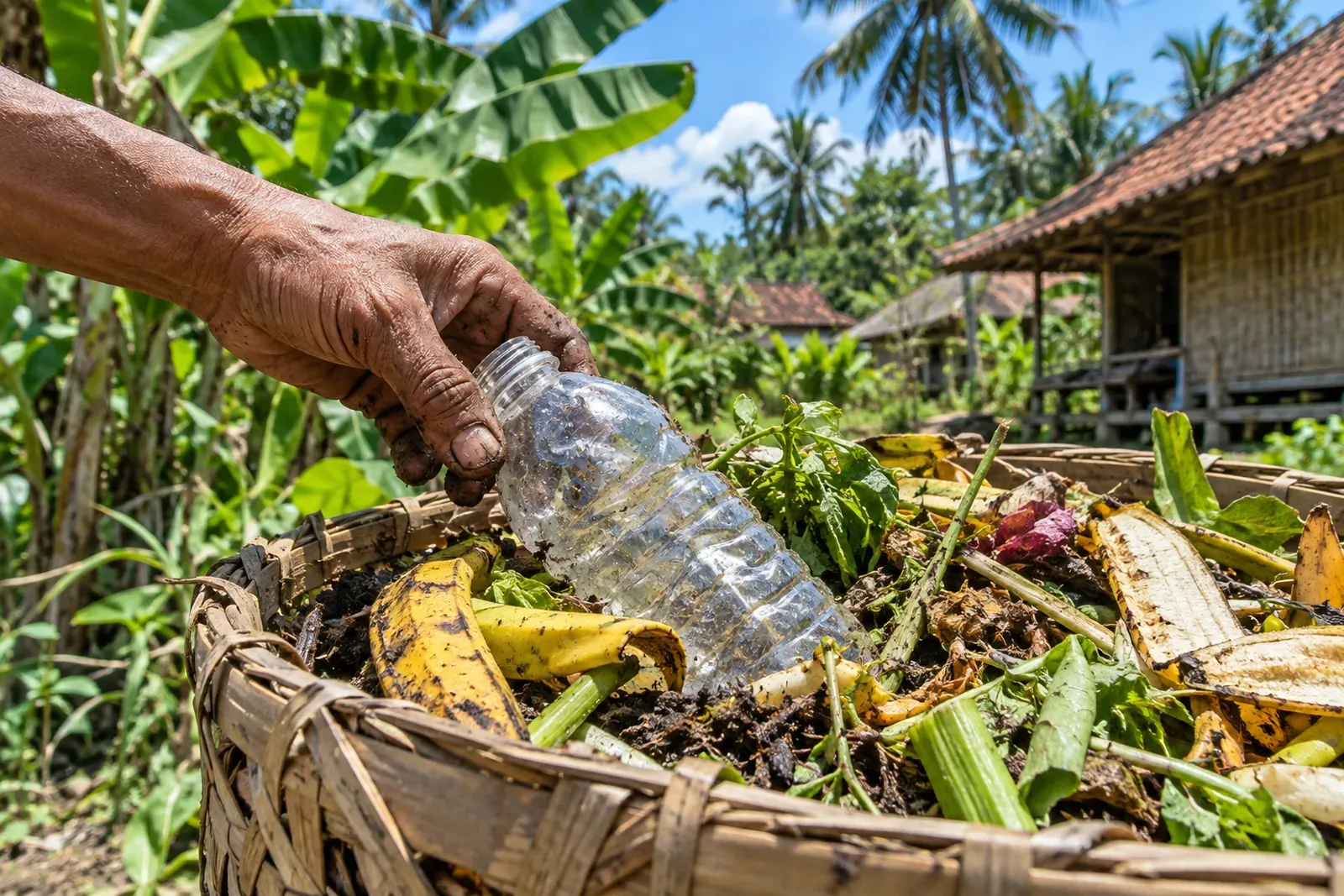
Lombok Pushes Village Waste Management to Protect Tourism Value
West Nusa Tenggara tourism authorities are backing decentralised waste initiatives across tourist villages, addressing environmental infrastructure crucial to long-term hospitality asset values.
Environmental infrastructure across emerging tourist corridors has moved to the centre of regional policy in West Nusa Tenggara. As tourist arrivals expand, provincial authorities are stepping in to ensure that basic waste management keeps pace with destination branding.
At a focus group discussion hosted at Hotel Lombok Raya in Mataram on Tuesday, 27 October, the Tourism and Creative Economy Agency (Disparekraf NTB) gathered regional stakeholders to address waste handling in rural tourism destinations. The core mandate from provincial authorities is clear: tourism villages must establish independent, community-level waste management systems to maintain clean, healthy, and sustainable environments.
Decentralised Solutions for Expanding Tourism Corridors
The initiative, structured around the Clean and Healthy Tourism Village framework, reflects a strategic shift from centralized municipal collection toward local autonomy. Across developing island markets, municipal collection routes frequently struggle to service outlying rural communities and coastal hamlets. For tourism villages, where pristine landscapes represent the primary economic asset, unmanaged waste poses an immediate threat to visitor satisfaction and land appeal.
Disparekraf NTB is encouraging villages to treat waste processing as an operational priority rather than an administrative afterthought. Under the proposed model, village administrations and local management boards are expected to develop self-reliant processing protocols. These measures include organic waste composting, community sorting stations, and commercial partnerships for recyclable plastics. By establishing processing capacity at the village level, regional planners aim to prevent illegal dumping along primary access roads and coastal strips.
Provincial officials emphasized that experiential travel in Lombok relies heavily on rural appeal. Visitors drawn to traditional villages, surfing bays, and cultural hamlets expect unspoiled surroundings. When rapid visitor growth outpaces civil services, the visual and environmental consequences can quickly erode destination appeal.
The Broader Context of Regional Infrastructure
This municipal focus arrives at a pivotal juncture in Lombok's tourism trajectory. The island has experienced sustained expansion in international travel, with foreign arrivals recording an increase of 40 to 50 percent year on year. This growth is driven by broader tourism recovery across Indonesia alongside high-profile international events hosted at the Mandalika street circuit.
Yet rapid expansion exposes physical bottlenecks. While major state capital expenditure has delivered highway corridors, airport upgrades, and commercial zones within the Mandalika Special Economic Zone (SEZ), peripheral areas often rely on traditional community infrastructure. Decentralised waste management serves as a necessary operational bridge, enabling rural areas to absorb higher footfall without waiting years for central municipal utility extensions.
For regional authorities, elevating environmental hygiene standards is also linked directly to international certification and visitor safety. High-spending long-haul travellers, particularly from Europe and Australia, routinely factor sustainability, cleanliness, and local ecological integrity into their travel choices.
What This Means for Investors
For private investors and hospitality operators, environmental infrastructure is far more than a public relations consideration. It directly influences asset preservation, guest review scores, and rental performance.
In hospitality markets, online travel agency review scores represent a direct determinant of occupancy and average daily rates. Poor municipal cleanliness in an asset's immediate surroundings translates into negative reviews on booking platforms, which can severely depress net rental yields. In South Lombok, where honest net rental yields typically range between 7 and 12 percent after accounting for management fees and realistic operational expenses, maintaining premium asset ratings is essential to reaching the upper end of performance targets.
Key structural implications for hospitality investors include:
- Operational Self-Reliance: Developers cannot rely entirely on municipal waste services. Projects situated outside major town centres must budget for private collection contracts, on-site sorting, or local community waste cooperatives.
- Planning and Due Diligence: Land acquisitions near tourism villages should evaluate local community sanitation infrastructure during early feasibility stages. Working alongside local village heads (Kepala Desa) on community cleanliness projects is becoming an essential community relations practice.
- Asset Differentiation: Boutique resorts and private villas that implement rigorous waste reduction, composting, and zero-plastic policies command stronger pricing power among environmentally conscious European and Australian guests.
As the island matures, property buyers are differentiating between locations that actively manage growth and those overwhelmed by it. Prime destinations like Kuta lead in liquidity and commercial services, with prime tourist-zone land commanding roughly Rp 150 to 400 million per are (where one are equals 100 square metres). In expanding peripheral pockets, such as Selong Belanak or Are Guling, community-led infrastructure initiatives will play a defining role in preserving long-term asset values.
By taking proactive steps to enforce village-level waste management today, West Nusa Tenggara is demonstrating an awareness of the physical disciplines needed to protect Lombok's appeal for decades to come.
Stay informed: subscribe to our free Lombok Briefing, published twice a month (the 1st and 15th), for analysis like this.
What is the new waste initiative announced for Lombok tourism villages?
The West Nusa Tenggara Tourism Agency (Disparekraf NTB) is urging tourism villages to implement independent, community-level waste handling. Announced at a regional focus group discussion in Mataram, the initiative aims to keep rural destinations clean, healthy, and sustainable as visitor numbers expand.
Why does village waste management matter to Lombok property investors?
Decentralised cleanliness protects surrounding aesthetics and guest satisfaction scores on booking platforms. In an emerging market where honest net rental yields typically run between 7 and 12 percent, high guest review ratings are critical to maintaining stable occupancy and premium room rates.
Can developers rely entirely on municipal waste collection in South Lombok?
No. Municipal collection remains limited in outlying rural bays and emerging tourist corridors. Private hospitality developers and villa operators generally incorporate on-site sorting, private collection contractors, or partnerships with local village administrations to ensure dependable sanitation.

The Lombok Buyer's Field Guide
Legal structures ranked by risk, the honest ROI math line by line, all six zones ranked, and the 24-point due-diligence checklist. The whole book, free in your inbox.
See what's inside