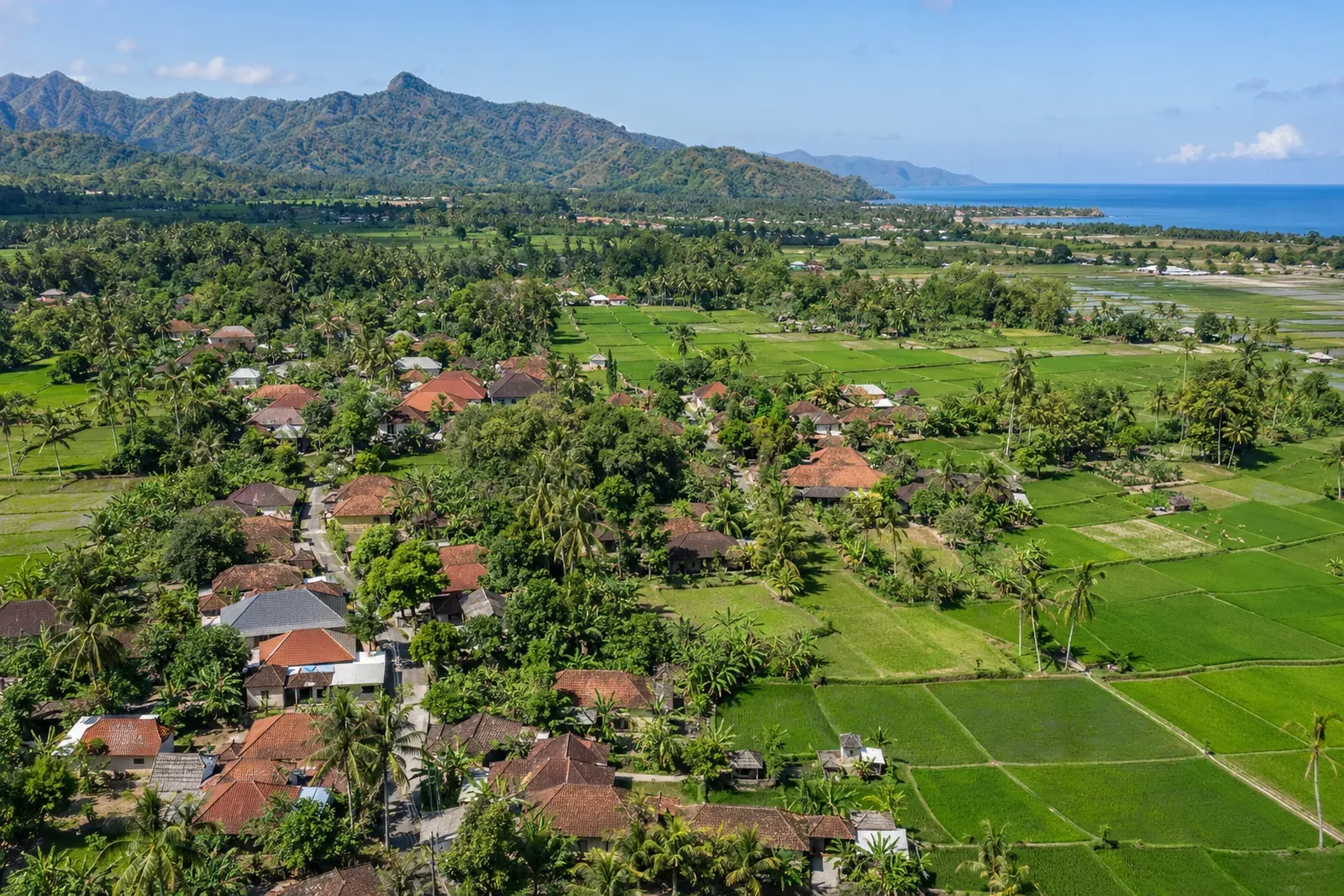
Lombok Village Museum Model Heads to Global Cultural Stage
West Nusa Tenggara will showcase its grassroots village museum network at the global ICOM CECA conference, highlighting cultural preservation across Lombok.
Lombok is preparing to present its community-led cultural preservation model to an international audience of curators and heritage experts. The initiative reflects a deliberate shift across West Nusa Tenggara to decentralise heritage and anchor local identity as regional tourism expands.
The West Nusa Tenggara State Museum has secured an official invitation to present its grassroots initiative, known locally as "Kotaku Museumku Kampungku Museumku" (Our City Our Museum, Our Village Our Museum), at the 2026 annual conference of the International Council of Museums Committee for Education and Cultural Action (ICOM CECA). Scheduled to take place in Jakarta between November 10 and 14, 2026, across the Theater of Taman Ismail Marzuki and select capital venues, the event convenes global specialists under the theme: "Museums in Divided Times: How to Foster Dialogue, Caring and Sense of Belonging?"
Alongside the Bala Datu Ranga Museum, regional cultural authorities will present a working blueprint that demonstrates how under-resourced provinces can protect heritage without relying solely on centralised state institutions.
Decentralising Heritage Across the Archipelago
For emerging destinations across Indonesia, cultural preservation often lags behind rapid physical development. In West Nusa Tenggara, formal cultural infrastructure has historically remained lean, with only five institutional museums serving the entire province. This structural gap prompted provincial museum leadership to pursue an alternative path.
Rather than lobbying for prohibitive capital expenditure on centralised institutions, authorities launched a four-year grassroots campaign to embed heritage directly within local settlements. The village museum initiative, formally launched by the Ministry of Culture on January 7, 2025, encourages communities to establish, curate, and maintain their own cultural repositories.
The geographic distribution demonstrates tangible traction across the province:
- Lombok Island: At least nine village museums are now active, preserving indigenous Sasak traditions, local agricultural tools, textiles, and oral histories.
- Sumbawa Island: Four village museums have been established, comprising two facilities in Sumbawa Regency and two in Bima City.
- Institutional network: The initiative effectively expands the province's operating museum footprint beyond its five formal state facilities, establishing thirteen community-based exhibition spaces.
Provincial museum leadership noted that the model gained international traction precisely because of its originality and direct relevance to everyday village life. By positioning the community as active curators rather than passive spectators, the program resolves a classic developmental challenge: how to safeguard intangible heritage in rapidly modernising provincial economies.
Beyond Coastal Sun and Sand
The timing of this global recognition aligns with a significant transition in the regional tourism economy. West Nusa Tenggara has experienced substantial expansion in recent years, with foreign-arrival trends recording growth of +40-50% YoY, propelled by broad post-pandemic tourism recovery and the international visibility of the MotoGP events hosted in the south of the island.
Yet rapid arrival growth presents its own risks. Destinations that rely entirely on coastal enclaves, beach clubs, and seasonal sporting spectacles frequently suffer from shallow visitor engagement, high leakage rates, and vulnerability to shifting consumer tastes. In contrast, mature destinations command premium room rates and extended lengths of stay by developing layered cultural ecosystems.
The expansion of nine village museums across Lombok creates tangible cultural assets outside the standard coastal corridors. When international travellers venture inland to visit authentic, community-run spaces, tourism revenue distributes more equitably into rural economies. This dynamic supports the retention of traditional craftsmanship, sustains historic building techniques, and provides young residents with economic incentives to preserve their regional identity.
What This Means for Investors
For institutional and private capital evaluating Lombok, the maturation of civic and cultural infrastructure serves as an essential secondary indicator of destination longevity.
- Diversification of the visitor profile: A destination endowed with verified cultural depth attracts higher-spending, culturally engaged demographics. European, Australian, and American travellers seeking authentic regional heritage typically book longer itineraries than short-stay leisure visitors.
- Community alignment and social stability: Tourism projects that operate in cultural isolation frequently encounter local friction. Regions that actively celebrate and resource village identity foster greater social cohesion, reducing land and operational disputes for incoming businesses.
- Regional resilience: While resort enclaves experience cyclical demand, destinations anchored by national parks, distinct culinary traditions, and recognised heritage frameworks build durable global reputations.
The invitation to address ICOM CECA validates the provincial government's long-term commitment to sustainable cultural stewardship. As Lombok continues its physical transformation, the international endorsement of its village museum model offers reassuring evidence that the island is cultivating cultural depth alongside modern hospitality infrastructure.
Stay informed: subscribe to our free Lombok Briefing, published twice a month (the 1st and 15th), for analysis like this.
What is the village museum initiative in West Nusa Tenggara?
It is a community heritage program, launched in 2025, that establishes local village-run museums. The province has expanded this network to include nine village museums on Lombok and four on Sumbawa, addressing the region's limited number of five formal state museums.
Why is West Nusa Tenggara presenting at the 2026 ICOM CECA conference?
The West Nusa Tenggara State Museum was officially invited to share its grassroots model in Jakarta from November 10 to 14, 2026, demonstrating how decentralised village museums foster local community dialogue and preserve heritage in developing regions.
How does cultural preservation impact tourism and investment in Lombok?
Cultural assets like village museums diversify the visitor experience beyond coastal resorts. This encourages longer stays, supports local community cohesion, and builds destination depth as foreign arrivals expand across the island.

The Lombok Buyer's Field Guide
Legal structures ranked by risk, the honest ROI math line by line, all six zones ranked, and the 24-point due-diligence checklist. The whole book, free in your inbox.
See what's inside