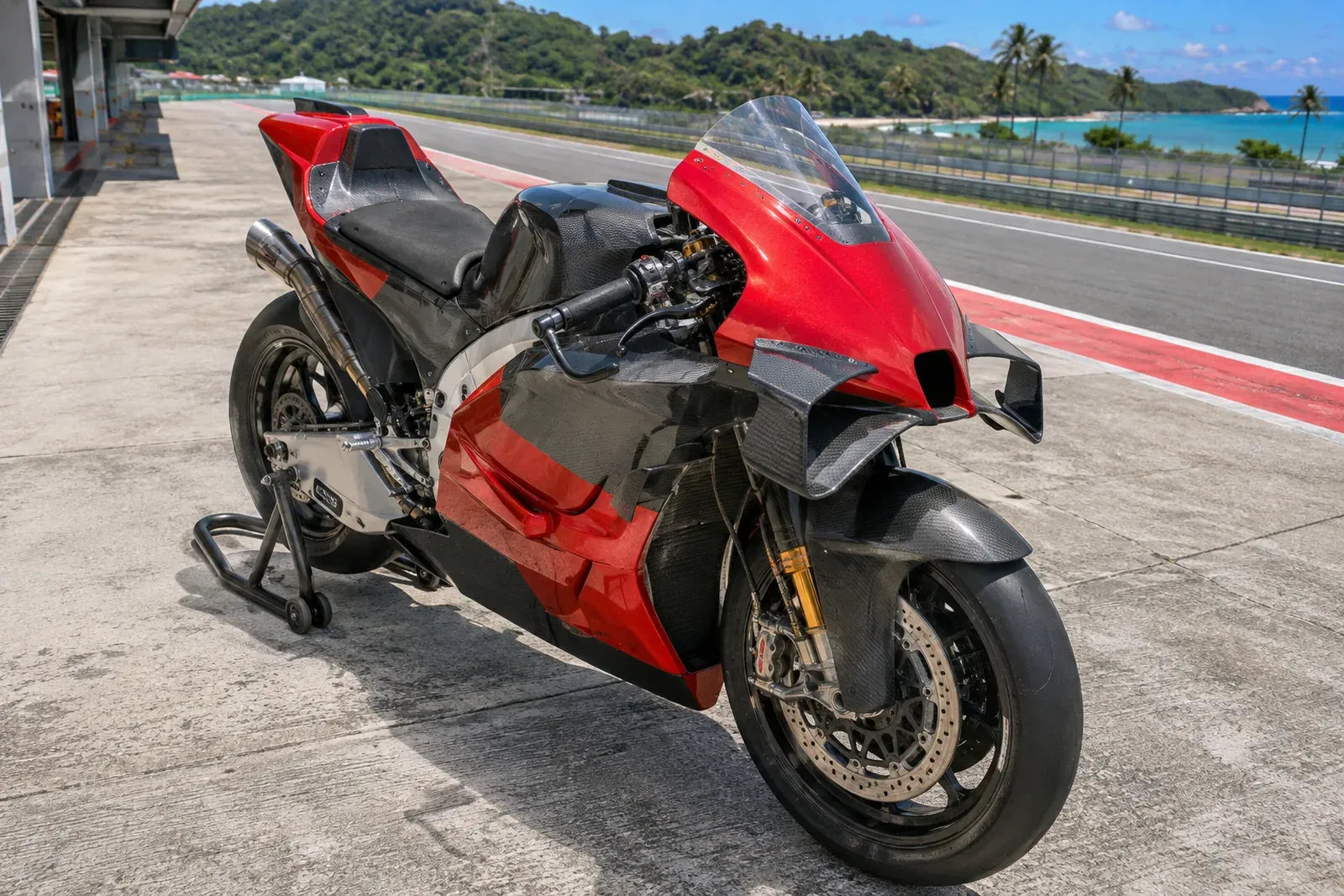
Lombok Tourism Surges as Minister Highlights Workforce Expansion
Lombok foreign arrivals reached 452,367 in H1 2026 as domestic trips surged 66.3 percent, underpinning structural operational depth for regional hospitality assets.
Quick answer: Official data confirms foreign arrivals to Lombok reached 452,367 in the first half of 2026, alongside 10.88 million domestic trips. For property investors, this rapid volume expansion reinforces baseline occupancy across South Lombok, while dedicated vocational training programmes are gradually addressing historical hospitality labour shortages across Mandalika and surrounding coastal enclaves.
Lombok's tourism trajectory continues to deliver measurable momentum across both international and domestic visitor segments. Addressing attendees at the Lombok Tourism Polytechnic graduation in Central Lombok, Tourism Minister Widiyanti Putri Wardhana confirmed that foreign tourist arrivals across the island and the neighbouring Gili islands expanded 9.3 percent year-on-year in the first half of 2026. This sustained inflow marks an important phase in the island's transition from an emerging escape into an institutional-grade leisure destination.
The Context
The figures released by the Ministry of Tourism point to a dual-engine expansion. International visits reached 452,367 between January and June 2026, while domestic journeys to West Nusa Tenggara surged by 66.3 percent year-on-year to reach 10.88 million. Across Indonesia as a whole, foreign arrivals grew 5.01 percent to 12.01 million through September 2026, illustrating that Lombok is capturing an outsized share of regional visitor growth.
"NTB holds vast tourism potential, ranging from its natural beauty and rich culture to the Mandalika Special Economic Zone and Muslim-friendly tourism," noted Tourism Minister Widiyanti Putri Wardhana, emphasising that infrastructure gains must be matched by operational human capital.
This expansion arrives against broader structural tailwinds across South Lombok. Wider market data highlights an overall foreign-arrivals expansion trend of +40-50% YoY, supported by the post-pandemic recovery and the recurring international calendar at the Mandalika street circuit. As visitor volumes compound, the island's operational ecosystem is being tested, shifting the conversation among developers from mere asset delivery to long-term hospitality execution.
Labour Maturation in the Mandalika Corridor
A persistent consideration for luxury real estate developers and villa operators in Lombok has been the availability of qualified supervisory and operational staff. The graduation of 316 specialised hospitality professionals from Poltekpar Lombok, spanning room division, culinary arts, travel management, and food and beverage service, reflects an institutional effort to localise operational talent. The minister pointedly stressed the necessity of foreign language competence and industry-recognised certifications to support high-end accommodation assets.
| Operational Sector | Graduating Cohort (H2 2026) | Primary Hospitality Focus | | :--- | :--- | :--- | | Travel Business | 88 professionals | Logistics, tour operations, regional transport | | Room Division | 76 professionals | Front office, housekeeping, guest relations | | Culinary Arts | 86 professionals | International gastronomy, kitchen management | | Food & Beverage Service | 66 professionals | Restaurant service, mixology, events |
For villa owners, the steady creation of an accredited regional workforce directly impacts the bottom line. Professionalised on-island management reduces the need to import operational talent from Bali or Jakarta, helping protect operational margins against excessive administrative overhead.
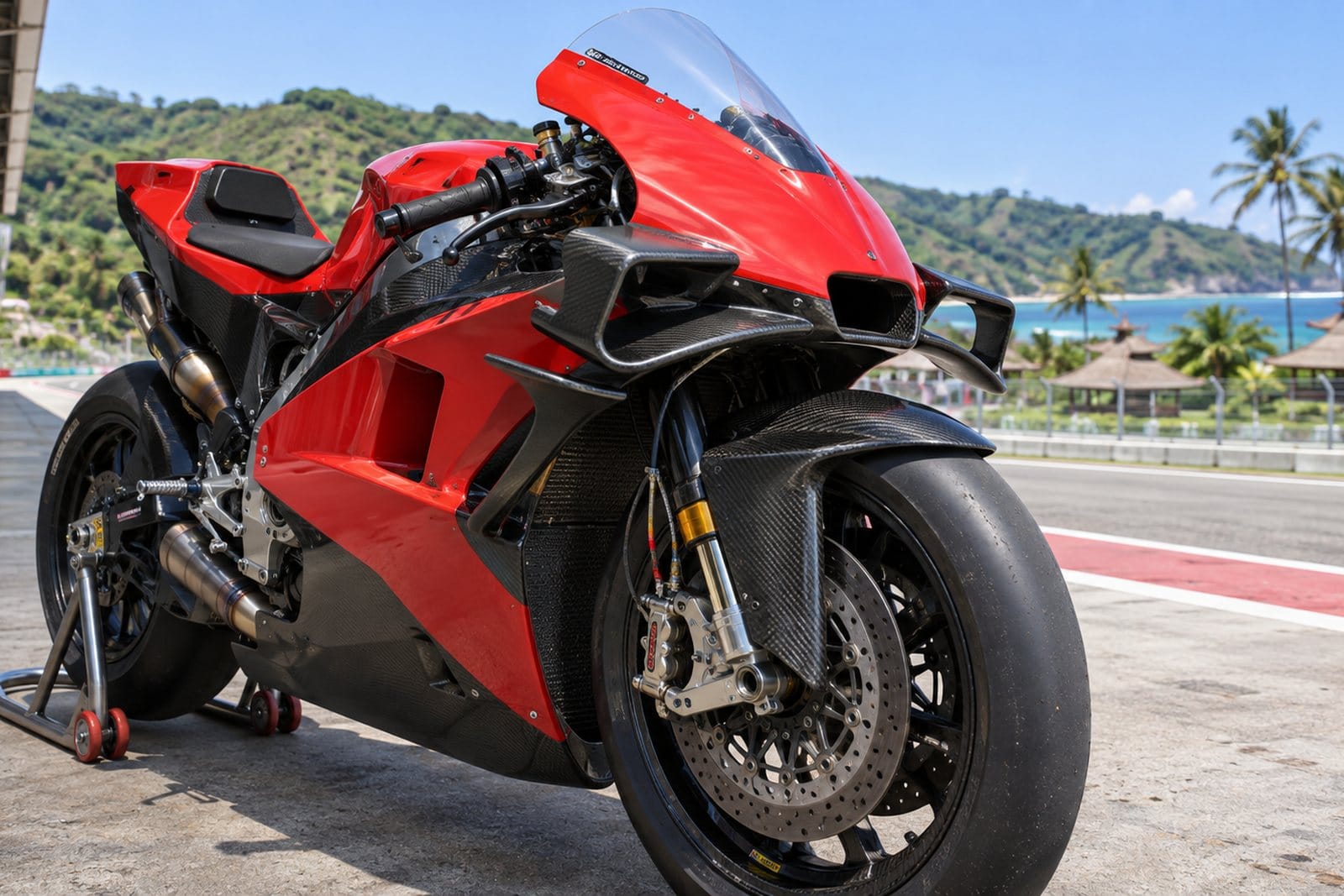 Lombok Tourism Surges as Minister Highlights Workforce Expansion · Illustration: HubLombok (AI-generated)
Destination Diversification and Yield Dynamics
Lombok's appeal is diversifying beyond seasonal surf tourism. The island's strategic positioning within Islamic travel markets, where Indonesia ranks second globally in the 2026 Global Muslim Travel Index and West Nusa Tenggara ranks third nationally, provides counter-cyclical domestic demand during traditional Western low seasons. This diversification helps support stabilised annual occupancy rates, which realistically track between 55-70% during years one to three of operation, compared to 70-85% in mature, congested Bali.
Property performance across the southern coastline reflects this shifting dynamic. Turnkey investment-grade villas in South Lombok sit at entry prices of EUR 95,000-350,000, compared to USD 400,000-800,000 for equivalent specifications in southern Bali. While developers frequently market gross yields of 12-22%, experienced investors evaluate assets through the prism of net operational returns. Accounting for standard operational costs, including management fees of 18-22% of gross rental revenue and online travel agent commissions of 15-20%, honest net yields reliably settle between 7-12%, with exceptional, top-performing assets occasionally achieving around 15% net.
Capital appreciation mirrors these visitor inflows. Kuta villa rates have appreciated approximately +38% YoY, whilst prime land in Kuta trades between Rp 300-400M/are (~$18,200-24,200/are). In adjacent corridors such as the Mandalika Special Economic Zone, land currently ranges from Rp 100-150M/are (~$6,100-9,100/are), presenting lower entry barriers for early-cycle development projects.
What This Means for Investors
For offshore capital assessing the Indonesian archipelago, the latest arrival data confirms that Lombok's demand base is broadening rapidly. Increased visitor throughput strengthens daily rate resilience and supports the island's transition toward year-round cash flow generation. The primary takeaways for private investors and fund managers include:
- Underwriting on Net Performance: Robust arrival volumes support occupancy, but financial models must separate headline gross figures from the realistic 7-12% net rental yield range achievable after professional management deductions.
- Operational De-risking: The rapid expansion of local vocational hospitality academies reduces staffing friction and improves service consistency for boutique resort and residential villa assets.
- Early-Cycle Pricing Asymmetry: With prime Kuta land transacting at Rp 300-400M/are and emerging secondary bays trading substantially lower, entry pricing remains attractive relative to Bali's USD 200-500/m² averages.
- Rigorous Structuring: Foreign capital cannot hold freehold (Hak Milik) titles directly. Capital deployment must utilise formal foreign investment corporate vehicles (PT PMA holding Hak Guna Bangunan titles) or long-term leasehold agreements (Hak Sewa), structured alongside qualified legal desks such as TerraNusa Advisory.
As Lombok's tourism economy expands, the intersection of rising international arrivals and structured workforce development reinforces the underlying investment thesis for prime southern real estate.
Stay informed: subscribe to the free Lombok Briefing, published twice a month (the 1st and 15th), for market intelligence like this.
How do rising visitor numbers affect Lombok villa yields?
Higher arrival numbers support stabilised occupancy rates of 55-70%. While developers cite 12-22% gross returns, realistic net yields settle between 7-12% after accounting for 18-22% management fees and booking commissions.
Can foreign investors buy real estate in Mandalika and Kuta?
Foreigners cannot hold freehold (Hak Milik) titles. Instead, international buyers invest securely via long-term leaseholds (Hak Sewa) or by establishing a foreign-owned company (PT PMA) holding Hak Guna Bangunan (HGB) titles.
What is the typical entry price for land in South Lombok?
Prime tourist land in Kuta trades between Rp 300-400M/are (~$18,200-24,200/are), while the surrounding Mandalika zone sits at Rp 100-150M/are, offering significantly lower acquisition costs than equivalent mature plots in Bali.

The Lombok Buyer's Field Guide
Legal structures ranked by risk, the honest ROI math line by line, all six zones ranked, and the 24-point due-diligence checklist. The whole book, free in your inbox.
See what's inside