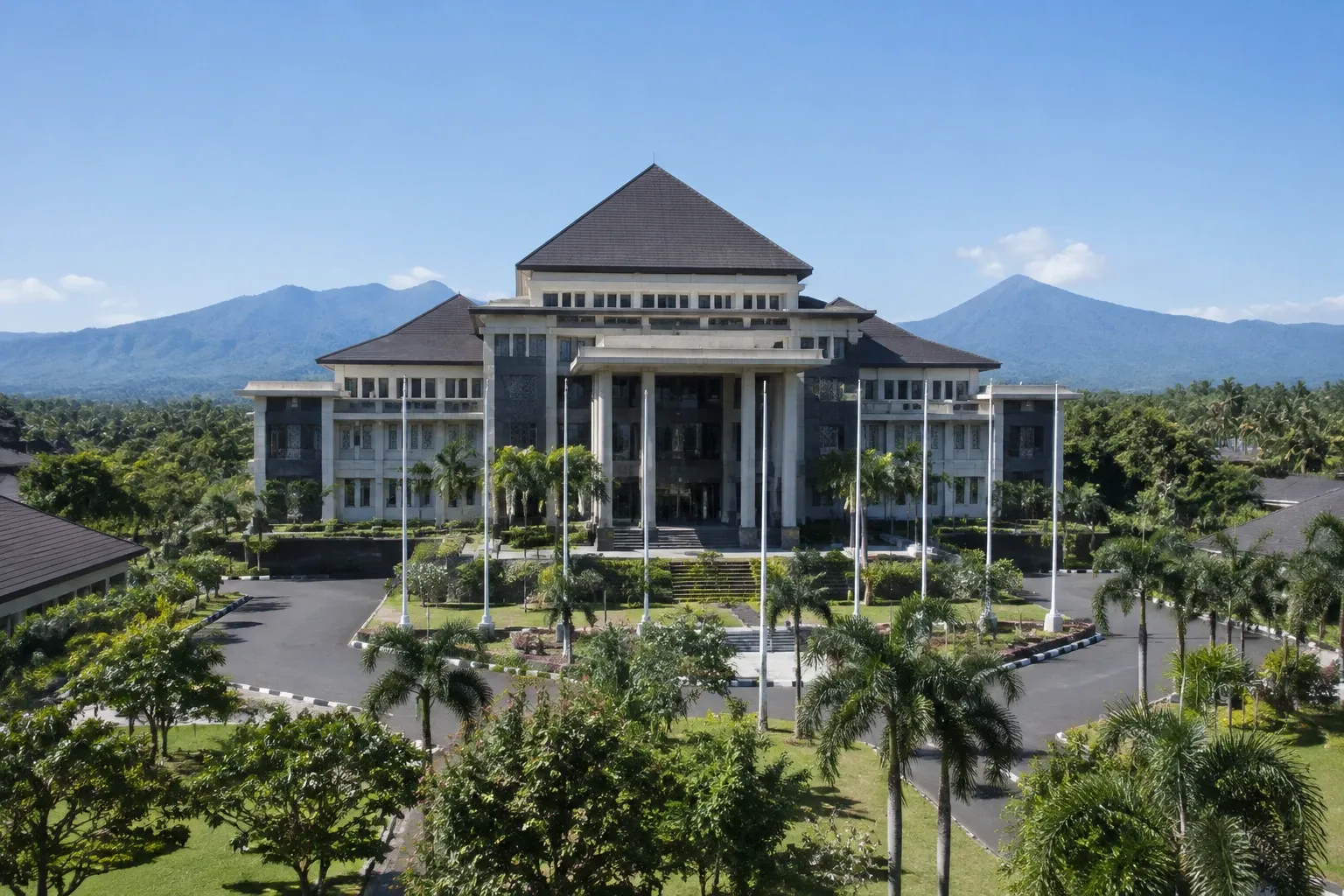
Prabowo Backs Aceh Jade Mosque as Indonesia Diversifies Cultural Tourism
President Prabowo inaugurates Aceh's jade-clad Baitul A'la Mosque, underscoring Indonesia's broader push to expand regional tourism infrastructure and attract foreign capital.
Indonesia is accelerating efforts to distribute tourism capital across its outer archipelagos, using regional cultural landmarks to attract international interest beyond traditional holiday enclaves. President Prabowo Subianto's inauguration of the jade-clad Baitul A'la Mosque in Aceh signals a broader state commitment to regional infrastructure, specialty heritage sites, and provincial economic diversification.
Speaking at the inauguration ceremony in Nagan Raya District, President Prabowo highlighted the unique architectural profile of the complex, expressing confidence that international visitors will travel to western Indonesia specifically to witness the landmark. The initiative reflects Jakarta's continued interest in supporting regional tourist corridors through distinctive cultural assets, natural endowments, and targeted public investment.
The Baitul A'la Mosque: Architectural Ambition in Nagan Raya
The Baitul A'la Mosque stands out within Southeast Asia due to its extensive use of locally sourced jade. Adorned with polished stone across both its exterior facade and interior prayer halls, the complex represents an unusual convergence of civic architecture and regional mineral reserves.
During his address, President Prabowo suggested that Baitul A'la could stand as the only mosque globally constructed with such extensive jade cladding. The project gained significant operational momentum following the discovery of an estimated 5,000-ton jade deposit in the Beutong Sub-district of Nagan Raya in 2025. Rather than routing these resources purely into commercial extraction, the government moved to integrate the stone directly into local civic infrastructure, aiming to create a durable, landmark attraction capable of anchoring future visitor flows.
"One day, many people will come from abroad to see this mosque, which will be adorned with jade both inside and out," President Prabowo stated during the opening proceedings.
By converting raw geological resources into a high-visibility cultural destination, local authorities aim to stimulate tertiary economic activity, including hospitality services, specialty retail, and regional transit networks.
Infrastructure Rehabilitation and Regional Connectivity
Cultural landmarks require dependable logistics and civil resilience to function as viable economic drivers. President Prabowo used the Nagan Raya address to provide strategic updates on wider rehabilitation efforts across Sumatra, where communities have been addressing damage from last year's severe floods and landslides.
While parts of Aceh, North Sumatra, and West Sumatra have fully recovered, authorities continue to deploy capital and engineering resources to restore secondary infrastructure. Key commitments announced for Nagan Raya include:
- Irrigation restoration: Prompt state intervention to repair municipal irrigation networks, supporting the agrarian economy that surrounds the district's emerging cultural sites.
- Educational infrastructure: Allocation of a dedicated 100-hectare site prepared by the local administration to establish a top-tier educational institution.
- Cross-border engagement: Active diplomatic outreach, including Aceh seeking United Arab Emirates investment for green energy and tourism ventures.
- Maritime integration: Strategic initiatives by Aceh's Sabang Free Trade Zone and Free Port Management Board (BPKS) to deepen maritime tourism partnerships with ASEAN neighbours.
This multi-tiered approach demonstrates how Indonesian regional development blends immediate recovery spending with long-term capital formation, ensuring secondary provinces establish the basic services necessary to support prolonged economic expansion.
Regional Tourism Dispersion Across the Archipelago
For international observers tracking Indonesia's economic trajectory, the emphasis on Aceh's cultural tourism fits into a macro-level shift. Nationwide, foreign arrivals have demonstrated strong momentum, expanding at +40-50% YoY amid broad post-pandemic travel normalisation and high-profile sporting and cultural showcases.
Historically, international visitor expenditure has concentrated heavily in established island destinations. However, policy planners in Jakarta are actively promoting geographic dispersion. By highlighting niche heritage assets, spiritual tourism sites, and eco-maritime corridors in Sumatra, the central government seeks to build a more balanced economic map.
Aceh's pursuit of foreign direct investment from markets like the UAE, alongside regional cross-border initiatives within ASEAN, indicates that provincial administrations are increasingly looking outward. For institutional and private investors, tracking where the state commits infrastructure resources offers early visibility into emerging growth nodes before commercial real estate pricing reflects upgraded connectivity.
What this means for investors
The developments in Nagan Raya offer clear takeaways for international capital assessing Indonesian real estate and hospitality:
- State commitment precedes private capital: Central government backing for civic landmarks, coupled with allocations such as the 100-hectare educational zone, signals long-term stability and planning support in secondary regions.
- Diversification of visitor demographics: Highlighting Islamic heritage and unique mineral architecture positions western Indonesia to attract specialised travel segments from the Middle East and Southeast Asia, expanding the nation's aggregate tourism base.
- Infrastructure alignment: Public expenditure focused on flood mitigation, road repairs, and irrigation restoration provides essential operational stability for commercial ventures considering peripheral markets.
While remote frontier locations require patience and targeted operational models, the underlying policy direction is consistent. Across Indonesia, state investment in transportation, cultural anchors, and civic infrastructure continues to lay the groundwork for sustained regional growth.
As public infrastructure spending deepens across the archipelago, provincial hubs that leverage natural and cultural advantages are poised to capture an expanding share of international economic engagement.
Stay informed: subscribe to our free Lombok Briefing, published twice a month (the 1st and 15th), for analysis like this.
What makes the Baitul A'la Mosque in Aceh architecturally unique?
The Baitul A'la Mosque in Nagan Raya, Aceh, is built with extensive jade cladding on both its interior and exterior surfaces. President Prabowo noted it may be the only mosque worldwide built using jade, utilising an estimated 5,000-ton local deposit discovered in 2025.
How does Aceh plan to attract international visitors and foreign capital?
Aceh is combining unique cultural anchors like the jade mosque with international outreach. The provincial government is seeking UAE investment in tourism and green energy, while the BPKS authority is deepening maritime tourism partnerships across ASEAN to expand regional visitor flows.
What broader infrastructure initiatives accompany the mosque project in Nagan Raya?
Alongside the mosque, the government is repairing local irrigation systems and supporting ongoing flood recovery across Sumatra. Additionally, the local administration has allocated a 100-hectare site to establish a top-tier school, strengthening community services and long-term civic infrastructure.

The Lombok Buyer's Field Guide
Legal structures ranked by risk, the honest ROI math line by line, all six zones ranked, and the 24-point due-diligence checklist. The whole book, free in your inbox.
See what's inside