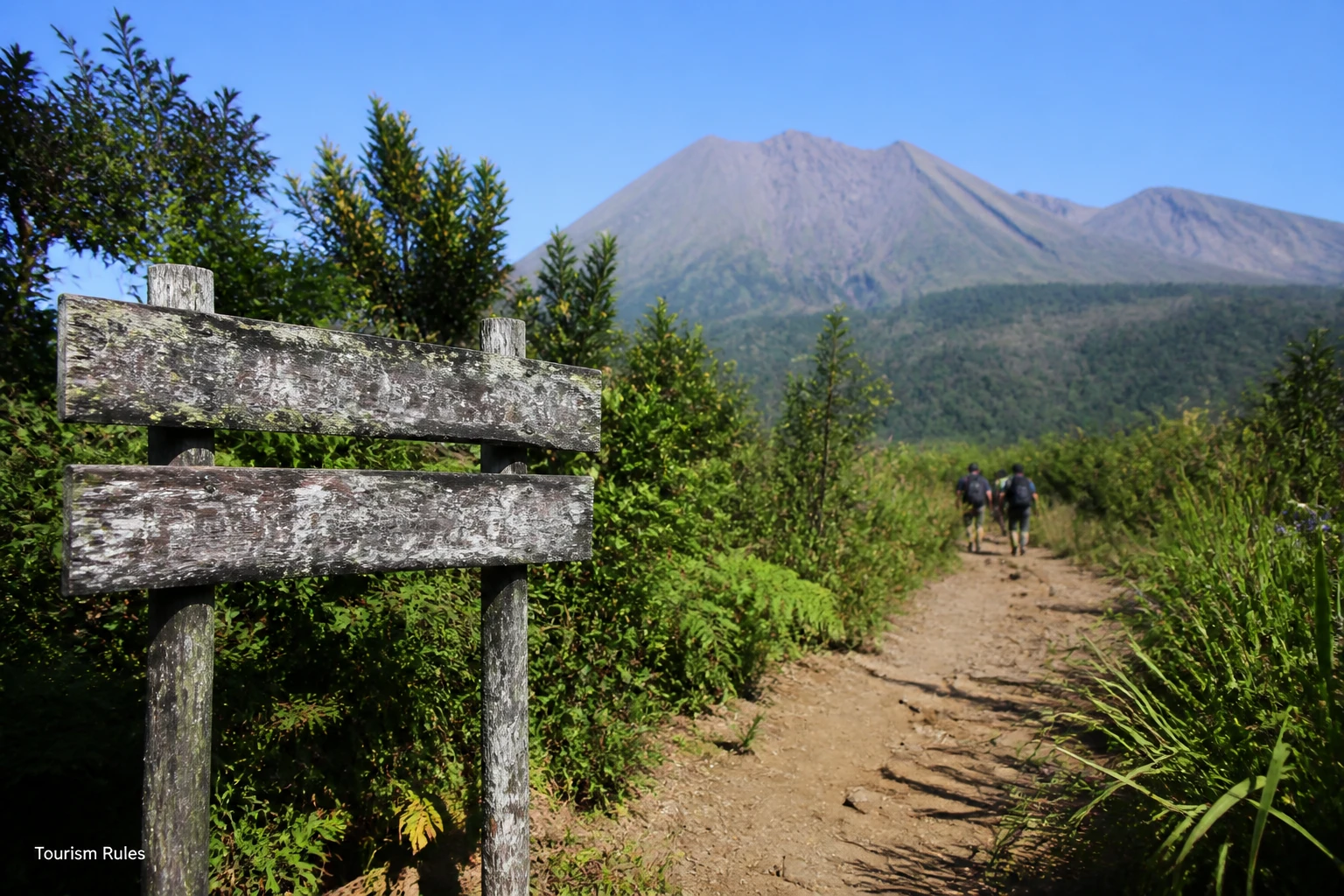
Lombok's Strict Tourism Rules: Why Sustainable Policies Matter for Investors
As Lombok enforces stricter rules at Mount Rinjani, property investors should recognise how destination management directly impacts rental yields and asset value in Indonesia's fastest-growing island
Lombok is experiencing an extraordinary tourism transformation. As Bali faces increasing overtourism challenges, Indonesia's neighbouring island has emerged as the preferred alternative, with visitor numbers growing 40-50% year-on-year. For property investors eyeing this market, where entry prices range from €95,000 to €350,000 and rental yields hover between 12-22%, this growth trajectory is compelling. Yet a recent move by Lombok's tourism authorities reveals something equally important: the island is determined to protect its future by learning from Bali's mistakes.
This week, Mount Rinjani National Park officials took decisive action against tourists violating photography and drone rules, confiscating equipment and preparing sanctions against trekking organisers. For investors, this is a watershed moment. It signals that Lombok's authorities are serious about sustainable, culturally respectful tourism, a policy framework that directly protects property valuations and rental income stability.
Lombok's Tourism Boom: Riding the Bali Overflow Wave
The numbers tell a compelling story. Lombok has become Indonesia's second-most visited island, capitalising on the "Bali overflow" effect as visitors seek authentic experiences and relief from overcrowding. The recent MotoGP circuit hosted on the island, combined with airport infrastructure upgrades, has further accelerated visitor arrivals and extended the tourism season. These structural improvements create a favourable backdrop for property investment.
For property investors, this boom translates into occupancy rates between 55-75% and yields that remain attractive relative to global alternatives. However, tourism booms are fragile. Without active management, they risk deteriorating into overtourism, the very dynamic that has eroded Bali's appeal and created local resentment. That erosion directly impairs property values and rental consistency.
Mount Rinjani's New Rules: Setting a Preservation Standard
The TNGR (Mount Rinjani National Park) office's enforcement action this week, confiscating drones, Bluetooth speakers, and investigating trekking operators, represents a clear commitment to preservation. Ma'ruf Hadi, Head of Section II of the TNGR Center, confirmed a zero-tolerance approach: all trekking organisers found allowing rule violations would face summons to the Mataram office, with sanctions ranging from warning letters to blacklisting.
These rules exist to protect:
- Sacred landscapes, Mount Rinjani holds spiritual significance for local Sasak communities
- Wildlife habitats, drones disrupt natural ecosystems and bird nesting patterns during peak breeding seasons
- Visitor experience quality, restrictions on amplified music preserve the mountain's tranquillity for all trekkers
- Long-term destination appeal, environmental protection ensures the island remains attractive to premium tourists
For investors, these protections matter enormously. Destinations associated with environmental degradation or cultural disrespect see declining visitor quality, shorter stays, and eroding premium rental rates. Lombok's zero-tolerance enforcement directly protects property valuations and ensures the sustainable visitor base that supports yields in the 12-22% range.
Learning from Bali's Cautionary Tale
Bali's overtourism crisis offers a stark contrast. The island that once epitomised luxury and spirituality now struggles with overcrowded temples, polluted beaches, and infrastructure strain. Many visitors actively avoid peak season or choose alternative destinations entirely.
Lombok's authorities appear determined to avoid replicating Bali's trajectory. By implementing strict regulations now, while tourism is in its growth phase, they're establishing norms that preserve destination appeal. This proactive approach is increasingly valuable to property investors. Markets with robust sustainability frameworks attract longer-staying visitors, higher spend-per-tourist, and more stable rental demand. The investment community has learned that destinations managing growth tend to outperform unregulated markets.
The enforcement action against Mount Rinjani violators sends a clear message: Lombok won't tolerate the environmental and cultural degradation that has afflicted rival destinations. That signal resonates with the upmarket tourists now driving occupancy in Lombok's premium villas and hospitality sector.
Why Sustainable Tourism Policies Matter for Property Investors
The connection between tourism management and property investment returns is direct and measurable:
Destination Reputation, Protected natural and cultural assets enhance Lombok's brand positioning, supporting higher nightly rates and occupancy consistency across the 55-75% range.
Visitor Quality Over Volume, Tourists who respect local culture and landscapes tend to stay longer, spend more, and generate repeat bookings. These are the guests who book premium properties and support 12-22% yield targets.
Regulatory Stability, Authorities demonstrating commitment to sustainable tourism create the policy certainty investors need for long-term planning. Blacklisting bad actors and sanctioning non-compliant operators establishes enforceable standards.
Risk Mitigation, Properties in destinations with overtourism problems experience lower valuations, tenant churn, and declining yields. Lombok's regulations reduce this systemic risk by actively managing visitor impact.
Asset Longevity, Sustainability frameworks protect the environmental and cultural assets that make destinations desirable. A well-managed mountain, clean beaches, and respectful tourism practices ensure Lombok remains competitive across the 5-10 year investment horizon.
What This Means for Investors
If you're evaluating Lombok property opportunities in the €95-350K entry range, the TNGR enforcement action is a positive signal. It indicates that:
- Local authorities understand the economics of sustainable tourism and the link between destination management and investor returns.
- Destination policy will prioritise long-term appeal over short-term visitor volume, protecting the quality of the visitor base.
- Lombok's competitive advantage against Bali, authenticity, less crowding, cultural respect, is being actively protected through enforceable regulations.
- Premium market positioning is sustainable, supporting the higher nightly rates that drive yields in excess of 15-22%.
Properties in well-managed destinations with clear sustainability commitments tend to outperform those in unregulated markets over 5-10 year holding periods. Lombok's new regulatory framework strengthens the investment thesis and reduces the risk of destination degradation eroding valuations.
The photo and video restrictions at Mount Rinjani may seem like a small regulatory detail, but they represent something larger: a destination actively managing its growth. As Lombok's tourism sector accelerates, driven by MotoGP, airport upgrades, and the ongoing Bali-overflow effect, this commitment to preservation will become a significant competitive advantage. For property investors, it's a reminder that destination management and investment returns are inseparable. Lombok's authorities are building a sustainable tourism ecosystem, and that directly benefits your portfolio.
Stay informed, subscribe to the free Lombok Briefing for analysis like this, published twice a month.
How fast is tourism growing in Lombok, and what is driving it?
Lombok's visitor numbers are growing 40 to 50 percent year-on-year, making it Indonesia's second-most visited island. Growth is driven by the Bali overflow effect, the addition of a MotoGP circuit, and airport infrastructure upgrades that have extended the tourism season. These structural improvements create a favourable backdrop for property investors targeting the €95,000 to €350,000 entry price range.
What rules has Lombok's Mount Rinjani National Park introduced, and what are the penalties for violations?
The TNGR office enforces a zero-tolerance policy on drones, Bluetooth speakers, and unauthorised photography on Mount Rinjani. Trekking operators who allow violations are summoned to the Mataram office and face sanctions ranging from warning letters to blacklisting. The rules protect sacred Sasak landscapes, wildlife habitats, and the tranquillity that sustains the mountain's appeal to premium visitors.
Why do sustainable tourism regulations matter for property investors in Lombok?
Destinations with overtourism problems typically see declining valuations, tenant churn, and eroding yields. Lombok's active enforcement, during its growth phase, is designed to attract longer-staying, higher-spending visitors who support the occupancy rates and yields that make the market attractive. Regulatory stability also provides the policy certainty needed for planning across a 5 to 10 year investment horizon.

The Lombok Buyer's Field Guide
Legal structures ranked by risk, the honest ROI math line by line, all six zones ranked, and the 24-point due-diligence checklist. The whole book, free in your inbox.
See what's inside