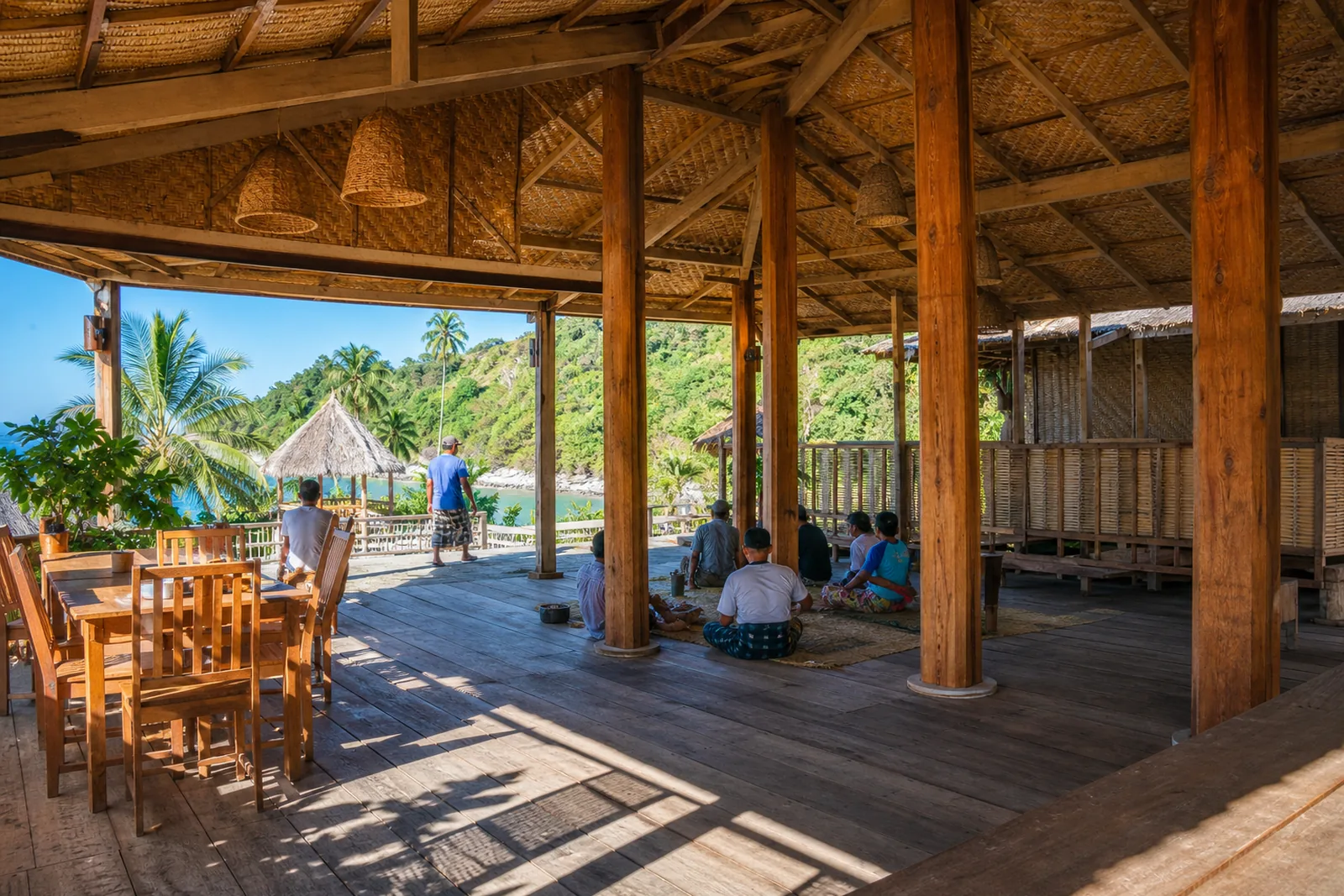
Daily Dispatch: ITDC Positions SADE Social Space in The Mandalika
ITDC says SADE Social Space is a new sport-tourism facility in The Mandalika, linking sport, wellness, hospitality, food and community.
Quick answer: ITDC says SADE Social Space is a newly completed sports facility intended to deepen The Mandalika’s sport-tourism proposition by connecting sport, wellness, hospitality, food and community. For Lombok investors, it is a fresh official signal of destination-building ambition, but not yet evidence of operating performance, visitor demand or investment returns.
The announcement is modest in its confirmed detail but significant in what it chooses to emphasise. InJourney Tourism Development Corporation (ITDC) is presenting SADE Social Space not simply as another place to stay, but as a social layer within The Mandalika’s wider destination proposition: a place where activity, hospitality and community are meant to meet.
The Context
The Mandalika occupies a distinctive position in South Lombok’s investment conversation. It is the special economic zone around the MotoGP circuit, separate from Kuta town, and its appeal has long rested on the possibility that organised destination infrastructure can turn a beautiful coastline into a more durable visitor economy.
In its official Instagram post, ITDC describes SADE Social Space as “a new step” in developing The Mandalika as a world-class sport-tourism destination. The organisation says the project is built around the concept, “Not Just a Stay. A Shared Energy”, and is designed as a space connecting sport, wellness, hospitality, culinary offerings and community.
That phrasing matters. A circuit, a hotel room or a beach each serves a clear function; a social space attempts to knit those functions together. The commercial logic is intuitive, though it remains a proposition rather than a measured outcome. Visitors who can move between exercise, food, wellness and informal gathering may have more reasons to spend time in a destination beyond a single event or a single property.
ITDC also said a thanksgiving event marking completion of the sports facilities was attended by Indonesia’s Vice Minister of Youth and Sports, Vice Minister of Tourism, and the head of the UKP for the development of young people and arts workers. Their presence is an indication of institutional support for the stated ambition to develop The Mandalika as what ITDC calls “The Ultimate Lifestyle Sportstainment Destination”. It should not, however, be read as a guarantee of future visitor volumes, revenues or property returns.
For investors, the distinction is important. Official destination development can improve the setting in which private businesses operate. It cannot by itself establish occupancy, rental income, resale liquidity or the quality of a specific asset. Those remain property-by-property questions.
SADE Social Space and the Destination-Building Test
ITDC’s announcement invites a broader reading of how destinations mature. The early investment narrative for a tourism location often revolves around access, headline attractions and room supply. The more difficult phase is creating enough daily texture that a visitor’s itinerary does not depend on one race weekend, one resort or one beach.
SADE Social Space is being positioned within that second category. According to ITDC, it brings together five strands:
- Sport
- Wellness
- Hospitality
- Culinary activity
- Community
The value of such a mix, if it is executed and used as intended, lies in complementarity. Sport can create routine; wellness can broaden appeal; food can lengthen a visit; hospitality can translate activity into an overnight stay; and community can give the place a recurring social reason to exist. Yet the official post does not state an opening timetable, operating model, capacity, tenant list, visitor numbers, commercial terms or performance targets. Those omissions should define the limits of any investment conclusion today.
ITDC’s confirmed message is about the completion of sports facilities and a destination vision, not a disclosed financial forecast.
This is a useful moment to separate narrative from evidence. The narrative is that The Mandalika is extending its sport-tourism identity into a lifestyle and social-space format. The evidence supplied is that ITDC has announced the completed facility and the support of senior Indonesian public officials at the completion event. Investors should welcome the clarity of the strategic direction while reserving judgment on commercial impact.
The nuance is especially relevant in Lombok, where investors can be tempted to compress several ideas into one claim: public infrastructure, destination promotion, tourist arrivals and rental performance. They are related, but they are not interchangeable. A new facility may improve the destination’s proposition. It does not automatically mean that every nearby plot, villa or hospitality business will benefit equally, or at all.
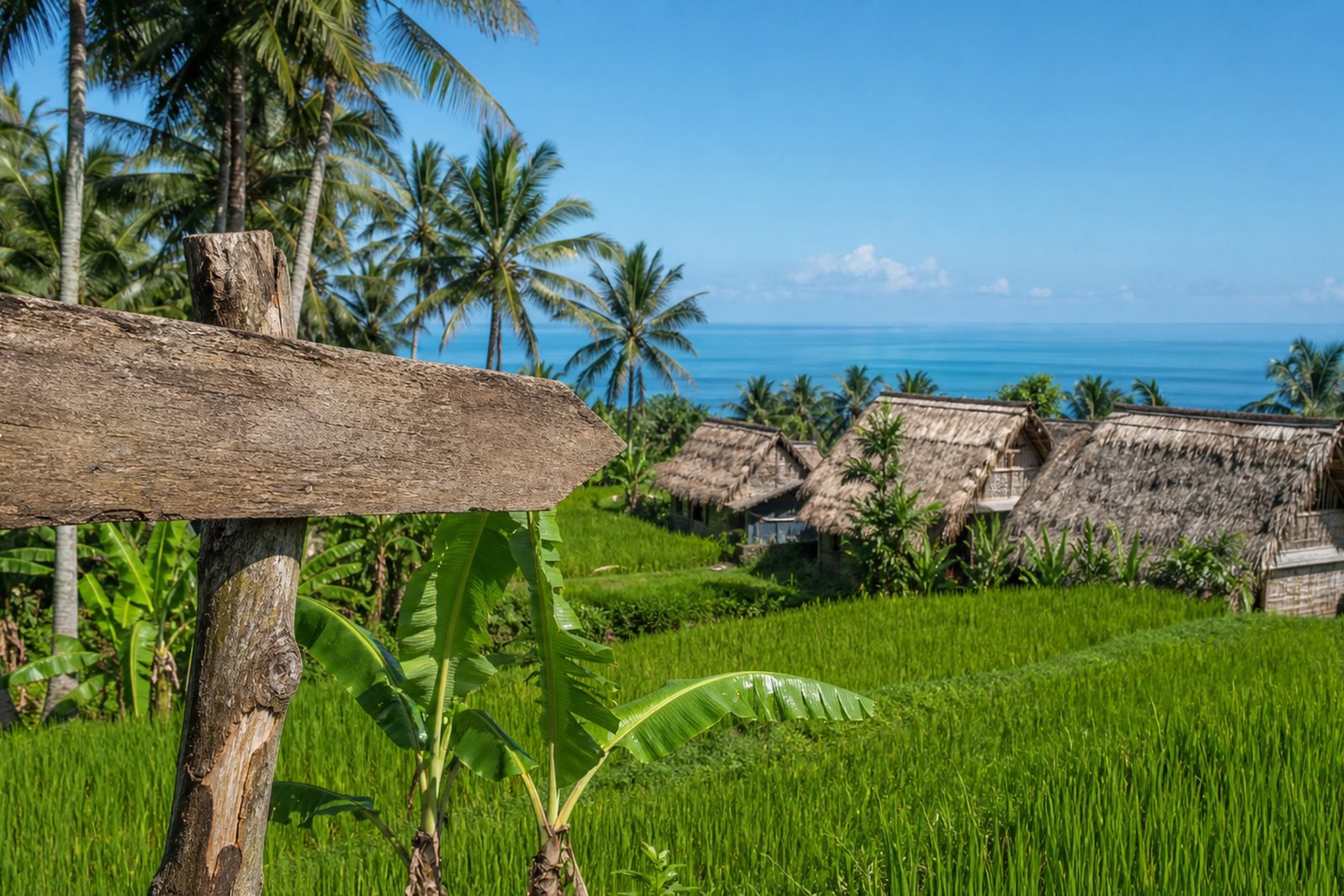 Daily Dispatch · Illustration: HubLombok (AI-generated)
The Mandalika Signal in a Wider South Lombok Market
The verified market picture provides context for why an official announcement from The Mandalika warrants attention. Land in Mandalika is quoted at Rp 100-150M per are, approximately $6,100-9,100 per are. An are is 100 m², the local convention investors should use when comparing land. Those ranges are market context, not a valuation of any parcel affected by SADE Social Space.
The broader South Lombok land spread is about Rp 30-400M per are. Kuta, the town adjacent to Mandalika but a separate place, is the top-priced zone at Rp 300-400M per are. That difference is a reminder that proximity labels can obscure meaningful distinctions in location, access, planning, view corridors, title, road frontage and commercial character.
| Area | Verified land range | Investor reading | |---|---:|---| | Mandalika | Rp 100-150M/are | SEZ around the MotoGP circuit | | Kuta | Rp 300-400M/are | Demand and liquidity leader | | Are Guling | Rp 120-180M/are | Early-cycle frontier |
The table is not a ranking of investment merit. It is a map of different market positions. ITDC’s new announcement is specifically about The Mandalika; it should not be used to make unsupported claims about every part of South Lombok.
What can reasonably be said is that destination infrastructure is part of the investment environment. Sport, wellness and hospitality facilities may contribute to the range of experiences available to visitors and residents. Whether that contribution translates into an investable premium depends on mundane but decisive matters: the facility’s operation, accessibility, programming, maintenance, surrounding supply and the ability of an individual property owner to capture demand.
The investor’s work, therefore, begins where the social post ends. A buyer considering a Mandalika-adjacent asset should ask what exactly is being purchased, what legal route is being used, which infrastructure is complete rather than planned, and what assumptions underpin the projected income.
Foreigners cannot hold freehold, or Hak Milik/SHM; that form is reserved for Indonesian citizens. The recognised routes include leasehold, typically 25-30 years with extensions; Hak Pakai, a personal right-to-use requiring KITAS/KITAP residency; and a PT PMA holding Hak Guna Bangunan, initially 30 years and extendable. Nominee arrangements in which an Indonesian holds freehold “on behalf” of a foreigner are illegal and void in court.
For legal structures, title and transaction diligence, HubLombok’s advisory partner TerraNusa Advisory provides an independent licensed-notary and legal desk for foreign buyers in Lombok. Its stated scope includes checking certificates, ownership history, zoning and encumbrances, along with PT PMA setup, relevant taxes and title transfer at BPN. The point is not to add friction to an attractive destination story; it is to ensure the legal asset matches the commercial thesis.
What This Means for Investors
The immediate implication is strategic rather than financial. ITDC’s SADE Social Space announcement adds a current, official datapoint to the case that The Mandalika is being developed around more than motorsport alone. Its stated focus on sport, wellness, hospitality, culinary activity and community suggests an effort to broaden the destination’s day-to-day appeal.
That may be relevant to investors assessing hospitality, land or lifestyle-led property in the area. But the correct response is disciplined curiosity, not extrapolation. The source does not provide projected footfall, opening dates, revenue, occupancy, visitor spending, construction cost or property-price impact. None should be assumed.
A practical diligence list follows:
- Treat ITDC’s post as confirmation of an announced, completed sports-facility milestone.
- Ask for evidence of actual operation and programming before treating SADE Social Space as a demand driver.
- Compare any nearby asset on its own legal title, access and commercial fundamentals.
- Keep Mandalika distinct from Kuta when assessing land prices and local positioning.
- Stress-test rental assumptions against honest net yields of 7-12% after management fees and realistic occupancy, rather than developer-quoted gross yields of 12-22%.
The final point deserves emphasis. Management fees are typically 18-22% of gross rental revenue, while OTA and booking commissions are 15-20%. These are not arguments against investment; they are the costs that turn a persuasive gross-return story into a more useful net-return analysis.
ITDC has put another piece of its Mandalika destination strategy into public view. Investors should watch for the next evidence: how the space operates, how visitors use it and whether the promised shared energy becomes a recurring part of the local economy. Until then, SADE Social Space is best understood as a credible official signal of intent, important, timely and not yet a substitute for asset-level diligence.
Stay informed, subscribe to the free Lombok Briefing for market intelligence like this, published twice a month.
What is SADE Social Space in The Mandalika?
According to ITDC, SADE Social Space is a newly completed sports-facility development in The Mandalika. ITDC says it is designed to connect sport, wellness, hospitality, culinary activity and community under its “Not Just a Stay. A Shared Energy” concept.
Does ITDC’s announcement prove higher rental returns in Mandalika?
No. ITDC’s post confirms its destination-development intention and the completion of sports facilities, but it does not disclose visitor numbers, occupancy, revenue or property-return forecasts. Investors should assess each asset independently and distinguish gross yield claims from honest net rental yield.
What land-price context applies to Mandalika?
Verified market context places Mandalika land at **Rp 100-150M per are**, approximately **$6,100-9,100 per are**. These are area-level ranges, not a valuation of a specific plot; title, access, zoning and exact location remain essential diligence points.
The Lombok Buyer's Field Guide
Legal structures ranked by risk, the honest ROI math line by line, all six zones ranked, and the 24-point due-diligence checklist. The whole book, free in your inbox.
See what's inside