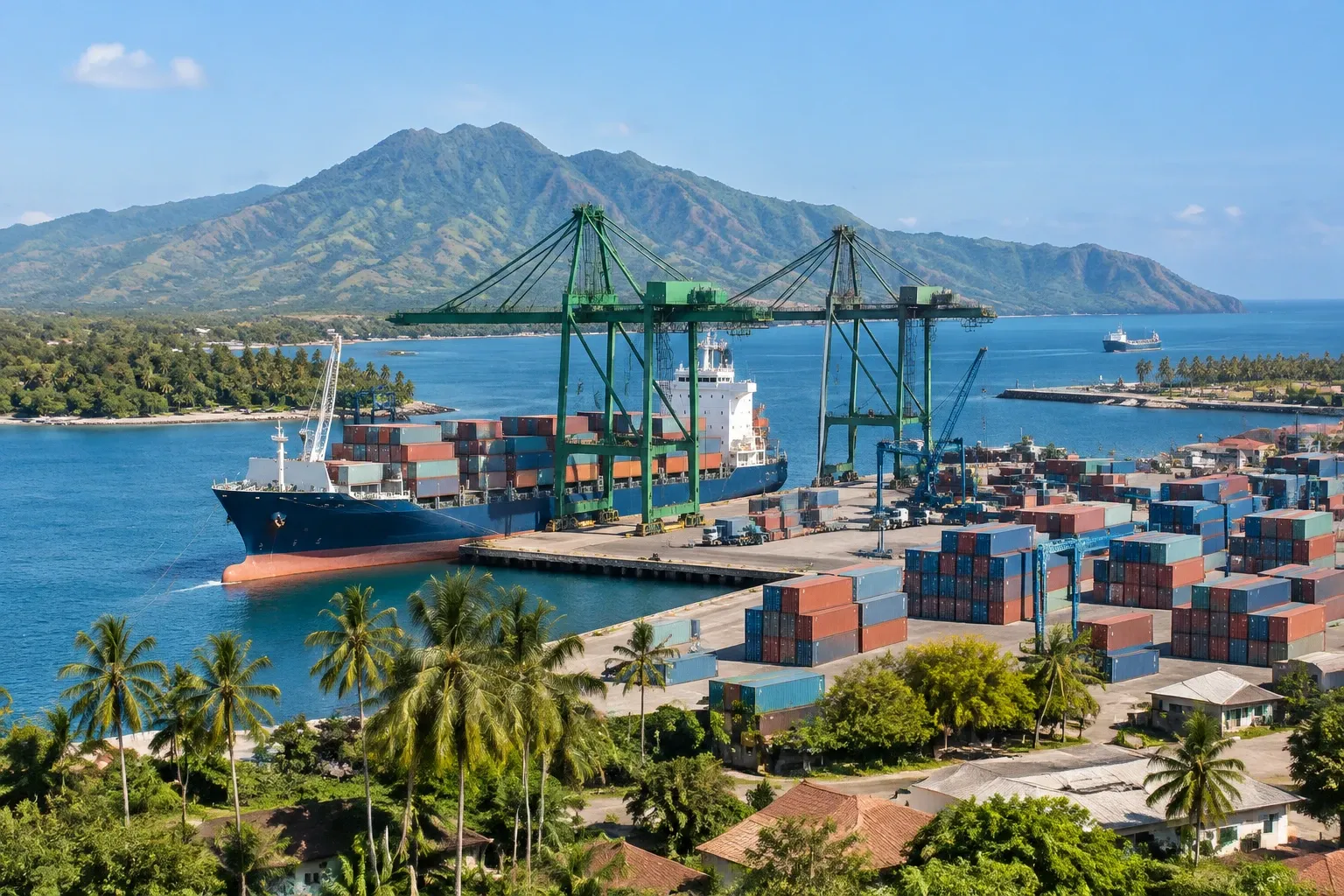
Indonesia and China Advance CEPA Talks: What APEC Means for Lombok
Prabowo and Xi Jinping prepare bilateral trade talks at APEC Shenzhen. We examine the macroeconomic implications for Indonesian infrastructure and South Lombok property.
Quick answer: Indonesian President Prabowo Subianto and Chinese President Xi Jinping will initiate talks on a Comprehensive Economic Partnership Agreement (CEPA) at the APEC summit in Shenzhen. For Lombok investors, formalised bilateral ties signal accelerated cross-border capital, resilient infrastructure funding, and sustained tourism demand across emerging Indonesian destination markets.
Diplomatic summits frequently produce broad rhetoric, yet the impending meeting between President Prabowo Subianto and President Xi Jinping in Shenzhen represents a structural pivot for Southeast Asian capital flows. As the two heads of state prepare to initiate formal negotiations for a bilateral Comprehensive Economic Partnership Agreement (CEPA), institutional and private investors must look past the diplomatic protocol. The resulting trade and investment architecture will directly influence infrastructure execution, foreign direct investment, and hospitality yields across Indonesia, including the expanding corridor of South Lombok.
The Context
Confirmation of the bilateral agenda came directly from Santo Darmosumarto, Director General for Asia-Pacific and African Affairs at Indonesia's Ministry of Foreign Affairs. Addressing a media briefing in Jakarta, Darmosumarto stated that a central objective of the Shenzhen talks is reaching an agreement to formally launch negotiations on a bilateral CEPA. The initiative reflects an explicit joint commitment to elevate bilateral economic cooperation to a higher operational tier.
The timing is significant. President Prabowo's official programme in Shenzhen centres on the APEC Economic Leaders' Meeting on 19 November, preceded by an address to the APEC CEO Summit on 18 November focused on public-private collaboration for sustainable growth. Although a congested summit schedule limits formal bilateral sessions with other delegations, prompting reliance on informal pull-aside discussions, the dedicated bilateral meeting with President Xi underscores the primary priority Indonesia attaches to its economic partnership with China.
"One of the points to be discussed concerns an agreement to begin talks on the establishment of a CEPA," noted Santo Darmosumarto, confirming that both administrations intend to elevate bilateral economic engagement to a strategic footing.
For international property investors, macroeconomic treaties of this magnitude establish the foundational liquidity upon which regional real estate cycles depend. Bilateral trade between Indonesia and China already constitutes the backbone of regional manufacturing and commodity exchange. A formal CEPA framework broadens this engagement into cross-border services, institutional investment security, and integrated infrastructure financing.
Trade Architecture and Regional Capital Flows
A CEPA differs fundamentally from standard preferential trade pacts. Rather than merely adjusting import duties, it establishes binding frameworks governing institutional capital mobility, dispute settlement, intellectual property, and service-sector market access. Historically, comprehensive partnership frameworks between Asian powers and Jakarta have preceded capital waves into sovereign infrastructure projects, domestic transport networks, and secondary tourism regions.
Over the past decade, Chinese capital has concentrated predominantly in industrial infrastructure, smelting, and domestic rail corridors on Java. The prospective CEPA talks coincide with a strategic pivot by the Indonesian government to disperse foreign capital beyond Java and Bali. Indonesia's economic planners recognise that sustained gross domestic product expansion requires decentralised growth hubs. The Lesser Sunda islands, anchored by Lombok, sit squarely within this strategic regional remit.
Consider the direct macroeconomic mechanisms connecting national trade treaties to provincial asset values:
- Sovereign capital commitments: Institutional investment pacts reduce sovereign risk premiums, lowering borrowing costs for major regional transport links and utilities.
- Bilateral air connectivity: Service-sector chapters within economic partnership agreements facilitate expanded civil aviation rights, unlocking secondary international airports to direct flights.
- Supply-chain efficiency: Lowering tariffs on construction technologies, renewable energy equipment, and specialised materials moderates development costs for hospitality operators.
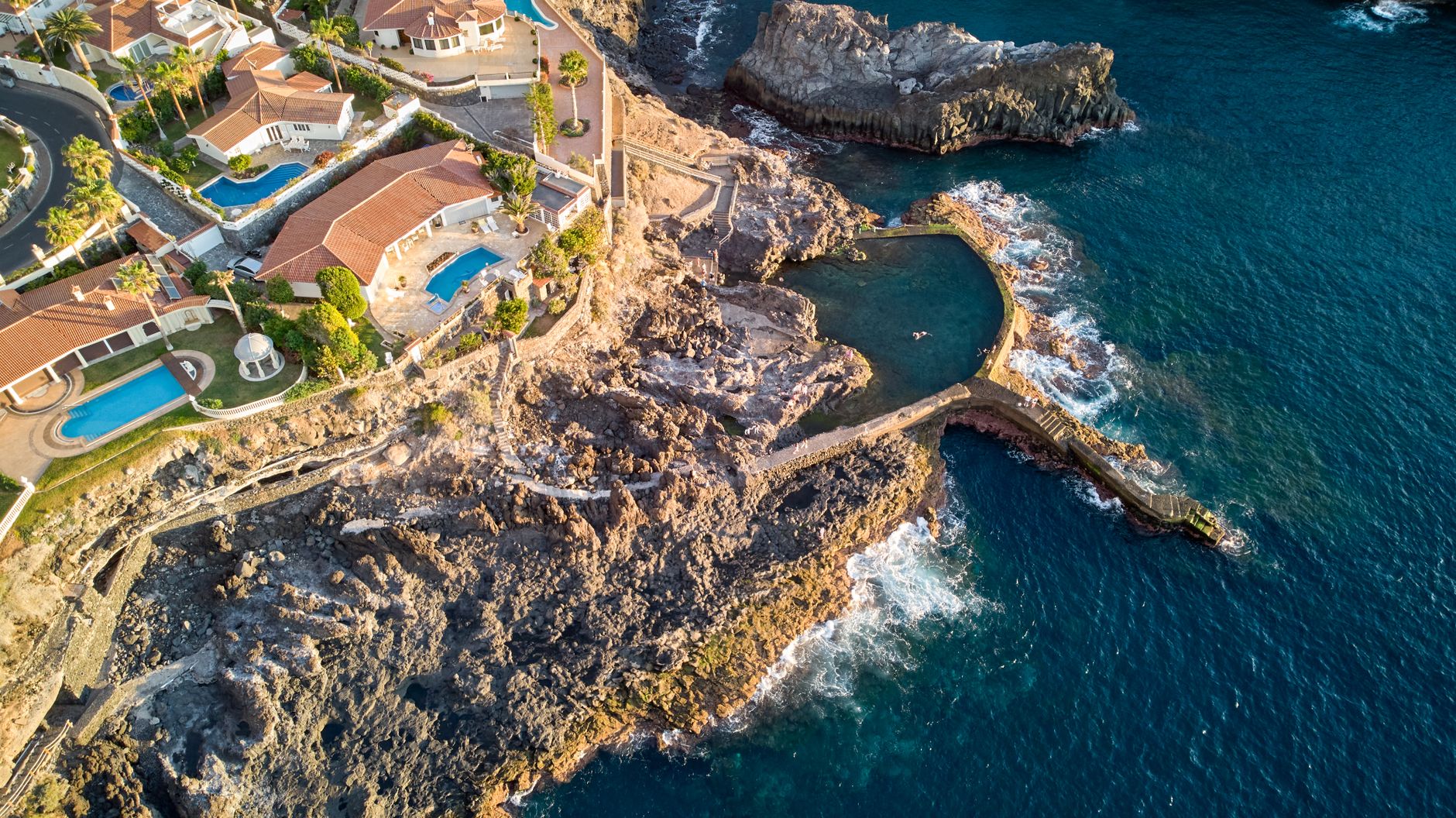 Indonesia and China Advance CEPA Talks · Photo by Valentine Kulikov on Pexels
Tourism, Infrastructure and Bilateral Synergies
To understand why a bilateral dispatch from Shenzhen matters to real estate investors in the Indian Ocean, one must analyse arrival dynamics and infrastructure delivery. Foreign arrivals across Indonesia have registered an annual expansion of +40-50% YoY, propelled by broad post-pandemic tourism recovery and high-profile sporting events such as the Mandalika MotoGP.
As congestion and escalating asset valuations compress margins in Bali, international capital is actively seeking early-cycle alternatives. South Lombok has emerged as the premier beneficiary of this redistribution. The regional real estate landscape demonstrates structural growth across distinct micro-markets:
| Zone | Land Price Range (per are) | Approx. USD / are | Market Phase | | :--- | :--- | :--- | :--- | | Kuta | Rp 300-400M | ~$18,200-24,200 | Commercial centre, liquidity leader | | Selong Belanak | Rp 150-250M | ~$9,100-15,200 | Family tourism, prime capital appreciation | | Mandalika | Rp 100-150M | ~$6,100-9,100 | Special Economic Zone, circuit precinct | | Mawun | Rp 50-80M | ~$3,000-4,800 | Protected natural bay, emerging assets | | Bumbang | Rp 30-50M | ~$1,800-3,000 | Early frontier, lowest initial entry |
Land in South Lombok's prime commercial zone of Kuta trades at Rp 300-400M per are, representing roughly USD 90-240 per square metre across prime tourist-zoned parcels, measured at prevailing rates of ~Rp 16,500/USD. In stark contrast, comparable prime coastal plots in Bali trade between USD 200-500 per square metre. This price discrepancy forms the core of the regional investment thesis.
Moreover, a deeper China-Indonesia economic pact supports long-term commercial aviation corridors connecting Chinese Tier-1 departures directly to Lombok International Airport (BIL). Enhanced direct access avoids the traditional transfer bottlenecks through Bali or Jakarta, catalysing premium leisure demand.
What This Means for Investors
For private investors deploying capital into Indonesian real estate, structural clarity at the sovereign level provides three distinct advantages:
First, foreign direct investment protections standardise corporate operations. Foreign investors purchasing property in Indonesia cannot hold freehold (Hak Milik), which is constitutionally reserved for Indonesian citizens. Instead, international capital operates through legitimate, legally protected vehicles: leasehold (Hak Sewa, typically 25-30 years with contractual extensions), Hak Pakai (right-to-use for qualifying residents), or a foreign-owned corporate entity (PT PMA) holding a Hak Guna Bangunan (HGB) title for 30 years with statutory extensions. Nominee arrangements remain strictly illegal and unenforceable in court. Deeper economic integration elevates regulatory transparency across notarial deeds (executed by a licensed PPAT) and title registration with the national land agency (BPN).
Second, operational cash yields remain resilient against regional inflation. Honest net rental yields in South Lombok operate within a disciplined 7-12% band following deductions for professional management fees (18-22% of gross revenue) and booking channel commissions (15-20%). Stabilised year-round occupancy settles realistically between 55-70%, compared to Bali's more mature 70-85%. While developer marketing literature frequently quotes gross yields of 12-22%, institutional analysts price acquisitions on net performance. In rare, exceptionally positioned assets, net returns may reach ~15% net, but this stands strictly as an outlier rather than an operational standard.
Third, initial capital expenditure remains compelling. Turnkey investment-grade villas in South Lombok command entry valuations of EUR 95,000-350,000, whereas an equivalent luxury specification in southern Bali commands USD 400,000-800,000. With Kuta villa rates appreciating at approximately +38% YoY, investors entering early-stage infrastructure cycles capture both capital upside and operational yields.
Diplomatic negotiations in Shenzhen will not transform land titles overnight. However, the formal initiation of a CEPA establishes institutional predictability between Asia's largest economy and Southeast Asia's primary growth engine. For property investors monitoring Indonesia, sovereign alignment confirms that the macro framework supporting infrastructure, travel connectivity, and regional hospitality expansion remains exceptionally robust.
Stay informed: subscribe to the free Lombok Briefing, published twice a month (the 1st and 15th), for market intelligence like this.
How does the Indonesia-China CEPA impact real estate in Lombok?
A bilateral CEPA deepens institutional capital flows, accelerates transport infrastructure financing, and facilitates direct commercial air links, bolstering international tourism and long-term occupancy across South Lombok.
Can foreign nationals legally acquire property in Lombok under Indonesian law?
Foreigners cannot hold freehold (Hak Milik). Compliant acquisition routes include long-term leasehold (Hak Sewa), personal Hak Pakai, or establishing a foreign investment company (PT PMA) holding a Hak Guna Bangunan (HGB) title.
What net rental yields can property investors realistically achieve in South Lombok?
Realistic net yields range between 7% and 12% after accounting for management fees (18-22%) and booking commissions. Top-performing assets occasionally reach ~15% net, though 7-12% represents the honest baseline.

The Lombok Buyer's Field Guide
Legal structures ranked by risk, the honest ROI math line by line, all six zones ranked, and the 24-point due-diligence checklist. The whole book, free in your inbox.
See what's inside