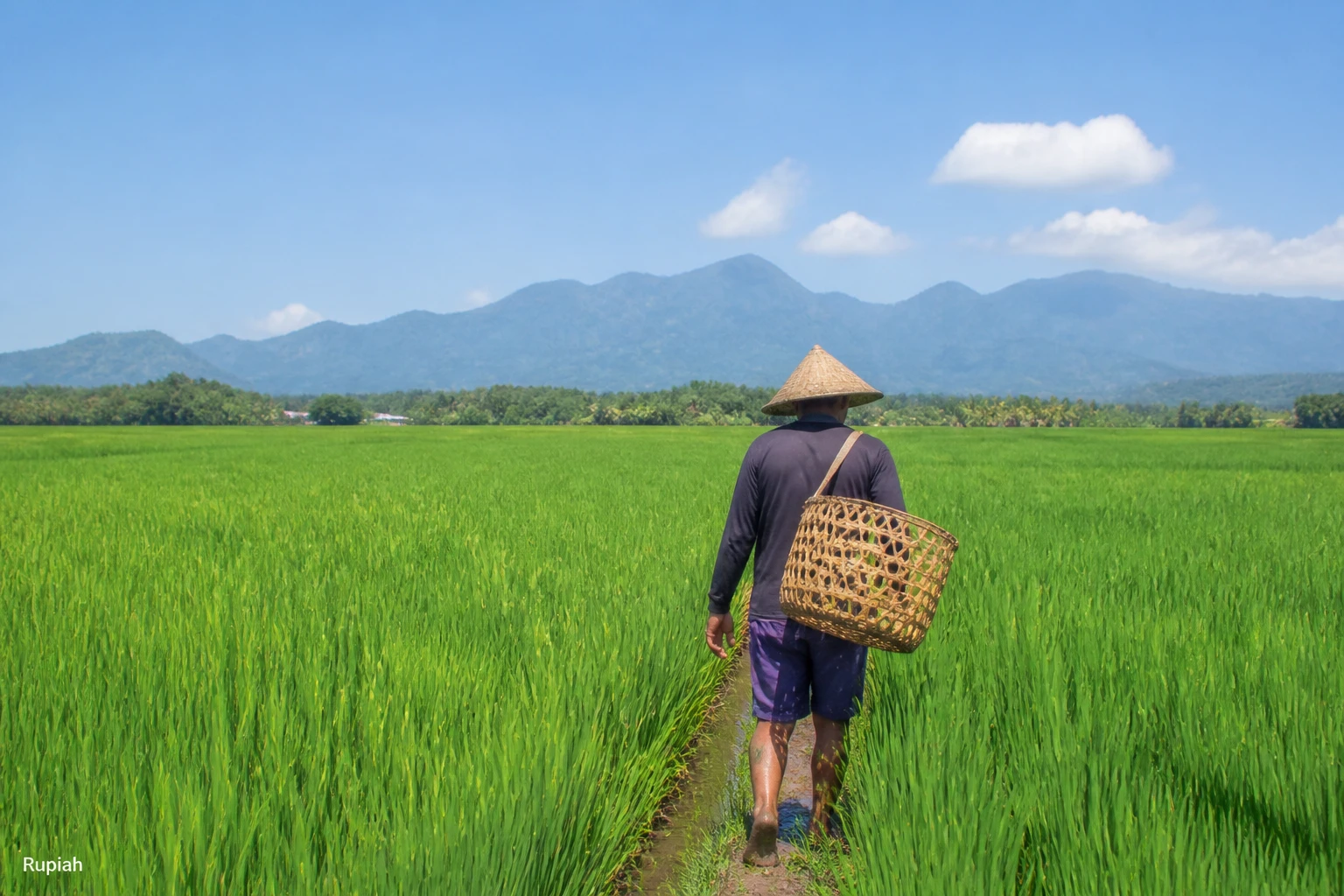
Indonesia's Food Revolution Signals Macro Tailwind for Lombok Investors
President Prabowo's food-export strategy strengthens rupiah stability and regional development. For Lombok property investors, this macro backdrop improves fundamentals and currency hedges as the isla
Quick answer: Indonesia's agricultural modernization programmes strengthen the rupiah and regional wealth distribution. For Lombok investors, this macro stability underpins turnkey villa returns (7-12% net), improves currency hedges, and signals spillover demand from rising regional incomes and Bali-overflow tourism. Entry remains €95-350K depending on zone.
President Prabowo's agricultural modernization agenda is positioning Indonesia as a formidable global food supplier, with rice yields climbing through mechanization, certified seeds, and modern supply chains. For offshore property investors in Lombok, this macro narrative is strategically significant but often overlooked: when nations invest in agricultural modernization and export infrastructure, the economic tailwinds ripple far beyond farmland. Stronger agricultural output generates hard-currency export revenue, supports the rupiah, and funds the regional development spending that underpins tourism and real estate demand across the outer islands. Lombok sits directly in the path of this wealth spillover.
The Context
Indonesia's pivot to food-export leadership reflects a converging geopolitical and economic logic. Global food supply remains fragile: climate volatility, supply-chain dependencies, and rising populations create structural demand for reliable grain producers. Nations that modernize their agricultural sectors secure both forex stability and geopolitical credibility. Prabowo's stated strategy targets precisely this: lifting rice productivity through mechanization, upgrading farming inputs, and building export-grade processing and logistics.
The numbers matter. Indonesia is the world's largest rice consumer domestically (over 140 million tonnes annually) and a net importer in most years. Closing the import-export gap through productivity gains means billions in annual forex savings or export revenue. For the investor, this signals macro resilience: when a nation's export capacity improves, its currency tends to strengthen, its development capacity improves, and investor confidence rises.
Regional Spillover: Why Lombok Benefits
Agribusiness wealth in Java and Central Sulawesi does not stay compartmentalised. Rising rural incomes, improved logistics, and export-driven forex inflows feed regional banks, construction projects, and discretionary consumer spending. Outer islands like Lombok sit at the economic frontier of this spillover. Better port infrastructure, faster inter-island transport, and more domestic tourists with rising purchasing power follow agribusiness booms.
Simultaneously, Bali's trajectory accelerates the effect. Land prices in Bali have inflated 80-150% over the past five years; congestion and permitting delays push luxury tourism and property investors eastward. South Lombok is earlier in its property cycle, dramatically cheaper, and positioned for MotoGP-driven tourism momentum; it captures both macro tailwinds. Kuta's villa rates have risen approximately 38% year-over-year; Are Guling (where development intensity remains moderate) has climbed 47% annually. These zone-level gains correlate directly with macro confidence and regional wealth distribution.
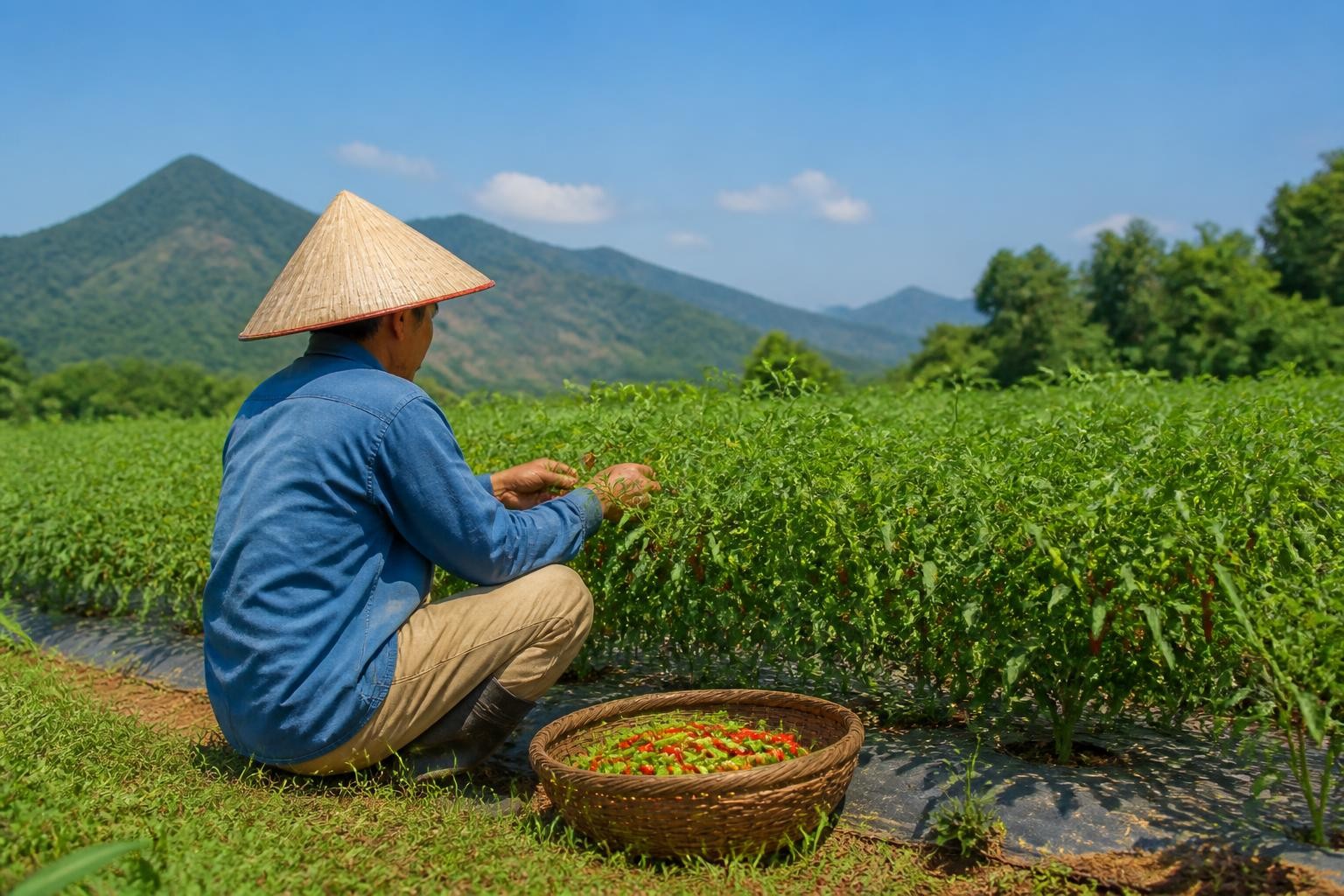 Indonesia's Food Revolution Signals Macro Tailwind for Lombok Investors · Illustration: HubLombok (AI-generated)
Forex Stability and Investor Confidence
The rupiah's trajectory matters materially to property investors deploying offshore capital. A credible macroeconomic story (agricultural exports, manufacturing growth, energy security) anchors forex reserves and currency stability. When Indonesia's trade narrative strengthens, the rupiah tends to hold value against USD, EUR and GBP. For the European, Australian or American buyer purchasing a rupiah-denominated asset (land, villa development), this is a crucial hedge.
Consider the mechanics: You invest €250,000 in a turnkey villa in Are Guling, denominated in rupiah at approximately Rp 16,500 per euro. If the rupiah weakens against the euro over your hold period, your asset's euro-equivalent shrinks, even if the property appreciates in rupiah terms. Conversely, if macro fundamentals improve and the rupiah strengthens, your asset gains in dual directions: local appreciation plus foreign-exchange tailwind. Prabowo's agriculture play, paired with rising tourism arrivals (40-50% year-over-year in Lombok), infrastructure investment, and regional development, reinforces rupiah support. Long-term property investors benefit directly.
What This Means for Investors
South Lombok's investment proposition rests on three structural pillars: forex stability, tourism demand, and regional development. Prabowo's agricultural modernization strengthens all three simultaneously. The entry-price architecture remains compelling: turnkey investment-grade villas range from €95,000 (emerging Bumbang and Mawun zones) to €350,000 (prime Kuta and Mandalika). Most investors target net yields of 7-12% after occupancy assumptions (55-70% realistic stabilised occupancy by years 1-3) and management fees (18-22% of gross rental revenue).
For context: Bali's comparable properties at equivalent vintage command USD 400,000-800,000 with similar or lower net yields. Lombok offers 40-60% cost savings and comparable or superior yields. This spread exists not because Lombok is cheap or risky, but because it is earlier in its property cycle; macro confidence is accelerating that cycle.
Buyers pursuing structured entry (leasehold via Hak Sewa, typically 25-30 years with renewal options; or PT PMA company structures for off-plan development villas) should factor improved macro conditions into due diligence. A strengthening Indonesian economy means lower refinancing risk, higher tourism demand, and better currency conditions for eventual capital repatriation. Prabowo's credibility on agriculture and food exports is higher than on manufacturing or services; investors should weight this shift accordingly when timing entry.
The window for property acquisition at current prices remains open, but the macro narrative has shifted. When nations invest credibly in export infrastructure and commodity modernization, offshore capital follows. Lombok's combination of macro tailwind and lifestyle demand (low entry price, high yield, MotoGP tourism spike, Bali overflow) creates a rare convergence of thesis, timing, and valuation.
Indonesia's agricultural modernization is not simply geopolitics: it is portfolio engineering for the disciplined Lombok investor. Nations that export credibly attract forex, regional wealth, and infrastructure investment. Properties sitting at the intersection of macro growth and lifestyle demand, precisely Lombok's positioning, tend to outperform over multi-year horizons. For investors with a 5-10 year thesis, this macro backdrop improves your expected returns and reduces currency risk.
Stay informed, subscribe to the free Lombok Briefing for market intelligence like this, published twice a month.
Does Indonesia's farm productivity really affect Lombok property returns?
Yes. Agricultural export strength feeds forex reserves, stabilises the rupiah, and enables regional infrastructure investment. Stronger macro environment yields higher tourism demand, better occupancy rates, and foreign-exchange tailwinds for investors holding rupiah assets over 5-10 years.
Is now a good time to buy Lombok property if macro is improving?
Yes. Political credibility on agriculture, 40-50% YoY tourism growth, rising regional wealth, and offshore capital entry converging. Macro tailwinds typically precede property-price appreciation. Current entry prices (€95-350K) offer attractive valuation for long-term investors.
How does rupiah strength affect my property investment?
Directly. If you buy at Rp 16,500 per euro and the rupiah strengthens, your asset appreciates in euro terms on exit, even if local prices stagnate. Agricultural exports strengthen the rupiah long-term, creating a natural currency hedge for foreign investors.
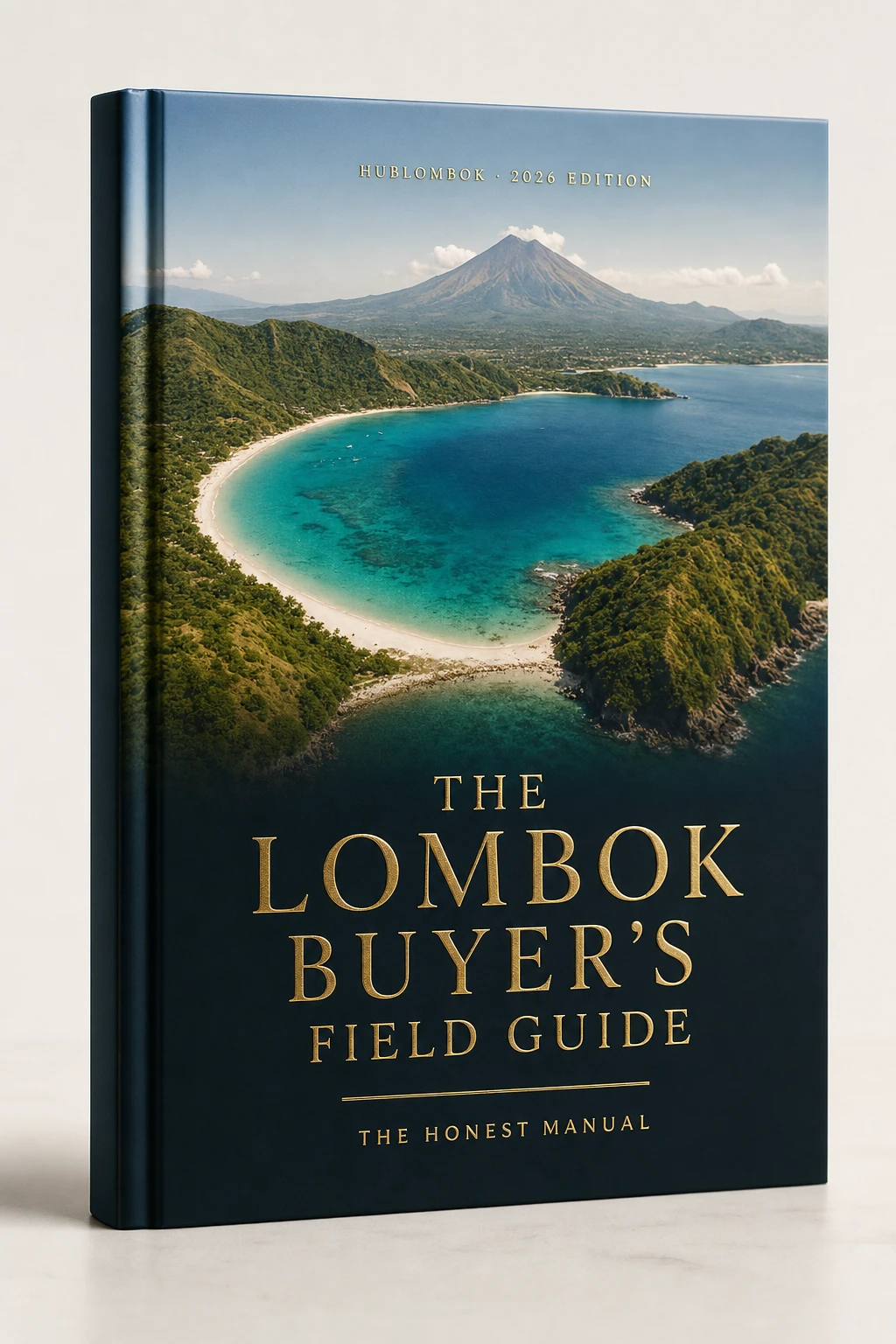
The Lombok Buyer's Field Guide
Legal structures ranked by risk, the honest ROI math line by line, all six zones ranked, and the 24-point due-diligence checklist. The whole book, free in your inbox.
See what's inside