Government Bond Blitz: Indonesia's Aggressive Rupiah Defense and Lombok Property Timing
Indonesia escalates bond market intervention to stabilize rupiah. For Lombok property investors, this signals the currency window is closing and entry timing is now critical.
The Indonesian government is stepping up intervention in the bond market to stabilize the rupiah, signaling a more aggressive stance than previously expected. For Lombok property investors, this shift matters: bond market intervention typically precedes currency stabilization, and stabilization unlocks buyer confidence. The window to deploy capital at current rupiah rates may be narrower than it appears.
The Context
Indonesia's bond market intervention strategy targets the yield curve, specifically, the government is using open market operations to manage long-term interest rates and reduce the rupiah depreciation premium that's been embedded in government bond yields. When foreign investors demand higher yields on Indonesian rupiah bonds, it signals they're pricing in expected rupiah weakness. By intervening to cap these yields, the government is essentially saying: we don't expect rupiah weakness to persist.
The mechanism works like this:
- Yield curve steepness reflects expectations about currency movement. When long-term yields spike relative to short-term rates, it signals traders expect rupiah depreciation.
- Government bond purchases directly suppress yields by increasing demand, reducing the premium required to compensate for currency risk.
- Signaling effect is often more powerful than mechanical impact: aggressive intervention tells markets, we're committed to defending the rupiah at current levels.
This is notably different from the Bank Indonesia interest rate moves discussed last month. While BI's rate hikes work through the monetary policy transmission mechanism (making rupiah assets more attractive), government bond intervention is more direct and tactical. It says: stabilization is happening now, not eventually.
Bond Intervention vs. Passive Rate Hikes: Why the Shift Matters
Indonesia's decision to escalate bond market intervention (rather than rely solely on BI rate moves) signals two important things:
First, BI rate policy alone wasn't containing rupiah pressure. If rate hikes were sufficient, the government wouldn't need to step into bond markets. The fact that intervention is being deployed suggests rupiah weakness was persisting despite already-hawkish BI guidance. This indicates underlying capital outflow pressures are substantial and require more aggressive action.
Second, the government is willing to be more proactive and visible. Bond market intervention is more costly (in terms of government balance sheet impact) and more politically fraught than rate hikes. Deploying it signals urgency, but also commitment. It tells foreign investors: we will defend this level, and we're putting our balance sheet where our mouth is.
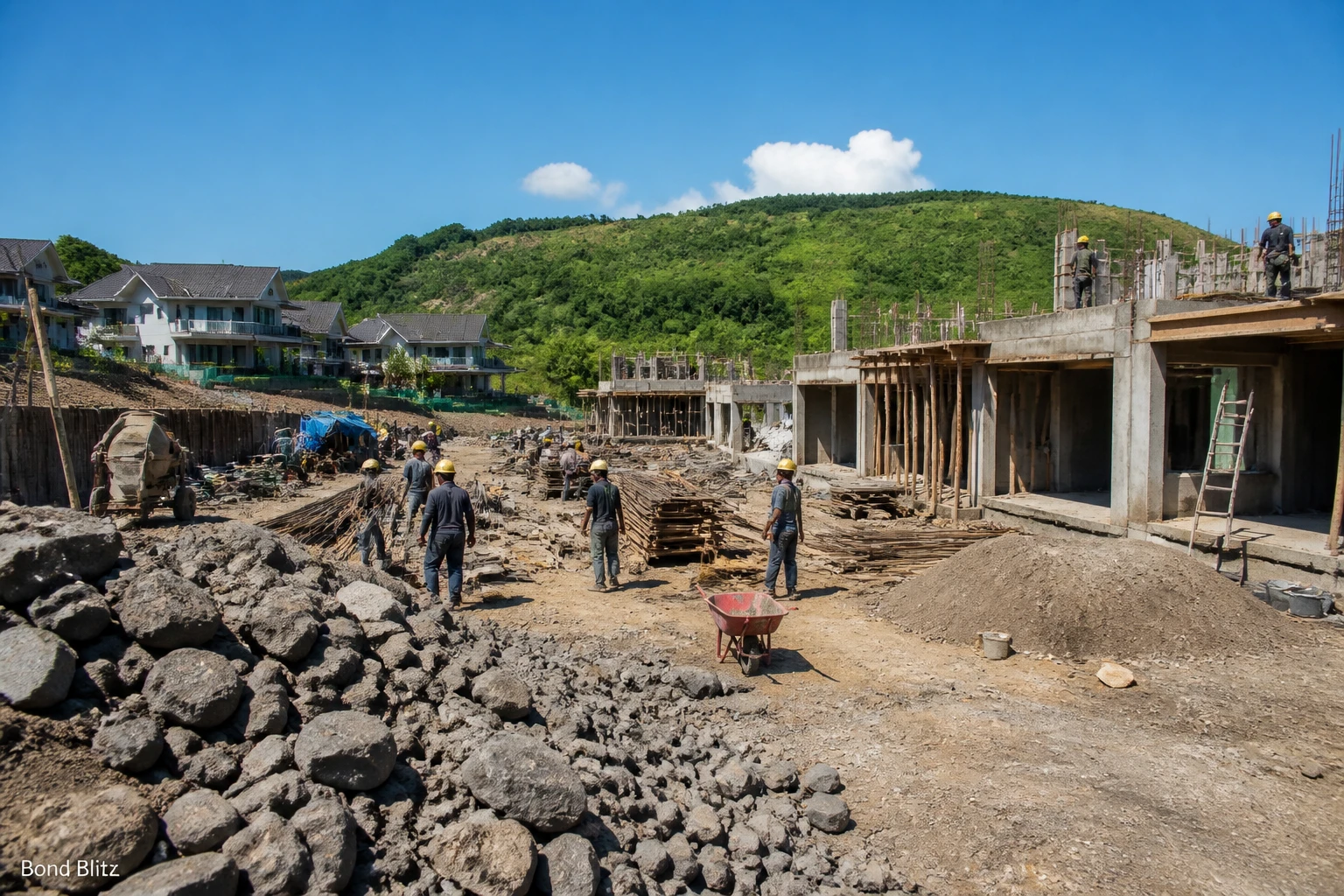
 Government Bond Blitz · Photo by Defrino Maasy on Pexels
This distinction matters for property investors because it changes the timeline of stabilization. Rate hikes work gradually through the economy; bond intervention is immediate and mechanical. If government intervention succeeds in capping rupiah depreciation within weeks (rather than months), the entry window for foreign buyers narrows quickly. Those waiting for "clearer currency signals" may find the signal moving against them as stabilization accelerates.
Compare the strategic profiles:
| Strategy | Speed | Visibility | Cost | Signal | |---|---|---|---|---| | Rate hikes | Slow (6-12 mo) | Low | Low | Gradual confidence | | Bond intervention | Fast (4-8 wks) | High | High | Urgent commitment |
Indonesia appears to be choosing speed and visible commitment over gradualism, a shift that typically precedes rapid currency stabilization.
Lombok Property Timing: The Stabilization Window Is Closing
Here's why this matters specifically for Lombok. The island's property market has benefited from rupiah volatility in one narrow way: weak rupiah = lower entry cost for foreign buyers with hard-currency savings. A South Lombok property priced at IDR 4.4 billion costs roughly €266K at an IDR/EUR rate of 16,500, but only €238K if the rate weakens to 18,500. That's a €28K difference on the same asset.
However, this apparent benefit is offset by uncertainty. Most foreign buyers hesitate during currency turbulence. They wait for "clarity" before committing capital. The longer rupiah weakness persists unaddressed, the more buyer confidence erodes, sales velocity slows, and speculative risk clouds fundamentals.
Government bond intervention changes this dynamic fundamentally. Successful intervention means:
- Rupiah stabilizes within weeks (not months)
- Buyer confidence returns quickly (currency risk premium disappears)
- Entry costs crystallize at current levels (no more downside surprises)
- Sales velocity increases (pent-up buyer demand unlocks)
- Total returns = rental yield + currency tailwind
For investors, this creates a time-sensitive opportunity window. The optimal entry point is often just before currency stabilization becomes obvious, when sentiment is still pessimistic but policy has actually shifted. Right now, we're in that window: BI was already hawkish, but government-level bond intervention signals commitment beyond words.
The numbers illustrate the leverage:
- South Lombok entry range: €95K (budget) to €350K (luxury) depending on location and finish
- Typical yields: 12-22% annual rental income
- Entry at current IDR/EUR rates: Buy now at stabilizing rates, collect rupiah yield, exit when rupiah strengthens
If rupiah stabilizes within 8 weeks and appreciates by 5% (IDR 16,500 → 15,700 per EUR), that's not just currency gain, it's layered on top of your 12-22% rental yield. A €250K entry generating €30K annual yield suddenly looks like a strong total return when combined with currency tailwind. MotoGP arrivals (+47%), airport expansion (2025-26), and tourism growth (+40-50% YoY) provide the fundamental income; bond intervention stabilizes the currency that determines your exit optionality.
What This Means for Investors
Timing is now critical. Bond market intervention typically succeeds or fails within 4-12 weeks. If it succeeds, rupiah stabilizes and buyer confidence returns, making current pricing a retrospective bargain. If it fails, central bank credibility erodes and you face a prolonged period of uncertainty. But the government signaling suggests confidence: they wouldn't escalate intervention using fiscal resources unless they believed it would work.
For new buyers: The window to capture current rupiah-adjusted pricing while buying with confidence in near-term stabilization is now. Waiting another month risks either missing the stabilization window (paying more euros/dollars for the same property) or watching stabilization happen and wondering why you hesitated when the pricing was more favorable.
For existing Lombok investors: Bond intervention success de-risks your position. If stabilization happens, your rupiah-denominated yield becomes more predictable in hard-currency terms, and your exit optionality improves. The government's escalation suggests exits 12+ months out will likely occur at stronger rupiah rates, improving your total returns.
For portfolio allocators: Lombok's combination of 12-22% yields + imminent currency stabilization + tourism/MotoGP/airport tailwinds represents a compressed risk-reward window. Bond intervention closing the currency volatility window increases the attractiveness of entry now, while policy transition risk is still being priced into valuations.
The Indonesian government's decision to step up bond market intervention is not subtle. It says: we're fixing this, and we're fixing it now. For Lombok property investors, that means the period of rupiah uncertainty is likely closing. The question is whether you'll be positioned to capture both the yield and the currency stabilization premium, or watching from the sidelines wondering why you waited.
Stay informed, subscribe to the free Lombok Briefing for market intelligence like this, published twice a month.
How does government bond intervention differ from interest rate hikes for stabilizing the rupiah?
Government bond intervention is faster and more direct than rate hikes. BI rate hikes work through the monetary policy transmission mechanism and take 6 to 12 months to take effect. Bond market purchases suppress yields within 4 to 8 weeks by increasing demand and reducing the currency risk premium. The government also absorbs a direct balance sheet cost, signalling a stronger and more urgent commitment to defending the rupiah.
How much can rupiah volatility affect the purchase price of a Lombok property for a foreign buyer?
The difference can be substantial. A South Lombok property priced at IDR 4.4 billion costs roughly €266,000 at an IDR/EUR rate of 16,500, but drops to around €238,000 if the rate weakens to 18,500. That is a €28,000 difference on the same asset, created purely by exchange rate movement, before any rental income is factored in.
What investment returns can a foreign buyer realistically target in South Lombok right now?
South Lombok entry prices range from €95,000 for budget properties to €350,000 for luxury, with typical annual rental yields of 12 to 22 percent. If the rupiah stabilises and appreciates by 5 percent, moving from IDR 16,500 to 15,700 per euro, that currency gain layers directly on top of rental income. A €250,000 entry generating €30,000 in annual yield would benefit from both simultaneously.

The Lombok Buyer's Field Guide
Legal structures ranked by risk, the honest ROI math line by line, all six zones ranked, and the 24-point due-diligence checklist. The whole book, free in your inbox.
See what's inside