New Bali-Lombok Fast Boat Route: What Improved Connectivity Means for Property Investors
Direct boat routes between Bali and Lombok are accelerating tourism flow and creating new opportunities for property investors in Senggigi and beyond. Here's how infrastructure drives returns.
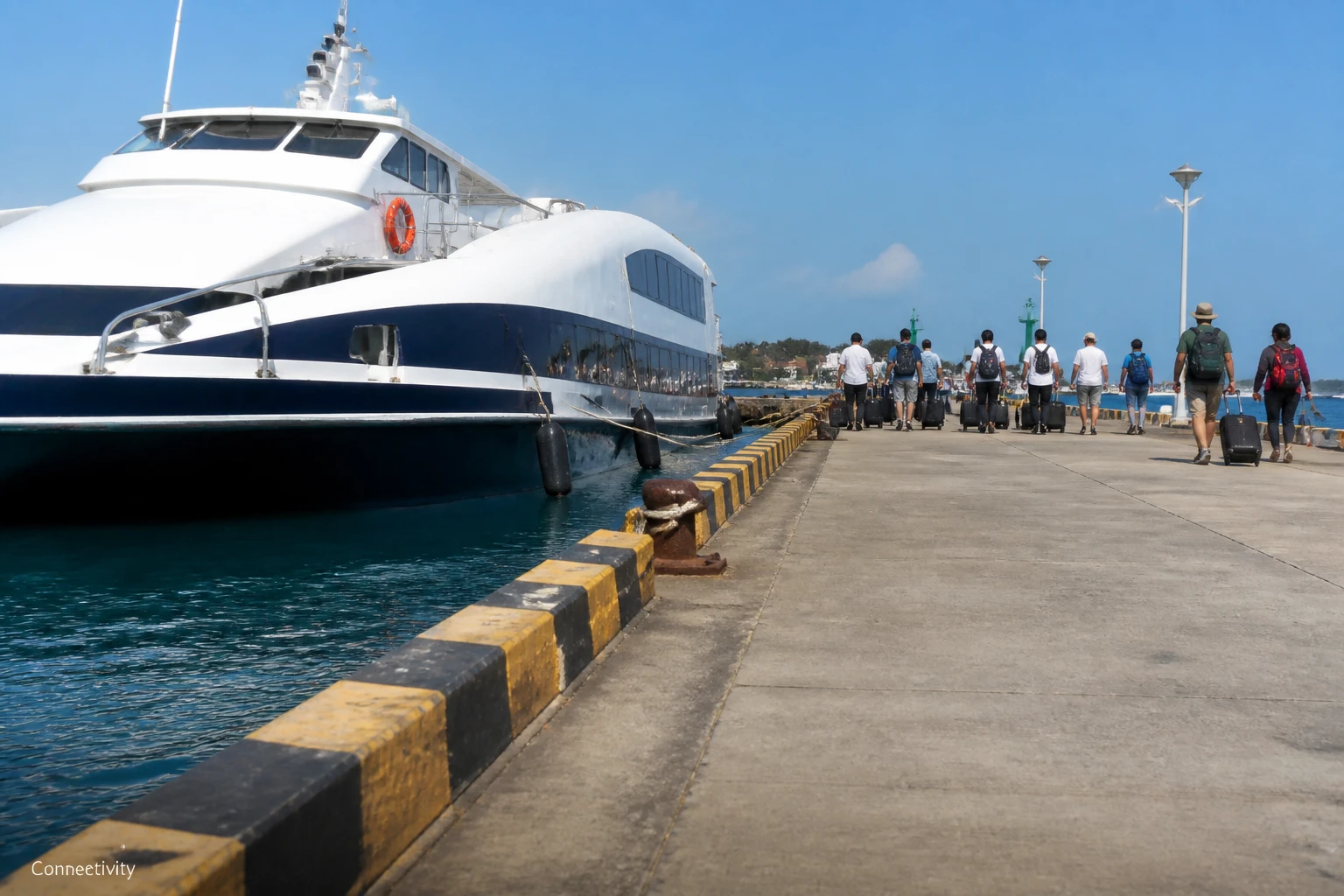
Connectivity is the oxygen of destination development. This week, Lombok took a significant step forward with the opening of a new direct fast boat route connecting Bali's Padangbai Port to Senggigi Harbour in North Lombok. For property investors monitoring the island's transformation, this infrastructure improvement signals something critical: the conditions that drive occupancy rates and rental yields are strengthening.
Lombok's tourism sector is already growing 40-50% year-on-year, capitalising on the "Bali overflow" effect as visitors seek alternatives to overcrowded beaches and saturated accommodation. With entry-level property prices ranging from €95,000 to €350,000 and yields hovering between 12-22%, the island has become increasingly attractive to international investors. Improved transport infrastructure between Bali and Lombok removes a key friction point, and friction, for investors, translates into missed bookings and underutilised assets.
The Senggigi Connection: Opening West Lombok to Growth
The new route directly serves Senggigi Harbour, located just north of Mataram, Lombok's capital. This matters far more than it might initially appear. Previously, most Bali tourists crossing to Lombok arrived at Bangsal Harbour in the northwest, adding time, cost, and inconvenience to the journey. Senggigi is closer, more accessible, and sits adjacent to Senggigi Beach, a destination in its own right, boasting pristine white sands backed by tropical jungle.
Yeyen Heryawan, General Manager of Aruna Senggigi Resort & Convention, confirmed the immediate impact: "There are one or two tourists from Bali staying in Lombok, especially in Senggigi, and this certainly makes things easier for them." That observation masks a significant market shift. When transport barriers fall, visitor conversion improves. Tourists who might have abandoned a Lombok side trip now have a practical, affordable option.
For property investors, the timing is strategic. West Lombok and the Senggigi corridor remain underdeveloped relative to South Lombok (Kuta area), meaning entry prices are more accessible and development potential is higher. New transport infrastructure typically precedes property value appreciation, investors familiar with emerging markets know that connectivity improvements often create 18-36 month windows of opportunity before land prices normalise upward.
Infrastructure as a Catalyst for Occupancy and Yield Growth
The relationship between transport connectivity and property returns is direct. Easier access increases visitor flow. Higher visitor flow improves occupancy rates, currently tracking at 55-75% across Lombok's rental property market. Higher occupancy supports the 12-22% yield range that has made Lombok attractive to international investors.
Consider the investor impact:
The Math: A €200,000 villa currently occupied 65% of the year at 12% yield generates approximately €15,600 annually. If improved connectivity raises occupancy to 75%, the same property generates €18,000, a 15% increase in absolute returns without capital appreciation.
The Senggigi route creates a pathway to precisely this outcome. By simplifying the Bali-to-Lombok journey, it converts marginal visits, tourists with limited time or budget flexibility, into confirmed bookings. Heryawan noted the practical advantage: "Guests wanting to go to Bali no longer need to go to Bangsal because now they can go directly from Senggigi, which is closer and more affordable."
This bidirectional convenience matters. Investors managing Lombok properties benefit from easier guest arrival. Existing Bali-based properties also gain, tourists can now easily add Lombok days without abandoning Bali infrastructure. The boat route creates a "multi-destination" effect, where visitors extend total Indonesia trip duration, increasing beds occupied across both islands.
The Bali-Overflow Thesis in Motion
Bali's overtourism crisis has become a well-documented investment narrative. Overcrowding, infrastructure strain, and environmental pressure have driven visitors to seek alternatives. Lombok, with its comparatively unspoiled beaches, cultural authenticity, and lower density, has emerged as the primary beneficiary.
The new boat route accelerates this momentum. Previously, the Bali-to-Lombok transition required planning, coordination, and tolerance for inconvenience. Now, an afternoon excursion becomes feasible. A one-night side trip becomes practical. Multi-week visitors dividing time between islands becomes routine.
For property owners in Senggigi and surrounding areas, this translates into a structural shift in demand patterns. Rather than seasonal or episodic tourism, improved connectivity supports sustained year-round visitation. That consistency is what transforms 55-75% occupancy into 70-80%+ occupancy, the threshold where property valuations begin to reflect premium destination status rather than emerging-market discounts.
Senggigi's Cultural and Economic Potential
Heryawan articulated an important vision: positioning Senggigi not merely as a transit point but as a destination in its own right. "We need to showcase local culture so tourists feel at home in Senggigi, not just a transit destination. We also need to add events and align them with the West Lombok calendar."
This development philosophy is investor-positive. Properties in destinations with authentic cultural programming and local event calendars consistently outperform those in purely commercial resort zones. Tourists staying for cultural experiences tend to book longer, spend more, and recommend properties to friends, directly supporting the occupancy and yield metrics that drive returns.
Moreover, Heryawan's emphasis on continuity between government and business sectors signals a stable policy environment. Properties in destinations where local leadership actively manages tourism development and marketing tend to experience more predictable occupancy and pricing, critical for the 5-10 year investment horizons typical in emerging markets.
What This Means for Property Investors
If you're evaluating Lombok property opportunities, the Senggiji fast boat route is a significant positive signal:
- Improved transport infrastructure removes a key visitor friction point, increasing conversion from day-trippers to overnight stays.
- Connectivity amplifies the Bali-overflow effect, driving tourism growth beyond the current 40-50% year-on-year baseline.
- West Lombok development is accelerating, creating first-mover advantage for investors willing to operate outside the more saturated South Lombok (Kuta) market.
- Occupancy improvements are likely, supporting yields in the 15-22% range for well-positioned properties.
- Government and private sector alignment (as evidenced by port investment and resort-sector enthusiasm) signals sustainable infrastructure commitment.
Properties in Senggigi and surrounding areas are well-positioned to capture this connectivity dividend. Current entry prices in the €95-350K range offer meaningful upside if occupancy and rental rates improve as connectivity benefits accumulate over the next 18-36 months.
The infrastructure foundation for Lombok's next phase of tourism growth is being laid. For investors, timing visibility into this shift creates opportunity. As Heryawan himself noted, increased ships and improved service frequency are likely: "Hopefully, the number of ships can be increased in the future." Each improvement in service will further strengthen the investment case.
Stay informed, subscribe to the free Lombok Briefing for analysis like this, published twice a month.
What is the new fast boat route between Bali and Lombok, and why does it matter for investors?
A new direct fast boat service now connects Bali's Padangbai Port to Senggigi Harbour in North Lombok. Previously, most tourists arrived at Bangsal Harbour, adding time and inconvenience. The shorter, more accessible Senggigi route lowers the travel barrier, which tends to convert marginal visits into confirmed bookings and directly supports occupancy rates across Lombok's rental property market.
How could improved Bali-Lombok connectivity affect rental yields on investment properties?
Current occupancy across Lombok's rental market tracks at 55 to 75 percent, supporting yields of 12 to 22 percent. The article illustrates the impact: a 200,000 euro villa occupied 65 percent of the year at a 12 percent yield earns roughly 15,600 euros annually. Raising occupancy to 75 percent through easier access lifts that figure to 18,000 euros, a 15 percent increase without any capital appreciation.
Why is Senggigi in West Lombok attracting more attention from property investors now?
Senggigi remains underdeveloped relative to South Lombok's Kuta area, meaning entry prices are more accessible and development potential is higher. The new Padangbai to Senggigi boat route adds direct connectivity from Bali for the first time. Infrastructure improvements in emerging markets historically create 18 to 36 month windows of opportunity before land prices adjust upward, making the timing strategically relevant for buyers.

The Lombok Buyer's Field Guide
Legal structures ranked by risk, the honest ROI math line by line, all six zones ranked, and the 24-point due-diligence checklist. The whole book, free in your inbox.
See what's inside