Splitting a Land Certificate in Lombok (Pemecahan): Process, Timelines and Pitfalls
Pemecahan is the BPN process that splits one parent land certificate into smaller, separately titled plots. It takes three to six months in South Lombok, requires a physical survey and BPN approval, and carries real risk if you buy a share before the split is complete. Always confirm the new certifi
Quick answer: Pemecahan is the BPN process that splits one parent land certificate into smaller, separately titled plots. It takes three to six months in South Lombok, requires a physical survey and BPN approval, and carries real risk if you buy a share before the split is complete. Always confirm the new certificate exists before exchanging funds.
What Pemecahan Is and Why It Matters
When a developer or landowner sells part of a larger plot, the parent certificate (sertifikat induk) must be formally divided at the BPN (Badan Pertanahan Nasional, Indonesia's national land agency) before the buyer can hold a clean, standalone title. This process is called pemecahan sertifikat, or certificate splitting.
In South Lombok, where early-cycle land is often held in large agricultural parcels before sub-division for villa or investment use, pemecahan is a routine step. Routine, however, does not mean low-risk. Buyers who skip verification of the split status expose themselves to one of the most common title pitfalls in the Indonesian property market.
The BPN Process Step by Step
The pemecahan process runs through several stages, each handled at the local BPN office (kantor pertanahan):
-
Application and document submission. The registered owner submits the original certificate, identity documents, a site plan, and proof of tax compliance (PBB clearance). If the land is encumbered, any lien holder must consent before the application is accepted.
-
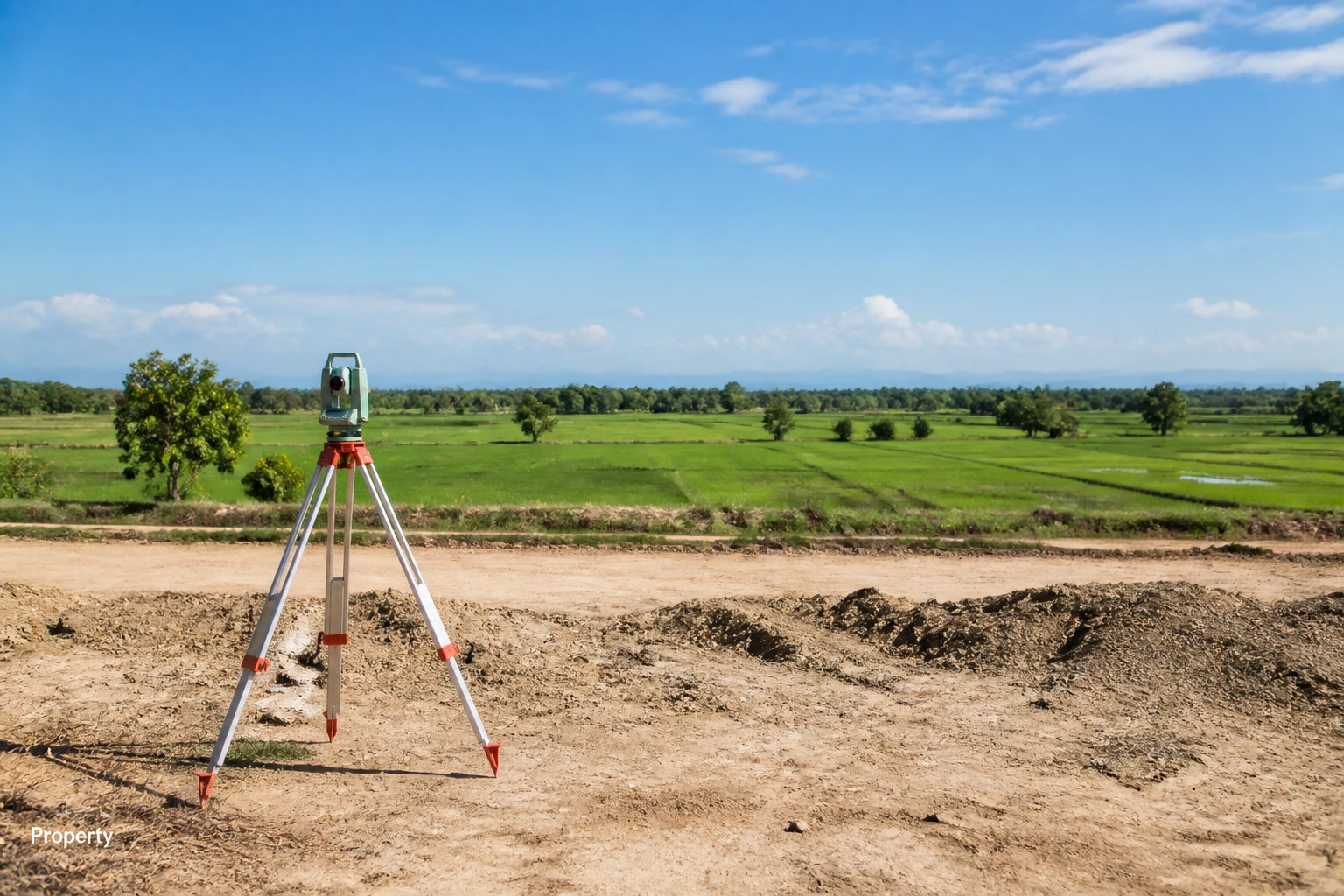
Physical measurement. A BPN surveyor visits the plot to verify boundaries and area. This is often the longest bottleneck, particularly in districts where surveyor appointments are heavily backlogged. Delays of several weeks at this stage alone are common.
-
Review and approval. BPN checks the survey results against the land book (buku tanah) and reviews zoning compliance, outstanding taxes, and any registered disputes.
-
Issuance of new certificates. Once approved, the original certificate is cancelled and two or more new certificates are issued, each with a fresh registration number and its own land book entry. Only at this point does the buyer hold a legally independent title.
All deeds transferring the new title are executed before a licensed PPAT notary, and the ownership change is registered at BPN. For a detailed walkthrough of the notary's role in this chain, see the PPAT notary process guide.
Timelines and Typical Costs
There is no single fee schedule covering every case, but the main cost components are:
- BPN service fee (PNBP). Set by government regulation and calculated on plot area. For a typical residential-scale plot under 2,000 m², the fee is modest.
- Survey and mapping fee. Charged by BPN per plot, also area-based.
- PPAT notary fees. Negotiable but subject to a regulatory cap. Expect roughly 0.5 to 1% of transaction value for a straightforward deed.
- BPHTB (buyer transfer duty). About 5% of assessed value, payable by the buyer on the subsequent sale, not on the pemecahan itself.
- Professional facilitation. A local notary or advisory firm handles the paperwork and BPN liaison. TerraNusa Advisory (terranusaadvisory.com), an independent legal desk for foreign buyers in Lombok, runs this kind of end-to-end process, from certificate verification through to BPN registration, including title history checks, zoning review, and deed execution.
Realistic total timeline: three to six months for an uncomplicated split. Complex cases, disputed boundaries, or a backlogged local BPN office can extend the process to nine months or longer.
The Risk of Buying an Unsplit Share
This is where foreign buyers most frequently encounter serious problems. A developer sells a plot before pemecahan is complete, typically under a PPJB (Pengikatan Perjanjian Jual Beli), a binding pre-sale agreement. The buyer pays a deposit or the full price, receives a signed PPJB, and waits.
The risks during this window are material:
- The parent certificate remains in the seller's name. Until the new certificate is issued, the buyer holds a contractual claim, not a property right. If the seller becomes insolvent, disputes the boundary, or sells the same share to another party, the buyer's recourse runs through the courts, not through BPN.
- Boundary disputes. A measurement that seemed agreed at signing can be contested by neighbours or by BPN if survey records conflict with the physical situation on the ground.
- Cascading delays. Construction financing, resale, or leasehold registration all depend on holding a clean certificate. A six-month delay in pemecahan pushes back everything downstream by the same margin.
The safest position is to insist that pemecahan is complete and the new certificate stands in the seller's name before exchanging any substantial sum. If a developer requires a deposit during the split process, keep it small, ensure the PPJB is notarised, and include a clause specifying the latest completion date and a clear remedy if that date is missed.
For a full checklist of title verification steps before any transaction, see how to verify a Lombok land title and the due diligence guide for Lombok.
Practical Guidance Before You Sign
- Request the sertifikat induk and confirm the plot boundaries are clearly delineated on a site plan attached to the PPJB. Vague boundary descriptions are a red flag.
- Verify the parent certificate at the local BPN office. Any registered encumbrance, lien, or active dispute appears in the land book. This check typically takes one working day and costs very little.
- Ask for a written pemecahan timeline with a longstop date. If the developer cannot provide one, treat the omission as a meaningful signal.
- Understand that HGB certificates held by a PT PMA company go through exactly the same pemecahan process as SHM freehold certificates. Your legal holding structure as a foreigner does not bypass the split requirement.
- Use an independent PPAT notary, not one recommended solely by the seller. The full notary-selection and due-diligence process is covered in the due diligence guide for Lombok.
HubLombok is the editorial arm of Samudra Villas, an active developer in Are Guling, South Lombok. This article reflects general market knowledge and is not legal advice. Consult a licensed PPAT notary before transacting.
How long does pemecahan take in South Lombok?
A straightforward split typically takes three to six months from application to issuance of the new certificates. Backlogs at the local BPN office, unresolved boundary questions, or incomplete documentation can extend the process to nine months or more.
Can I buy a plot that has not yet been split from its parent certificate?
You can, but the risk is significant. Until the new certificate is issued in the seller's name, you hold only a contractual claim through a PPJB agreement, not a property right. If you must proceed before the split is finalised, keep any deposit small, ensure the PPJB is notarised by a PPAT notary, and include a longstop date with a clear remedy if it is missed.
Does pemecahan apply to HGB certificates held by a PT PMA company?
Yes. HGB certificates, the title type typically held by a PT PMA foreign-owned company, go through the same BPN pemecahan process as SHM freehold certificates. The legal holding structure you use as a foreigner does not bypass the split requirement.

The Lombok Buyer's Field Guide
Legal structures ranked by risk, the honest ROI math line by line, all six zones ranked, and the 24-point due-diligence checklist. The whole book, free in your inbox.
See what's inside