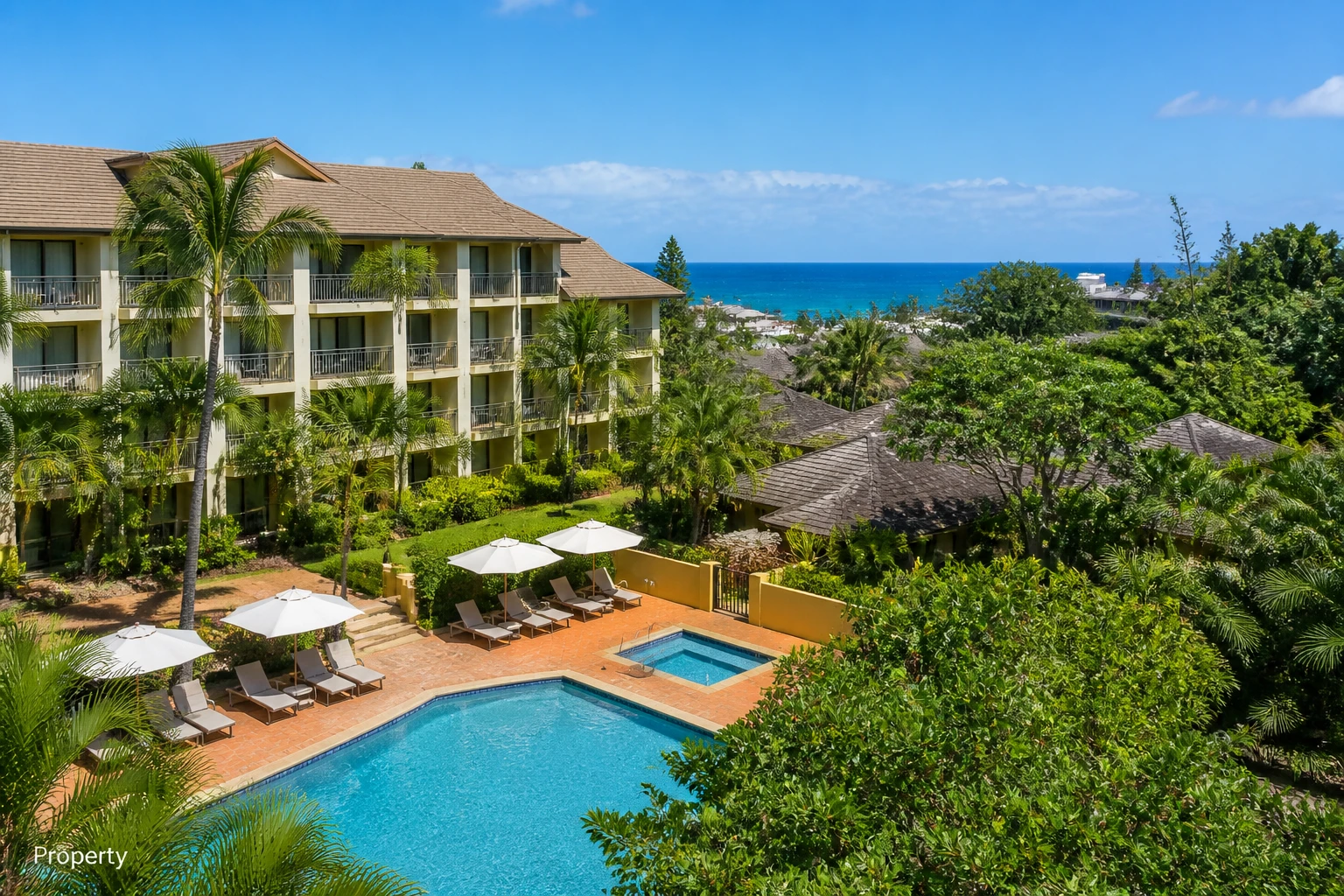
Senggigi and North Lombok: A Property Investment Guide
Senggigi and North Lombok form Lombok's oldest tourism corridor, with established hotels, restaurants and road links. Rental yields are generally modest and capital growth trails the booming south, but entry prices tend to be lower. The area suits lifestyle buyers and investors seeking Gili Islands
Quick answer: Senggigi and North Lombok form Lombok's oldest tourism corridor, with established hotels, restaurants and road links. Rental yields are generally modest and capital growth trails the booming south, but entry prices tend to be lower. The area suits lifestyle buyers and investors seeking Gili Islands exposure rather than maximum appreciation.
The Lay of the Land
Senggigi sits on Lombok's north-western coast, roughly 12 kilometres north of the island's capital, Mataram. For much of the 1990s and 2000s it was Lombok's tourism flagship: a strip of beach-facing hotels, dive centres and sundowner bars that attracted early arrivals put off by Bali's pace. North Lombok extends further up the coast and into the highlands, taking in Bangsal, the main ferry port for the Gili Islands, and the volcanic interior around Rinjani.
The area's infrastructure is mature by Indonesian standards. The coastal road linking Mataram to Senggigi is well-maintained; Bangsal has regular fast-boat connections to Gili Trawangan, Gili Air and Gili Meno; and Lombok International Airport, about 45 minutes south by road, serves the whole island. These are genuine advantages that the southern zones are still building towards in places.
What Drives Demand Here
Senggigi's visitor profile differs markedly from the southern circuit. The north-west draws domestic Indonesian tourists, dive enthusiasts and long-stay travellers using it as a Gili Islands base. International boutique hotels still operate and the area has a functional, lived-in quality. What it lacks is the concentrated new investment that is reshaping the south.
The MotoGP Mandalika circuit and the Mandalika Special Economic Zone infrastructure programme have driven roughly 38 per cent year-on-year growth in villa rates around Kuta and Are Guling. That effect has not meaningfully reached Senggigi. The broader foreign-arrivals recovery of 40 to 50 per cent year-on-year across Lombok is concentrated in the south and the Gili corridor rather than in Senggigi proper. Buyers expecting to ride the same wave here should temper that expectation.
How it Compares with the South
The honest picture is one of significant contrast. In South Lombok's prime zones, land in Kuta trades at Rp 300 to 400 million per are (1 are = 100 m²); Are Guling, the early-cycle frontier where developers such as Samudra Villas are active, sits at Rp 120 to 180 million per are, with year-on-year momentum of around 47 per cent. A full comparison of all six southern zones, with price ranges and demand context, is on the zone-by-zone guide. Price indicators (estimates) are on the market data page.
Senggigi land pricing is not tracked in the same transparent, consolidated way as the southern zones, and published benchmarks are sparse. The critical distinction from the south is demand depth. In the southern zones, a growing pool of international investors competes for a limited supply of quality stock, supporting resale liquidity and price momentum. In Senggigi, the buyer pool is thinner and more price-sensitive, which generally keeps headline purchase prices lower but also constrains exit options when you come to sell.
Net rental yields across Lombok's best-performing southern assets run at 7 to 12 per cent after management fees and realistic occupancy of 55 to 70 per cent. Senggigi properties, particularly older stock reliant on walk-in traffic and direct bookings, tend to sit towards the lower end of any comparable range. Newer, well-managed villas with strong OTA distribution can perform better, but independent verification of yield claims matters more here than in the south: the market is less liquid, comparable transactions are fewer, and track records shorter.
For a full framework on evaluating any Lombok property, including cost modelling and legal checks, the guide to investing in South Lombok covers the methodology in detail.
Legal Structures: The Rules Are Island-Wide
Foreign buyers in Senggigi face identical legal constraints to those in the south. Freehold title (Hak Milik, or SHM) is reserved for Indonesian citizens. The practical routes available to foreigners are leasehold (Hak Sewa, typically 25 to 30 years with extension options), Hak Pakai (right-to-use, requiring KITAS or KITAP residency), or ownership through a PT PMA, a licensed foreign-owned company holding Hak Guna Bangunan title for 30 years, extendable. Nominee arrangements, in which an Indonesian citizen holds freehold on a foreigner's behalf, are illegal under Indonesian law and unenforceable in court. This applies everywhere on the island, without exception.
Buyers should engage a PPAT-licensed notary to execute the deed of sale (AJB) and handle registration at the land office (BPN). Buyer transfer duty, known as BPHTB, applies at approximately 5 per cent of assessed value.
Who Senggigi Suits, and Who It Does Not
Senggigi is a credible choice for a specific type of buyer. If your priorities are a calmer coastal lifestyle, proximity to Mataram's urban services, or convenient access to the Gili Islands, the north-west has a logic that the south cannot replicate. The amenity base, established over decades, is a genuine differentiator: restaurants, dive operators, medical facilities and transport links are all in place.
It is a poor fit for buyers whose primary goal is capital appreciation driven by Lombok's current infrastructure wave. The MotoGP effect, the Mandalika SEZ programme and the momentum building across Are Guling, Selong Belanak and Kuta are emphatically southern stories. Investors seeking to participate in that cycle, and who want resale liquidity at the end of their hold period, should look south.
Whatever the location: verify the land certificate and zoning directly at BPN before committing to anything, model net yields using management fees of 18 to 22 per cent and occupancy in the 55 to 70 per cent range, and engage a PPAT notary independently of the seller or developer.
Is Senggigi worth considering as a property investment compared with South Lombok?
Senggigi offers an established market with mature infrastructure and lower prices than South Lombok's prime zones, but capital growth prospects are significantly weaker. The MotoGP and Mandalika SEZ demand wave has not reached the north-west. It suits lifestyle buyers or those who value Gili Islands access; investors focused on appreciation should concentrate on the south.
Can foreign nationals buy property in Senggigi?
Yes, on the same legal basis as anywhere else in Indonesia. Available routes are leasehold (Hak Sewa, typically 25 to 30 years with extensions), Hak Pakai with Indonesian residency, or PT PMA company ownership holding HGB title for 30 years, extendable. Freehold (Hak Milik) is reserved for Indonesian citizens. Nominee structures are illegal and unenforceable.
What rental yields can buyers expect in the Senggigi area?
There are no independently verified consolidated benchmarks for Senggigi. Across Lombok's best southern assets, net yields run at 7 to 12 per cent after management fees of 18 to 22 per cent and occupancy of 55 to 70 per cent. Older Senggigi stock with thinner demand typically sits towards the lower end of any comparable range. Always request audited occupancy records and verify claims independently before committing.
The Lombok Buyer's Field Guide
Legal structures ranked by risk, the honest ROI math line by line, all six zones ranked, and the 24-point due-diligence checklist. The whole book, free in your inbox.
See what's inside