Sade Museum Adds a Cultural Dimension to Mandalika’s MotoGP Offer
A temporary museum in Sade is being prepared to connect MotoGP visitors with the village’s history and identity after a fire damaged part of its built heritage.
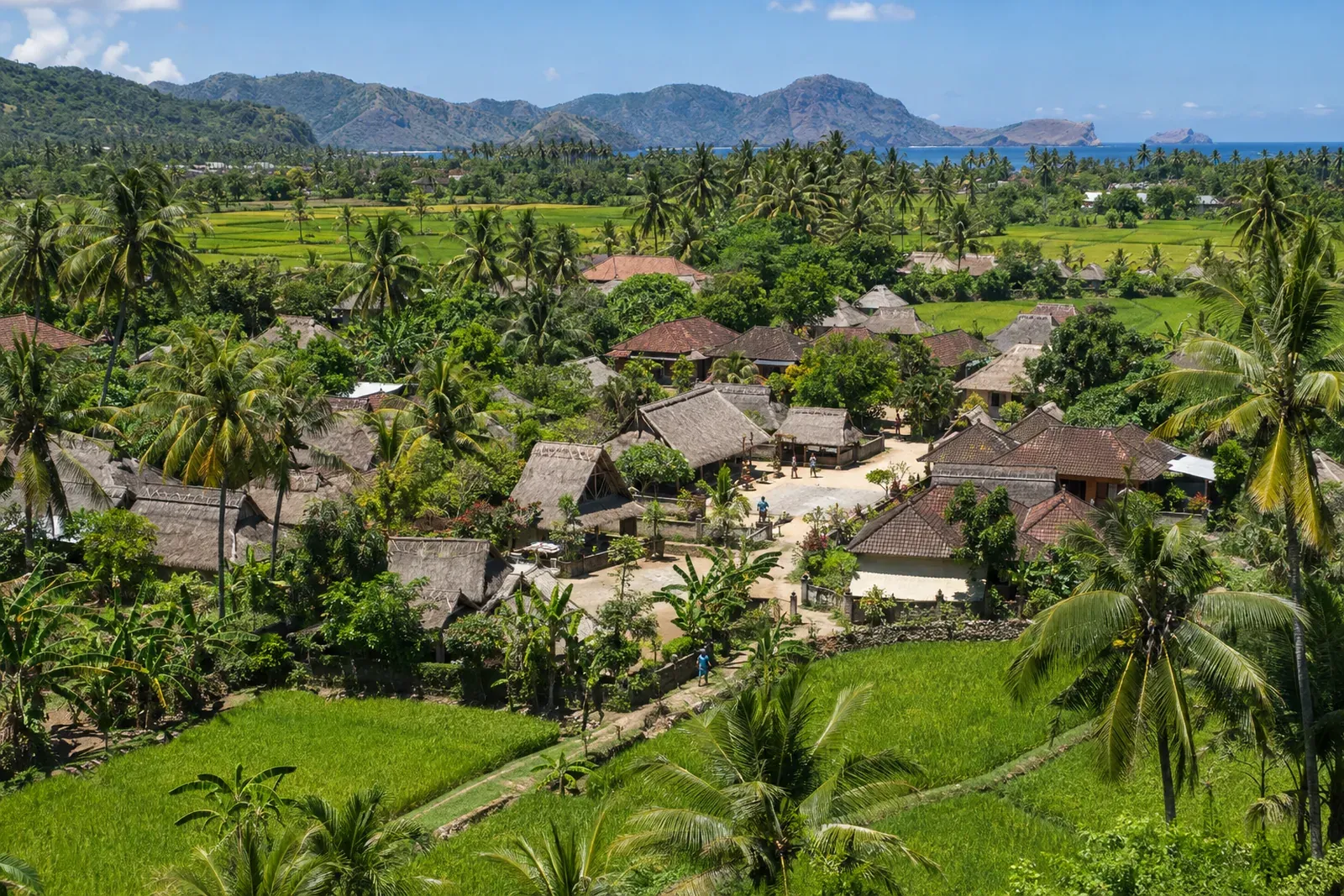
Mandalika’s MotoGP weekend is set to have a cultural companion: a temporary museum in Sade Traditional Village, designed to bring the village’s history and continuing identity into view. Its opening is being prepared for the event, offering a reminder that Lombok’s appeal to visitors can encompass community and heritage as well as sport.
The exhibition is also being shaped by a difficult recent event. A fire in August affected homes, public buildings and art shops in Sade. The museum’s planned account of that loss places recovery and cultural continuity at the centre of a story that organisers hope will reach visitors from beyond the village.
A museum alongside the race
The West Nusa Tenggara Museum is arranging the Sade Museum’s exhibition layout for presentation alongside the Mandalika MotoGP, scheduled for October 9-11, 2026. The temporary museum is located at Sade Traditional Village in Rembitan Village, Central Lombok District.
The project is intended to complement the race with a cultural destination. The museum’s stated purpose is to show Mandalika as a place with cultural appeal as well as a sports and tourism profile. Its audience includes tourists travelling to Lombok for the MotoGP, though the source does not report how many visitors the exhibition expects or whether it will remain open after the event.
For the village, the exhibition is more than a display of objects. Its curatorial approach is built around the idea that history and identity can be communicated through the community’s life, even where physical heritage has been lost. That distinction matters in a setting where the fire affected buildings and commercial premises as well as cultural objects.
A story framed by loss and continuity
The fire struck Sade Traditional Village at around 10 p.m. on August 22, 2026, according to earlier reporting cited by Antara. It affected 75 traditional houses, eight berugak, or gazebos, six sekenam traditional buildings, one mosque, two toilets and 69 art shops. Those figures describe the reported impact; they do not establish the cost of damage or the progress of reconstruction.
The exhibition’s main theme is “Traces of Sade’s Life and Identity”. It is divided into five sub-themes: “Traces of Sade”, “Sade’s Living Space and Culture”, “Sade Goes Global”, “When Fire Changed Sade”, and “Sade Rises and Heads Toward Glory”. Together, these themes connect the village’s past and cultural life with the fire and the community’s path forward.
The curatorial concept is explicitly concerned with identity after physical loss. The exhibition is intended to introduce Sade’s history and explain the identity of a community that continues to live on after part of its built and material heritage was lost. That emphasis makes the museum’s role interpretive as well as commemorative: it can give visitors a way to understand the village through its people and history, rather than through the damage alone.
Sade in Lombok’s tourism map
Sade is described as one of Lombok Island’s oldest traditional villages, dating to the 16th century and passed down through 15 generations. The village is nine kilometres from the Mandalika Circuit, a detail that places the exhibition within reach of the race venue without implying any particular travel time or visitor numbers.
The museum creates a potential connection between two distinct experiences: a world championship motorcycle race and a living traditional village. The source presents that connection as an aim, not as a measured tourism outcome. Whether visitors make the journey, how long they stay and what lasting effects the exhibition may have are not yet established in the reporting.
That distinction is important for anyone assessing tourism investment. A cultural attraction announced for a major sporting event can broaden the destination’s offer, but an announcement alone does not prove sustained demand, increased spending or a durable commercial return. The available information is about the museum’s preparation, themes and intended audience, rather than operating performance.
What this means for investors
For investors following Lombok, the Sade Museum is best read as a signal of how local heritage is being incorporated into the tourism narrative around Mandalika. It adds a cultural dimension to the event programme and places community identity, including recovery after the fire, within the visitor experience being planned.
The limits of the evidence are equally clear. Antara’s report does not provide a visitor forecast, operating schedule beyond the MotoGP context, funding details, reconstruction timeline or commercial assessment. Those gaps mean the project should not be treated as proof of a broader market shift or used to support a specific revenue assumption.
The more useful question is whether initiatives that connect major events with local culture can continue beyond a single race weekend. The museum’s stated ambition is to bring Sade’s history to a wider public. Its longer-term significance will depend on what happens after the exhibition is presented and how the village’s recovery develops, matters that remain open in the source reporting.
As the MotoGP approaches, the Sade Museum offers a planned meeting point between sporting attention and the history of a community whose identity its curators say endures beyond physical loss.
Stay informed: subscribe to our free Lombok Briefing, published twice a month (the 1st and 15th), for analysis like this.
What is the Sade Museum being prepared to show?
The temporary exhibition is themed around traces of Sade’s life and identity. Its five sub-themes cover the village’s history, living space and culture, global connections, the fire and the community’s path forward.
When is the museum planned to accompany the Mandalika MotoGP?
The exhibition layout is being prepared for presentation alongside the Mandalika MotoGP, scheduled for October 9-11, 2026. The source does not state whether the museum will remain open after the event.
Does the museum establish a new tourism investment opportunity?
The report describes a cultural attraction being prepared for MotoGP visitors, but gives no visitor forecast, operating performance or commercial assessment. It signals an effort to connect sport and local heritage, not proof of sustained demand or investment returns.

The Lombok Buyer's Field Guide
Legal structures ranked by risk, the honest ROI math line by line, all six zones ranked, and the 24-point due-diligence checklist. The whole book, free in your inbox.
See what's inside