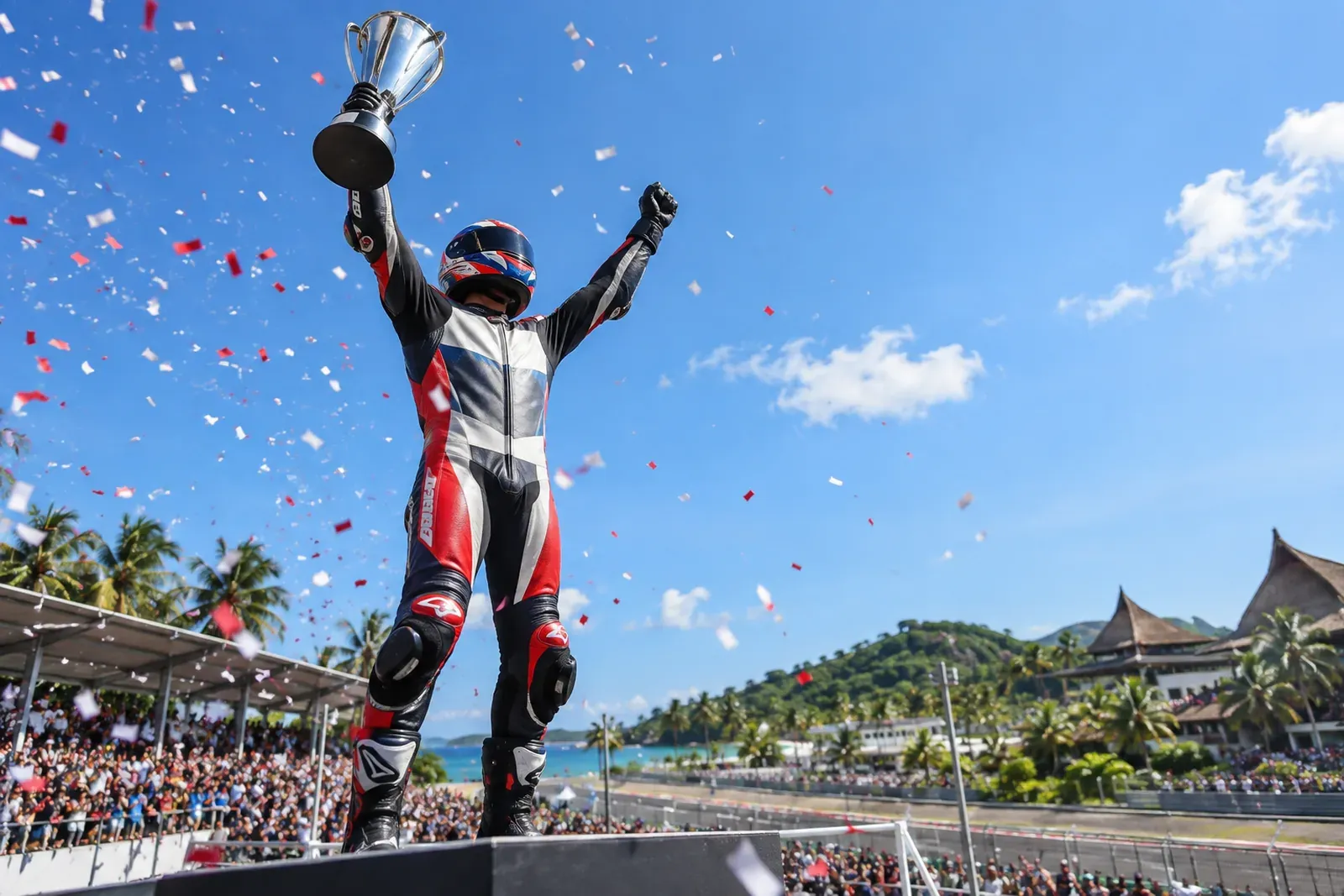
Mandalika MotoGP Immigration Push Puts Visitor Services in Focus
Indonesia issued 1,351 visas and deployed additional immigration personnel for the 2026 Mandalika MotoGP, highlighting the role of visitor services in sport tourism.
Indonesia issued 1,351 visas to support the 2026 Mandalika MotoGP and placed additional immigration personnel at airports, the circuit and surrounding areas. The measures show how visitor processing has become part of the event’s public-facing infrastructure, while leaving a larger question open: whether smooth arrival procedures can translate into lasting benefits for Central Lombok’s communities and tourism economy.
Immigration joins the event operation
The Ministry of Immigration and Corrections said the visas were issued in support of the race at the Pertamina Mandalika International Circuit in Central Lombok, West Nusa Tenggara. It also deployed 50 additional immigration personnel across airports, the circuit and surrounding areas. The stated purpose was to strengthen immigration services and security for riders, teams and foreign visitors.
The deployment places immigration services alongside the practical requirements of hosting an international sporting event. Visa issuance is one part of that work; procedures and support at arrival points and around the venue also shape how international visitors experience their stay. The ministry described its objective as ensuring that services and procedures run smoothly, and that visitors feel safe and comfortable.
Those are official aims, rather than a published assessment of visitor experience. The ministry’s announcement does not provide a measure of processing times, visitor satisfaction or the economic effect of the deployment. Its figures establish the scale of the immigration response, but do not by themselves show how many people attended the race or what they spent locally.
A sporting event with an economic ambition
The ministry framed the immigration effort as part of a broader attempt to make the event useful to local communities. It said efficient services could help stimulate the local economy and create wider economic opportunities. The ambition is clear: hosting the race should be more than a matter of staging competition; it should also support a positive experience for visitors and contribute to activity beyond the circuit.
That framing matters because the event brings together several audiences with different needs, including riders, teams and foreign visitors. The ministry said its continued work would support international mobility for sporting events, tourism and other international activities. It also presented professional immigration services as a way to strengthen Indonesia’s international image.
These statements describe policy intent. The announcement does not quantify local spending, identify which businesses benefited, or report the share of event-related activity retained by communities. Those outcomes would need to be assessed separately from the number of visas issued and personnel deployed. The distinction is important: administrative readiness can enable travel, but it is not a proxy for the wider economic result.
Mandalika’s sport-tourism context
The race was the 17th round of the 2026 season, with activities held from October 9 to 11. The ministry’s message links support for the event to its wider approach to international mobility, rather than treating immigration as an isolated service. Its statement says authorities will continue strengthening services and oversight for international activities.
HubLombok’s verified market figures record a +40-50% year-on-year trend in foreign arrivals, with tourism recovery and the MotoGP effect identified as factors. That trend provides context for the attention paid to visitor services, but it cannot establish the specific contribution of this race or of the visa measures. The available announcement contains no event-specific visitor total to compare with the broader trend.
For Mandalika, the official case rests on the combination of a world-class sporting event and services intended to make international mobility more orderly and comfortable. The ministry has set out that ambition; the economic and reputational gains remain outcomes to be demonstrated through evidence beyond the visa count.
What this means for investors
For investors assessing Lombok’s tourism prospects, the announcement is a signal of government attention to the visitor-facing side of a major sporting event. Visa support, staffing at airports and the circuit, and oversight in surrounding areas are relevant components of the visitor experience. They indicate a service effort, but do not establish a forecast for arrivals, hotel demand, rental income or property values.
A careful reading separates the inputs from the results. The 1,351 visas and 50 additional personnel are reported measures. The ministry’s expectations for local economic opportunities and Indonesia’s international image are stated objectives. To judge whether the event produced durable local benefits, investors would need independently reported evidence on visitor activity and economic outcomes, which this announcement does not supply.
The more useful question is therefore not simply whether immigration was prepared for race weekend, but whether the service approach continues as international travel and other events develop. The ministry says it intends to strengthen services and oversight for future international mobility. How that commitment is implemented, and what benefits can be evidenced for local communities, will shape the longer-term story.
Mandalika’s next chapter will depend on whether the attention surrounding a major race is matched by sustained visitor services and measurable local opportunity.
Stay informed: subscribe to our free Lombok Briefing, published twice a month (the 1st and 15th), for analysis like this.
How many visas did Indonesia issue for the 2026 Mandalika MotoGP?
Indonesia issued 1,351 visas to support the 2026 Mandalika MotoGP, according to the Ministry of Immigration and Corrections. The announcement does not state how many visa holders attended the race or provide an event-specific visitor total.
Where were additional immigration personnel deployed?
The ministry deployed 50 additional immigration personnel at airports, the Pertamina Mandalika International Circuit and surrounding areas. It said the deployment was intended to strengthen immigration services and security for riders, teams and foreign visitors.
Do the visa figures show the MotoGP's economic impact on Lombok?
No. The visa count and staffing deployment show immigration measures for the event, while the ministry expressed hopes for broader local economic opportunities. The announcement does not report local spending, business outcomes or an event-specific visitor total.

The Lombok Buyer's Field Guide
Legal structures ranked by risk, the honest ROI math line by line, all six zones ranked, and the 24-point due-diligence checklist. The whole book, free in your inbox.
See what's inside