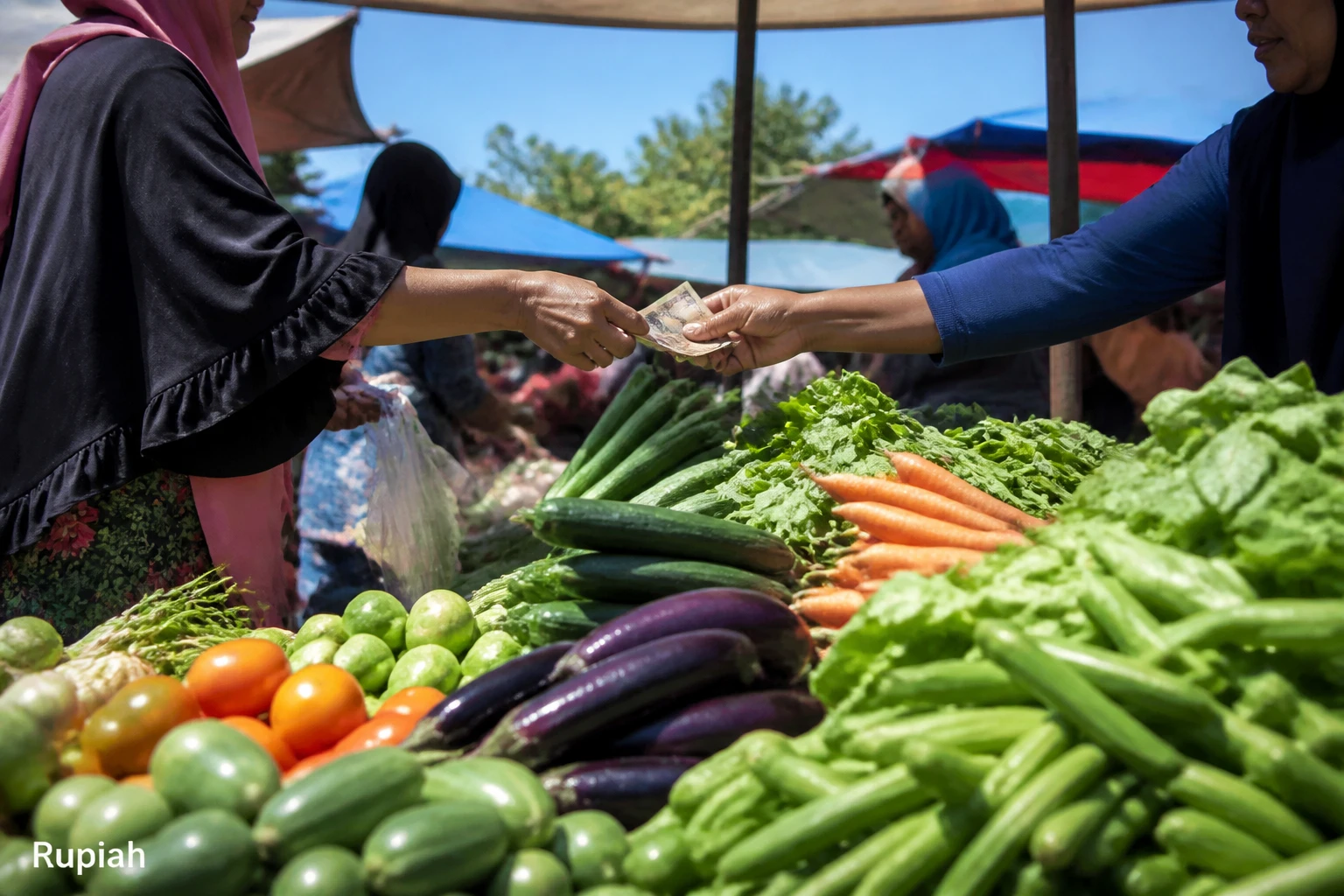
Rupiah Strength: What Indonesia's Foreign-Capital Surge Means for Lombok Investors
Foreign capital inflows into Indonesian rupiah securities are stabilising the currency and anchoring Lombok's property outlook. Here's why macro stability matters to your villa investment.
Quick answer: Foreign capital inflows into Indonesian rupiah securities are stabilising the currency and lowering systemic borrowing costs. For Lombok property investors, this strengthens the economic foundation supporting tourism recovery, the primary yield driver behind South Lombok's 7–12% net rental returns. A stable rupiah also reduces currency volatility risk for EUR and USD-denominated buyers holding long-term assets.
Indonesia's central bank announced this week that rising foreign investment in Bank Indonesia Rupiah Securities (SRBI), a government bond instrument, has measurably stabilised the rupiah against major currencies. While currency mechanics may seem distant from property investment, the signal is profound: foreign capital is returning to Indonesia with confidence. For Lombok investors, this development is a canary in the coal mine, and the message is unambiguous.
The Context
On 18 June, Bank Indonesia Governor Perry Warjiyo confirmed that foreign inflows into SRBI have become a stabilising force for the rupiah. SRBI, effectively government-backed rupiah bonds issued to sterilise liquidity and strengthen the currency, attract foreign investors when they perceive Indonesia's macro outlook as sound. These inflows are not speculative bets; they are structural capital commitments by institutional investors sizing up Indonesia's long-term growth trajectory and currency stability.
The backdrop matters. Over the past 18 months, emerging-market currencies have been under pressure from US Federal Reserve tightening and geopolitical uncertainty. The rupiah is particularly sensitive to capital flows because Indonesia's current-account deficit means it relies on foreign investment to fund growth. When foreign investors pull back, the rupiah weakens; when they commit to rupiah assets, the currency strengthens.
Warjiyo's statement is significant because it suggests international investors are increasing conviction in Indonesia. They are not just buying single-vintage assets or speculating on quarterly rallies. They are allocating long-term capital to Indonesia's sovereign debt and economic fundamentals. For a destination like South Lombok, which depends entirely on international tourist arrivals and foreign property investment, this macro vote of confidence is foundational.
Currency Stability and Property Costs
For EUR and USD-based investors buying Lombok villas in the €95,000–€350,000 range, a stable rupiah has immediate practical benefits. First, it reduces the cost volatility of renovation, staffing, and utilities. A property manager's annual operating costs are budgeted in IDR, and rupiah depreciation can erode yield margins unexpectedly. Conversely, rupiah stability (or strength) makes forecast occupancy costs and net yields more predictable.
Second, rupiah stability lowers the cost of corporate structuring. Many foreign buyers use a PT PMA (foreign-owned company holding a 30-year land-use right, HGB) to acquire property. Corporate registration, BPHTB transfer duty (~5% of assessed value), and annual PBB land tax all occur in rupiah. A stronger rupiah means your IDR costs are lower in EUR/USD terms at settlement, a direct arbitrage benefit to buyers timing purchases.
Third, and most subtly, a stable rupiah signals that Indonesia's growth story is intact. That matters because Lombok's rental yields, honestly 7–12% net after management fees (18–22% of gross revenue) and realistic occupancy (55–70% in years 1–3), are predicated on rising tourist arrivals. If the rupiah weakens, it can spook outbound tourism from Australia and developed Asia, because travel becomes more expensive. Rupiah strength does the opposite: it signals low currency risk to international tourists, potentially boosting arrivals and occupancy.
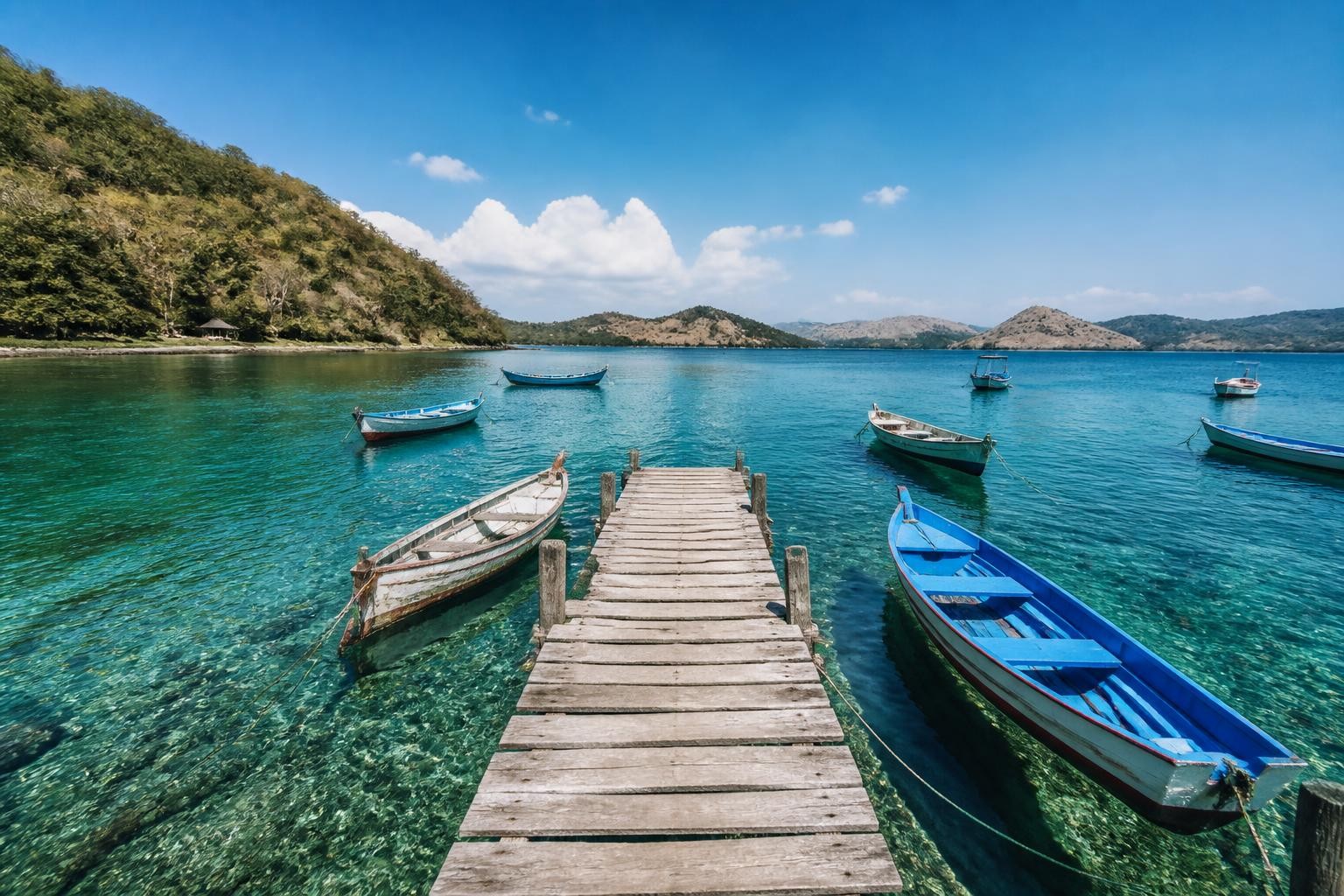 Rupiah Strength · Illustration: HubLombok (AI-generated)
Tourism Recovery and Occupancy: The Yield Engine
South Lombok's property boom is entirely tourism-driven. Investors buy turnkey villas anticipating nightly rental revenue from international guests. That thesis depends on three things: (1) international tourist arrivals to Indonesia, (2) confidence in the currency, and (3) recognition of South Lombok as a destination.
Foreign arrivals to Indonesia have grown +40–50% year-on-year in the tourism recovery. The Mandalika MotoGP circuit opening in October 2023 accelerated investor interest, particularly in Kuta and Mandalika zones, which have seen +38% villa-price momentum. Are Guling, an early-cycle frontier zone, has recorded +47% momentum, the highest of the six primary zones, as Bali-overflow capital seeks cheaper entry points with comparable yield potential.
None of this growth trajectory survives a rupiah collapse. When emerging-market currencies crater, tourism dries up (expensive for foreigners to visit, unpredictable for locals), and occupancy rates fall sharply. Conversely, when the rupiah stabilises, and especially when foreign investors are visibly buying rupiah assets, it becomes a self-reinforcing signal: the destination is safe, the currency is stable, and tourism demand will hold.
Warjiyo's announcement about SRBI inflows is thus a vote of confidence in Indonesia's ability to sustain growth and tourism recovery. That directly props up the occupancy assumptions embedded in every South Lombok villa pro forma.
What This Means for Investors
If you are evaluating a South Lombok villa purchase in 2026, ask your legal advisor (ideally an independent partner like TerraNusa Advisory, which handles due diligence, PT PMA structuring, and notary deed work across the archipelago) to factor in the rupiah-stability environment. A few implications:
1. Yield Forecasts Are More Credible. Your broker or developer is projecting occupancy and operating costs in an environment where rupiah stability is now being actively supported by foreign capital inflows. That increases the credibility of net-yield estimates and reduces downside currency tail risk.
2. Entry Timing Is Favourable. When foreign capital is rotating into emerging-market rupiah assets, property cap rates are typically not yet fully re-rated higher. You are buying in a window where growth is visible but not yet fully priced. South Lombok land still trades at Rp 150–400 million per are, a steep discount to Bali (USD 200–500/m²) despite superior growth momentum.
3. Exit Risk Is Lower. A stable rupiah, supported by institutional foreign capital, is a mark of economic resilience. If you need to refinance, restructure your lease, or eventually exit, you are doing so in an environment where currency risk is lower and demand from overseas investors is visibly strong.
4. Occupancy Confidence. Rising foreign arrivals (+40–50% year-on-year) combined with macro rupiah stability suggests that occupancy forecasts of 55–70% (stabilised, years 1–3) have a real foundation. Developers and operators are planning around a real tourism recovery, not hope.
The narrative around Lombok investment can feel scattered, MotoGP hype, Bali-overflow thesis, yield-chasing headlines. This week's confirmation of rupiah stability via foreign SRBI inflows adds a crucial missing piece: macroeconomic ballast. When international capital is visibly allocating to Indonesian rupiah assets, it signals that the growth story is not sentiment, but conviction. For property investors, that is the foundation everything else rests on.
Stay informed, subscribe to the free Lombok Briefing for market intelligence like this, published twice a month.
Does rupiah strength affect my villa's resale price?
Yes. Stable rupiah attracts foreign buyers and tourism, supporting occupancy and yield forecasts, both strengthen capital appreciation. Currency strength also lowers your IDR costs at closing (transfer duty, taxes), improving immediate cash-on-cash returns.
What is SRBI and why do foreign investors care?
SRBI are Indonesian government rupiah securities. Foreign investors buy them when expecting rupiah stability and Indonesia's growth. Rising inflows signal international confidence, directly supporting tourism and property demand in Lombok and across Indonesia.
How does rupiah stability affect my 7–12% yield forecast?
Net yields depend on occupancy and operating costs, both priced in IDR. Rupiah stability makes forecasts predictable and lowers currency-depreciation risk. It also supports tourism arrivals (+40–50% YoY) that fill your villa's rental calendar.

The Lombok Buyer's Field Guide
Legal structures ranked by risk, the honest ROI math line by line, all six zones ranked, and the 24-point due-diligence checklist. The whole book, free in your inbox.
See what's inside