Stabilizing the Rupiah: What Global Pressure Means for Lombok Property Investors
The Indonesian government is working to stabilize the Rupiah amidst global pressure. Deep dive into macro currency dynamics and implications for Lombok property investors.
The Indonesian rupiah's stability is rarely front-page news for most investors, but for those holding Lombok property, it's arguably the most important macro variable determining long-term returns. As the Indonesian government intensifies efforts to defend the currency amidst global turbulence, it's worth understanding what's actually happening, and why it matters far more than daily Rupiah fluctuations suggest.
The Context
The rupiah faces pressure from multiple directions simultaneously. Higher US interest rates make dollar-denominated assets more attractive to global investors, pulling capital away from emerging markets like Indonesia. Simultaneously, global risk-off sentiment during periods of uncertainty prompts foreign investors to reduce emerging market exposure. These are structural pressures that no single country can fully control.
But Indonesia's challenge runs deeper. The country faces a current account deficit (it imports more than it exports), which means it must attract continuous inflows of foreign capital to finance the gap. When foreign investors become cautious, as they do during global volatility, the country must defend the rupiah by depleting forex reserves or raising interest rates, both costly options.
"Emerging market currencies don't trade on fundamentals alone. They trade on investor risk appetite. When global appetite shifts, even well-managed countries feel the pressure.", consensus among emerging market economists
The current environment creates a feedback loop:
- Global risk-off → capital outflows from emerging markets
- Capital outflows → rupiah depreciates
- Rupiah depreciation → imported inflation rises, domestic costs increase
- Inflation pressure → central bank must raise rates or deploy reserves
- Rate hikes or reserve depletion → economic growth slows, reducing attractiveness
Breaking this loop requires credible, multi-pronged government action, which is exactly what Indonesia is attempting.
The Government's Stabilization Toolkit
Indonesia's approach to rupiah defense combines several tools, each with different time horizons and effectiveness:
Monetary policy: Bank Indonesia raises interest rates to defend the currency by making rupiah assets more attractive. But rate hikes slow economic growth, creating tension between currency defense and growth.
Fiscal coordination: The government signals fiscal discipline (controlled spending, manageable deficits) to reassure foreign investors that Indonesia won't require currency depreciation to inflate away debt.
Reserve management: BI strategically sells US dollars to smooth rupiah volatility and demonstrate commitment to stability, though reserves are finite and must be managed carefully.
Bond stabilization: The government reactivates bond stabilization funds to manage domestic debt market volatility and prevent yield spikes that signal distress.
Structural reforms: Longer-term initiatives to improve the current account (boost exports, reduce non-essential imports, improve investment productivity) address the root cause of currency pressure.
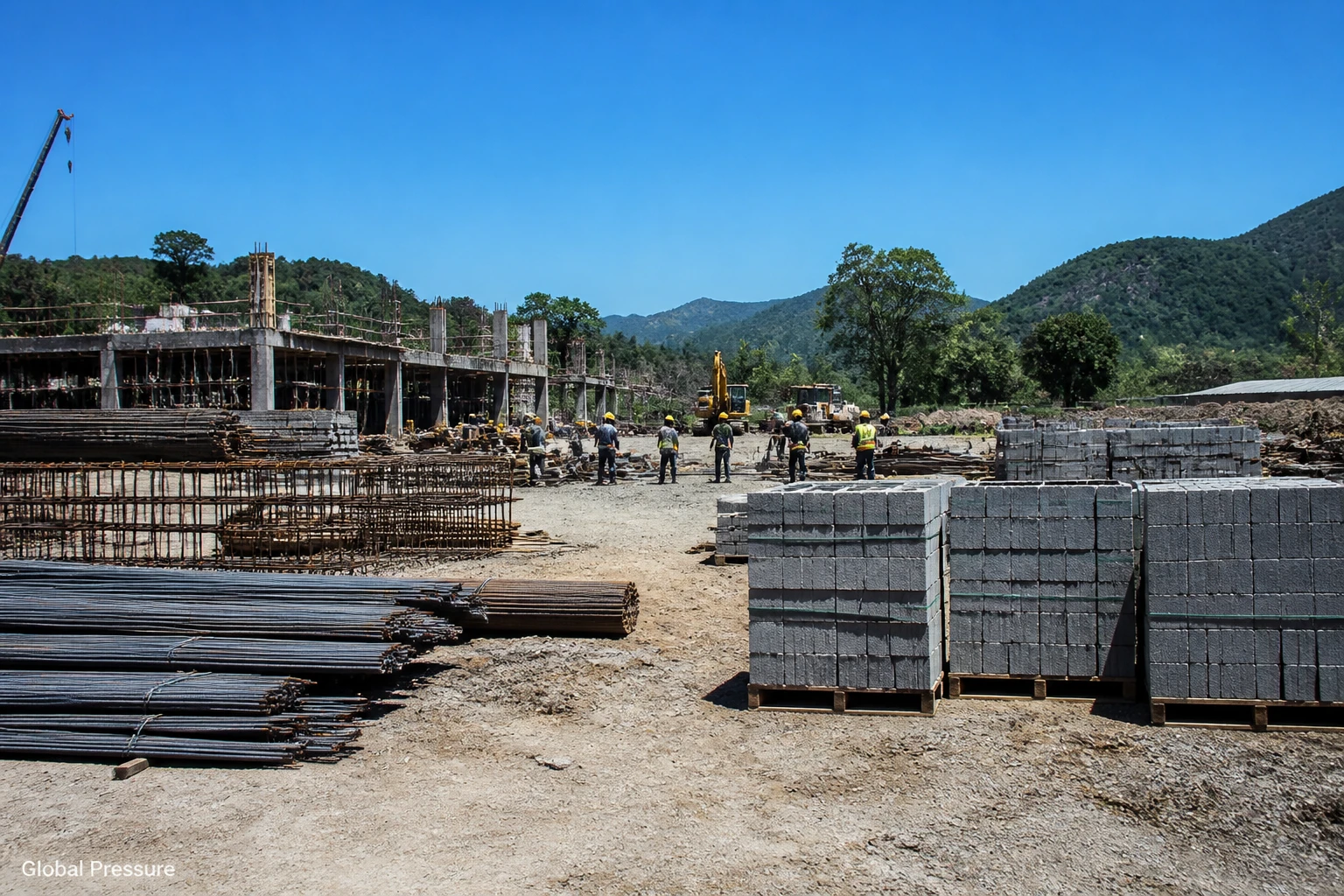
 Stabilizing the Rupiah · Photo by Quang Nguyen Vinh on Pexels
The challenge is sequencing and credibility. If investors believe the government will execute these measures credibly, capital flows stabilize and the rupiah strengthens, often faster than underlying improvements warrant. If credibility erodes, the currency can spiral despite policy efforts.
Lombok's Position in the Macro Cycle
Lombok's real estate market sits at an interesting intersection of macro dynamics and structural growth. The island is simultaneously:
- Dependent on foreign capital: The majority of villa investment capital comes from overseas, making currency movements directly relevant to pricing
- Benefiting from structural tailwinds: Airport expansion (Q3 2025), MotoGP (2024–2025), and Bali overflow are driving +40–50% tourism growth YoY
- Yield-attractive relative to alternatives: At 12–22% gross yields, Lombok properties offer returns that compensate for currency and political risk
The relationship is subtle but critical: Rupiah instability doesn't necessarily hurt Lombok property values in nominal IDR terms, but it raises the foreign-currency risk discount that overseas buyers demand. When Rupiah stability is uncertain, a buyer expects 20% gross yield to justify currency exposure. When Rupiah stability improves, the same property might trade at 14–15% gross yield, compressing cap rates and allowing prices to rise 25–30% without yield expansion.
The government's current stabilization efforts, if credible and sustained, should compress that risk discount over the next 12–24 months. This creates a valuation floor for Lombok properties, not because rentals are rising, but because risk-adjusted returns improve.
Market context:
| Metric | Current Range | |--------|---------------| | South Lombok entry price | €95K–€350K (freehold villa) | | Gross rental yield | 12–22% (furnished, managed) | | Bali buyer overflow | 25–30% of new Lombok purchases | | Tourism growth | +40–50% YoY | | Airport opening | Q3 2025 (new runway) |
What This Means for Investors
Time horizon matters: The government's rupiah stabilization effort is a 3–5 year policy commitment, not a permanent structural fix. Investors should structure positions accordingly, 5-year holds capture the macro stability window while benefiting from Lombok's structural catalysts.
Entry pricing: Properties priced for high yields (18–22%) today reflect elevated macro risk premium. As Rupiah stability improves, yields compress and prices appreciate. Investors who enter now, before repricing occurs, benefit from both rental income and capital appreciation. Those who wait risk paying higher prices for the same property.
Currency strategy:
- Use fixed-rate IDR mortgages to lock in current FX rates and avoid ongoing depreciation risk
- Dollar-cost average entries over 2–3 quarters to smooth entry prices
- Consider holding a portion of proceeds in USD or EUR rather than immediately repatriating
Risk management:
- Monitor quarterly BI forex reserves (declining suggests unsustainable defense)
- Track trade balance trends (improving current account reduces structural pressure)
- Watch foreign portfolio flows (stability here suggests investor confidence holding)
- Maintain 5+ year hold horizon to ride out currency cycles
Comparative advantage: Lombok properties offer something scarce today: high-yielding assets with structural growth catalysts and macro policy support. This combination exists in few emerging markets, Bali yields are lower, Cancun is saturated, Thailand's macro situation is less clearly supported. Recognizing this positioning allows investors to distinguish between tactical timing questions (when to enter) and strategic allocation decisions (whether to enter at all).
The broader lesson: Understanding macro currency dynamics separates sophisticated investors from those chasing yield without context. Lombok's 12–22% yields aren't generous because the market is inefficient; they're generous because the currency risk is real. But when government policy credibly addresses that risk, as Indonesia is currently attempting, the opportunities for repricing become substantial.
Stay informed, subscribe to the free Lombok Briefing for market intelligence like this, published twice a month.
How does rupiah instability affect Lombok property returns for foreign investors?
Rupiah instability raises the risk discount overseas buyers demand rather than directly lowering nominal Indonesian property values. When stability is uncertain, buyers require around 20% gross yield to justify currency exposure. If stability improves, the same property can trade at 14 to 15% gross yield, allowing prices to rise 25 to 30% without any increase in rental income.
What rental yields do Lombok villas currently offer, and what is driving demand?
Furnished, managed villas in South Lombok currently offer 12 to 22% gross rental yields, with entry prices ranging from €95,000 to €350,000 for freehold properties. Demand is supported by 40 to 50% year-on-year tourism growth, a new airport runway opening in Q3 2025, and Bali buyer overflow accounting for 25 to 30% of new purchases.
How long should a foreign investor plan to hold a Lombok property to benefit from Indonesia's rupiah stabilization?
The article describes Indonesia's rupiah stabilization as a 3 to 5 year policy commitment rather than a permanent structural fix. A 5-year hold is recommended to capture the macro stability window while benefiting from Lombok's structural catalysts such as airport expansion and tourism growth, before the improved risk-adjusted pricing is fully reflected in the market.

The Lombok Buyer's Field Guide
Legal structures ranked by risk, the honest ROI math line by line, all six zones ranked, and the 24-point due-diligence checklist. The whole book, free in your inbox.
See what's inside