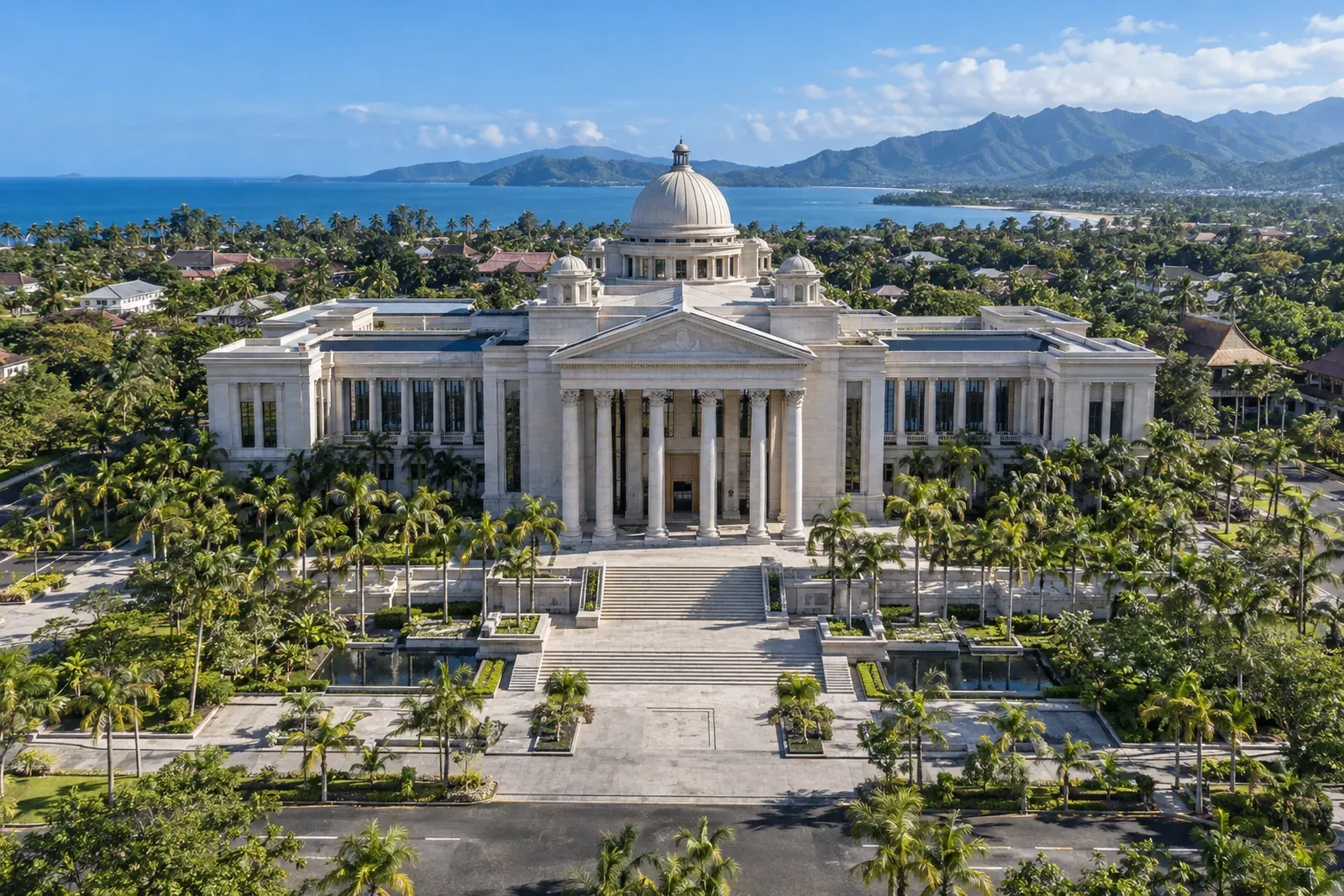
MotoGP’s Mataram Bazaar Offers a Closer Look at Tourism’s Local Links
A two-day MSME bazaar in Mataram adds a local culinary and craft strand to MotoGP week. Its design shows both the promise and limits of event-led promotion.
Quick answer: Mataram’s Tourism Office is preparing 20 stalls at Teras Udayana for local small businesses during MotoGP week, with a two-day bazaar and live music scheduled alongside the Mandalika race. For investors, the initiative is a useful example of how event tourism may create promotional openings for local firms, though the announcement gives no evidence yet of sales, lasting demand or wider economic returns.
MotoGP’s draw is concentrated around the Mandalika Circuit, but the visitor experience can reach beyond the track. In Mataram, a city bazaar is being organised around local food, handicrafts and garments, pairing commerce with live music. The arrangement is modest in scale, but it raises a larger question: how much can a major sporting event connect visitors with businesses beyond its main venue?
The Context
The announcement from Antara Business describes a programme organised by the Mataram City Tourism Office in West Nusa Tenggara. It is preparing 20 stalls for 20 MSME tenants at Teras Udayana. The bazaar is scheduled for October 9 to 10, running until 11 p.m. local time, as a side activity for the MotoGP event at the Mandalika Circuit. The main race is scheduled for October 11.
The location matters to the story. Mataram is the setting for the bazaar, while Mandalika is where the race takes place. The plan therefore links two places through an event programme, rather than placing every visitor activity at the circuit. That distinction gives the initiative a role as a city promotion effort as well as a retail opportunity for participating businesses.
The product mix also gives the promotion a clear local character. Antara reports that participating operators will be dominated by businesses offering regional specialities, including ayam taliwang, satay rembiga, pelecing kangkung, satay pusut and traditional snacks. Handicrafts and garments are also expected. This is more than a generic food court in concept: the stated aim is to put recognisable local products in front of visitors already drawn to the region for the race.
Mataram’s Tourism Office says the bazaar is intended to promote culinary tourism in the city and expand market opportunities for MSMEs. That is an objective, not a reported result. The announcement does not provide sales projections, visitor counts for the bazaar, business performance after the event or evidence that visitors will travel from the circuit to Teras Udayana. Those gaps matter when assessing what the initiative can tell investors.
A city-side programme, not just a race-day add-on
The bazaar is scheduled across two days, and the Tourism Office is also organising live music performances under the name “Friday Relax” at Teras Udayana from October 9 to 10. Together, food, crafts and music create a reason to visit the site that is broader than buying a meal. The programme is designed to make the city venue part of the event week’s visitor offer.
That design points to one practical challenge in event tourism: attention does not automatically move from a headline attraction to surrounding businesses. The race creates a reason to be in the region, but a separate programme still has to give visitors a reason to spend time elsewhere. A defined location, a concentrated schedule and products that communicate a local identity are visible parts of the Mataram plan. The source does not establish how effectively they will translate into visits or purchases.
For participating firms, a stall can offer access to visitors in a shared setting. It also places several businesses in a temporary marketplace where local food, handicrafts and garments can be encountered together. This may help visitors discover products they would not have sought out individually. Yet visibility should not be confused with a durable commercial channel. The announcement does not say whether businesses will collect customer details, secure repeat orders or continue selling to visitors after the bazaar closes.
The announced opportunity is one of access and promotion. Its commercial value will depend on what visitors do with that access, a result the announcement does not yet report.
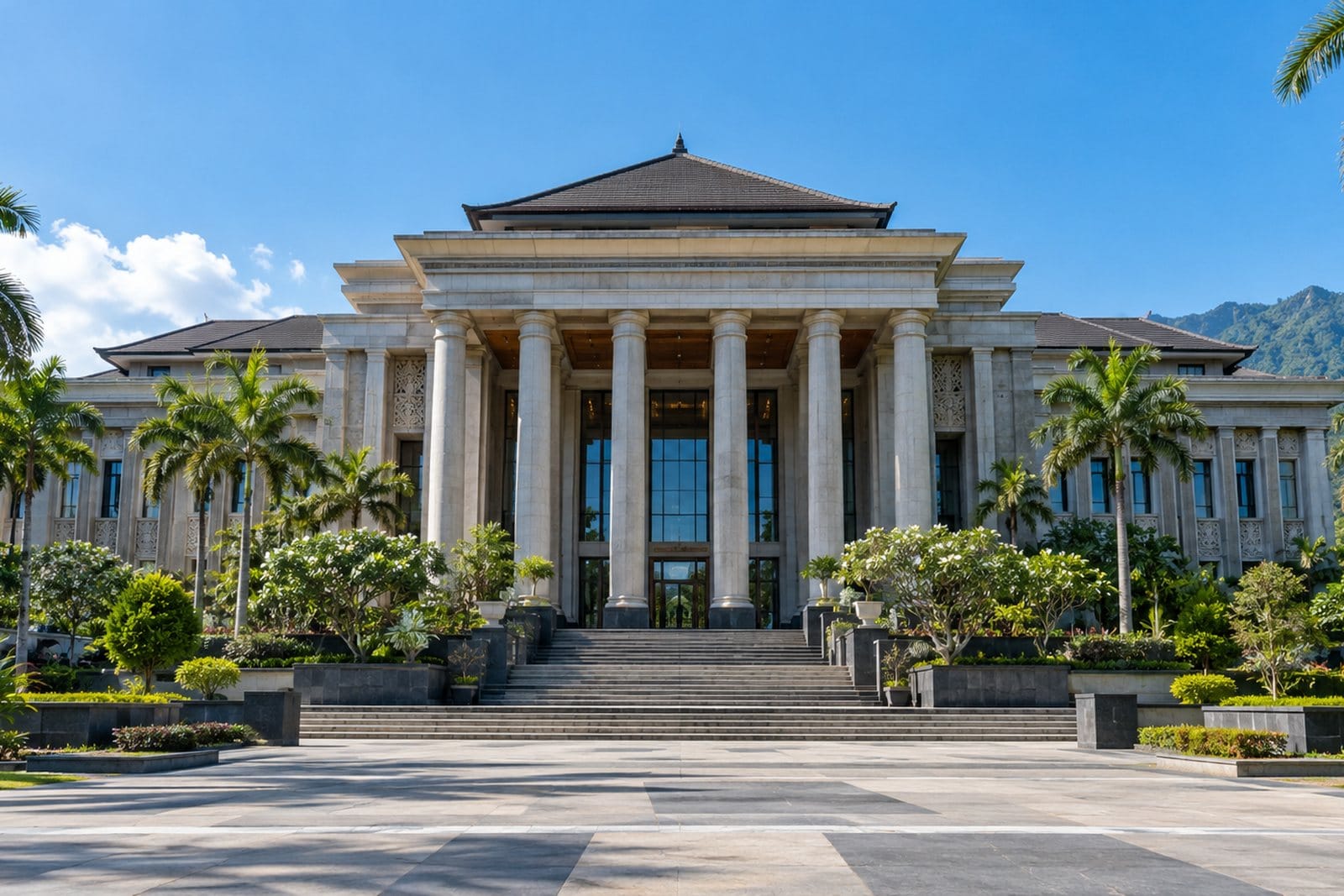 MotoGP’s Mataram Bazaar Offers a Closer Look at Tourism’s Local Links · Illustration: HubLombok (AI-generated)
What the announcement can and cannot tell investors
For investors looking at tourism-linked businesses, the bazaar is best read as a signal of programming intent. A public office is using a major sporting event to place local enterprises within a visitor-facing activity in Mataram. That is relevant context for anyone considering how tourism demand might reach beyond accommodation and the event venue. It is not, on its own, evidence of a scalable business model or of a measurable lift in local incomes.
The distinction between an event opportunity and a lasting market is important. A temporary event can bring attention, but a business needs a way to convert attention into transactions and, ideally, repeat demand. The source identifies the participating product categories and the planned setting, but offers no information on stall costs, expected footfall, sales, visitor origins or follow-up arrangements. Without those details, a cautious reader should avoid translating the announcement into a revenue estimate.
There is also a geographic question. The programme is in Mataram, while the race is at Mandalika. That creates a potential connection between a city-based visitor activity and a circuit-centred event, but the announcement does not describe transport, travel packages or visitor flows between the two. The broader regional relationship is therefore a possibility to examine, not a result to assume.
The most useful follow-up evidence would be practical and local: whether visitors attend, which product categories attract interest, whether participating firms report sales, and whether any customer relationships persist beyond the event dates. Those measures would help distinguish a promotional showcase from a channel that can support sustained trade. No such outcomes are available in the announcement, so this notebook treats the bazaar as a planned intervention rather than a proven economic effect.
What This Means for Investors
The Mataram bazaar offers a concrete example of how event tourism can be organised to include local enterprise. The plan combines 20 stalls, regional food and products, and live music at a city venue during MotoGP week. It is a thoughtful attempt to connect the international event with local businesses, but its significance will depend on execution and results that have not yet been reported.
For investors, the lesson is to look beyond event attendance and ask how local firms gain access to visitors, what turns an encounter into a sale, and whether demand continues after the event. Mataram’s programme sets out a promotional structure. Evidence of commercial impact will require a later account of participation and outcomes. Until then, it is a useful case to watch, with the boundary between ambition and demonstrated value kept clear.
Stay informed: subscribe to the free Lombok Briefing, published twice a month (the 1st and 15th), for market intelligence like this.
What is Mataram planning for MotoGP week?
Mataram’s Tourism Office is preparing 20 stalls for MSME tenants at Teras Udayana. The bazaar is scheduled for October 9 to 10, alongside live music, with local food, handicrafts and garments among the products expected.
Does the bazaar prove MotoGP is increasing local business revenue?
No. The announcement describes a planned promotional opportunity and the Tourism Office’s aims, but it does not report visitor numbers, sales, business income or lasting demand. Investors should treat commercial effects as unproven until outcomes are reported.
Why might investors pay attention to a city bazaar during the race?
The programme shows an effort to connect a circuit-centred sporting event with local enterprises in Mataram. It may offer a useful example of tourism promotion, while leaving open whether visitors attend, buy products or maintain contact with businesses after the event.

The Lombok Buyer's Field Guide
Legal structures ranked by risk, the honest ROI math line by line, all six zones ranked, and the 24-point due-diligence checklist. The whole book, free in your inbox.
See what's inside