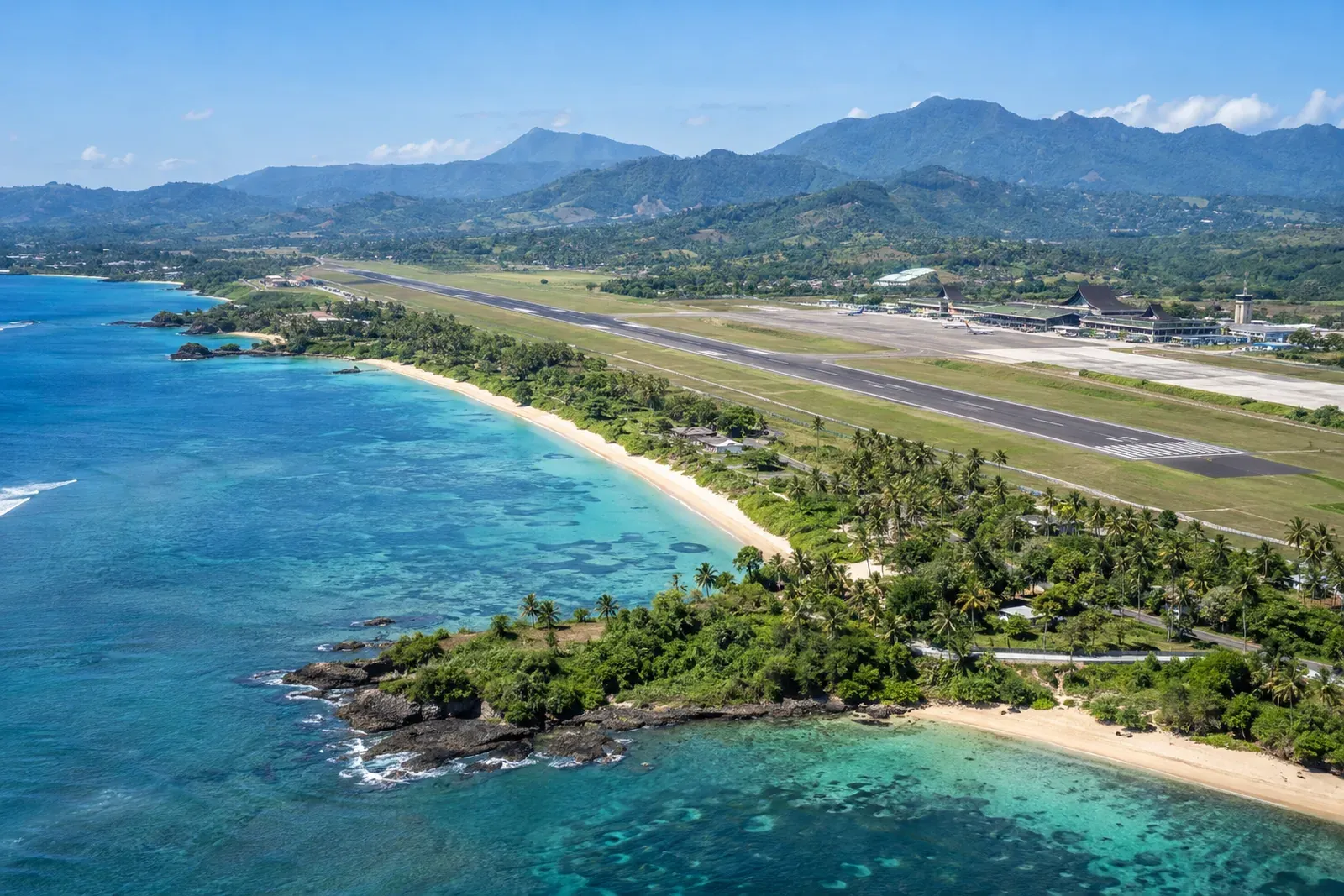
Lombok Airport Logs 82,689 Passenger Movements During MotoGP Week
Lombok International Airport recorded 82,689 passenger movements during MotoGP week, with passenger traffic up 14% on the 2025 event period.
Quick answer: Lombok International Airport recorded 82,689 passenger movements during the Indonesian MotoGP period from 5 to 13 October 2026, alongside 891.4 tonnes of cargo and 927 aircraft movements. Passenger movements rose 14% against the 2025 event period. The figures show a substantial transport operation around Mandalika, but do not establish year-round tourism demand or investment returns.
The latest airport tally offers a timely measure of how an international event can concentrate travel and logistics activity in Lombok. The growth rates are notable, although they differ across passengers, aircraft and cargo, and the reporting period is limited to MotoGP week.
The Context
Lombok International Airport’s operator reported 82,689 passenger movements during the Indonesian MotoGP period, which ran from 5 to 13 October 2026. The same period saw 927 aircraft movements and 891.4 tonnes of cargo. Antara Business reported the figures on 14 October, citing the airport operator.
Compared with the 2025 Indonesian MotoGP period, aircraft movements increased 27.6%, passenger movements rose 14%, and cargo increased 42.7%. These are event-period comparisons, not year-on-year growth rates for the island’s total annual traffic. That distinction matters for investors: a concentrated event can reveal the capacity and coordination mobilised for a demand peak, but it cannot by itself show how much travel is sustained between events.
The clearest signal is the scale of the event operation: more passengers, more aircraft activity and a sharper rise in cargo than in passenger movements.
The numbers point to different pressures within the system. Passenger movements track travellers passing through the airport, while aircraft movements count aircraft activity and cargo measures freight handled. Their growth rates should therefore be read separately. Cargo growth was the strongest of the three comparisons; that may be relevant to event logistics, but the report does not break cargo down by type or explain what drove the increase.
Extra flights helped meet event demand
The airport said it operated 75 flights outside regular services to support MotoGP-period mobility. The reported mix included 53 extra flights served by Garuda Indonesia, TransNusa, Citilink, Pelita Air and Batik Air; six flights involving a change to larger aircraft; eight charter flights; and eight positioning flights to support operational needs.
These figures describe a combination of passenger capacity and supporting aviation activity. A positioning flight, for example, is reported as serving operational needs, so the 75-flight total should not be read as 75 additional scheduled passenger services. The reported categories add to the stated total, but the source does not provide a breakdown of passenger capacity, load factors or the contribution of each category to the overall passenger count.
The response involved coordination among airport stakeholders, according to the operator. It also reported safe operations with zero accidents during the service period. That statement applies to the reported MotoGP period; it is not a broader assessment of airport safety performance.
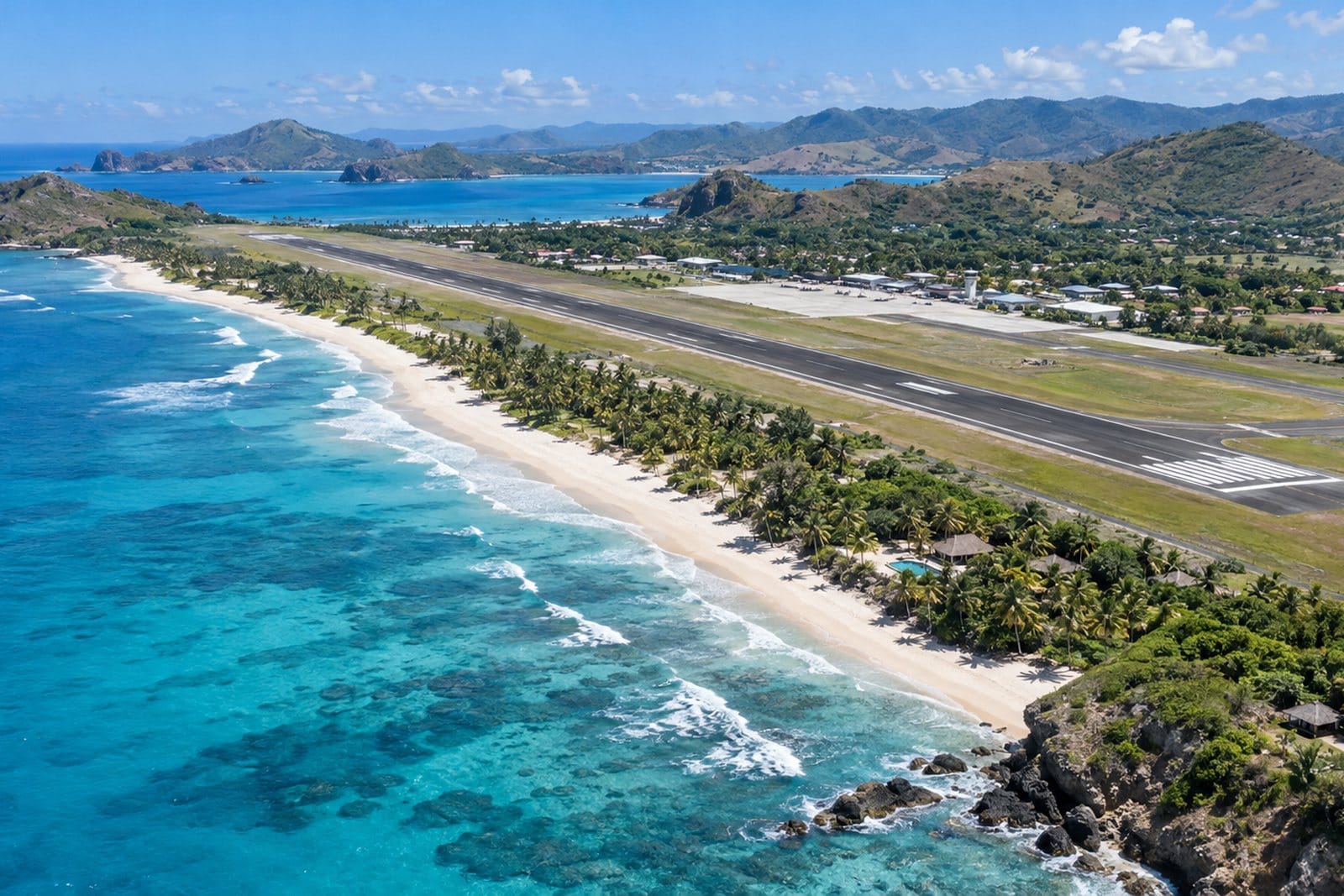 Lombok Airport Logs 82,689 Passenger Movements During MotoGP Week · Illustration: HubLombok (AI-generated)
An event experience beyond the runway
The airport also described changes to the terminal and its welcome programme. For the 2026 MotoGP period, the terminal underwent a beautification incorporating local cultural references and the visual identity of the event. The airport said regional performances included gendang beleq, senggong music and other traditional acts.
It also provided promotional and sales space for local micro, small and medium-sized enterprises. These measures place the airport in a role that extends beyond processing flights: the operator presented the terminal as a point where visitors encounter local culture and local businesses. The report does not quantify sales, visitor responses or the economic contribution of these activities, so their commercial effect remains unmeasured in the figures available.
For Lombok’s tourism proposition, this is a useful part of the story, but it should be treated as evidence of event-period presentation rather than proof of lasting change. A better visitor experience could support a destination’s appeal, while the airport’s reported actions show an effort to connect an international event with local culture and enterprise. Whether those efforts influence repeat visits or spending is not established by this dispatch.
What This Means for Investors
For investors assessing Lombok, the airport data strengthens one narrow point: Mandalika’s MotoGP week can generate a significant, concentrated movement of people and freight, and the airport arranged additional aviation activity to support it. The year-on-year increases give a comparison with the previous event period, while the distribution between passenger, aircraft and cargo growth shows why a single headline number is not enough to describe the operation.
The figures do not answer the questions that determine the performance of a tourism investment. They contain no annual traffic series, no split between domestic and international passengers, no measure of how long visitors stayed, and no account of where they travelled after landing. They also do not show accommodation occupancy, visitor spending or how demand was distributed across Lombok. None of those measures should be inferred from passenger movements alone.
Investors can use the report as a prompt for due diligence, not as a forecast. The practical questions are whether transport access is consistent outside major events, whether visitors reach the locations relevant to a particular asset, and whether demand persists across different travel periods. The source does not answer these questions, so the MotoGP tally should sit alongside independent evidence on a specific location and property rather than substitute for it.
The distinction is especially important when comparing event traffic with a property’s expected income. A nine-day event-period tally is not a rental-yield estimate, an occupancy forecast or evidence of a typical year. The verified South Lombok market context places realistic stabilised occupancy at 55-70% in years one to three and honest net rental yield at 7-12%, but those are broader market estimates, not outcomes demonstrated by this airport report.
The useful reading is neither to dismiss the figures as a one-off nor to treat them as a new baseline. The report documents a sizeable event operation and measured increases against the prior MotoGP period. Investors should watch for further evidence that transport capacity and visitor demand extend beyond the event window before drawing conclusions about durable tourism growth or asset performance.
Stay informed: subscribe to the free Lombok Briefing, published twice a month (the 1st and 15th), for market intelligence like this.
How many passengers travelled through Lombok airport during MotoGP week?
Lombok International Airport reported 82,689 passenger movements during the Indonesian MotoGP period from 5 to 13 October 2026. The airport also recorded 927 aircraft movements and 891.4 tonnes of cargo during that period.
How did airport activity compare with the 2025 MotoGP period?
The airport operator reported that passenger movements rose 14%, aircraft movements increased 27.6%, and cargo increased 42.7% compared with the 2025 Indonesian MotoGP period. These figures compare event periods, not full calendar years.
Do these airport figures prove Lombok property demand is rising?
No. The figures document travel and cargo activity during a nine-day MotoGP period, but do not show annual visitor patterns, accommodation occupancy, visitor spending or demand at a particular property location. Investors should treat them as event-period evidence, not a property forecast.

The Lombok Buyer's Field Guide
Legal structures ranked by risk, the honest ROI math line by line, all six zones ranked, and the 24-point due-diligence checklist. The whole book, free in your inbox.
See what's inside