Daily Dispatch: Mandalika MotoGP Drives Sales for 114 Local MSMEs
Antara reports strong sales for local food and craft vendors at the Mandalika MotoGP. Investors should read the results as a measure of event-time spending, not proof of lasting returns.
Quick answer: Antara reports that local food and handicraft vendors saw strong sales during the Mandalika MotoGP weekend, with 114 local MSMEs selected to trade inside the circuit grounds. For investors, the report offers a timely signal of event-led spending and local participation, while leaving longer-term tourism and property returns unproven.
The race weekend has put a practical question in focus: who captures visitor spending when a major sporting event draws crowds to Mandalika? The early answer is not confined to hotels or ticketing. Local food and craft businesses also found customers inside the circuit, according to Antara Business, in a report published on Sunday.
The Context
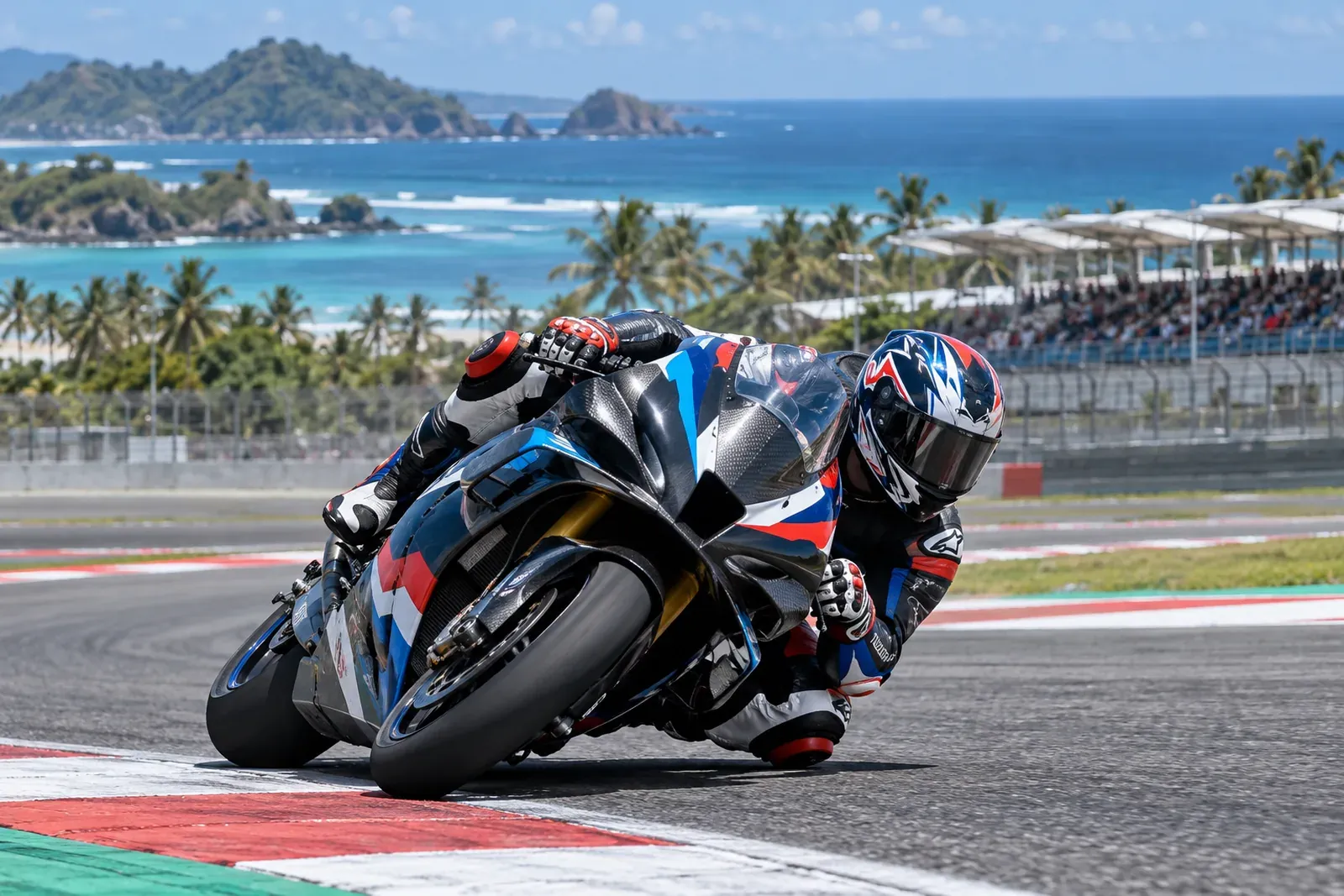
The 2026 Pertamina Grand Prix of Indonesia took place at the Mandalika International Street Circuit in Central Lombok, West Nusa Tenggara, from October 9 to 11. The Lombok Sumbawa Festival ran at the venue, bringing food and handicraft vendors into the spectator grounds. Antara reports that the NTB provincial government facilitated the selection and participation of 114 local MSMEs from across the province.
That detail matters for investors because the economic footprint of an event depends partly on whether local businesses can reach attendees. According to the report, vendor stalls were placed behind spectator stands, a layout praised by food sellers for helping maintain customer flow. Participation was not described as an open, unfiltered market: vendors went through product selection and hygiene training before the event.
Food and beverage sellers accounted for more than 70 per cent of participating businesses. The remainder included handicraft sellers, among them vendors offering pearl jewellery and traditional handwoven textiles known as kain tenun. The provincial administration said participating firms represented trade organisations including the Indonesian Women Entrepreneurs Association and the Regional Handicraft Council.
The report places this activity within a broader tourism story, but its evidence is specific. It records sales and vendor participation at a single event venue over a race weekend. It does not provide a full estimate of the event’s total local economic impact, the businesses’ margins, or how much visitor spending reached the wider area. Those distinctions are essential when translating a vivid weekend into an investment thesis.
What Vendors Sold, and What the Report Shows
Food sellers described brisk demand over the opening days of the event. One vendor told Antara that food had been selling quickly and that she had sold hundreds of meal packages daily, including rice boxes and cerorot, a Lombok delicacy made with rice flour, coconut milk and palm sugar, steamed in cone-shaped palm leaves. She said the stall’s daily revenue exceeded Rp2.5 million, above what she typically earned outside the venue.
The reported prices give the sales account useful texture. Three pieces of cerorot sold for Rp10,000, while meal boxes cost Rp30,000. The vendor attributed the brisk sales to strong spectator turnout and said she had deliberately kept prices affordable. These are vendor-reported figures, not an audited account of average spending across all participating businesses.
Handicraft sellers reported a similar improvement. A local artisan told Antara that domestic and international visitors were buying pearl bracelets, brooches, loose pearls and kain tenun. Prices at the stall ranged from Rp100,000 to more than Rp500,000, depending on the grade and quality of the pearls. That spread suggests a mix of lower-priced purchases and more considered items, but the report does not quantify sales by product or customer type.
114 local MSMEs were selected to sell at the circuit, with food and beverage businesses making up more than 70 per cent of participants, according to the NTB provincial government.
The provincial Cooperatives and SMEs Office expressed optimism that total sales from this year’s MSME activity would exceed the figures recorded in 2025, citing rising ticket sales. That is an official expectation reported before the final race day, not a confirmed year-on-year result. Antara’s article does not provide a final aggregate sales total, so the scale of the increase remains to be established.
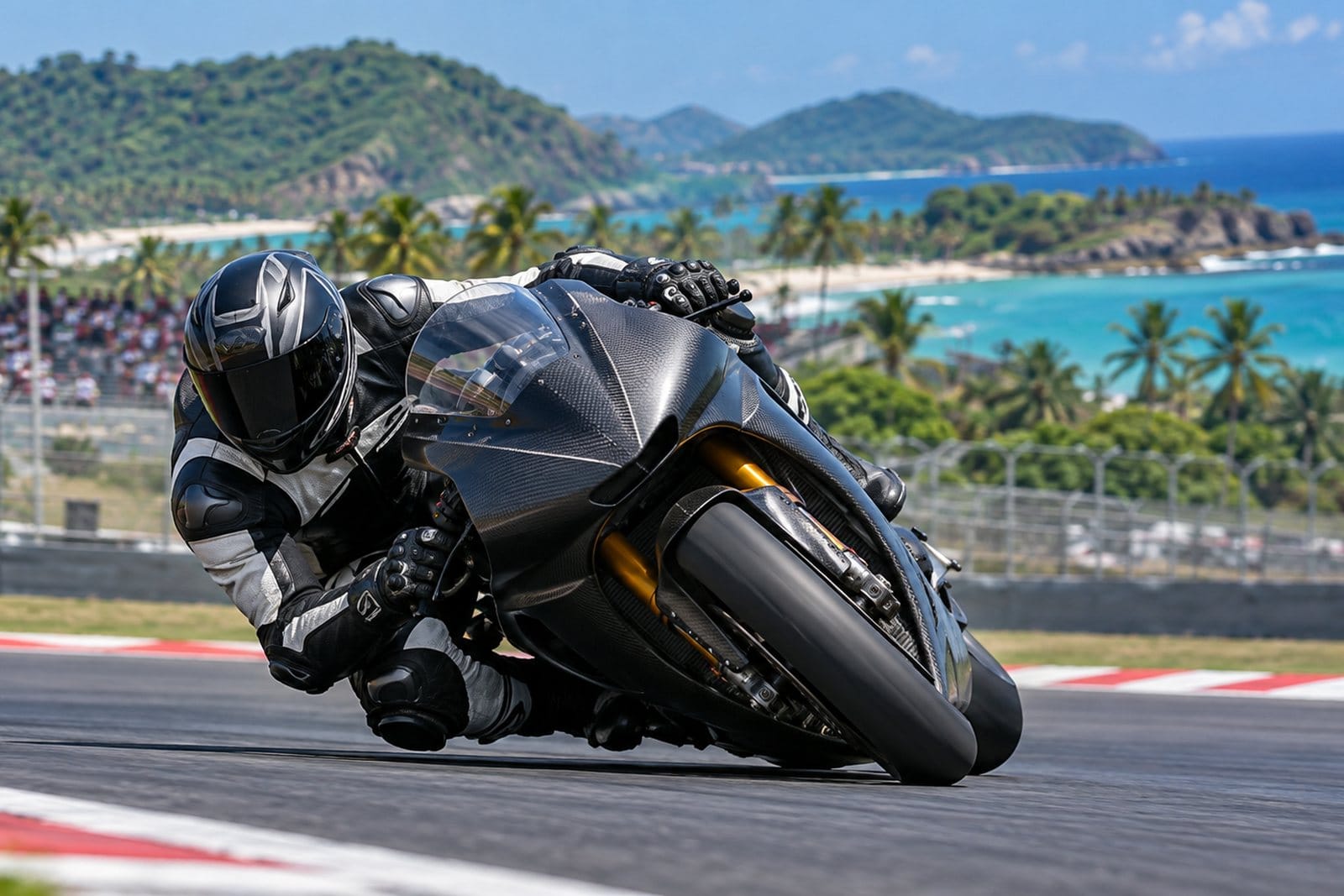 Daily Dispatch · Illustration: HubLombok (AI-generated)
From Event Footfall to Durable Value
For investors, the strongest signal here is that event infrastructure can create a channel for small businesses to meet visitors directly. Stalls behind spectator stands were reported to benefit from customer flow, while product selection and hygiene training indicate that the participation was organised. Those are concrete features of the event’s local commercial set-up, rather than evidence that every nearby business benefited equally.
The distinction between activity inside the circuit and value across the destination should remain clear. Antara’s reporting concerns vendors participating in the Lombok Sumbawa Festival within the venue. It does not measure spending at shops elsewhere in Central Lombok, accommodation bookings, transport demand, or repeat visits after the race. A busy stall is evidence of demand at that point of sale; it is not, on its own, evidence of a broader or lasting uplift.
There is relevant market context in the verified figures: foreign arrivals in Lombok are trending 40 to 50 per cent higher year on year, while Kuta and Mandalika villa rates are about 38 per cent higher year on year. These figures suggest a market experiencing tourism momentum, but the vendor report does not establish that the MotoGP caused either trend. Nor does it show that event crowds translate into a particular property return.
The return question requires separate discipline. The honest net rental yield range for South Lombok is 7 to 12 per cent after management fees and realistic occupancy, while developer-quoted gross yields are a different measure and exclude costs. The sales reported at the circuit cannot be used to validate either yield range or to forecast an individual asset’s performance. Property investors should treat the event as context for demand, not as a substitute for asset-level underwriting.
What This Means for Investors
Mandalika’s race weekend supplies a useful, immediate test of how destination infrastructure can support local commerce. The report indicates that a defined group of MSMEs gained access to spectators and that vendors in food and handicrafts described strong demand. For investors assessing tourism-linked businesses, the mechanism is worth watching: event organisers and public agencies can shape where visitors spend, which vendors participate and what preparation is required.
The next question is whether this event-time activity can become repeatable commerce. Antara reports the provincial government’s expectation that MSME sales would exceed the previous year’s figures, but no final total is included. Investors should look for confirmed aggregate sales, comparisons made on a consistent basis, and evidence about whether participating businesses can sustain sales beyond the race period. The article supplies none of those follow-up results yet.
For real estate, the event is a demand signal with limits. A well-attended race weekend can put Mandalika before domestic and international visitors and give local products a visible platform. It does not establish how many spectators stayed in the area, how much accommodation demand was created, or whether visitors returned. Those are separate questions for investors to verify before attaching a durable cash-flow assumption to a property or tourism business.
The dispatch, then, is encouraging but bounded: 114 local MSMEs had a place to sell within the circuit grounds, and vendors reported strong sales during the weekend. The figures show commercial activity at the event itself. Whether that activity broadens into a more persistent benefit for local firms and the destination will depend on evidence beyond this initial report.
Stay informed: subscribe to the free Lombok Briefing, published twice a month (the 1st and 15th), for market intelligence like this.
What did local businesses report at the Mandalika MotoGP?
Antara reports that food and handicraft vendors described strong sales during the race weekend. The NTB provincial government facilitated the participation of 114 local MSMEs inside the circuit grounds, with food and beverage businesses making up more than 70 per cent.
Does the vendor sales report prove the MotoGP boosts property returns?
No. The report covers sales by participating vendors inside the circuit grounds and provides no evidence on accommodation bookings, repeat visits or individual property performance. It is a signal of event-time spending, not proof of a particular rental yield or lasting property return.
What should investors watch after the race weekend?
The NTB provincial government expected this year’s MSME sales to exceed the 2025 figures, citing rising ticket sales. Antara’s report does not give a final total. Investors can watch for confirmed aggregate sales and evidence of business activity beyond the event period.

The Lombok Buyer's Field Guide
Legal structures ranked by risk, the honest ROI math line by line, all six zones ranked, and the 24-point due-diligence checklist. The whole book, free in your inbox.
See what's inside