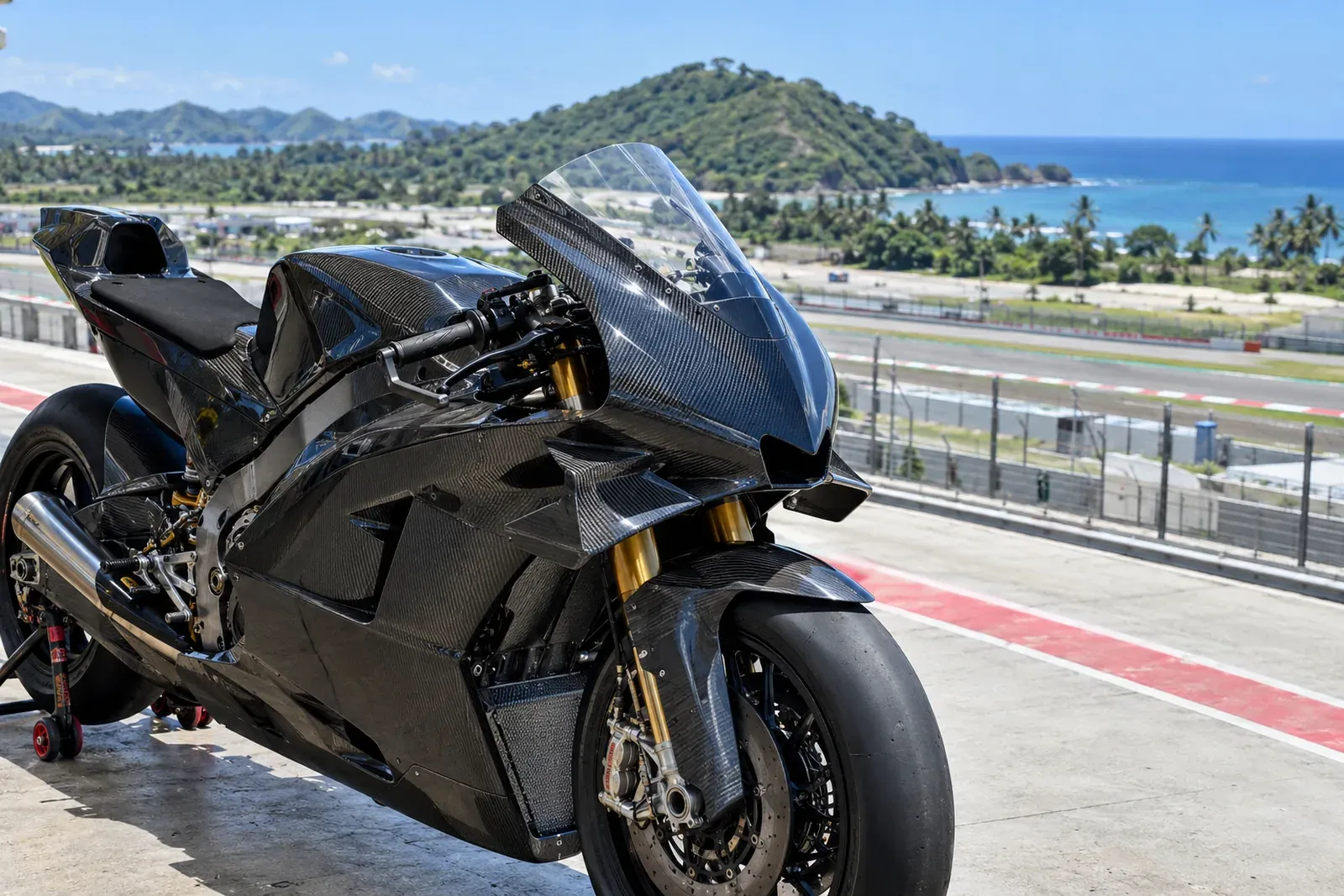
Mandalika MotoGP Brings a Sales Lift to 114 Local Businesses
Local food and handicraft vendors reported stronger sales at the 2026 Mandalika MotoGP, where 114 West Nusa Tenggara businesses were selected to trade.
The 2026 Pertamina Grand Prix of Indonesia gave local food and handicraft businesses a chance to sell to spectators inside the Mandalika International Street Circuit. Vendors reported brisk trading during the race weekend, while the West Nusa Tenggara provincial government said it had facilitated participation for 114 local micro, small and medium enterprises.
The figures offer a useful view of how a major sporting event can connect visitors with local businesses. They also leave a question for investors: can the event’s commercial value extend beyond the circuit and its race weekend?
A busy race weekend for local vendors
The Lombok Sumbawa Festival ran alongside the Grand Prix in Mandalika, Central Lombok, from October 9 to 11. Food vendors said sales were strong over the first two days, with one reporting daily revenue above Rp2.5 million, significantly more than the vendor typically earned outside the venue.
That vendor sold rice meal boxes and cerorot, a traditional Lombok sweet made with rice flour, coconut milk and palm sugar, steamed in cone-shaped palm leaves. Three pieces of cerorot were priced at Rp10,000, while meal boxes cost Rp30,000. The vendor said prices were deliberately kept affordable and that visitors had bought nearly everything brought to the stall.
These are individual vendor figures reported during a particular event. They do not establish what a typical small business earns across the province, or what it might earn at other events. But they show how a concentrated audience can create a sales opportunity for businesses positioned to serve it.
The role of access and preparation
Vendors credited the placement of stalls behind the spectator stands with helping maintain a flow of customers. The provincial government and state-owned tourism developer InJourney Tourism Development Corporation (ITDC) were praised for arranging the locations.
The provincial Cooperatives and SMEs Office said it had facilitated the selection and participation of 114 businesses from across West Nusa Tenggara. Food and beverage vendors made up more than 70 percent of those participants. The businesses also represented trade organisations including the Indonesian Women Entrepreneurs Association and the Regional Handicraft Council.
All participating vendors underwent product selection and hygiene training before the event. That detail matters to the story: participation involved a selection process and preparation, as well as access to spectators. The source does not specify how many businesses applied, how selection was decided, or whether the same arrangements will be used at future editions.
Handicrafts find buyers too
The reported sales lift was not limited to food. A local artisan selling Lombok pearl jewellery described strong demand from domestic and international tourists. Products included pearl bracelets, brooches, loose pearls and traditional handwoven textiles known as kain tenun.
Prices at the artisan’s stall ranged from Rp100,000 to more than Rp500,000, depending on pearl grade and quality. The account suggests that the event gave vendors a place to present products across different price points. It does not provide total handicraft sales or a comparison with the vendors’ usual trading days.
For local businesses, the mix of food and craft stalls also points to two different ways of serving event visitors: immediate purchases during the race weekend and products that may carry a local identity beyond the venue. The source records sales activity at the circuit, but does not track whether visitors later bought from those businesses elsewhere.
What this means for investors
The report is evidence of event-linked trading, rather than a measure of the wider economic impact of MotoGP. One vendor’s daily revenue, the number of selected businesses and the reported mix of stalls provide specific details, but the source does not give total sales for all 114 participants. Nor does it quantify how much spending reached businesses outside the circuit grounds.
The provincial official expressed optimism that this year’s total MSME sales would exceed the figures recorded in 2025, citing rising ticket sales. That remains an expectation in the report; it is not a confirmed final sales total. The article also links the event’s activity to strong spectator turnout, but gives no overall visitor count.
For investors assessing Mandalika and the surrounding visitor economy, the practical question is whether event activity can support local businesses through repeat opportunities and effective access to customers. The vendor accounts show that placement, product preparation and an audience were part of this event’s trading environment. They do not, on their own, establish a lasting commercial trend or forecast returns.
The next useful measure will be whether the organisers and local authorities can sustain opportunities for businesses at future events and report results that show how broad the benefits are. For now, the 2026 race weekend offers a concrete snapshot of local commerce inside the circuit, with further evidence needed to judge its reach beyond the venue.
Stay informed: subscribe to our free Lombok Briefing, published twice a month (the 1st and 15th), for analysis like this.
How many local businesses took part in the Mandalika MotoGP festival?
The West Nusa Tenggara provincial government facilitated the selection and participation of 114 local micro, small and medium enterprises. Food and beverage vendors accounted for more than 70 percent of the participants.
What did vendors report selling at the 2026 Mandalika MotoGP?
Food vendors sold items including rice meal boxes and cerorot, a traditional Lombok sweet. Handicraft stalls offered pearl jewellery and kain tenun, a traditional handwoven textile. One food vendor reported daily revenue above Rp2.5 million.
Do the reported sales show the total economic impact of MotoGP?
No. The report gives accounts from vendors and says 114 businesses participated, but it does not state total sales across all participants or measure spending beyond the circuit. A provincial official expressed optimism about exceeding 2025 figures, but no final total was provided.

The Lombok Buyer's Field Guide
Legal structures ranked by risk, the honest ROI math line by line, all six zones ranked, and the 24-point due-diligence checklist. The whole book, free in your inbox.
See what's inside