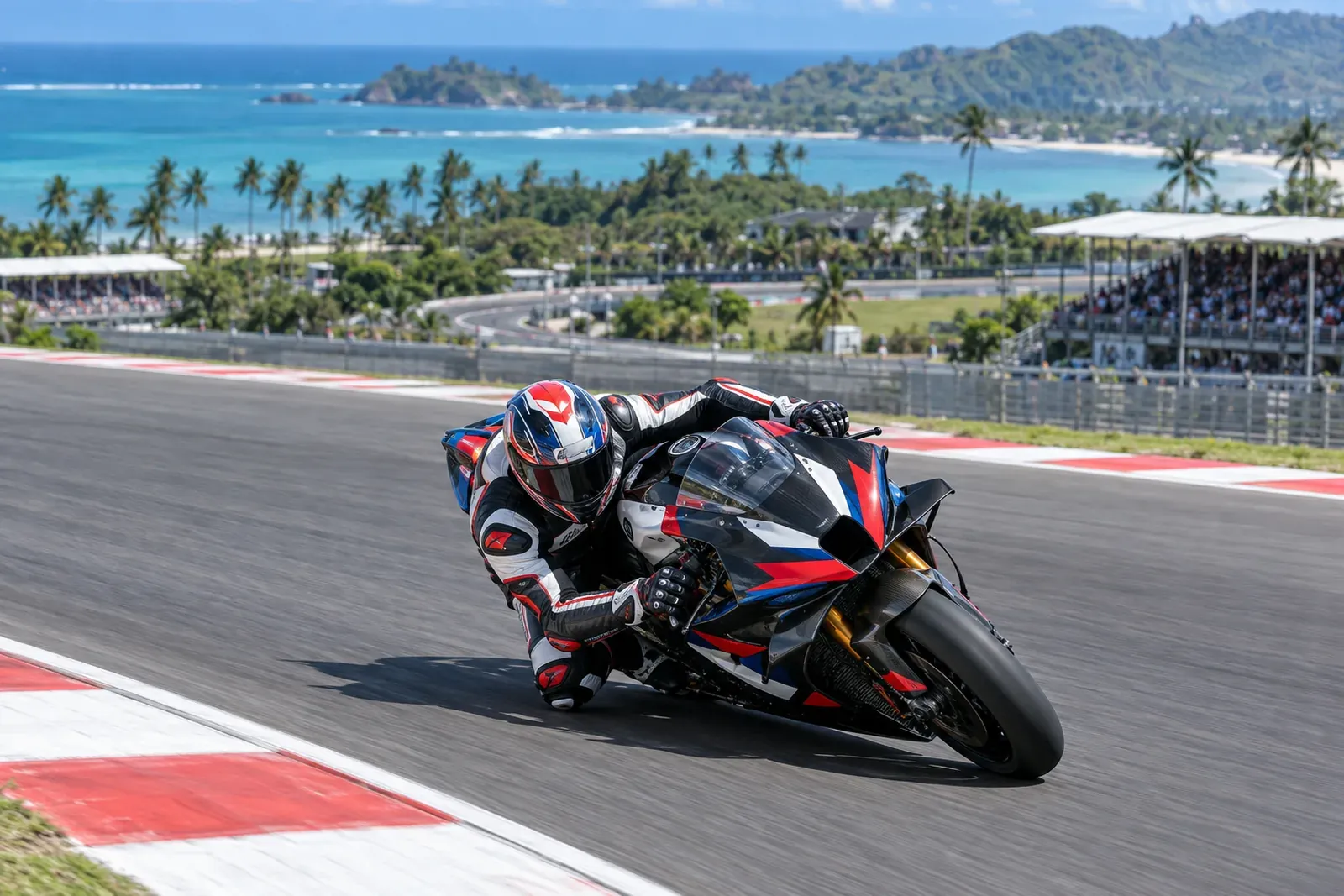
Mandalika’s Record MotoGP Crowd: What the Economic Impact Really Signals
A record MotoGP crowd and an estimated Rp5 trillion in economic impact put Mandalika’s tourism ambitions in focus. The investment question is what lasts after race week.
Quick answer: Mandalika’s 2026 MotoGP drew more than 150,000 visitors and generated an estimated Rp5 trillion in multiplier economic impact, according to Indonesia’s Tourism Minister. For Lombok investors, the figures underline the race’s ability to concentrate demand across hospitality and local services, while leaving a harder question: how much activity continues after the event ends?
A major sporting event can make a destination visible in a way that an ordinary tourism campaign cannot. But the headline impact is not the same thing as a lasting change in local incomes, visitor patterns or property performance. Mandalika’s record crowd is therefore a useful starting point for examining what the event demonstrates, and what it does not.
The Context
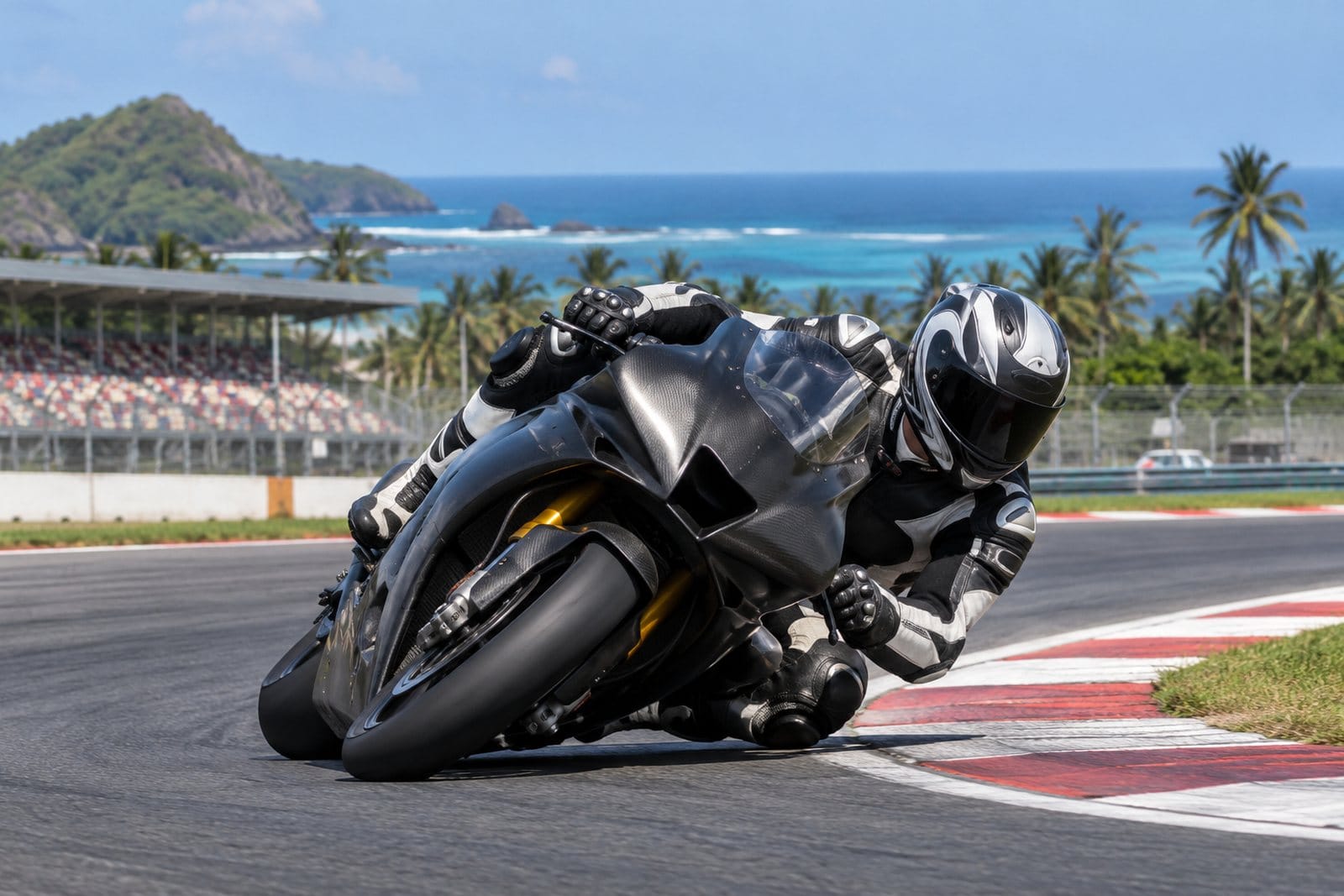 Mandalika’s Record MotoGP Crowd · Illustration: HubLombok (AI-generated)
The 2026 race at Mandalika Circuit, in West Nusa Tenggara, drew more than 150,000 visitors, according to the report by Antara Business. Indonesia’s Tourism Minister described the event as a national strategic agenda for sports tourism and said it had attracted tourists and generated economic benefits for local communities. The ministry’s stated ambition is to develop sports tourism further, in collaboration with the Youth and Sports Ministry.
The headline estimate is Rp5 trillion (US$271.9 million) in multiplier economic impact. That figure is attributed to the Tourism Minister’s statement. It is an estimate of economic effects associated with the event, rather than a reported measure of revenue earned by the circuit, hotels or any single business. The distinction matters: a multiplier estimate describes activity across connected sectors, while the financial result for an individual investor depends on the asset, its costs and its own trading conditions.
The report points to several channels through which the event’s effects spread: hospitality, transport, food services and micro, small and medium enterprises. Higher visitor numbers can mean more customers for accommodation and restaurants, but also for transport providers and smaller businesses serving tourists. This breadth is part of the case for public investment in sports tourism. It is also why a single headline figure should not be read as a direct proxy for private returns.
“Sports is a tourism segment with significant potential for further development.”
The Tourism Minister’s statement, as reported by Antara Business
The reported hotel occupancy figures make the event’s concentrated pressure on local accommodation more tangible. Occupancy reached 100 per cent in the Mandalika area and 90 per cent in Central Lombok and Mataram City, the minister said. Those are event-period figures. They do not establish typical annual occupancy, nor do they show how rates or operating costs changed. For investors, the calendar and the operating period matter as much as the peak.
A Large Multiplier, with Limits
The Rp5 trillion estimate looks substantial alongside the previous year’s assessment. A National Development Planning Agency study estimated that the 2025 event added between Rp2.7 trillion (US$146.8 million) and Rp4.7 trillion (US$255.6 million) to the national economy. The newer estimate is higher than that range, though the two figures should be treated as estimates from different reporting periods and sources, not as a like-for-like audited series.
That qualification is central to a measured reading of the story. The supplied report does not set out the methodology behind the 2026 multiplier estimate, define which activities are included, or separate additional visitor spending from expenditure that might otherwise have occurred elsewhere in Indonesia. It also does not break the total down by district or business type. The figure indicates the scale claimed for the event’s wider economic reach, but it cannot by itself show the net gain retained in Lombok.
There is a second distinction between peak demand and durable demand. Full occupancy in Mandalika during the race signals that accommodation was heavily used at that moment. It does not say whether rooms were occupied before or after the event, whether visitors stayed longer, or whether returning tourists came for other reasons. Nor does a crowded event automatically translate into evenly distributed benefits. The report identifies several sectors that benefited, but provides no breakdown of the amounts received by each.
For investors, the useful comparison is not simply this year against last year. It is the event week against the rest of the tourism calendar, and the immediate spend against the capacity to attract repeat visits. The report says attendance and international attention have grown annually, but it does not provide a year-by-year attendance series. That supports the description of growing attention, while leaving the size and pace of the trend unquantified here.
From Event Week to Year-Round Activity
The minister’s statement explicitly looks beyond the race itself, calling for continued tourist arrivals and long-term activity after the event. That is the strategic test for Mandalika: can the international attention and visitor inflow around MotoGP help support tourism activity at other times, and across businesses with different scales and customer bases?
The report offers some evidence of reach across sectors. Alongside hospitality, it cites higher air passenger numbers and greater turnover for micro, small and medium enterprises. Those effects suggest that the event connects transport and local commerce to the visitor economy. Yet the source does not quantify those increases or indicate how long they persisted. The defensible conclusion is that a major event can bring a broad range of businesses into contact with tourist demand, while the lasting commercial value remains to be demonstrated.
This is where the distinction between destination promotion and operating performance becomes important. International attention may raise awareness, but a property investment still depends on its location, its costs, its management and demand across the year. The verified South Lombok market context gives a sense of the wider investment setting: realistic stabilised villa occupancy is 55-70 per cent in years one to three, while Bali runs at 70-85 per cent. Those market ranges are not forecasts for Mandalika, and they should not be confused with the race-period occupancy figures cited by the minister.
The same care applies to yield claims. Developer-quoted gross yields and honest net yields are different measures, with costs reducing what an owner retains. A tourism event may help create a demand peak, but the source does not establish that it changes a property’s net yield. Investors considering Lombok should therefore treat MotoGP as part of the destination context, then assess any asset against realistic occupancy, fees and costs rather than extrapolating from a sold-out event or a national multiplier estimate.
What This Means for Investors
Mandalika’s 2026 MotoGP offers a persuasive case for the economic visibility of sports tourism. A crowd of more than 150,000 visitors, the estimated Rp5 trillion multiplier impact and reported full occupancy in the immediate area all point to intense event-linked activity. Together, they show why the race has become a focal point in Indonesia’s tourism strategy.
For investment decisions, however, these are signals about destination activity, not a substitute for asset-level diligence. The figures do not show how much of the estimated impact stayed in Lombok, how benefits were distributed, or whether event-period accommodation demand carried into the wider year. The previous year’s national estimate provides context, but the available figures do not amount to a consistent time series from which to forecast future returns.
The more durable opportunity would be a stronger connection between international events and repeat tourism, alongside business activity beyond race week. The minister’s call to sustain arrivals captures the ambition. Whether it becomes a lasting commercial pattern will depend on activity that the supplied report does not yet measure. Investors can take the event seriously without treating its headline estimate as a promise: it is evidence of concentrated demand and strategic commitment, while the long-term conversion remains an open question.
Stay informed: subscribe to the free Lombok Briefing, published twice a month (the 1st and 15th), for market intelligence like this.
What economic impact did the 2026 Mandalika MotoGP generate?
Indonesia’s Tourism Minister said the event generated an estimated Rp5 trillion (US$271.9 million) in multiplier economic impact. The figure describes estimated effects across the wider economy, rather than revenue earned by any one business or a direct measure of investor returns.
Does Mandalika’s full MotoGP occupancy indicate year-round demand?
No. The minister reported occupancy of 100 per cent in the Mandalika area and 90 per cent in Central Lombok and Mataram City during the event period. Those figures show concentrated demand around the race, not typical annual occupancy or demand in other periods.
What should Lombok investors take from the MotoGP figures?
The crowd and estimated multiplier impact show the event’s capacity to concentrate visitor activity across hospitality, transport, food services and smaller businesses. They do not establish how much activity lasts after the race or predict returns for an individual property.

The Lombok Buyer's Field Guide
Legal structures ranked by risk, the honest ROI math line by line, all six zones ranked, and the 24-point due-diligence checklist. The whole book, free in your inbox.
See what's inside