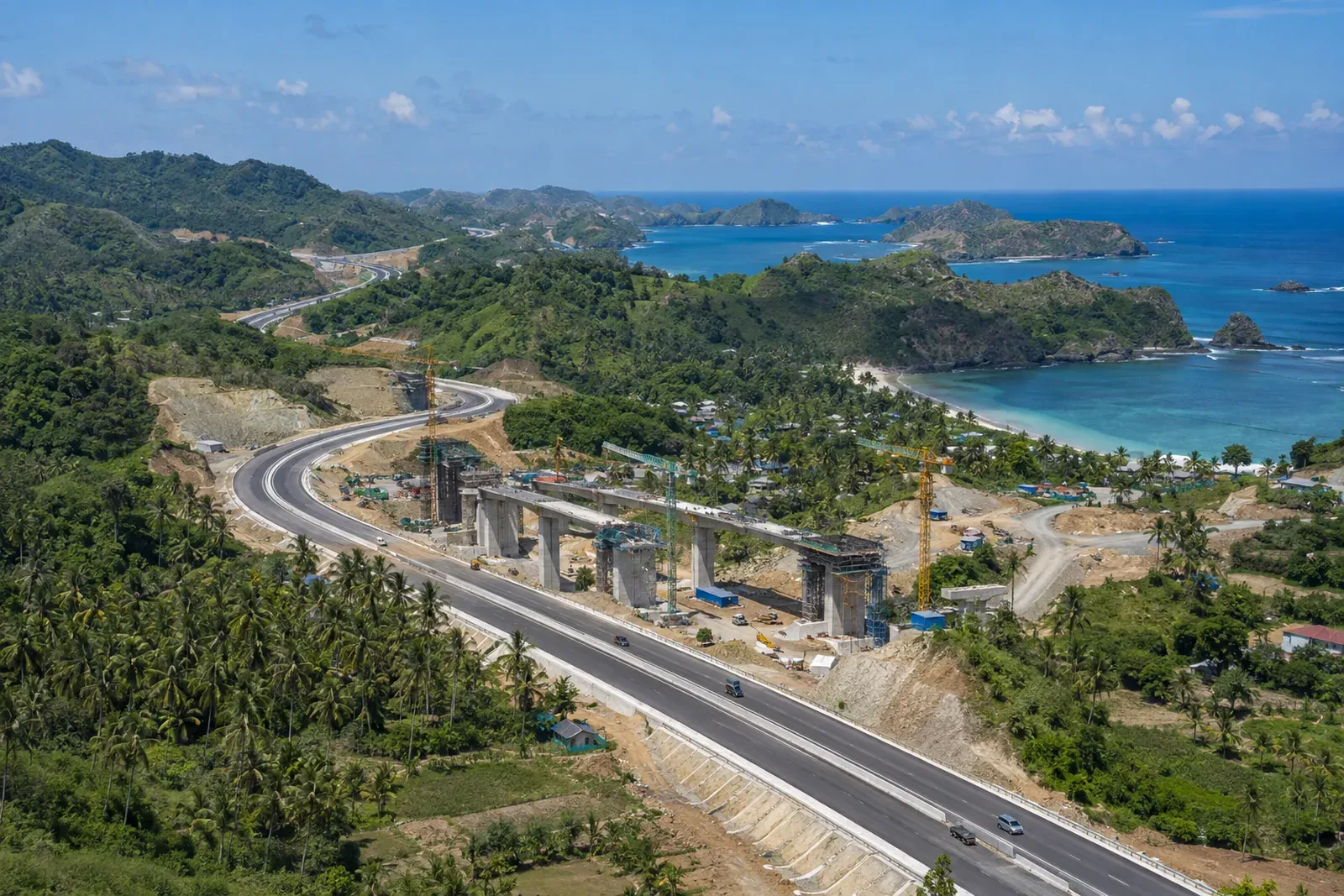
Mandalika MotoGP’s Rp5 Trillion Ambition, and the Investor’s Longer View
InJourney targets nearly Rp5 trillion in economic impact from the Mandalika MotoGP. The investment question is how much of that activity lasts beyond race weekend.
Quick answer: InJourney is targeting nearly Rp5 trillion in economic impact from the Mandalika MotoGP, with activity expected across accommodation, food, transport, trade and tourism. For investors, the event signals Mandalika’s ability to concentrate demand and attract visitors. It does not, by itself, show that peak-weekend conditions will persist through the year.
The Grand Prix is a vivid test of Lombok’s tourism infrastructure: flights are being added, hotels near the circuit are nearing full occupancy, and local businesses are being drawn into the event economy. The harder question for investors is what this busy weekend tells them about the destination once the race has passed.
The Context
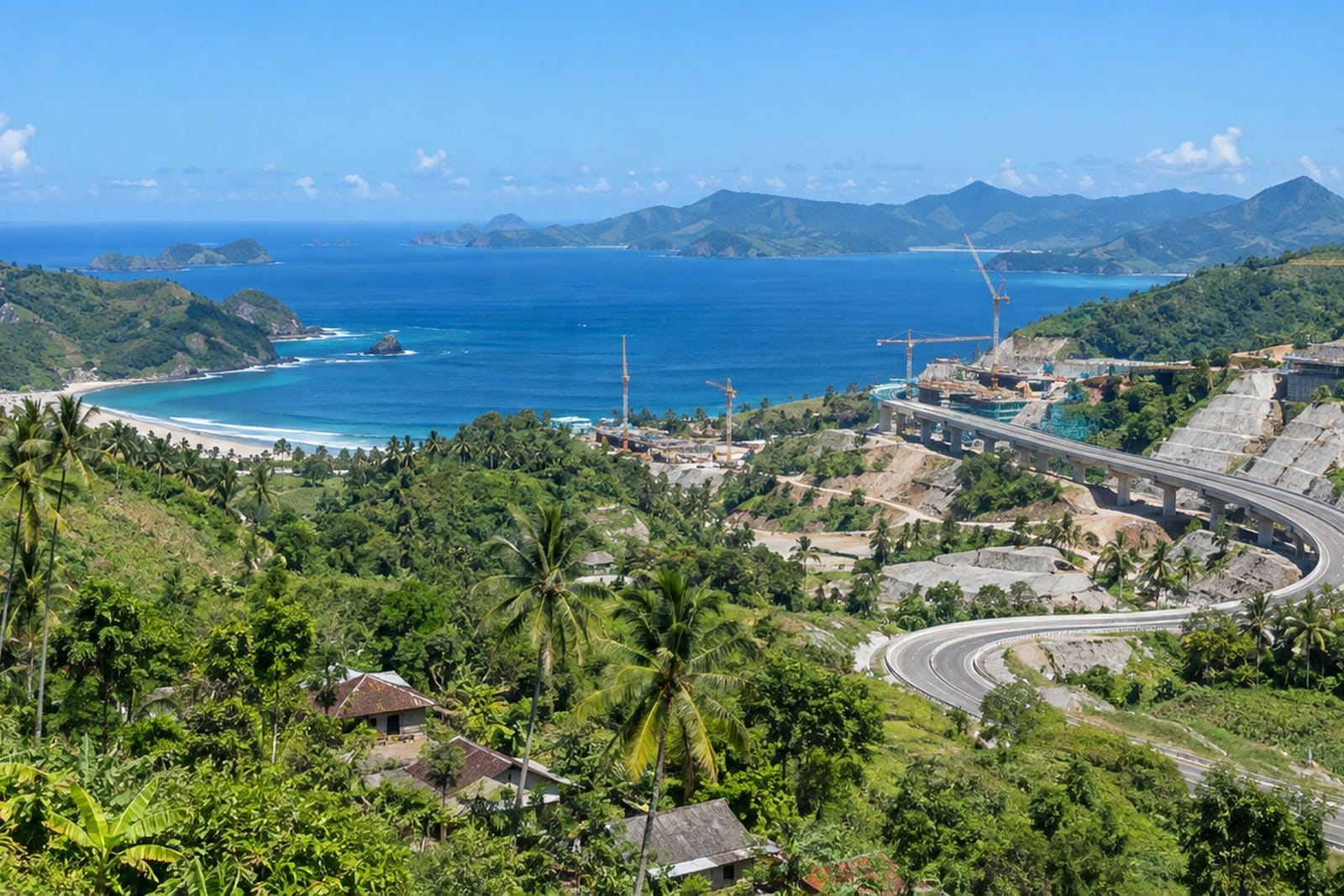 Mandalika MotoGP’s Rp5 Trillion Ambition, and the Investor’s Longer View · Illustration: HubLombok (AI-generated)
InJourney, the state-owned aviation and tourism holding company, aims to generate nearly Rp5 trillion, approximately US$279.33 million, in economic impact from the 2026 Pertamina Grand Prix of Indonesia. The event is scheduled for October 9–11, its fifth consecutive year at Mandalika since its debut in 2022. Those figures establish the scale of the ambition. They are a target and an event record, not a statement of realised returns for individual businesses or property owners.
The distinction matters. “Economic impact” gathers activity across multiple parts of the economy. InJourney expects the event to engage up to 3,000 local workers and nearly 600 micro, small and medium-sized enterprises in accommodation, culinary services, transport, trade and tourism. That breadth is significant: the benefits being described extend beyond tickets and the circuit itself. But the total cannot be read as revenue flowing directly to any one sector, much less as a measure of what a particular investor might earn.
InJourney President Director Maya Watono has framed the race as a destination-building effort:
“The Mandalika MotoGP is about more than just three days of racing; we are building a legacy for Indonesia.”
It is a strategic claim, and its substance should be assessed over time. A recurring international event can create a reason for visitors to come, give local businesses a concentrated period of demand and keep Mandalika visible to audiences well beyond Indonesia. Turning that visibility into durable tourism activity depends on the wider visitor experience and the services available around the circuit. The source describes that ambition, but does not quantify how much lasting demand the event will create.
The multiplier beyond the grandstand
The logistics announced for the event show how demand can travel through a destination’s economy. InJourney Airports has scheduled 66 extra flights at Lombok International Airport: 48 additional regular flights, 11 charter flights, four aircraft upgrades and three positioning flights. Hotel occupancy surrounding the circuit is approaching 100 percent, according to the source.
These are useful signs of event-weekend pressure on transport and accommodation. They are also time-bound. An investor assessing a hotel, villa or hospitality business needs to distinguish a near-full circuit area during the Grand Prix from typical occupancy across the year. The verified market context puts realistic stabilised villa occupancy in South Lombok at 55–70 percent in years one to three. A race-weekend peak and a stabilised annual operating picture answer different questions.
The attendance record gives the event a longer arc. Spectator numbers rose from 102,929 in 2023 to 121,252 in 2024, then reached 140,324 in 2025. Antara also reports that the Grand Prix is broadcast to nearly 200 countries, with an international fan base exceeding 632 million. Those numbers indicate increasing attendance at the event and substantial international reach. They are not counts of visitors to Lombok across a full year, and broadcast reach is not the same as confirmed future bookings.
The distinction is practical rather than academic. A hotel filling around race weekend may point to a strong event calendar; the investor still needs to understand the business’s ability to attract guests outside that window. A restaurant or transport operator may benefit from the concentration of visitors, while the scale and persistence of that benefit will vary with its location and business model. The source identifies the sectors involved, but supplies no firm-by-firm revenue or year-round performance data.
What the event can, and cannot, tell investors
Danantara Chief Operating Officer Dony Oskaria says five years of hosting MotoGP have transformed West Nusa Tenggara’s tourism ecosystem. He points to growth in traffic alongside expansion in hotels, restaurants, flight services and other economic activity. That is a useful description of the intended multiplier: the event matters most if it supports a broader network of businesses and visitor services, rather than functioning as an isolated attraction.
For investors, the evidence is strongest on visibility and concentrated demand. Rising spectator attendance, additional flights and near-full hotels around the circuit show that Mandalika can accommodate a substantial event. InJourney’s projected impact and expected local participation give a sense of the intended economic reach. They do not establish how much demand will carry into quieter periods, how much of the target will be realised, or how it will be distributed among local operators.
The wider Lombok market offers context, but not a shortcut from a headline event to an investment case. The verified facts report foreign arrivals up 40–50 percent year on year, alongside Kuta and Mandalika villa rates up about 38 percent year on year. Those are broader trend indicators, not figures attributed to MotoGP alone. The event is one part of a destination story that also needs to be judged on its ordinary travel patterns and the ability of businesses to serve visitors beyond the Grand Prix.
A disciplined investor can therefore treat MotoGP as a demand signal, then test the underlying asset on less exceptional assumptions. For accommodation, that means asking how a projected business performs outside headline weekends and checking the cost assumptions behind any advertised gross yield. Developer-quoted gross yields in the market are 12–22 percent; honest net rental yields, after costs and realistic occupancy, are 7–12 percent. Gross and net are not interchangeable, and neither a crowded hotel area nor rising attendance supplies an individual asset’s operating record.
What This Means for Investors
Mandalika’s MotoGP has a credible role in the region’s tourism strategy: it brings international attention, creates a concentrated visitor peak and draws businesses from several sectors into the event. The announced flight schedule and attendance history make that role tangible. InJourney’s nearly Rp5 trillion figure is best read as a target for broad economic impact, rather than a property-market valuation or an investor’s likely return.
The investment case rests on what can be sustained between races. Investors should look for evidence that visitor demand reaches beyond the circuit area and event dates, and assess each asset against realistic occupancy and cost assumptions. A full hotel near the track is a striking image of demand under pressure. It is not a substitute for the longer view: who returns, where they stay and how local businesses serve them through the rest of the calendar.
Stay informed: subscribe to the free Lombok Briefing, published twice a month (the 1st and 15th), for market intelligence like this.
Does the MotoGP’s Rp5 trillion target represent investor returns?
No. InJourney’s nearly Rp5 trillion figure is a target for broad economic impact across sectors including accommodation, food, transport, trade and tourism. It is not a forecast of revenue or returns for an individual property, business or investor.
Does near-full hotel occupancy around the circuit show year-round demand?
No. The source describes hotel occupancy near the circuit as approaching 100 percent around the event. That is a peak-period signal. Verified market context puts realistic stabilised South Lombok villa occupancy at 55–70 percent in years one to three.
What does the MotoGP tell investors about Mandalika?
It shows Mandalika can attract a large event audience and concentrated demand for flights and accommodation. The event’s attendance history and planned extra flights support that reading, but do not establish how much demand will continue outside race dates.

The Lombok Buyer's Field Guide
Legal structures ranked by risk, the honest ROI math line by line, all six zones ranked, and the 24-point due-diligence checklist. The whole book, free in your inbox.
See what's inside