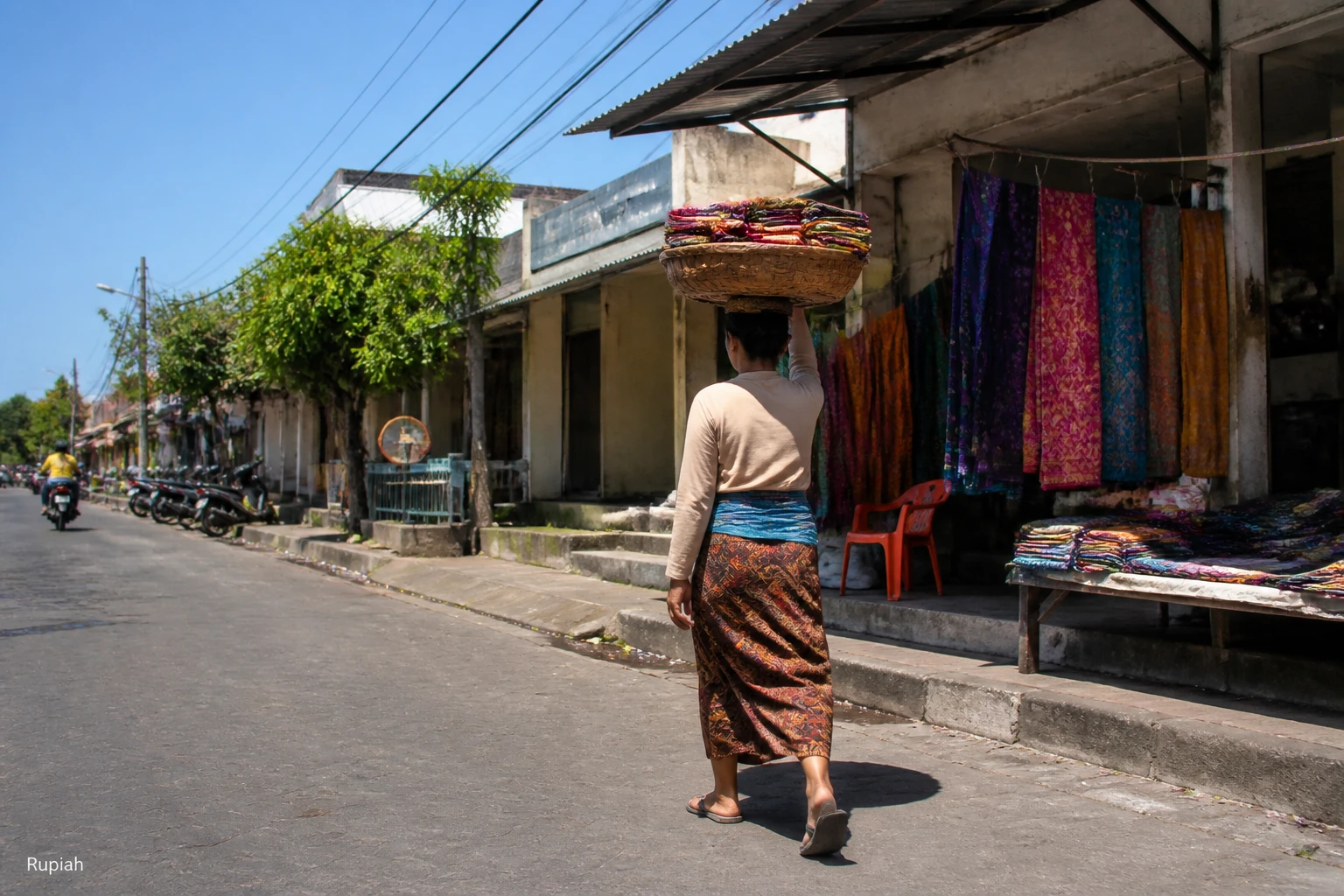
Indonesia's Textile Resilience: Why Currency Weakness Is Not Your Property Threat
Indonesia's textile sector thrives despite rupiah weakness. What currency depreciation means for Lombok property investors, and why manufacturing resilience de-risks long-term villa valuations.
Quick answer: Indonesia's textile industry, resilient despite rupiah depreciation, signals broader economic stability favourable for Lombok property investors. Currency weakness initially boosts foreign purchasing power in rupiah terms, though repatriation costs require hedging. Critically, manufacturing strength diversifies Indonesia's economy beyond tourism, de-risking regional valuations for long-term investors.
When the rupiah weakens, most foreign property investors feel a familiar frisson of anxiety. Currency volatility is a specter that haunts every international investment thesis, and Indonesia's textiles sector, reportedly holding firm despite recent capital market turbulence, offers a valuable window into why that anxiety may be misplaced.
The Context
Indonesia's textile industry, one of Southeast Asia's largest manufacturing bases, remains resilient even as the rupiah has depreciated against the US dollar and the capital markets have swung through volatile cycles. Deputy Minister of Industry Faisol Riza recently underlined this resilience, suggesting that despite rupiah weakness and capital market turbulence, the sector continues to attract investment and maintain production capacity.
The textile industry matters far beyond mills and export quotas. It represents Indonesia's non-tourism economic foundation, a critical point for investors considering long-term property holdings in Lombok. Whilst South Lombok has been swept up in the tourism surge (airport expansion underway through 2025–26, MotoGP arrivals already up 47% year-on-year), a diversified economy is always preferable to one standing on tourism alone.
The rupiah's depreciation, a gradual, multi-year trend exacerbated by capital market volatility, typically signals foreign-exchange pressure, but it also signals something investors often overlook: competitiveness. A weaker rupiah makes Indonesian manufacturing exports cheaper globally, allowing sectors like textiles to retain market share and maintain employment. Employment stability, in turn, supports domestic consumption and property valuations in secondary markets like Lombok.
Currency Weakness and Foreign Purchasing Power
For European, Australian and American investors, rupiah depreciation presents a paradoxical advantage. If you're acquiring a €250,000 villa in South Lombok today, a 10% rupiah depreciation against the euro means your purchase price, in rupiah terms, has become proportionally cheaper. The nominal cost may remain constant, but your euro buys more rupiah than it did six months prior.
This dynamic is precisely why currency weakness often accelerates foreign investment in emerging markets. The Bali-overflow thesis, investors priced out of central Bali migrating to secondary island opportunities, has been partly driven by exactly this mechanism. Lombok entry prices (currently €95,000 to €350,000 for primary properties) become even more compelling for foreign capital when the rupiah weakens.
The repatriation question, however, demands discipline. If you earn rental income in rupiah and wish to convert it to euros or AUD for domestic consumption or reinvestment, currency exposure becomes material. A villa generating 15–22% gross yields (typical for South Lombok rentals) will see that yield compress if the rupiah continues to depreciate relative to your home currency. Astute investors hedge this exposure via fixed-rate forward contracts or multi-currency accounts, locking in conversion rates for expected rental income streams. This is not exotic strategy; it is foundational risk management for any serious regional investor.
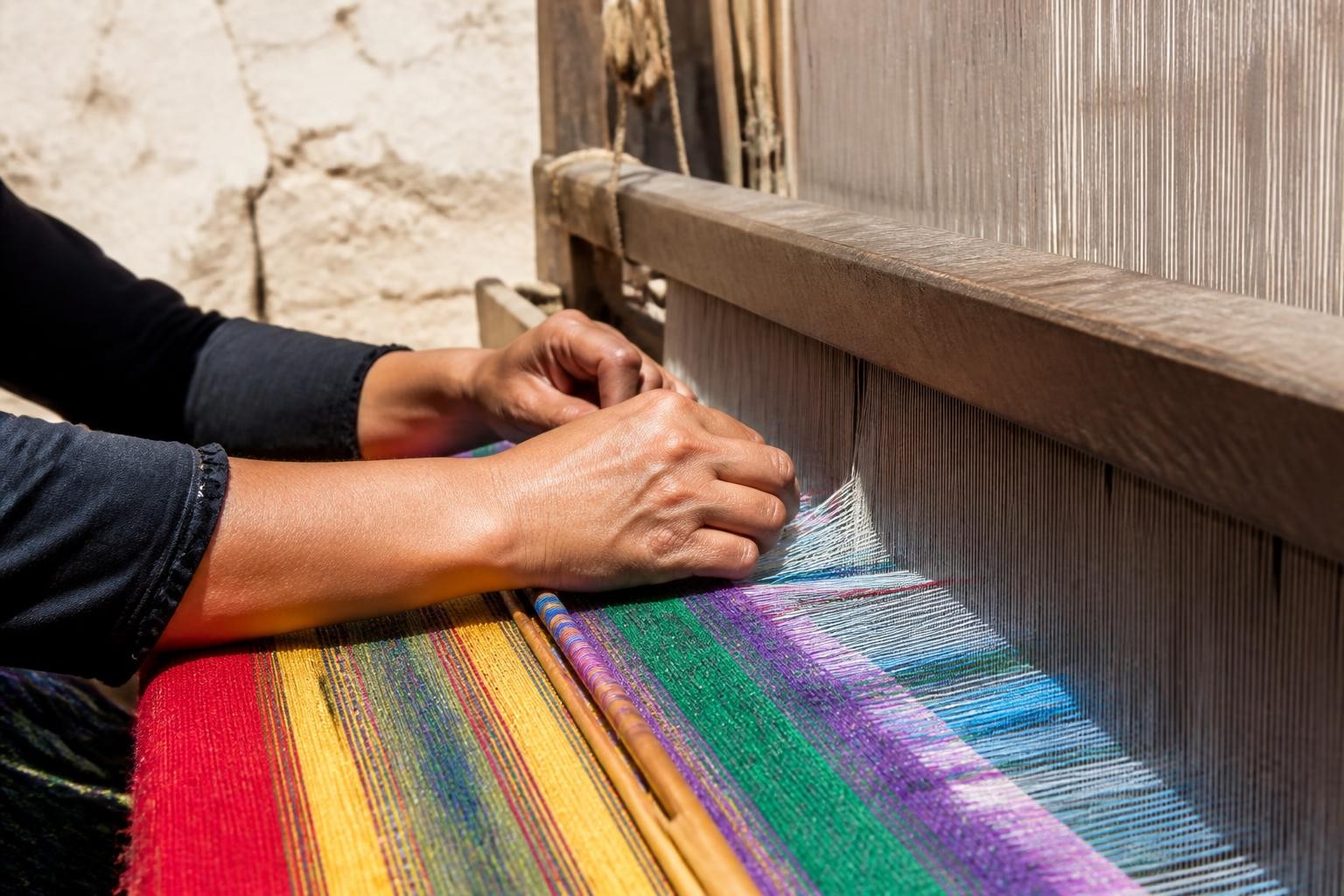 Indonesia's Textile Resilience · Illustration: HubLombok (AI-generated)
Why Textile Resilience Signals Economic Stability
The apparent stability of Indonesia's textile sector, holding firm despite rupiah volatility and capital market swings, constitutes a signal of deeper economic resilience. When a capital-intensive, export-oriented manufacturing sector continues to invest and produce amid currency headwinds, it telegraphs three critical truths:
- Supply chain confidence remains intact: International buyers continue placing orders, implying that underlying export demand remains robust.
- Structural competitiveness endures: Depreciation helps margins, but if textiles were structurally uncompetitive, depreciation alone would not sustain them. Sector resilience suggests underlying productivity improvements and disciplined cost management.
- Regional employment stays stable: Textile mills, particularly in Java and Sumatra, employ hundreds of thousands. Stable employment props up domestic consumption, urban property markets and the migration patterns that drive tourism infrastructure investments.
For Lombok specifically, this matters profoundly because it de-risks the regional economy. Lombok's property yields rest historically on tourism growth. Tourism alone, however, is fragile, COVID-19 exposed this vulnerability starkly. A diversified economy, where manufacturing holds its own despite macroeconomic headwinds, suggests that Indonesia's broader economic foundation is sound. This underpins the long-term thesis for property valuations in emerging destinations like South Lombok.
Consider the infrastructure pipeline: airport expansion, planned road upgrades and potential MotoGP circuit development. These are not speculative fantasies; they reflect a government and private sector with confidence in regional growth. That confidence is partly rooted in the knowledge that Indonesia's manufacturing base, textiles, electronics, automotive, remains competitive and generating foreign exchange. Without that foreign exchange, infrastructure projects slow or stall entirely.
What This Means for Investors
The headline takeaway: Rupiah weakness is not a threat to property valuations; it is, paradoxically, an opportunity window for foreign capital whilst simultaneously validating the economic fundamentals that support those valuations.
For incoming investors, three principles apply:
- Entry prices are measurably lower in euro/AUD terms, courtesy of rupiah depreciation. A €250,000 villa today costs considerably less than it would have two years ago in purchasing-power terms.
- Repatriation hedging is non-negotiable. Lock in conversion rates for expected rental income via forward contracts. This removes currency volatility from your yield calculation and allows you to model returns with precision.
- Economic diversification is structural, not cyclical. Indonesia's textile sector resilience, alongside tourism and infrastructure expansion, suggests the economy is not perilously tourism-dependent. This supports long-term valuation resilience.
The deeper point: when manufacturing sectors weather currency volatility, they signal that underlying demand and competitiveness remain intact. That is precisely the economic foundation that justifies 15–22% yields in a secondary market like Lombok. The yields are not speculative fantasies; they are rooted in genuine tourism demand, genuine rental economics and genuine foreign exchange strength anchoring the rupiah.
Currency volatility, underpinned by manufacturing resilience, creates a narrow window for disciplined entry. Those willing to hedge repatriation risk and commit to a 5–10 year holding horizon will likely find Lombok property valuations in 2026 to be considerably more attractive than they were in 2024. The textile sector's quiet resilience is not a footnote to this story; it is the foundation.
Stay informed, subscribe to the free Lombok Briefing for market intelligence like this, published twice a month.
Does rupiah depreciation hurt foreign investors buying property in Lombok?
For foreign buyers, rupiah depreciation can increase purchasing power. A 10% rupiah depreciation against the euro means your purchase price in rupiah terms becomes proportionally cheaper, even if the nominal euro cost stays constant. Lombok entry prices range from around 95,000 to 350,000 euros for primary properties, making the market even more accessible when the rupiah weakens.
What rental yields can foreign investors expect from South Lombok villas?
South Lombok villa rentals typically generate 15 to 22% gross yields. Investors who earn income in rupiah and convert to euros or AUD face currency exposure that can compress those returns if the rupiah continues to depreciate. Hedging via fixed-rate forward contracts or multi-currency accounts is recommended to lock in conversion rates for expected rental income streams.
Why does Indonesia's manufacturing sector matter for Lombok property investors?
Indonesia's textile industry represents a non-tourism economic foundation. When manufacturing holds firm despite rupiah volatility, it signals stable employment and domestic consumption, which underpins property valuations in secondary markets like Lombok. A diversified economy reduces the fragility that tourism-only markets face, as COVID-19 demonstrated, and supports the infrastructure investment pipeline the region depends on for long-term growth.

The Lombok Buyer's Field Guide
Legal structures ranked by risk, the honest ROI math line by line, all six zones ranked, and the 24-point due-diligence checklist. The whole book, free in your inbox.
See what's inside