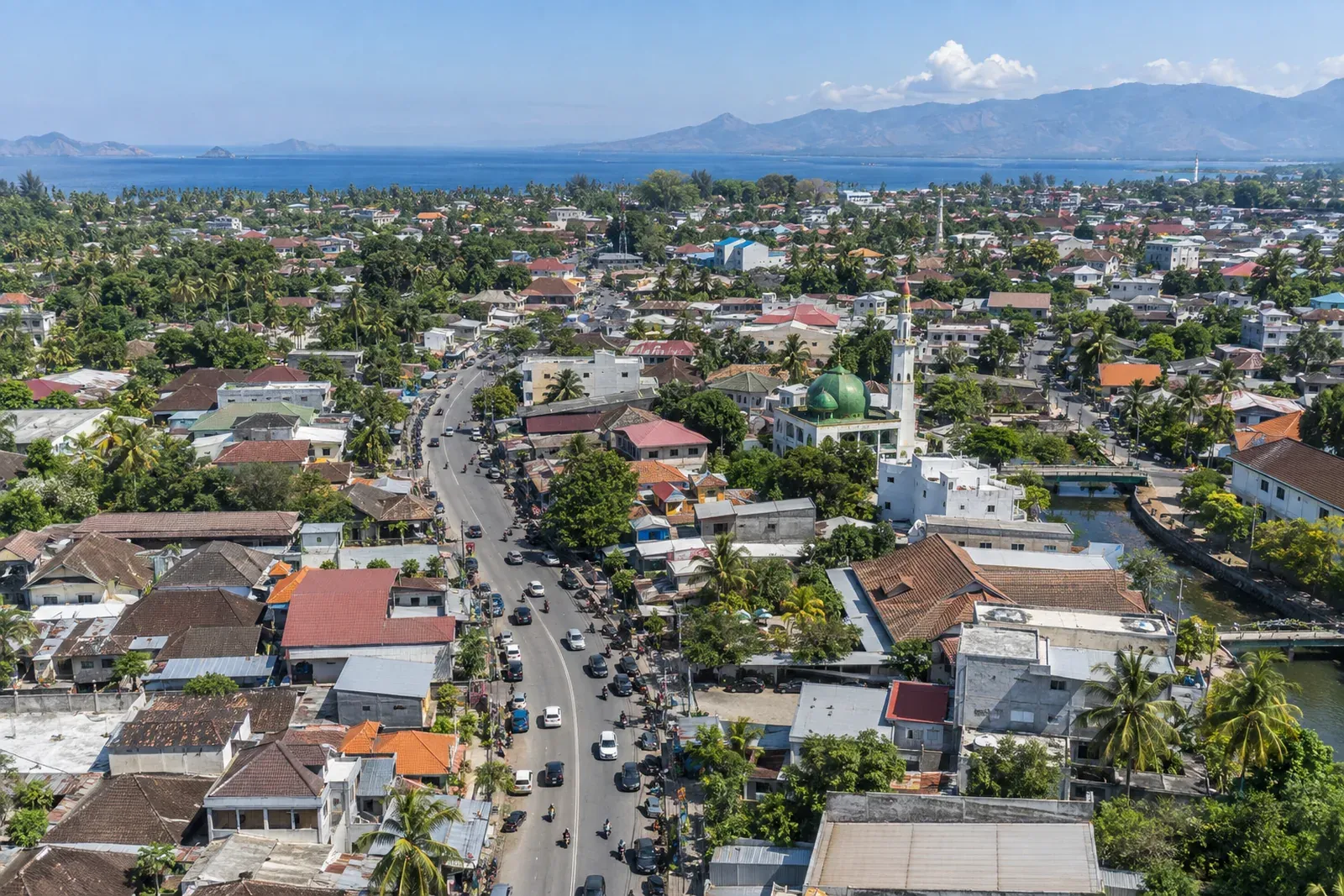
Indonesia’s new Travel Pack moves trip planning online before arrival
Bank Indonesia’s new pre-departure travel platform could make it easier for foreign visitors to plan, pay and connect with local businesses before entering Indonesia.
Quick answer: Bank Indonesia launched the Indonesia Travel Pack 2026, a digital platform for foreign tourists to plan trips, make payments and connect with local businesses before arrival. For Lombok investors, it is a national tourism and payments initiative to watch, though Antara reports no Lombok-specific rollout or measurable effect on visitor demand yet.
A visitor can now explore verified itinerary information from home, rather than waiting to land in Indonesia. Bank Indonesia’s new platform brings destination planning, integrated digital payments and mobile connectivity into one framework, with a stated aim of supporting tourism and small businesses.
For investors in Lombok, the significance is strategic rather than immediate: the tool could reduce practical friction for international travellers, but the launch alone does not establish that local businesses are listed, that the service is active across the island, or that bookings will rise.
The Context
Bank Indonesia launched the Indonesia Travel Pack 2026 on Saturday, as Antara reported from Jakarta. The launch took place during the joint Indonesian Digital Financial Economy Festival (FEKDI) and Indonesia Fintech Summit Expo (IFSE) 2026.
The initiative updates an existing framework with a pre-departure digital e-book. Travellers can explore destinations and scan itinerary locations from abroad. Bank Indonesia Senior Deputy Governor Aida S. Budiman said the platform combines connectivity access, verified destination itineraries and digital payment processing.
“Foreign tourists do not need to wait until they arrive in the country.”
Bank Indonesia Senior Deputy Governor Aida S. Budiman, as quoted by Antara
Antara says platform information comes from verified official sources and can be accessed through multiple entry points, including airports, mobile networks, tourist zones and commercial merchants. The report does not specify a Lombok launch schedule, participating Lombok businesses, or a route for local operators to join.
That distinction matters for anyone assessing the announcement as an investment signal. A national digital service may improve the visitor journey in principle, but the value to any particular destination depends on local availability, relevant listings and practical use by travellers. Those details are not established in the launch report.
Three functions, one visitor journey
The Travel Pack is organised around three pillars: Explore, Payment and Connect. Each addresses a different step between deciding to travel and spending locally.
| Pillar | What Antara says it does | Potential relevance to a destination | |---|---|---| | Explore | Provides verified location data and travel itineraries | Helps travellers research places before arrival | | Payment | Manages integrated digital financial transactions | Could make payment arrangements part of the same journey | | Connect | Provides mobile access through SIM or e-SIM cards supported by the Ministry of Communication and Digital Affairs | Addresses connectivity for visitors |
The combination is the platform’s central proposition. Instead of treating itinerary discovery, payment and mobile access as separate tasks, the framework places them within a shared digital journey. Whether that feels seamless to a traveller will depend on how well the services work together in practice, a question the launch report does not answer.
Bank Indonesia also positioned the initiative within its wider work on cross-border payment connectivity. Antara specifically mentions efforts to expand regional QR-code interoperability and local currency settlement mechanisms. These are policy directions described by the central bank; the report does not say that every international visitor will be able to use a particular payment method at every destination.
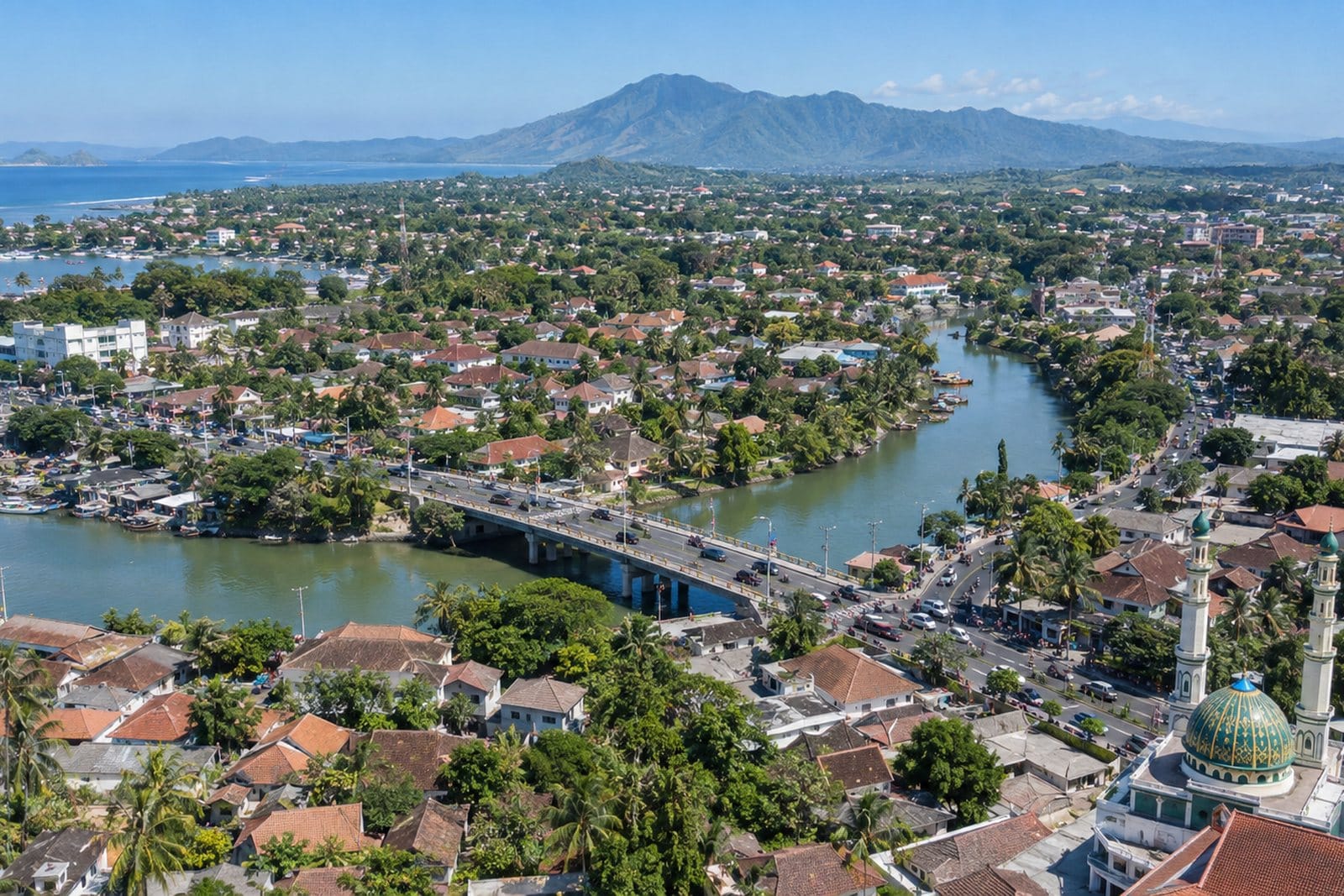 Indonesia’s new Travel Pack moves trip planning online before arrival · Illustration: HubLombok (AI-generated)
What the launch does, and does not, establish
For tourism businesses, earlier access to verified destination information may offer a route to reach travellers while they are still planning. A platform that also addresses payments and connectivity could, if implemented effectively, make it easier for visitors to move from research to local spending. These are possible benefits implied by the design, not outcomes demonstrated in Antara’s report.
For Lombok, the available market context is encouraging but should be kept separate from the platform announcement. The supplied verified facts put foreign arrivals on a +40-50% year-on-year trend, in the context of tourism recovery and the MotoGP effect. That figure describes the broader foreign-arrivals trend; it does not measure the Travel Pack’s impact or isolate Lombok’s visitor flows.
The same discipline applies to property underwriting. Lombok’s honest net rental yield range is 7-12%, after management fees and realistic occupancy assumptions. Developer-quoted gross yields are a different measure and must not be read as net returns. Nothing in the Travel Pack launch changes those assumptions or offers a basis for revising a specific asset’s expected performance.
Investors and operators can use the announcement as a reason to monitor practical questions: whether Lombok destinations appear in the verified itineraries, which local businesses can connect to the platform, what payment methods are supported in practice, and where SIM or e-SIM services are available. Antara’s report establishes the platform’s features and policy context, but leaves those implementation details open.
What This Means for Investors
Indonesia’s Travel Pack is a potentially useful piece of tourism infrastructure: its design addresses planning, payment and connectivity before a visitor arrives. For Lombok, that could matter if local destinations and businesses are represented and the services function reliably. At launch, however, the report offers no evidence of island-specific coverage or commercial results.
The sensible investor reading is to follow implementation rather than price in an immediate demand uplift. Digital tools can reduce friction along a trip, but a launch announcement is not proof of adoption, additional arrivals or higher property income. Lombok’s established market figures remain the appropriate reference until destination-level evidence emerges.
Stay informed: subscribe to the free Lombok Briefing, published twice a month (the 1st and 15th), for market intelligence like this.
What is the Indonesia Travel Pack 2026?
Bank Indonesia’s Indonesia Travel Pack 2026 is a digital platform for foreign tourists to plan trips, access destination information, make integrated digital payments and connect through mobile services before arrival. Antara reports that it adds a pre-departure digital e-book to the framework.
Does the new platform confirm a tourism boost for Lombok?
No. The launch may make trip planning and travel services more accessible, but Antara’s report does not establish Lombok-specific coverage, adoption or a rise in visitors attributable to the platform. Investors should watch for local listings and implementation details.
Should investors change Lombok rental-yield assumptions because of this launch?
The launch does not provide evidence to revise property assumptions. The supplied verified range for honest net rental yields in Lombok is 7-12%, after management fees and realistic occupancy. Any potential effect from the platform remains unproven.

The Lombok Buyer's Field Guide
Legal structures ranked by risk, the honest ROI math line by line, all six zones ranked, and the 24-point due-diligence checklist. The whole book, free in your inbox.
See what's inside