Indonesia Revives Bond Fund to Defend Rupiah: What It Means for Lombok Investors
Indonesia's Finance Minister reactivates a bond stabilization fund to support the Rupiah. What this fiscal intervention means for Lombok property valuations and investor returns.
Finance Minister Purbaya Yudhi Sadewa's announcement to reactivate a bond stabilization fund signals a pivotal shift in Indonesia's currency defense strategy. When both central bank and fiscal authorities align on Rupiah stability, the message is unmistakable: foreign investors in Lombok real estate can expect a more stable investment environment over the next 12–24 months.
The Context
Bond stabilization funds are fiscal instruments governments deploy to intervene directly in debt markets, typically by purchasing government securities to manage yields and support currency stability. Indonesia's dormant fund, now being reactivated, functioned historically as a backstop during capital outflows or currency pressure. By bringing it back online, the Finance Ministry is deploying a tool that complements Bank Indonesia's monetary policy, signaling comprehensive, government-wide commitment to defending the Rupiah.
The current rupiah weakness stems from higher US interest rates, global risk-off sentiment, and periodic outflows of foreign portfolio capital. Each percentage point of depreciation erodes purchasing power for Indonesian importers and inflates local costs of foreign debt service. For foreign property investors in Lombok, it directly impacts dollar-denominated returns.
"When both the central bank and Finance Ministry coordinate on currency defense, investor confidence shifts dramatically. Rupiah stability becomes embedded in government-wide strategy, not contingent on a single policy variable.", institutional investor consensus
The fund operates through:
- Direct intervention: Purchasing government bonds to support prices and dampen yield spikes
- Credible commitment: Demonstrating government backing for fiscal sustainability
- Reserve management: Reducing external borrowing pressure and FX market stress
- Fiscal-monetary coordination: Allowing BI to calibrate rates without fiscal instability concerns
Bond Stabilization and Property Valuations
A foreign investor buying a €200,000 villa in South Lombok prices two simultaneous risks:
- Currency risk: IDR depreciation between purchase and profit realization
- Macro risk: Broader Indonesian instability (inflation, external imbalances, political uncertainty)
When both risks feel elevated, buyers demand 18–22% gross yields to justify entry. If macro risk perception falls, because the government visibly defends the Rupiah through coordinated fiscal-monetary action, the required yield drops to 14–16%, allowing property prices to rise 15–25% before yield compression occurs.
The bond stabilization fund announcement directly lowers macro risk premium by:
- Reducing tail risk of sharp rupiah depreciation (which would force austerity and hurt property demand)
- Signaling the government won't allow external imbalances to spiral
- Providing a policy cushion if BI needs to hold rates steady despite global tightening
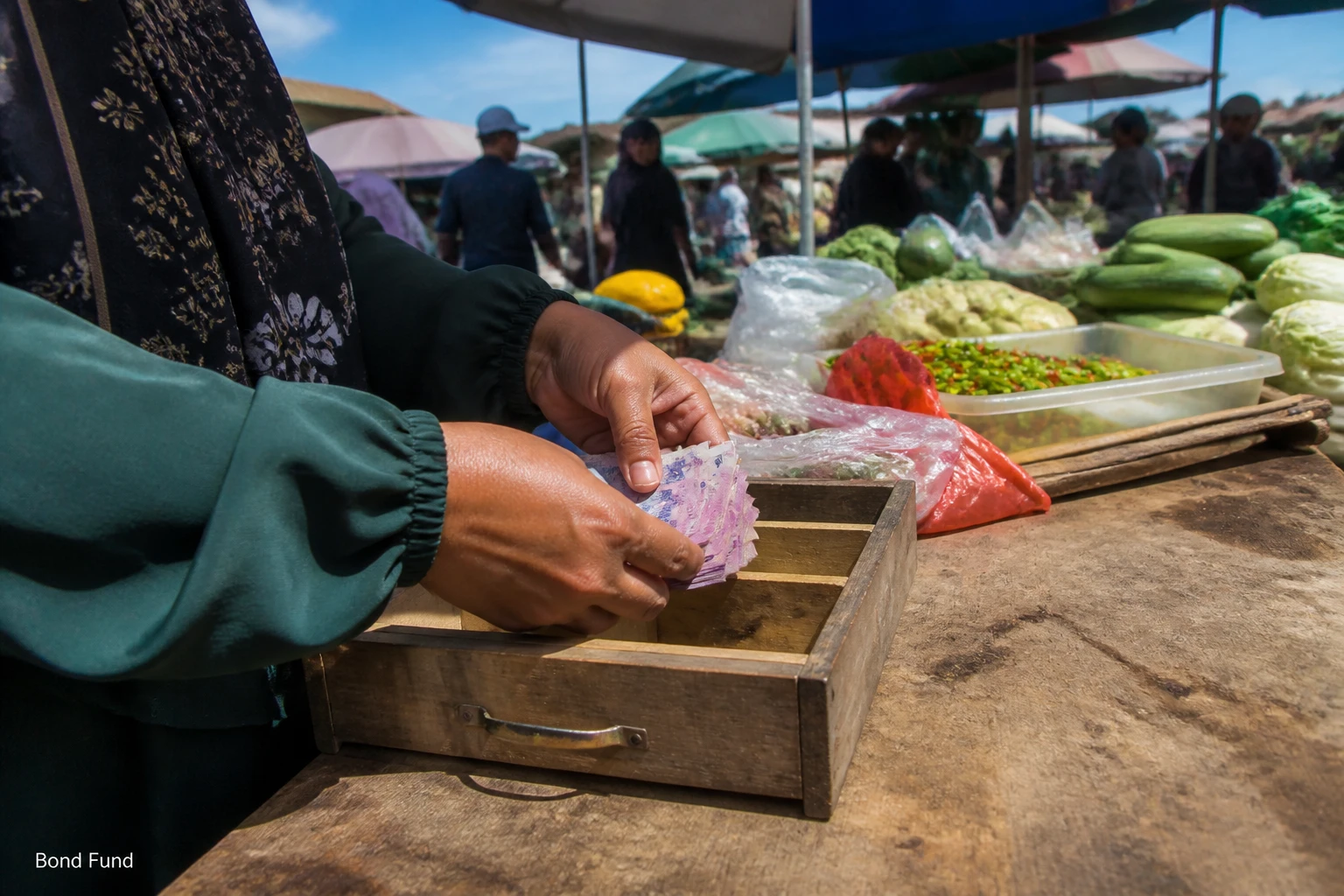
 Indonesia Revives Bond Fund to Defend Rupiah, What It Means for Lombok Investors · Photo by Defrino Maasy on Pexels
Early market reaction is still unclear: any repricing depends on whether foreign buyers regain confidence in the currency and the macro outlook. HubLombok has no data on buyer inquiries, and none should be inferred from the announcement.
Lombok's Strategic Inflection
Lombok sits at a critical juncture. The airport runway opens Q3 2025, MotoGP arrives 2024–2025, and international tourism is up +40–50% YoY. These are structural catalysts. But they translate to sustained property appreciation only if foreign buyers maintain confidence in currency and macro stability.
Current market positioning in South Lombok:
| Metric | Current Status | |--------|----------------| | Entry price range | €95K–€350K (freehold villa) | | Gross rental yield | 12–22% (furnished, managed) | | Bali buyer overflow | 25–30% of new Lombok purchases | | Tourism growth | +40–50% YoY, international rising | | Airport timeline | New runway Q3 2025, capacity doubles 2026 |
The bond stabilization fund announcement removes key uncertainty: whether the government would credibly defend the Rupiah under external pressure. By committing fiscal resources to currency stability, the Finance Ministry has answered that affirmatively. This enables foreign buyers to reprice Lombok positions with lower currency risk discounts.
What This Means for Investors
Entry timing: The next 6–12 weeks represent an optimal window. The announcement is news; it will take 2–3 months for foreign buyer behavior to fully reprice Lombok property valuations upward. Early entrants can lock in pre-repricing yields before compression.
Valuation mechanics:
- Properties currently yielding 18% gross (elevated risk premium) may compress to 14–15% gross as macro confidence rises
- This implies 20–28% price appreciation before yield returns to baseline levels
- Combined with 5–8% annual rental growth, 5-year annualized returns could reach 12–15%
Strategic actions for May 2026:
- Contact Lombok property managers for updated off-plan pipelines; airport-adjacent projects will be most sensitive to repricing
- Secure mortgage pre-approvals at current rates before Rupiah stabilization spreads and rates normalize upward
- Evaluate forward-hedge strategies via fixed-rate IDR mortgages to lock in current FX rates
- Plan entry tranches over 2–3 months rather than lump-sum entries to smooth currency exposure
Risk management: The bond stabilization fund is a policy tool, not a guarantee. Investors should:
- Monitor Rupiah stability indicators (BI forex reserves, trade balance, portfolio flows) quarterly
- Maintain diversification across properties and currencies
- Plan for 5-year hold horizon to capture airport + MotoGP + Bali-overflow thesis
- Structure positions to harvest gains or refinance within the 3–5 year policy signal window
Currency positioning: Forward-hedging rupiah exposure via mortgages locks in current rates, reducing FX volatility impact on returns. Dollar-cost averaging entries over quarters smooths entry price and reduces lump-sum timing risk.
Stay informed, subscribe to the free Lombok Briefing for market intelligence like this, published twice a month.
How does Indonesia's bond stabilization fund affect required yields on Lombok property?
When both Bank Indonesia and the Finance Ministry coordinate on Rupiah defense, macro risk perception falls. Required gross yields for Lombok property may drop from 18 to 22 percent down to 14 to 16 percent. This implies property prices could rise 15 to 25 percent before yield returns to baseline, and five-year annualized returns could reach 12 to 15 percent.
What is the current entry price range and rental yield for freehold villas in South Lombok?
Freehold villas in South Lombok currently range from EUR 95,000 to EUR 350,000, with gross rental yields of 12 to 22 percent for furnished, managed properties. Bali buyer overflow accounts for 25 to 30 percent of new Lombok purchases, and international tourism is up 40 to 50 percent year-on-year, supporting demand fundamentals.
How quickly did foreign buyer interest in Lombok respond to the rupiah stabilization announcement?
There is no published data on how quickly foreign buyer interest in Lombok responded, and HubLombok does not track buyer inquiries. Any repricing of property valuations would likely take months rather than days, so treat claims of an immediate response with caution.

The Lombok Buyer's Field Guide
Legal structures ranked by risk, the honest ROI math line by line, all six zones ranked, and the 24-point due-diligence checklist. The whole book, free in your inbox.
See what's inside