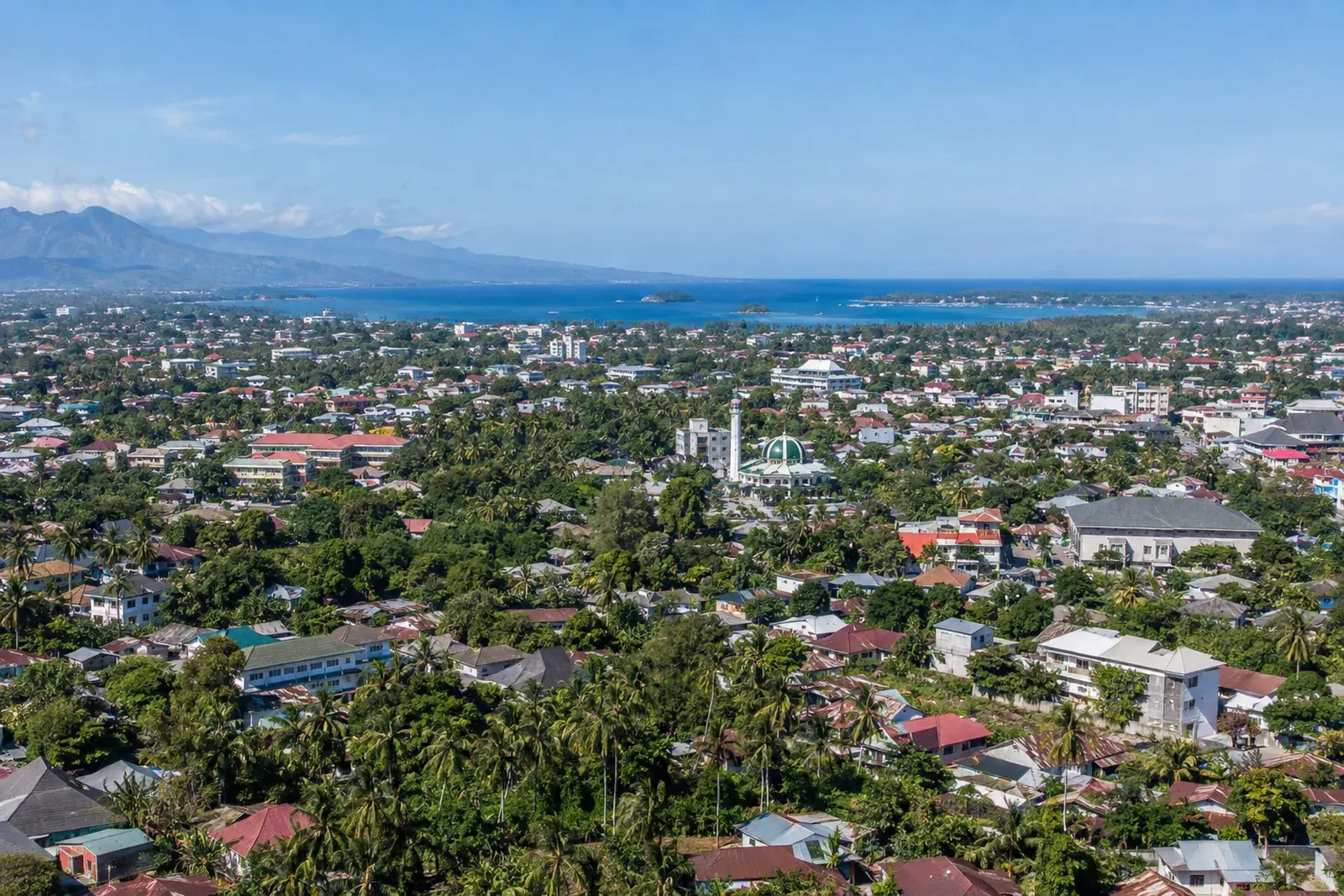
Indonesia’s Inbound QR Payments Reach $345.7 Million
Bank Indonesia’s inbound QRIS transactions exceeded outbound spending through August, offering a fresh signal on tourism payments, merchant access and regional connectivity.
Quick answer: Bank Indonesia recorded 17.8 million inbound cross-border QR transactions worth Rp6.2 trillion ($345.7 million) through August 2026, more than triple the value Indonesians spent through outbound transactions. The figures point to a growing digital payment channel for visitors and local merchants, including small businesses, though they do not establish how much spending reached Lombok.
A tourist’s first transaction can reveal how easily a destination works for them. Indonesia’s expanding cross-border QR network is beginning to turn that convenience into a measurable national flow of inbound payments. For investors, the dispatch is relevant to tourism infrastructure and merchant access, but its reach should be read carefully: the reported figures are national, not a Lombok spending breakdown.
The Context
Bank Indonesia Deputy Governor Filianingsih Hendarta attributed the rise in inbound transactions to wider adoption of the Quick Response Code Indonesian Standard, or QRIS, among visitors from six partner countries: Singapore, Thailand, Malaysia, Japan, South Korea and China. The central bank’s tally through August was 17.8 million inbound transactions, with a total value of Rp6.2 trillion ($345.7 million).
The corresponding outbound channel was smaller. Indonesians made 5 million outbound cross-border transactions valued at Rp1.85 trillion ($103.1 million). Antara reported that the value of inbound payments was more than triple the amount spent by Indonesian travellers in the partner markets.
“We are seeing a net inbound trend,” Hendarta said, describing payments received from tourists as substantially greater than Indonesians’ spending in those partner countries.
The distinction between transaction count and value matters. Both indicators are substantial, but the source does not provide an average spend per visitor, a breakdown by destination, or a direct comparison with tourism receipts. The figures measure cross-border QR payments, not total visitor expenditure.
A payment link with wider ambitions
Launched in 2022, the cross-border QRIS framework lets foreign visitors pay participating local merchants by scanning a unified QR code with their home country’s mobile banking application. That can reduce friction at the point of sale, while giving merchants a route to accept digital payments from visitors using familiar banking tools.
The regional network is still expanding. Bank Indonesia has recently signed agreements to establish payment links with Hong Kong and Timor-Leste. Those arrangements indicate a wider regional ambition, although the Antara report does not specify when the links will become operational or quantify the payments they may generate.
At the domestic level, Indonesia’s QRIS network reaches 69.3 million users and nearly 46 million registered merchants. Approximately 69 per cent of those merchants are micro, small and medium enterprises (MSMEs), according to the source. That footprint gives the cross-border layer a large domestic system to connect with, while the share of MSMEs signals why merchant participation is central to the policy case.
 Indonesia’s Inbound QR Payments Reach $345.7 Million · Illustration: HubLombok (AI-generated)
From tourist convenience to merchant reach
Hendarta framed payment connectivity as part of a broader economic agenda encompassing regional trade, tourism and financial inclusion. The practical investor question is whether smoother payment acceptance can help more businesses serve visitors and participate in that activity. The source establishes the scale of QRIS use nationally, but it does not quantify the effect on merchant revenues or investment returns.
For tourism-facing businesses, payment access is one element of the visitor experience. A familiar digital method may make a purchase easier to complete, particularly where a merchant serves international guests. Yet payment connectivity alone cannot show whether demand is rising in a particular destination, whether visitors are spending more, or how much value is retained locally.
That distinction is particularly important for investors assessing opportunities outside Indonesia’s largest urban markets. The reported figures offer evidence of a national payment network and substantial inbound activity, not proof that Lombok merchants have captured a corresponding share. A local investment case still requires destination-specific evidence on visitor flows, merchant acceptance and customer spending.
What This Means for Investors
The announcement strengthens the case for treating digital payment infrastructure as part of tourism’s operating environment. Indonesia is recording a net inbound QR payment flow through its partner links, and the domestic merchant network has a significant MSME presence. Together, those facts suggest an increasingly connected channel between foreign visitors and local commerce.
They do not, by themselves, answer the questions behind a property or business investment. Antara’s report supplies no island-level transaction data, merchant revenue figures, visitor spending breakdown, or forecast. Investors should therefore use the announcement as a national signal of payment adoption, while seeking local evidence before attributing any demand or income effect to a specific destination or asset.
The next useful indicators will be whether the recently agreed links with Hong Kong and Timor-Leste become active, and whether Bank Indonesia publishes more granular information on where inbound QR payments are used. That would help distinguish broad network growth from measurable tourism and merchant outcomes in individual markets.
Stay informed: subscribe to the free Lombok Briefing, published twice a month (the 1st and 15th), for market intelligence like this.
How much did Indonesia receive through inbound cross-border QR payments?
Bank Indonesia recorded 17.8 million inbound cross-border digital transactions worth Rp6.2 trillion ($345.7 million) through August 2026. The transactions used the QRIS framework and were attributed to expanding adoption among visitors from six partner countries.
Do the figures show how much QR payment spending reached Lombok?
No. The Antara report gives national figures and does not provide a breakdown for Lombok or any other Indonesian destination. Investors can treat the data as a signal of national payment connectivity, but need local evidence to assess destination-specific spending.
What does cross-border QRIS let foreign visitors do?
The framework lets visitors pay local merchants by scanning a unified QR code with their home country’s mobile banking application. Bank Indonesia launched it in 2022 and is widening the regional network, including through recently signed agreements with Hong Kong and Timor-Leste.

The Lombok Buyer's Field Guide
Legal structures ranked by risk, the honest ROI math line by line, all six zones ranked, and the 24-point due-diligence checklist. The whole book, free in your inbox.
See what's inside