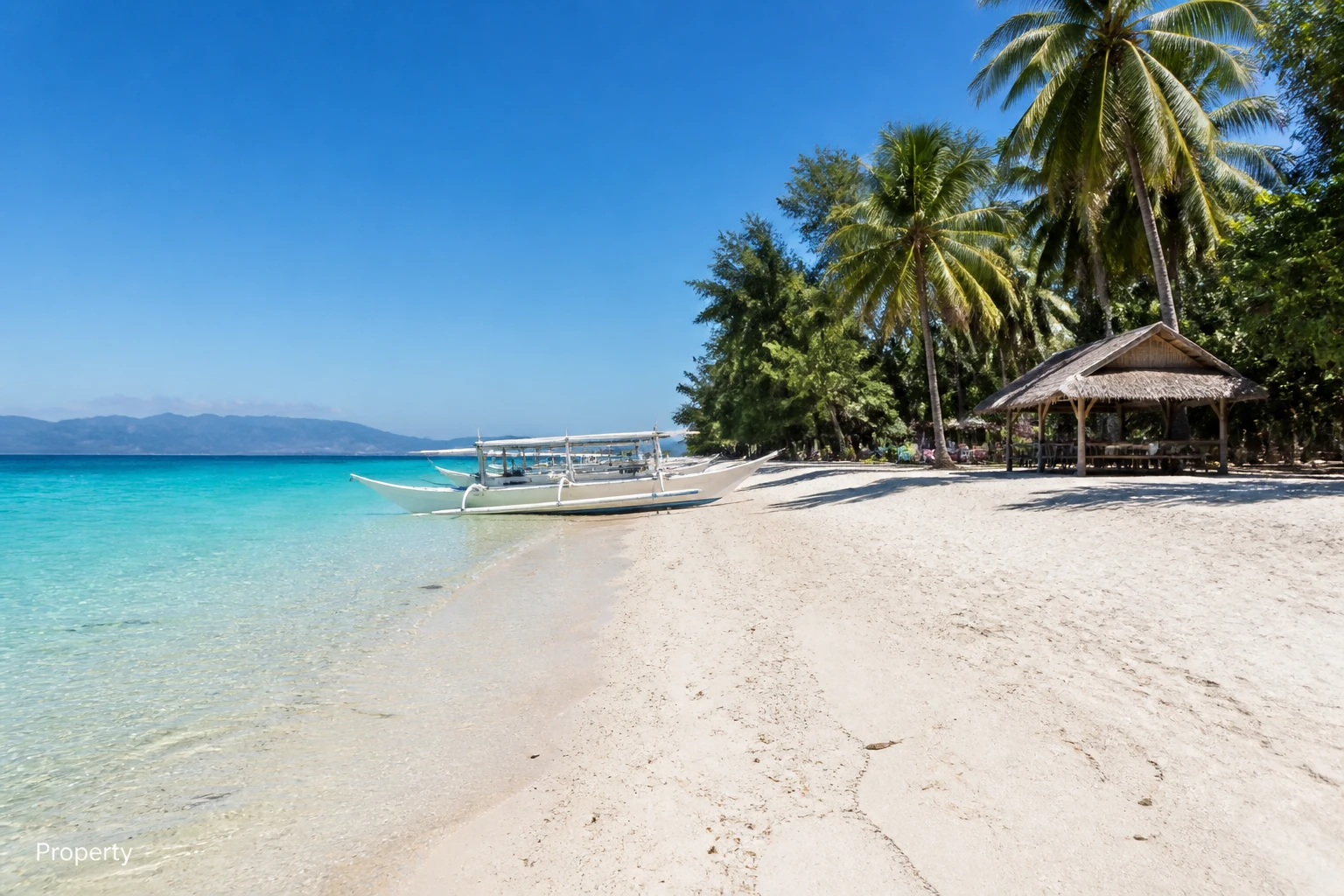
Buying Property on the Gili Islands as a Foreigner
The Gili Islands, Trawangan, Meno and Air, offer tourism-led property investment in one of Indonesia's most recognisable destinations. Foreigners cannot buy freehold land and must use leasehold or a PT PMA structure, the same rules as the mainland. The no-motor-vehicle environment shapes both appeal
Quick answer: The Gili Islands, Trawangan, Meno and Air, offer tourism-led property investment in one of Indonesia's most recognisable destinations. Foreigners cannot buy freehold land and must use leasehold or a PT PMA structure, the same rules as the mainland. The no-motor-vehicle environment shapes both appeal and development constraints.
What Makes the Gilis Different
The three Gili Islands sit off the north-west coast of Lombok, accessible by fast boat from Bali (roughly 90 minutes) or a short transfer from Lombok's main harbour. Gili Trawangan is the largest and most commercially active, known for dive schools, beach bars and a lively nightlife strip. Gili Meno is the quietest of the three, favoured by couples and those seeking genuine seclusion. Gili Air sits between them in geography and character, combining a café culture with calmer residential pockets.
What sets the Gilis apart from mainland Lombok, and from most beach destinations in South-East Asia, is a strict and widely enforced ban on motorised vehicles. No cars, no motorbikes. Residents and visitors travel by horse-drawn cidomo cart or bicycle. That policy is central to the islands' identity: the Gilis feel slower, more intimate and more human in scale than comparable resort destinations.
The same constraint shapes the property market in concrete ways. Construction materials must arrive by boat and be transported by hand or cart. Infrastructure upgrades face the same friction. Before purchasing, buyers should build a realistic logistics cost into any renovation or build budget, and extend their expected timelines accordingly.
Foreign Ownership Rules: the Same as the Mainland
Indonesian law makes no geographic exception for the Gili Islands. Foreigners cannot hold freehold title (Hak Milik, or SHM), which is reserved for Indonesian citizens. The three available routes for foreign buyers are:
Leasehold (Hak Sewa). A direct lease from the landowner, typically running 25 to 30 years with renewal options negotiated upfront. This is the most common structure on the Gilis and is broadly understood by local notaries and agents. For a detailed comparison of what each structure actually grants, see the Leasehold vs Freehold in Indonesia guide.
Hak Pakai (right-to-use). Available to foreigners holding a valid KITAS or KITAP residency permit. Grants a right-to-use over land, typically for 30 years, but is conditional on maintaining residency status throughout the term.
PT PMA (foreign-owned company). A foreign-invested Indonesian company can hold HGB title (Hak Guna Bangunan), a building right over land. This suits buyers who want a corporate ownership structure or plan to operate commercially at scale. Setup and ongoing compliance costs are meaningfully higher than a straightforward leasehold.
Nominee arrangements, where an Indonesian citizen holds freehold title on a foreigner's behalf under a private agreement, are illegal under Indonesian law and void in any court proceeding. They appear regularly in Gili Island transactions and should be avoided entirely, regardless of how they are framed.
All deeds are executed by a licensed PPAT notary and registered at the national land agency, BPN. Buyer transfer duty (BPHTB) runs at roughly 5% of the assessed value; annual property tax (PBB) is modest. For independent guidance covering the full legal chain, from certificate due diligence and zoning checks to title registration at BPN, TerraNusa Advisory (terranusaadvisory.com) provides licensed notary and legal desk services for foreign buyers across Lombok and the Gili Islands.
The Tourism Demand Picture
The Gili Islands draw visitors from Europe, Australia and the United States, primarily for diving, snorkelling and the islands' unhurried pace. Tourism is the entire economic base, and that concentration is both the investment thesis and the principal risk. In strong seasons, short-let occupancy on Gili Trawangan in particular can be high, but the islands are more exposed to external shocks than more diversified coastal markets. The 2018 earthquake demonstrated this directly, cutting visitor arrivals for months and leaving many operators with empty properties.
Buyers should approach any yield projections offered by local sellers with scrutiny. Island-specific occupancy and return figures vary significantly by property type and by location within each island. Independent research through live booking platforms and comparable active listings is essential before placing weight on any number quoted at the point of sale.
How the Gilis Compare to South Lombok
For buyers weighing options across the wider region, South Lombok's established investment zones offer a useful reference. The zone-by-zone guide covers areas including Kuta, Selong Belanak and Are Guling, where investment-grade villas typically enter at EUR 95,000 to 350,000 and leasehold is the standard structure for foreign buyers. Land prices vary from roughly Rp 30 million per are in emerging Bumbang to Rp 300 to 400 million per are in prime Kuta. Current verified price data by zone is on the market data page.
The Gilis carry a different profile: smaller plots, higher construction logistics costs, a more compressed island economy and a buyer pool that skews towards lifestyle purchasers rather than yield-focused investors. South Lombok, particularly frontier zones such as Are Guling where this publication is editorially affiliated with Samudra Villas as an active developer, offers more land availability and a longer runway for capital appreciation as infrastructure and connectivity continue to mature.
Practical Guidance for Gili Buyers
Before signing anything on the Gili Islands, work through the following:
- Instruct an independent licensed PPAT notary, separate from anyone introduced or recommended by the seller.
- Commission a full title search at BPN, covering ownership history, encumbrances and zoning status. Island land classifications can differ from mainland norms in ways that affect permitted use.
- Read any leasehold agreement carefully for renewal terms, renewal price caps and the disposition of structures at the end of the lease. Vague renewal language is common; insist on specifics before signing.
- Build island logistics into your construction cost model: boat freight, manual handling and the near-complete absence of heavy machinery access add time and cost to every project.
- Cross-check projected rental income against live booking platforms for genuinely comparable properties, not figures supplied by the seller or their agent.
The Gili Islands are a real tourism asset with genuine demand for quality accommodation. The legal framework is identical to the Indonesian mainland, but the construction environment is harder and due diligence requirements are, if anything, more demanding given the remoteness and the compressed resale market. Buyers who verify titles, understand the logistics and price in the island premium can find compelling opportunities. Those who anchor on a projected yield figure alone are likely to be disappointed.
Can a foreigner legally buy property on the Gili Islands?
Yes, but not on a freehold basis. Indonesian law reserves freehold title (Hak Milik) for citizens nationwide, including on the Gili Islands. Foreigners can purchase through leasehold (Hak Sewa, typically 25 to 30 years with extensions), Hak Pakai with valid residency, or a PT PMA company holding HGB title. Nominee arrangements where a citizen holds title on your behalf are illegal and unenforceable in Indonesian courts.
Are the property ownership rules on the Gili Islands different from the rest of Indonesia?
No. The same national legal framework applies across all of Indonesia, including the Gili Islands. There is no special zone or exemption for foreign buyers on Trawangan, Meno or Air. Leasehold and PT PMA structures work identically to the South Lombok mainland, and all deeds must be executed by a licensed PPAT notary and registered at the national land agency, BPN.
What makes buying or building on the Gili Islands logistically harder than on the mainland?
The islands have a complete ban on motorised vehicles. All construction materials must be transported by boat to the island and then moved by hand or horse-drawn cart to the site. This adds meaningful cost and time to any build or renovation compared with a mainland location where trucks and heavy machinery have direct access. Factor these logistics into your budget and timeline before purchasing.
The Lombok Buyer's Field Guide
Legal structures ranked by risk, the honest ROI math line by line, all six zones ranked, and the 24-point due-diligence checklist. The whole book, free in your inbox.
See what's inside