East Java’s Saudi Arabia Mission Shows Why Deal Pipelines Need Follow-Through
A reported US$374 million in potential deals highlights the work behind turning Indonesian trade interest into realised business, from product specifications to logistics and regulation.
Quick answer: East Java’s trade mission to Saudi Arabia recorded Rp 6.7 trillion (US$374 million) in potential transactions, but the figure is not a report of completed trade. For Lombok investors, the useful lesson is that commercial interest becomes durable value only when product requirements, supply capacity, logistics and regulations are addressed.
The headline number is large, and the breadth of the offer is striking: from coffee and spices to vehicle parts and processed palm oil. Yet the most consequential detail in Antara’s account is not the sum. It is the governor’s insistence that commitments still require practical follow-up before they can be realised.
The Context
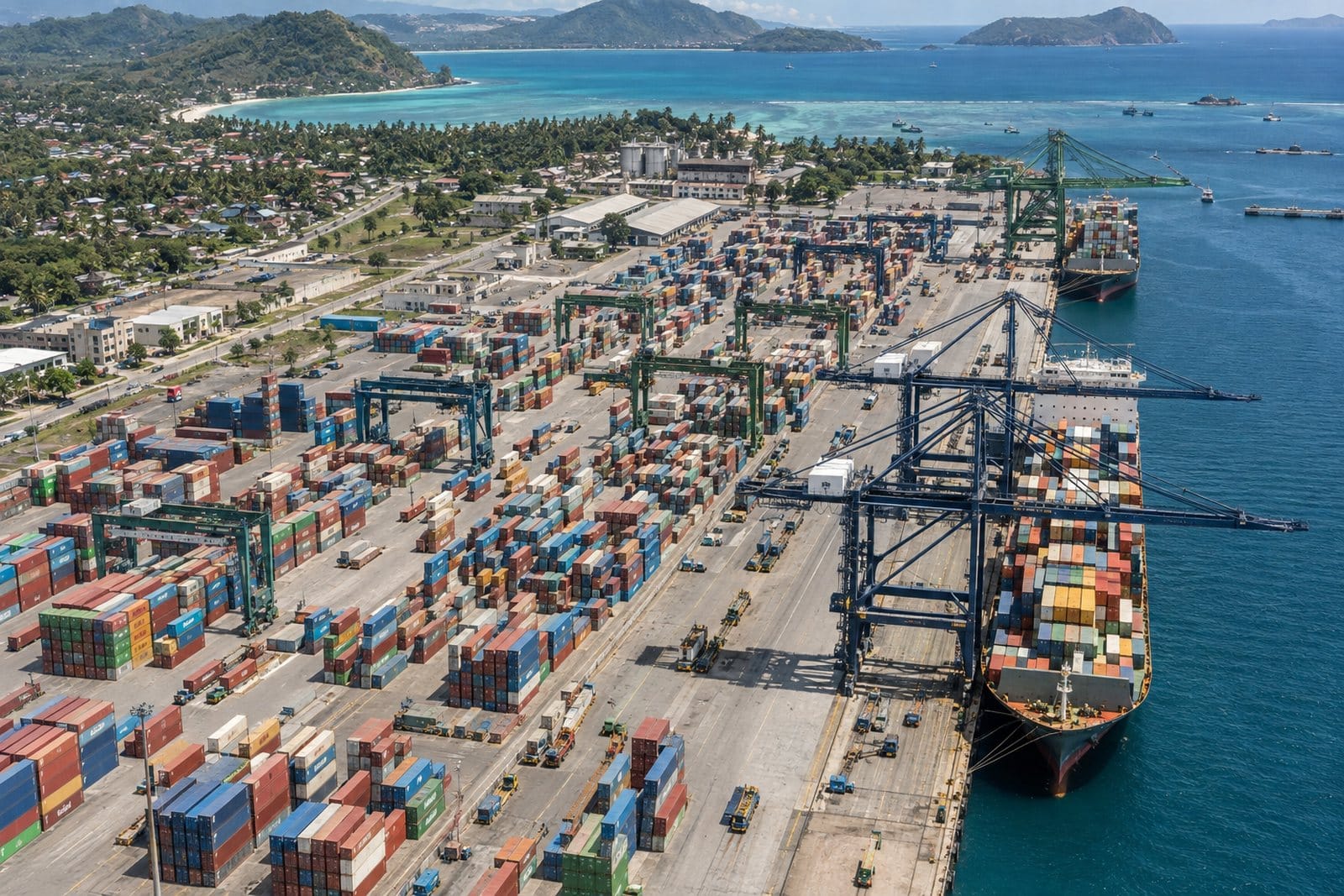 East Java’s Saudi Arabia Mission Shows Why Deal Pipelines Need Follow-Through · Illustration: HubLombok (AI-generated)
At a business forum in Jeddah, East Java’s trade and investment mission generated a potential transaction value of Rp 6.7 trillion (US$374 million), according to Governor Khofifah Indar Parawansa, as reported by Antara Business. The forum brought together businesses from East Java and Saudi Arabia for discussions spanning trade in key products, the halal industry, and supplies supporting Hajj and Umrah pilgrimages.
“Potential” is the operative word. The report describes a value recorded through curation, repeated online business matching and one-to-one meetings. It does not say the full amount has been signed, shipped, paid for or converted into completed trade. Khofifah said follow-up discussions would need to cover product requirements, supply capacity and the trade rules in both countries. She also expressed hope that signed transactions would be realised.
That distinction matters for anyone assessing cross-border opportunity. A forum can surface counterparties and establish commercial intent; it cannot, on the facts reported, tell an investor how much of the pipeline will translate into revenue. The mission is evidence of interest and organised engagement, not a settled measure of future exports.
From product list to value chain
The range of products offered suggests an effort to connect varied parts of East Java’s economy with demand in Saudi Arabia. Antara lists charcoal briquettes, vehicle parts and accessories, glass sheets, paper, batteries, plastic products, chemicals, processed palm oil, fashion, machinery, animal feed, dairy, coffee, tea, spices and processed foods.
The breadth is useful, but breadth alone does not establish a competitive position. Each category comes with its own requirements for specifications, supply continuity and compliance. The governor’s comments point to the questions that sit between a promising meeting and repeat business: what exactly is required, whether suppliers can meet that requirement, and which regulations apply on both sides.
Fashion made with traditional fabrics and embroidery was singled out as a possible growth area for Saudi Arabia and the broader Middle Eastern market. Khofifah described the products as high quality and said East Java hoped to gain broader market access, particularly for embroidered clothing. That is a stated ambition, not evidence in this report of sales already secured. Its commercial prospects would depend on the same practical work as the rest of the offer, including matching products to buyer requirements and navigating market rules.
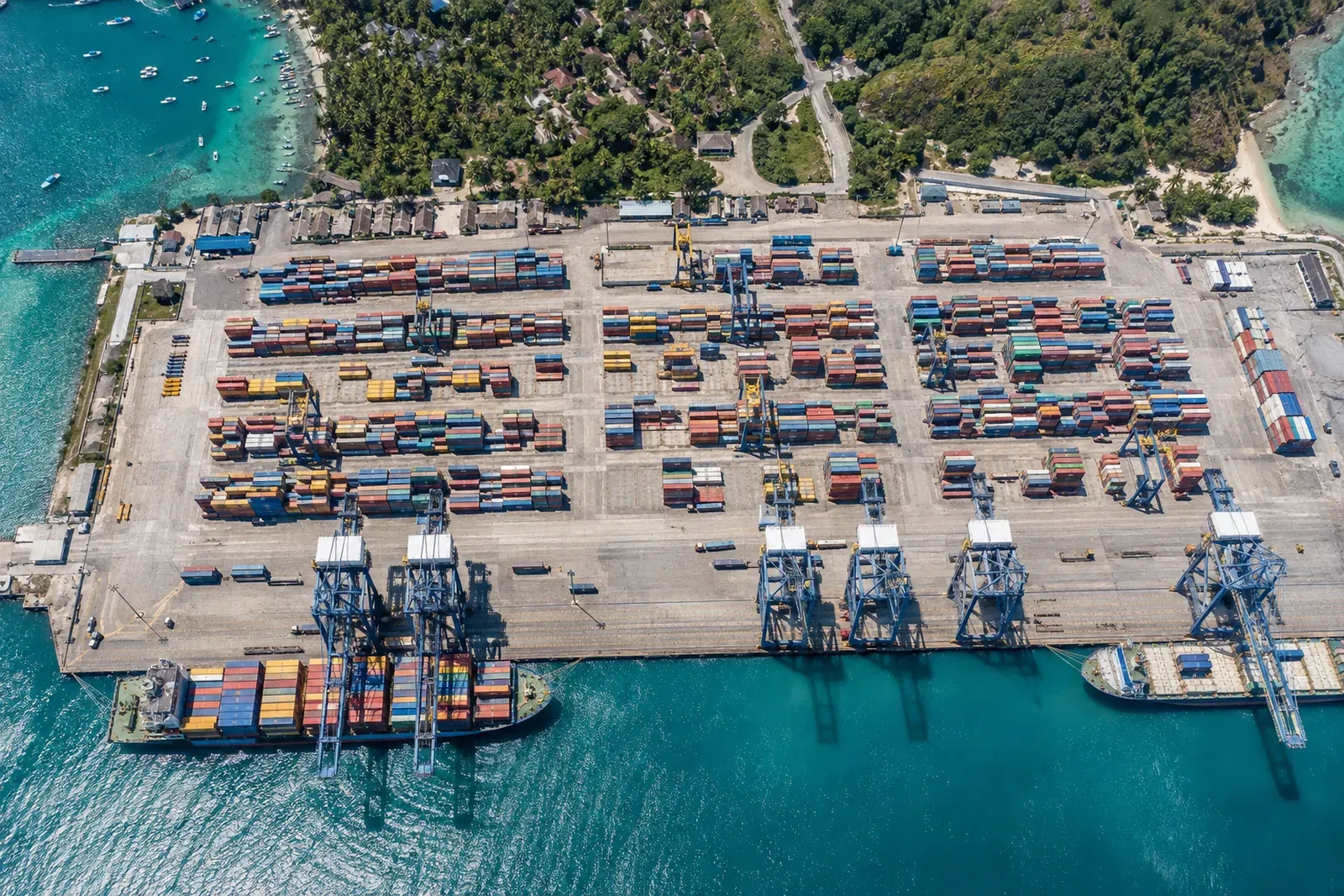
East Java’s pitch also emphasised the system around production. The province has 13 industrial zones, two special economic zones, one halal industrial zone, 37 ports, seven airports and 12 toll-road sections. Its halal ecosystem includes Halal Industrial Park Sidoarjo, 15 halal inspection bodies, 85 halal product-process assistance agencies and 16,424 halal product-process facilitators. Khofifah framed this as a value chain joining industrial zones, production, certification, human resources and distribution.
“We are offering more than products,” the governor said, describing an ambition to build a value chain from production through certification and distribution.
That is a more substantial proposition than a catalogue of exports. It presents the province’s industrial and logistics base, alongside halal-related institutions, as part of the offer to prospective partners. The report sets out those assets and the provincial government’s framing; it does not measure their performance or establish how they will affect any individual transaction.
What the trade figures do, and do not, show
East Java exported US$24.28 million of goods to Saudi Arabia in January to June 2026, while recording a trade surplus of US$50.40 million, according to the report. These figures provide a separate measure of recent trade, distinct from the mission’s much larger potential transaction value.
| Measure | What Antara reported | How to read it | |---|---|---| | Mission pipeline | Rp 6.7 trillion (US$374 million) in potential transactions | Reported potential, not completed trade | | Existing exports | US$24.28 million in January to June 2026 | Recorded exports over the stated period | | Trade balance | US$50.40 million surplus | Reported balance, separate from the mission pipeline |
The mission was attended by about 50 Saudi Arabian companies and business representatives. That attendance indicates participation in the forum, but it is not a count of signed contracts or confirmed buyers. Antara also reports two-sided discussions on trade, halal products and pilgrimage-related supplies, without specifying the number or value of completed agreements.
Read carefully, the report offers a useful snapshot of how regional trade promotion works: convene potential partners, curate products, arrange matching, then tackle the details of execution. The large pipeline figure attracts attention. The export and balance figures offer a different view, tied to a stated period. Neither should be substituted for the other.
What This Means for Investors
For investors in Lombok, this is a provincial trade story, not direct evidence of a change in the island’s economy. Antara’s account concerns East Java’s mission and its existing exports to Saudi Arabia. It makes no claim about Lombok businesses, local exports or investment flows into the island.
The broader analytical point is relevant to regional investment decisions: announced commercial interest has several steps to travel before it becomes operating activity. For a prospective partner, the questions raised by this mission are concrete. Is the product specification clear? Can supply meet the requirement? Are the applicable rules understood? Can production and distribution support delivery? The story does not answer those questions for any particular business, but it shows that the governor herself placed them at the centre of follow-up.
Investors should therefore treat a pipeline headline as a starting point for inquiry. In this case, the reported figure is substantial, while the source explicitly leaves realisation ahead. The distinction between expressed potential and completed trade is a useful discipline whenever a regional opportunity is presented through a headline total.
Antara’s account is ultimately about building the connective tissue around commerce: matching, standards, supply and distribution. Those details rarely fit neatly into a single headline number. They are, however, where the credibility of a cross-border opportunity is tested.
Stay informed: subscribe to the free Lombok Briefing, published twice a month (the 1st and 15th), for market intelligence like this.
Have East Java’s US$374 million in potential deals been completed?
The Antara report describes Rp 6.7 trillion (US$374 million) in potential transactions recorded at a business forum. It does not report that the full amount has been signed, shipped or paid. The governor said follow-up on requirements, supply capacity and regulations was still needed.
What did East Java export to Saudi Arabia in the first half of 2026?
Antara reports that East Java exported US$24.28 million of goods to Saudi Arabia in January to June 2026 and recorded a US$50.40 million trade surplus. These are reported trade figures for that period, separate from the mission’s potential transaction value.
Does this mission show new trade opportunities for Lombok?
The report concerns East Java’s mission and its trade with Saudi Arabia. It does not identify Lombok businesses or report investment flows into Lombok. For Lombok investors, its relevance is the distinction between expressed commercial interest and completed activity.

The Lombok Buyer's Field Guide
Legal structures ranked by risk, the honest ROI math line by line, all six zones ranked, and the 24-point due-diligence checklist. The whole book, free in your inbox.
See what's inside