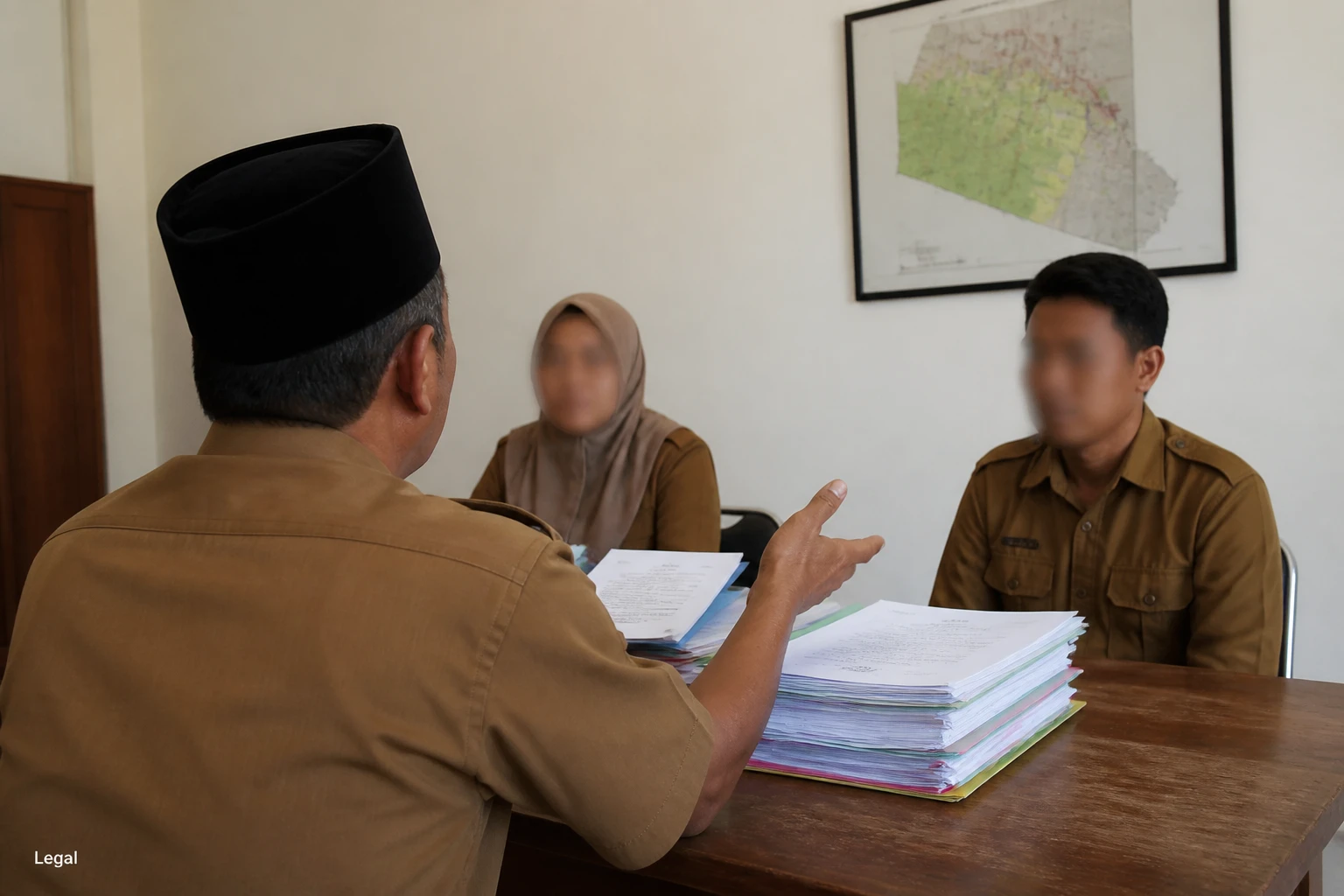
Building permits in Lombok: PBG, SLF and zoning (RTRW) explained
Indonesia replaced the old IMB building permit with the PBG (Persetujuan Bangunan Gedung) in 2021. Before breaking ground in Lombok, you must obtain a PBG from the local authority, confirm your land sits in the correct RTRW zone, and secure the SLF occupancy certificate before using the completed st
Quick answer: Indonesia replaced the old IMB building permit with the PBG (Persetujuan Bangunan Gedung) in 2021. Before breaking ground in Lombok, you must obtain a PBG from the local authority, confirm your land sits in the correct RTRW zone, and secure the SLF occupancy certificate before using the completed structure.
From IMB to PBG: what changed and why it matters
Until 2021, Indonesian construction was regulated by the IMB (Izin Mendirikan Bangunan), a permission-first system in which a developer obtained a single licence before work began. Government Regulation PP No. 16 of 2021 replaced it with the PBG (Persetujuan Bangunan Gedung), a standards-based approval that ties every stage of construction to national technical building codes.
The practical difference is significant. Under the old IMB, a permit could be issued without verifying that building plans met structural, fire-safety or spatial standards. Under the PBG, the submission must include technical drawings, engineering calculations and a declaration that the design complies with SNI (Standar Nasional Indonesia) building codes. Local authorities in Lombok, principally through the Dinas PUPR (public works and spatial planning office), review and approve applications through the OSS (Online Single Submission) portal.
For foreign buyers and developers, this matters because a property built without a valid PBG cannot legally receive an SLF, which in turn affects your ability to obtain rental licences, commercial operating permits and, eventually, resale value. Always request written proof of an approved PBG before signing any build contract.
RTRW zoning: the essential first check
Before any permit application, the single most important document to review is the RTRW, Lombok's regional spatial plan. The RTRW divides every parcel of land into designated use categories: residential (perumahan), tourist and commercial (pariwisata), agricultural (pertanian), and protected or green zones (kawasan hijau or kawasan lindung).
A plot zoned as agricultural or protected cannot legally carry a villa or commercial structure, regardless of what a seller claims or what informal buildings already exist nearby. Violations are increasingly enforced in South Lombok as the region urbanises around the Mandalika Special Economic Zone and the growing tourist corridors in Kuta, Are Guling and Selong Belanak.
To verify zoning, request a keterangan rencana kota (KRK), or equivalent spatial planning information letter, from the local planning office before signing any purchase agreement. Your notary or a specialist advisory such as TerraNusa Advisory (terranusaadvisory.com) can obtain and interpret this document, which will confirm permitted uses, building-to-land ratios (KDB), floor-area ratios (KLB), height limits and mandatory setbacks. This is a core step in any due diligence process for Lombok property.
Green zones and protected areas: the hard stops
Green-zone restrictions are among the most misunderstood risks in South Lombok land acquisition. Kawasan lindung (legally protected areas) include coastal buffers, riverbank setbacks, forested hillside zones and land falling within certain distances of conservation areas.
In practice:
- A plot marketed as beachfront may sit within a protected coastal buffer measured from the high-tide line, where permanent structures are prohibited.
- Steep hillside parcels may be classified as rawan bencana (disaster-prone) zones, carrying severe building restrictions or outright bans on new construction.
- Land adjacent to rivers carries mandatory setbacks that reduce the effective buildable footprint considerably.
These restrictions are not negotiable and cannot be resolved through informal arrangements. Any villa built in a protected zone is liable to demolition orders, and there is no compensation mechanism for foreign buyers who proceed without proper checks. The land title verification guide explains how to cross-reference a land certificate against spatial planning data before funds are committed.
The SLF: occupancy certificate after construction
Once construction is complete, the owner must apply for an SLF (Sertifikat Laik Fungsi), the certificate confirming the building is structurally sound, compliant with its approved PBG drawings and fit for its intended use. Think of it as the Indonesian equivalent of a completion or occupancy certificate.
Without an SLF, a villa cannot legally operate as a commercial short-term rental. Platforms such as Airbnb and regional booking channels increasingly require evidence of legal operating status, and the local Dinas Pariwisata (tourism office) may inspect and close unlicensed properties. An SLF must be renewed periodically, typically every ten to twenty years depending on building category and use, with re-inspection required at each renewal.
For off-plan villa buyers, the developer is ordinarily responsible for obtaining both the PBG during construction and the SLF on handover. Ensure your sale and purchase agreement explicitly assigns this obligation to the developer, with a clear timeline and a penalty clause if delivery is delayed.
What to verify before you build
Whether you are buying a completed villa, purchasing off-plan or acquiring land for self-build, the permit and zoning checklist is consistent:
- Obtain the KRK or spatial planning certificate to confirm the plot's permitted use under the current RTRW.
- Verify that no protected-zone restriction, coastal buffer or disaster-prone classification applies to the parcel.
- Confirm the developer holds, or has submitted a valid application for, a PBG covering the specific building drawings.
- Request the SLF on handover, or, for completed resale properties, confirm the existing SLF is current and covers the building's intended commercial use.
- Use a licensed PPAT notary and, for complex transactions, an independent legal desk to review all permit documentation before any funds transfer.
HubLombok is the editorial arm of Samudra Villas, an active villa developer in Are Guling, South Lombok. The same diligence we apply to our own development, we recommend to every buyer: permits and zoning checks are not optional extras, they are the foundation of a sound investment. For a full walkthrough of the construction process, see the guide to building a villa in Lombok.
Do I need a PBG before starting construction in Lombok?
Yes. The PBG (Persetujuan Bangunan Gedung) replaced the old IMB in 2021 and is mandatory before construction begins. Applications are submitted through the OSS portal with technical drawings and engineering calculations that comply with Indonesian national building standards (SNI). Building without a PBG means the completed structure cannot receive an SLF occupancy certificate, blocking its commercial use.
What is the SLF and when is it required?
The SLF (Sertifikat Laik Fungsi) is an occupancy certificate issued after construction is complete, confirming the building is safe, structurally sound and compliant with its approved PBG plans. It is required to legally operate a villa as a commercial short-term rental in Lombok. For off-plan purchases, the developer is responsible for obtaining the SLF before handover, and this obligation should be written into the purchase agreement.
How do I check whether my land in Lombok has green-zone or protected-area restrictions?
Request a keterangan rencana kota (KRK) or spatial planning information letter from the local Dinas PUPR office before signing any purchase agreement. This document confirms your land's RTRW zoning category, permitted uses, building-to-land ratio, height limits and any kawasan lindung (protected-area) restrictions. A licensed notary or specialist advisory such as TerraNusa Advisory (terranusaadvisory.com) can obtain and interpret this document on your behalf.
The Lombok Buyer's Field Guide
Legal structures ranked by risk, the honest ROI math line by line, all six zones ranked, and the 24-point due-diligence checklist. The whole book, free in your inbox.
See what's inside