
Daily Dispatch: Bank Indonesia Moves to Steady the Rupiah as the Dollar Strengthens
Bank Indonesia is tightening foreign-exchange monitoring and widening corporate-bond repo access as dollar strength and global inflation weigh on the rupiah.
Quick answer: Bank Indonesia is preparing monetary, macroprudential and payment-system measures to support rupiah stability as a stronger US dollar and persistent global inflation weigh on emerging markets. For Lombok investors, the announcement is a reminder to assess currency exposure and funding assumptions carefully. It does not, by itself, establish a new exchange-rate level or a forecast for property returns.
The rupiah is part of the investment equation even when an asset is valued in euros or dollars. A buyer funding a South Lombok purchase from abroad may face a different local-currency cost as exchange rates move; a property earning income in Indonesia can also produce a different home-currency result when that income is converted. Bank Indonesia’s latest response is therefore relevant to investors assessing the full path from acquisition to ongoing income.
In a statement reported by Antara Business, BI Governor Destry Damayanti said the central bank would strengthen monitoring of foreign-exchange flows and support liquidity through repo operations for non-government securities. The measures are intended to help maintain rupiah stability amid global pressure. They are policy steps, not a promise of a particular currency outcome.
The Context
The pressure described by Antara comes from a combination of a strengthening US dollar, persistent global inflation and capital moving from emerging markets towards developed economies. The report links those outflows to higher US interest rates. It also reports that the US Federal Reserve raised its benchmark rate by 25 basis points, to a range of 3.75–4.00 per cent, on 16 September. BI projects one more quarter-point increase in the fourth quarter of 2026.
The dollar gauges cited in the report offer a snapshot of that backdrop: the US Dollar Index stood at 101.11, while the dollar index against Asian currencies reached 96.26. These are reported index readings, not forecasts for the rupiah or a measure of how a particular Lombok investment will perform.
For investors, the practical point is that exchange-rate risk can sit alongside property-market and operating risks. The purchase price, renovation or furnishing expenses, local costs and rental receipts may be denominated or settled in different currencies. A stronger dollar can affect the conversion arithmetic for an overseas investor, but the effect on an individual buyer depends on their source currency, timing and payment arrangements. The report does not give a rupiah exchange rate or quantify that impact.
BI’s response centres on foreign-exchange monitoring and liquidity support, while broadening access to repo facilities for corporate securities.
What BI Is Preparing
BI has already opened repo facilities for non-government securities issued by mortgage lender PT Sarana Multigriya Finansial (SMF). Starting in October 2026, it plans to extend the facility to corporate bonds issued by infrastructure financing firm PT Sarana Multi Infrastruktur (SMI). Under a repo arrangement, eligible securities can be used in a transaction that provides liquidity. Antara says the expansion is intended to support banking liquidity and deepen liquidity in the domestic money market for both corporate instruments.
The distinction matters: this is a central-bank liquidity measure directed at domestic financial markets. The report does not say that BI is intervening at a specific exchange-rate level, nor that it has announced a direct subsidy or financing programme for property buyers. Investors should read it as part of the policy response to market conditions, rather than as a property-sector measure.
Alongside monetary policy, Destry said BI would optimise macroprudential policies to encourage national credit growth and preserve financial-system resilience. On payments, the central bank aims to expand cross-border payment integration and develop digital talent and artificial-intelligence capabilities through the Indonesian Digital Innovation Center (PIDI).
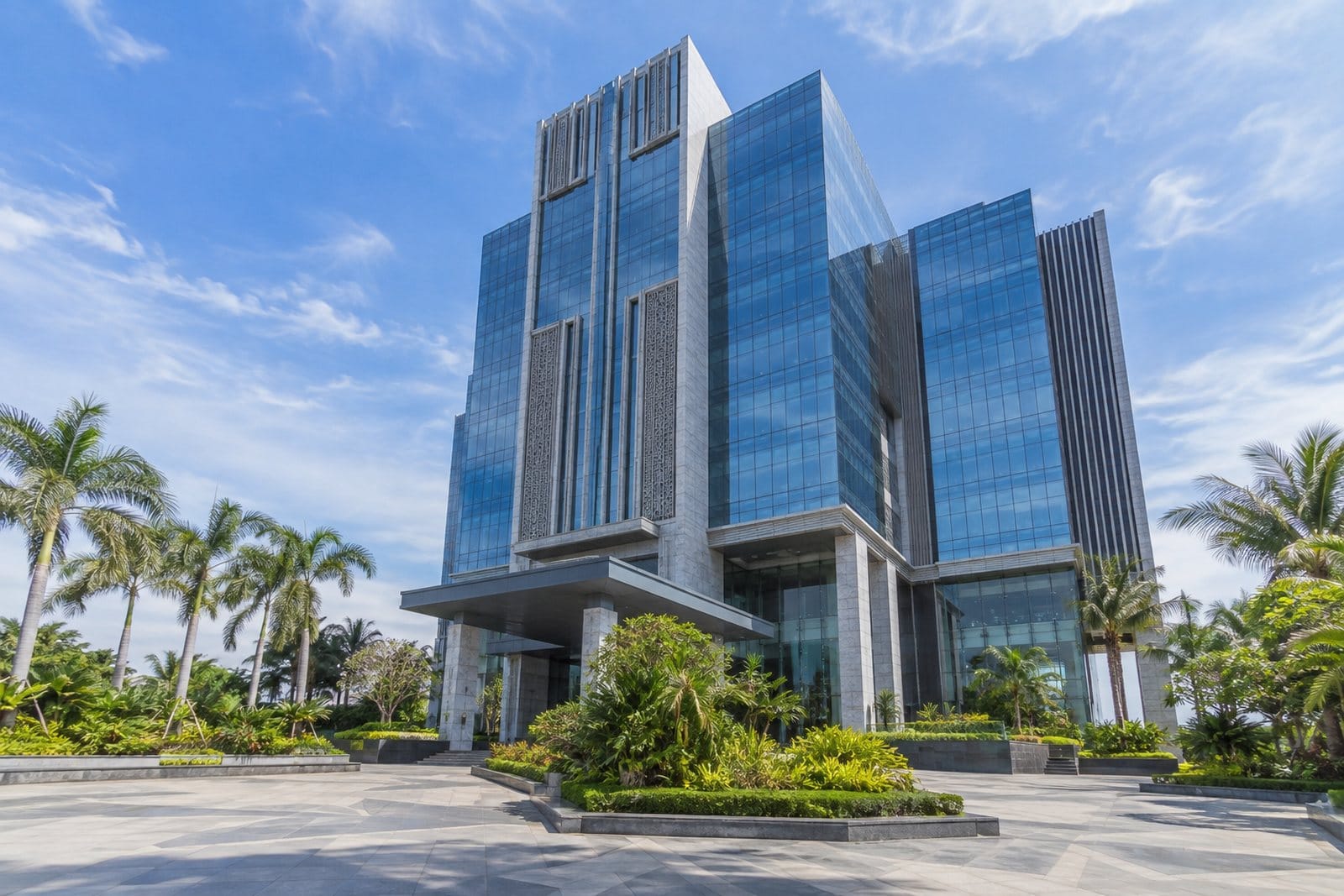 Daily Dispatch · Illustration: HubLombok (AI-generated)
Taken together, the measures span liquidity, credit conditions and payment infrastructure. Their effects will depend on implementation and broader market conditions. The announcement gives investors a policy direction to monitor, but not enough information to calculate future borrowing costs, changes in bank lending or the timing of any payment-system benefits.
What This Means for Investors
For a European, Australian or American buyer considering Lombok, currency planning belongs in the investment case from the outset. The reported measures do not remove the possibility of exchange-rate movements. A careful assessment should distinguish the currency used to fund an acquisition from the currency in which local expenses and any rental receipts arise, then consider how conversion at different points could affect the investor’s own budget and returns.
That exercise should avoid false precision. Antara’s report supplies no rupiah quotation, property-market forecast or revised financing rate. It would be premature to translate BI’s announcement into a predicted villa price, a specific change in purchasing power or a claim about rental yield. Lombok property economics still need to be assessed on their own evidence, with currency assumptions made explicit rather than hidden inside a headline return.
The policy signals worth following are clear. Investors can watch whether BI implements the announced expansion of repo eligibility in October, how it describes foreign-exchange flows and liquidity in subsequent communications, and whether its macroprudential and payment-system plans progress. The Federal Reserve outlook cited by BI is another variable in the external environment. None of these observations alone determines the direction of the rupiah.
For prospective buyers, a disciplined decision process means stress-testing the budget against currency movement, confirming the currency and timing of each payment, and reviewing financing terms with the relevant professionals. For owners with local income and overseas spending needs, it means understanding how conversion affects usable income. These are general portfolio considerations, not forecasts arising from this announcement.
BI is signalling that it will use monetary, macroprudential and payment-system tools to support stability as external conditions remain challenging. For Lombok investors, that makes currency assumptions an immediate part of due diligence. The central bank’s next actions and market response will matter more than treating today’s announcement as a guarantee of a particular outcome.
Stay informed: subscribe to the free Lombok Briefing, published twice a month (the 1st and 15th), for market intelligence like this.
What did Bank Indonesia announce about supporting the rupiah?
BI said it would strengthen monitoring of foreign-exchange flows and support liquidity through repo operations for non-government securities. It also plans to widen eligible instruments to include bonds issued by PT Sarana Multi Infrastruktur starting in October 2026.
Does the announcement predict a specific rupiah exchange rate?
No. Antara Business reports BI’s policy preparations and two dollar-index readings, but gives no rupiah quotation or forecast. The measures signal a response to external pressure; they do not establish a particular exchange-rate outcome.
Why should Lombok property investors pay attention?
Investors funding purchases or receiving local income may be exposed to currency conversion effects. BI’s announcement is a reason to make those assumptions explicit in a budget, but it does not provide a property price, financing-rate or rental-yield forecast.

The Lombok Buyer's Field Guide
Legal structures ranked by risk, the honest ROI math line by line, all six zones ranked, and the 24-point due-diligence checklist. The whole book, free in your inbox.
See what's inside