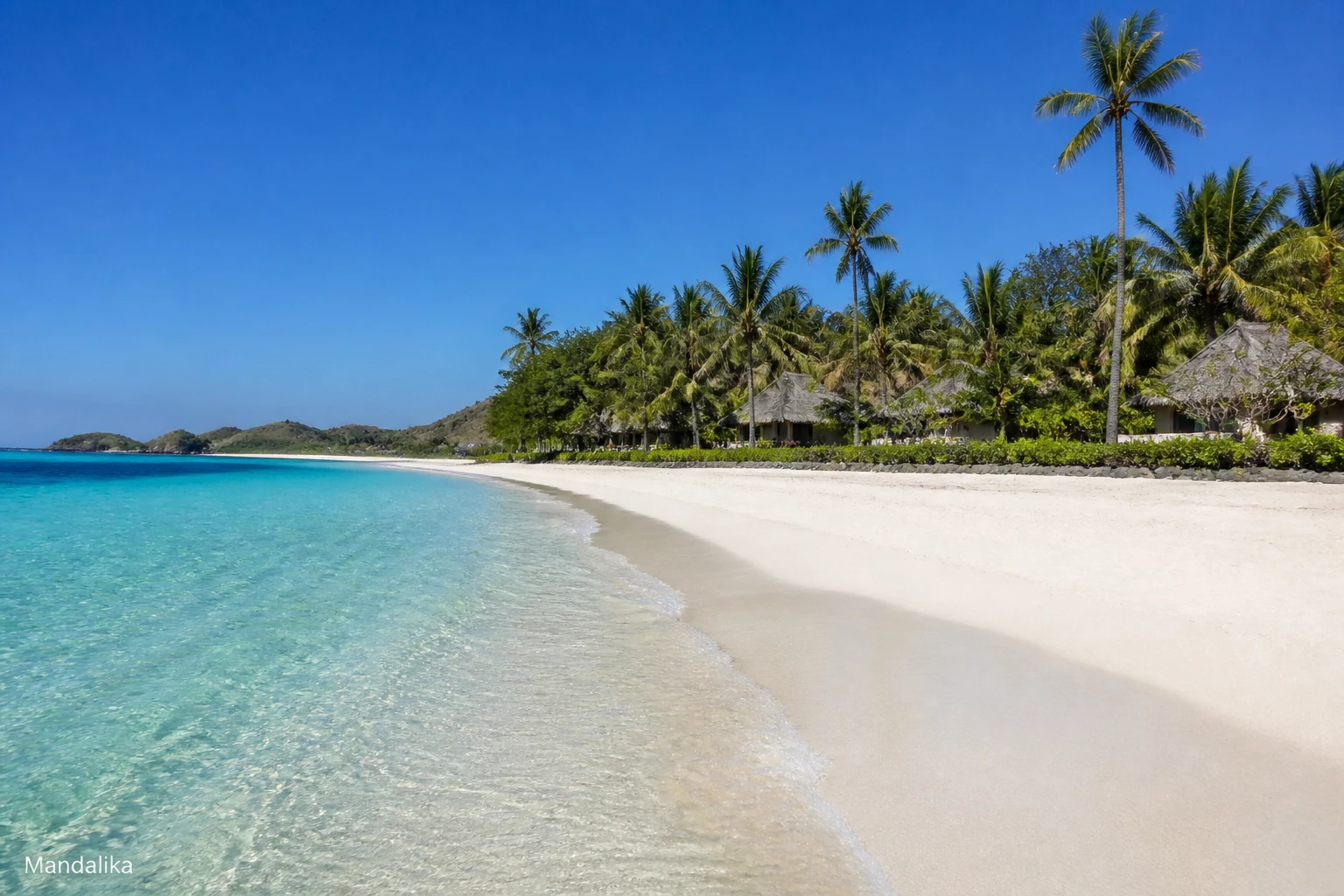
Bali's Temple Closures Signal Congestion: Lombok's Overflow Boom Offers Better Returns
Bali's temple closures during Galungan ceremonies signal rising congestion. Lombok captures tourism overflow with lower entry prices (EUR 95–350K), realistic net yields 7–12%, and 40–50% YoY tourist g
Bali's famous temples are closing their doors this week as Galungan, one of the Hindu calendar's most sacred festivals, brings ceremonial obligations and spiritual practice to the forefront. For the island's tourism economy, these periodic closures signal something investors should understand: Bali is buckling under its own success. Rising prices, congestion, and the complexity of navigating a mature, crowded destination are pushing both tourists and investment capital toward alternatives.
The Congestion Cost
Galungan closures are a small but telling symptom of a larger trend. Bali, once a frontier for emerging-market property investors, is now saturated. Entry prices for comparable investment-grade villas have climbed to USD 400,000–800,000. Occupancy expectations, whilst strong in Bali's most desirable zones, come with corresponding management complexity, rising staff costs, and increasing regulatory scrutiny. The island's tourism infrastructure, temples, beaches, restaurants, taxis, is visibly strained during peak seasons.
Temple closures also carry an underappreciated investor implication: your property's occupancy calendar is hostage to Hindu ceremonial calendars, which can create unpredictable vacancy windows. Whilst Balinese culture is part of the destination's appeal, these friction points reduce revenue predictability for short-term rental operators.
The Lombok Alternative
Three hundred kilometres east, Lombok is in an entirely different phase of its tourism cycle. The island recorded foreign tourist arrivals up 40–50% year-over-year in 2026, driven by Bali-overflow demand, improving flight connectivity, and the novelty of the Mandalika MotoGP circuit and resort complex.
Entry prices for turnkey investment villas in South Lombok range from EUR 95,000 to EUR 350,000, a fifth to a tenth of Bali's comparable tier. This is not a discount for lower quality; rather, it reflects Lombok's earlier position in its growth curve. Land in prime tourism zones commands Rp 150–400 million per are, versus USD 200–500/m² in Bali's equivalent locations.
Realistic Yields in the Lombok Market
Here is where the investment case solidifies. Lombok's net rental yield, the figure that matters after management fees (18–22% of gross revenue) and realistic occupancy assumptions, ranges from 7 to 12% across the six main tourism zones. Stabilised occupancy in years 1–3 typically ranges from 55 to 70%, lower than Bali's 70–85%, but accelerating. Developers frequently quote gross yields of 12–22%; savvy investors discount these by actual costs to land on honest net returns.
Compare this to Bali: comparable villas in mature zones yield perhaps 5–8% net after much higher entry capital and fiercer competition for guests.
Zone Momentum: Where Growth Is Concentrating
Lombok's six main investment zones show divergent momentum, offering choice for different investor profiles:
- Kuta Mandalika: Gross yields 14–22%, land Rp 300–400 million per are, entry USD 194–344K. Up 38% year-over-year, driven by the MotoGP circuit and resort development. The zone's liquidity and tourism intensity make it the demand leader.
- Are Guling: Gross yields 17–25%, land Rp 120–180 million per are, entry USD 150–255K. Up 47% year-over-year, Lombok's hottest zone. Early in its tourism cycle, with rising infrastructure investment. Developments like Samudra Villas in Are Guling exemplify the quality entry-level villa product that is attracting European and Australian investors.
- Tanjung Aan: Gross yields 15–21%, land priced parcel by parcel, entry USD 172–323K. Up 29% year-over-year. Trophy beachfront and dramatic cliff parcels appeal to high-net-worth buyers seeking both capital appreciation and lifestyle.
- Selong Belanak: Gross yields 13–19%, land Rp 150–250 million per are, entry USD 151–301K. Up 22% year-over-year. Family-tourism appeal and steadier, less speculative demand.
- Senggigi: Gross yields 9–14%, land USD 980/m², entry USD 118–247K. More mature, best for yield-focused, lower-entry investors and title clarity.
- Gili Trawangan: Gross yields 11–16%, land priced parcel by parcel, entry USD 237–484K. The islet commands premium occupancy and pricing, though import costs and seasonal tourism volatility require discipline.
What This Means for Investors
Bali's ceremonial closures and congestion are not crises, they are natural consequences of a mature, densely touristed destination reaching its service ceiling. For investors, they signal a shift in the risk-reward calculus. The era of 10–15% net returns in Bali is fading; premium locations now trade at lower yields and higher entry prices.
Lombok, by contrast, is capturing Bali-overflow demand at a formative moment. Tourist arrivals are accelerating, zone-specific infrastructure (especially around the Mandalika MotoGP circuit and road upgrades) is improving occupancy predictability, and entry prices remain accessible. A EUR 255,000 turnkey villa in Are Guling, offered by developers like Samudra Villas, is a disclosed commercial reference of HubLombok; HubLombok publishes no yield figure for it, and any net yield should be treated as an estimate within the 7–12% range.
Cultural friction and congestion are not merely tourism complaints; they are headwinds to your asset's occupancy and revenue stability. Lombok's younger infrastructure and lower saturation work in its favour.
The Opportunity Ahead
Bali will remain a destination of cultural richness and tourism appeal. But for property investors seeking honest returns and capital appreciation with lower entry friction, Lombok's tourism boom is the story to follow. The island is entering precisely the phase that made Bali attractive a decade ago, earlier cycle, rising arrivals, underdeveloped supply relative to demand, and investor-friendly regulations around leasehold and corporate ownership.
Those who move early capture the compression of risk and expansion of yields. Those who wait will find prices and management competition catching up to Bali's mature, congested norms.
Stay informed, subscribe to the free Lombok Briefing for analysis like this, published twice a month.
Why does Lombok offer higher percentage yields than Bali despite similar tourism demand?
Lombok's entry prices (EUR 95–350K vs USD 400–800K in Bali) are lower because the island is earlier in its growth cycle. Same occupancy and daily rates yield higher percentage returns on lower capital. This advantage will compress as Lombok develops, making earlier entry more valuable.
Is 55–70% occupancy realistic for first-year Lombok rentals?
Yes. Developer quotes often claim 70–85%; honest planning assumes 55–70% years 1–3, stabilising higher thereafter. Management quality, marketing, and proximity to attractions (Kuta Mandalika, Are Guling) significantly influence actual occupancy outcomes.
How does the Mandalika MotoGP circuit affect investor returns across zones?
Kuta Mandalika, the circuit's location, saw rates and occupancy rise 38% YoY. Adjacent zones (Tanjung Aan, Selong Belanak) benefit from overflow tourism and event-driven visitors. The permanent circuit ecosystem supports multi-year occupancy gains beyond the annual race week.
The Lombok Buyer's Field Guide
Legal structures ranked by risk, the honest ROI math line by line, all six zones ranked, and the 24-point due-diligence checklist. The whole book, free in your inbox.
See what's inside