Bali's Tranquil Lakes Are Reaching Capacity: Here's Why Lombok Investors Win
Bali's tourist zones reach capacity. South Lombok's investment-grade villas deliver 7–12% net yields and tranquillity. Why savvy investors are making the shift southeast.
Quick answer: As Bali's lakeside retreats become saturated with tourists, investment-grade villas in South Lombok offer an earlier-cycle, higher-yield alternative, 7–12% net yields vs Bali's comparative pressure, at entry prices €95–350K. Tranquillity and capital growth are shifting southeast.
The lakesides of Bali, once a refuge from crowded coasts, are no longer immune to tourism pressure. A new report from The Bali Sun reveals that Bali's lakes, Lake Batur, Lake Bratan, and smaller bodies of water, are seeing unprecedented footfall as beach resorts max out capacity. For property investors, the message is clear: Bali's premium pricing and saturation are rendering new-build entry points less compelling. Meanwhile, 100 kilometres southeast, South Lombok's emerging villa zones are experiencing the inverse: growing demand, lower saturation, and yields that reward early movers.
The Bali Saturation Signal
Bali's tourism recovery has been robust. International arrivals to Indonesia topped 7.6 million in 2024 and are tracking well ahead in 2025–26. A substantial portion lands in Bali, and the island's carrying capacity, particularly in Ubud, Seminyak, Sanur and Canggu, is visibly strained. Hotels are full; restaurants book weeks ahead; traffic clogs narrow streets.
The inland pivot to lakes is telling. Tourists hunting for "tranquillity" and "off-path" experiences are treating Bali's lakesides as the new second-tier remedy. But when even a lake's shoreline becomes a crowded photo op, the entire island enters a new phase: saturation-driven premium pricing.
For investors, this is a critical inflection. Comparable investment-grade villas in Bali's top zones now trade at USD 400,000–800,000. Occupancy realities range from 70–85%. Management fees remain 18–22% of gross revenue. Net yields compress accordingly. Entry prices are also pushing out mid-market investors, those hunting €200–300K deployments, who are now looking elsewhere.
The Lombok Advantage: Earlier Cycle, Higher Yield
South Lombok is experiencing the inverse trajectory. Foreign arrivals are up 40–50% year-on-year, driven by organic tourism growth and the MotoGP Grand Prix at Mandalika, which commenced in 2023. Critically, South Lombok remains in its earlier investment cycle. Tranquillity is abundant. Coastal infrastructure is improving (airport expansion 2025–26), but overdevelopment has not eroded the region's appeal.
Investment-grade villas deliver 7–12% net annual yields after realistic management fees and occupancy. Developers quote 12–22% gross yields, but net yields, what owners keep, are the decisive metric. A €255,000 turnkey villa in Are Guling, the region's fastest-growing zone, can achieve €18,000–30,000 annual net cashflow, with meaningful capital appreciation as tourism ramps.
Occupancy in South Lombok stabilises at 55–70% in years 1–3. This is slightly below Bali's 70–85%, but achieved on a substantially lower cost basis:
| Metric | Bali | South Lombok | |--------|------|---------------| | Entry price (villas) | USD 400–800K | €95–350K | | Net yield | 6–9% | 7–12% | | Occupancy (stabilised) | 70–85% | 55–70% | | Capital appreciation (YoY) | 5–15% | 15–47% (by zone) |
Capital appreciation in South Lombok has been extraordinary. Are Guling has seen valuations rise 47% year-on-year. Selong Belanak is tracking +22%. Kuta and Mandalika are posting +38%. For comparison, Bali's capital appreciation has decelerated to mid-single digits as the market has matured and regulatory ceilings bite.
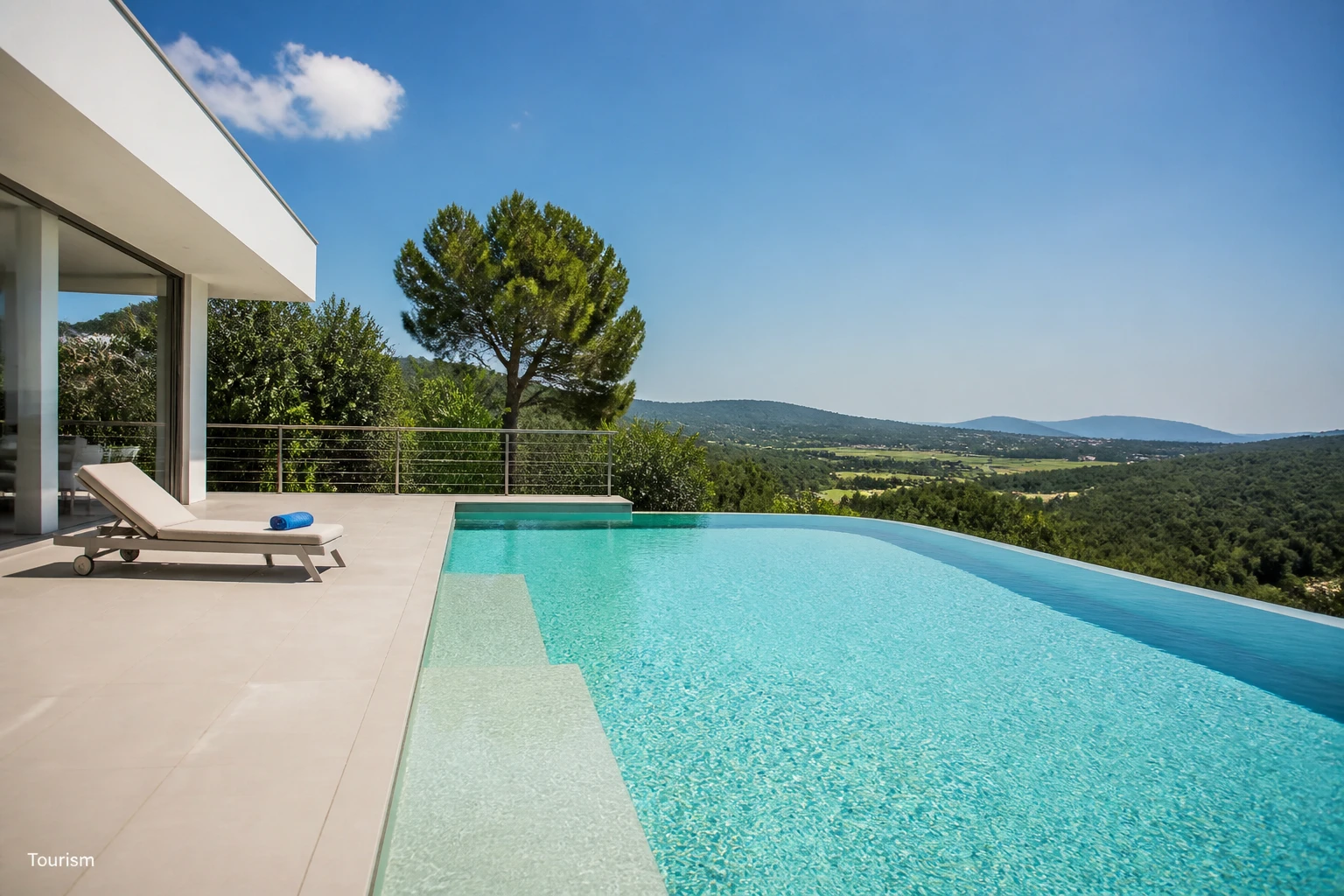
 Bali's Tranquil Lakes Are Reaching Capacity, Here's Why Lombok Investors Win · Illustration: HubLombok (AI-generated)
Where the Opportunity Sits
South Lombok's six investment zones occupy distinct positions on the risk-return spectrum:
Kuta (Rp 300–400M/are): liquidity and tourism leader, closest to Bali in maturity. Villas deliver 14–22% gross yields. Good for lower-risk, lower-growth play.
Are Guling (Rp 120–180M/are): the frontier. Land and villas appreciate fastest (+47% YoY). Early-stage infrastructure; yields reach 17–25% for well-positioned assets. Highest risk; highest reward.
Selong Belanak (Rp 150–250M/are): family tourism, mid-cycle. Steady +22% appreciation; 13–19% yields. Balanced risk-reward.
Mandalika (Rp 100–150M/are): the SEZ around the MotoGP circuit. Infrastructure is anchored by the race. Entry is cheapest; yields 10–16%. Demand is volatile but long-term thesis is solid.
Mawun and Bumbang: quiet bays west of Kuta. Lowest entry (Rp 30–50M/are). Emerging; suitable only for patient capital.
For the investor stepping in today, the sweet spot is Are Guling or Selong Belanak: reasonable entry, clear yield, and double-digit capital appreciation as tourism ramps, exactly the phase Bali exited five years ago.
What This Means for Investors
The Bali-to-Lombok migration reflects a real economic signal: Bali's per-unit cost is rising; per-unit yield is falling; tranquillity is vanishing. Lombok's per-unit cost is stable; per-unit yield is firm; tranquillity is abundant, for now.
For European, Australian and American investors aged 30–60 with €150–350K to deploy, the decision is straightforward: accept roughly 7–9% net returns in a saturated market, or look at a zone with net yields estimated at 7–12% and, according to developer-quoted figures, faster capital appreciation, with more risk?
The window for entry at Lombok's current pricing is not infinite. As MotoGP visibility spreads and airport capacity improves, land and villa pricing will normalise upward. Investors waiting for a "correction" are likely to miss the opportunity.
The next move: engage with a licensed notary (TerraNusa Advisory offers the full due-diligence chain), visit the zones in person, and structure the acquisition via PT PMA (the standard foreign-ownership vehicle, offering 30-year land rights with extension). Done correctly, the process takes 60–90 days.
Stay informed, subscribe to the free Lombok Briefing for market intelligence like this, published twice a month.
Why is Lombok yielding more than Bali?
Lombok villas enter at €95–350K vs Bali's USD 400–800K. Lower basis plus similar absolute cashflow equals higher yield. Bali's occupancy edge is offset by higher operating costs.
Which zone has the best capital growth potential?
Are Guling leads at +47% YoY and remains early-cycle. Selong Belanak (+22%) and Mandalika (MotoGP-anchored) are strong. Kuta is mature with lower growth potential.
How long does foreign ownership setup take?
PT PMA company structure, due diligence and land-office deed: 60–90 days with a licensed notary. TerraNusa Advisory handles the full legal and tax chain.

The Lombok Buyer's Field Guide
Legal structures ranked by risk, the honest ROI math line by line, all six zones ranked, and the 24-point due-diligence checklist. The whole book, free in your inbox.
See what's inside