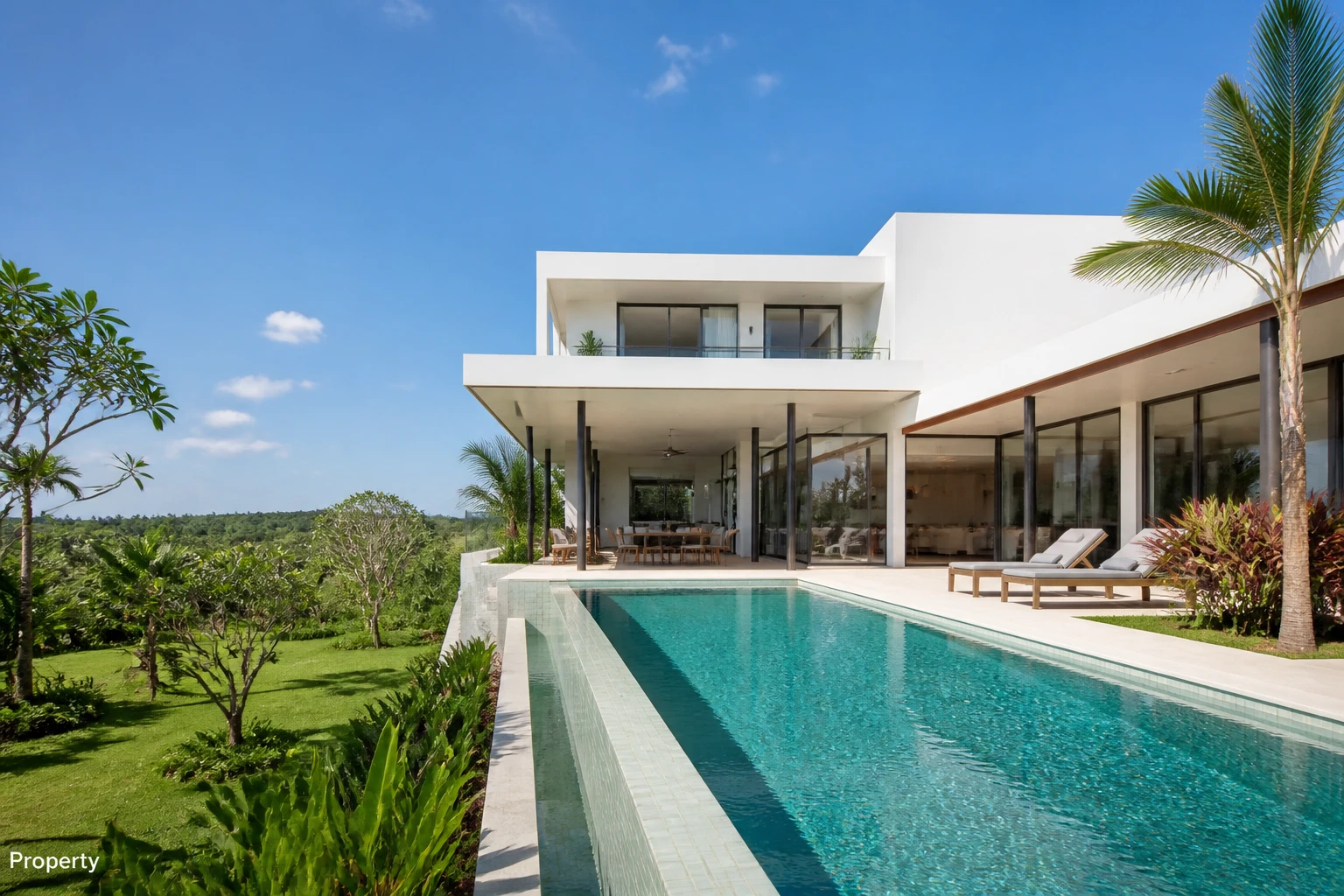
Bali's Hidden Gems Paradox: Saturation Signals South Lombok Opportunity
As Bali reaches saturation, South Lombok's early-cycle villas, EUR 95K–350K, offer the authenticity and yield Bali tourists now chase. Entry price 50% lower; zone growth +22–47% YoY; net yields 7–12%.
Quick answer: As Bali's iconic sites become oversaturated with mass tourism, investors are recognising a critical pattern: the island that was exotic in 2015 is now congested by 2026. South Lombok's beach villas, roughly 50% cheaper than Bali comparables, now capture the authenticity overflow. Entry: EUR 95,000–350,000; honest net yield: 7–12%.
The difficulty in identifying "genuinely hidden" rice terraces in Bali is not a romantic puzzle. It is a market signal. When finding authentic experiences requires deliberate effort, it signals that mass tourism has already saturated the mainstream. And mass tourism, in property markets, creates a predictable cycle: first demand, then prices, then crowding, then yield compression. For investors, this cycle is the canary in the coal mine.
The Context
Bali has been Western Asia's benchmark for tourism and residential investment for two decades. Yet consistent demand growth has transformed it from bohemian destination into premium resort economy, and with that transformation comes congestion.
The struggle to locate "hidden gems" is diagnostic. Tourist volumes to Ubud's rice terraces, Canggu's coastline, and Seminyak's restaurants have scaled from backpacker numbers to tens of thousands daily. Beaches that were meditative in 2015 are now choreographed photo venues. The villas themselves, once exclusive, have become short-term rental warehouses managed by algorithmic systems.
This maturation has reshaped Bali's property economics fundamentally. Investment-grade villa entry now starts at USD 400,000–800,000 for comparable quality to what South Lombok delivers at EUR 95,000–350,000. That is a three- to fivefold premium, and the premium is justified by occupancy plateaus and yield compression, not by fundamentals improving.
The Investor Signal
Bali's overcrowding is not incidental to property value; it is the engine of it. Higher tourist density in the growth phase drives villa yields, occupancy, and capital appreciation simultaneously. But at saturation, density inverts from asset to liability: guest experience declines, management complexity escalates, occupancy flattens, and rental rates plateau.
Sophisticated investors identify this inflection point with precision. Bali has reached it. South Lombok, by contrast, sits at the same inflection point that Bali occupied in 2012: early-cycle capital appreciation, rising occupancy, and a fragmented competitive landscape.
The data is unambiguous. Foreign tourist arrivals to South Lombok are growing at 40–50% year-over-year. This is not hypothetical demand; it is real visitors landing. Bali's mature zones stabilise at 70–85% annual occupancy; Lombok is still in the acceleration phase, where occupancy and rental rates climb together. That is the difference between a 6% annual return and a 15%+ return.
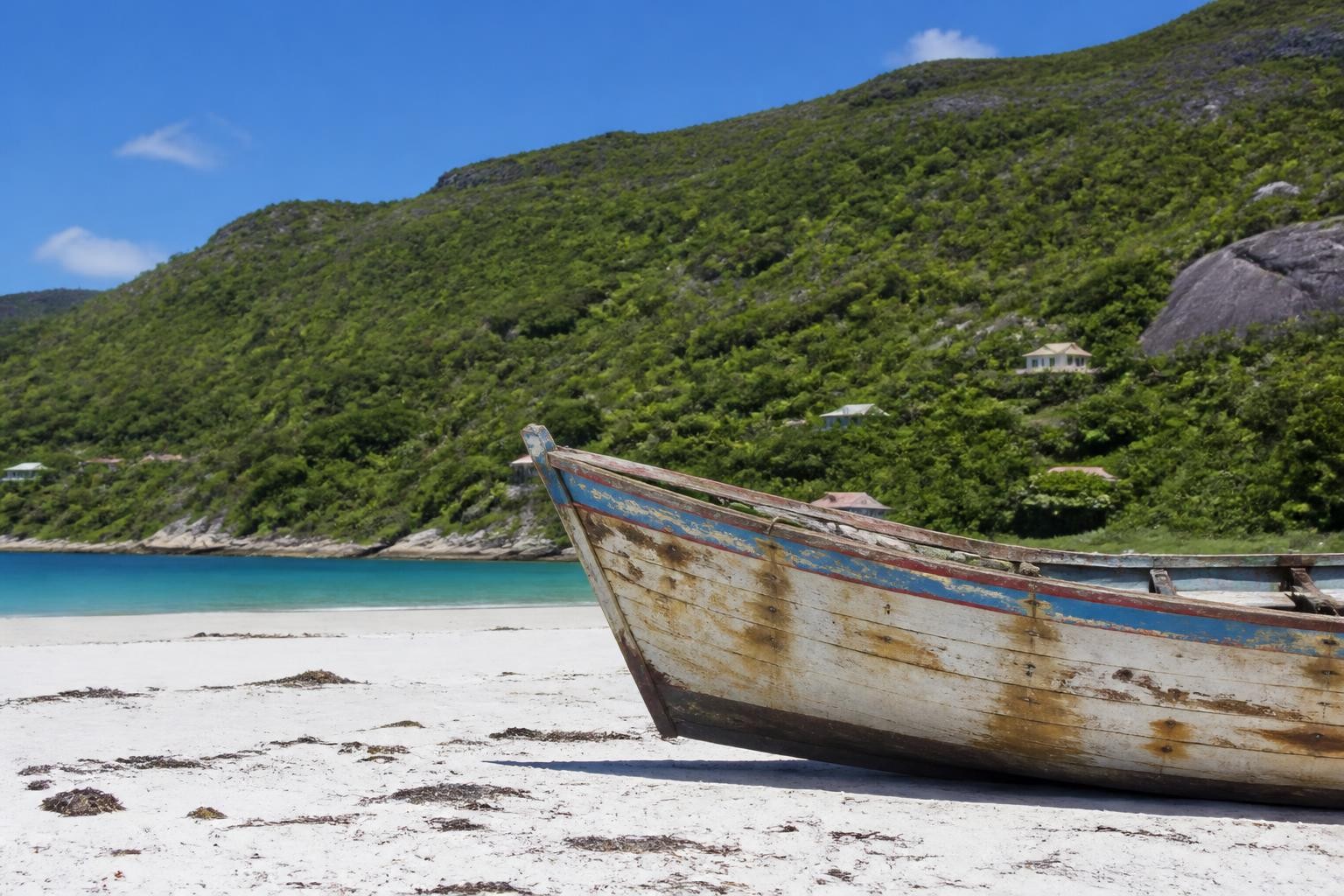 Bali's Hidden Gems Paradox · Illustration: HubLombok (AI-generated)
Where the Overflow Flows
South Lombok's six primary investment zones each serve distinct traveller archetypes and yield profiles:
| Zone | Typical Entry | Net Yield Range | YoY Momentum | |---|---|---|---| | Are Guling | EUR 150K–255K | 17–25% | +47% | | Kuta Mandalika | EUR 194K–344K | 14–22% | +38% | | Tanjung Aan | EUR 172K–323K | 15–21% | +29% | | Selong Belanak | EUR 151K–301K | 13–19% | +22% | | Gili Trawangan | EUR 237K–484K | 11–16% | +8% | | Senggigi | EUR 118K–247K | 9–14% | +6% |
Are Guling, where Samudra Villas operates, has emerged as the zone of highest momentum, appreciating +47% annually. It attracts investors pursuing the early-cycle thesis: turnkey villas, professional management, occupancy still climbing through the 55–70% stabilisation window, and capital growth still steep.
The mathematics are stark. A Bali villa trading at USD 600,000 typically generates 4–7% net yield after management fees (18–22% of gross) and accounting for realistic occupancy (70–85%). Deploy that same USD 600,000 capital into two Are Guling villas at EUR 255,000 each (approximately USD 280,000 per villa), each with an estimated net yield within the honest 7–12% range, in a zone the developer quotes as appreciating around +47% annually (a developer-quoted figure, not a guarantee). The difference compounds swiftly: capital growth plus current yield, versus yield alone in a mature market.
What This Means for Investors
Bali's saturation does not diminish its appeal; it confirms its maturity. Mature markets deliver stability and steady income. South Lombok is where Bali's capital allocation should migrate: chasing authentic experiences that tourists still seek, infrastructure not yet at maximum capacity, and alpha returns still available to early participants.
The window is finite. As Lombok's tourism infrastructure expands, airport capacity upgrades are live through 2025–26, as international tour operators add South Lombok to standard itineraries, and as word spreads among investment cohorts, entry multiples will compress toward Bali parity. Early investors who act now capture both yield and capital appreciation. Later entrants will own stabilised assets yielding 7–10% in a region no longer considered "undiscovered."
For investors currently reassessing Bali or reconsidering their thesis: the "hidden gem" story is instructive. Authentic Bali is becoming literature. Authentic Lombok is still possible, but only for the investors who move while the opportunity window remains open.
Stay informed, subscribe to the free Lombok Briefing for market intelligence like this, published twice a month.
How does Bali's overcrowding affect Lombok investors?
Tourist overflow and rising Bali prices are pushing capital south. Lombok villas are approximately 50% cheaper, growing at 22–47% annually by zone, and yield 7–12% net after realistic occupancy assumptions and management fees.
What's the entry cost for Lombok vs. Bali?
South Lombok offers investment-grade villas from EUR 95K–350K, capturing authentic tourism demand. Comparable Bali assets run USD 400K–800K. Lombok's early-cycle positioning delivers strong capital appreciation and compelling current yield.
Which Lombok zone offers the best returns right now?
Are Guling leads on developer-quoted gross yield (17–25%) and +47% YoY appreciation; net yields are estimated at 7–12%. Kuta Mandalika and Tanjung Aan also deliver strong returns, 38% and 29% annual growth respectively. All zones outpace mature Bali.

The Lombok Buyer's Field Guide
Legal structures ranked by risk, the honest ROI math line by line, all six zones ranked, and the 24-point due-diligence checklist. The whole book, free in your inbox.
See what's inside