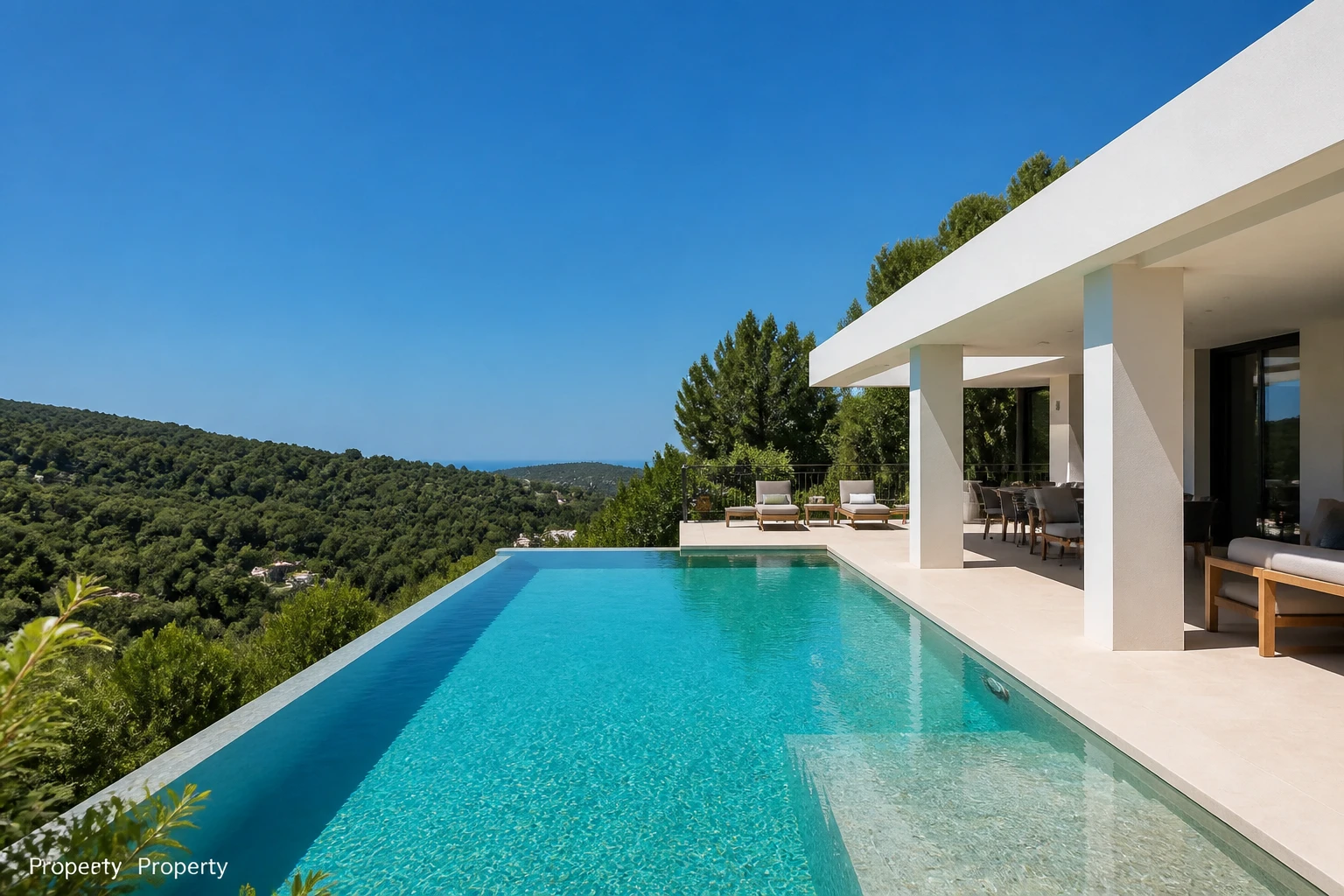
Bali's Peak Season Overflow: Why Lombok Vacation Rentals Are Outperforming
As Bali's summer tourism peaks, savvy investors are capturing spillover demand with Lombok vacation rentals. Island arrivals are up 40–50% YoY, with net yields of 7–12% and entry prices 60% lower than
Bali is in full swing. School holidays are underway, Galungan has arrived, and the beaches are thronged with families seeking respite from the Northern hemisphere winter. For decades, Bali has owned this market. But a quiet shift is unfolding: the island that was once the default for Indo-Pacific leisure is becoming congested, and expensive, enough that investors and operators are discovering a more compelling alternative just across the Lombok Strait.
The phenomenon is straightforward. When Bali reaches peak capacity (itself occurring more frequently as global tourism grows), tourists spill east. Lombok, still early-cycle by comparison, now captures a growing share of that overflow: foreign arrivals have climbed 40–50% year-on-year, while villa-rental demand in the primary zones has accelerated sharply. For investors, this dynamic creates a rare window: higher yields, lower entry costs, and the tailwind of an emerging destination.
The Bali Squeeze
Bali's tourism infrastructure is mature. Hotels command premium rates; boutique villas book at USD 400,000–800,000, with net occupancy stabilising around 70–85% after years of operational refinement. The island offers cultural depth, temples, ceremonies, rice terraces, but new ground-level experiences (bespoke family activities, modern amenities, space) are harder to differentiate.
When travel peaks, school breaks, regional holidays, religious celebrations, supply tightens. Families seeking week-long villa holidays with pools, staff, and privacy bump against inventory constraints and pricing at the ceiling.
The Lombok Opportunity
Lombok presents the inverse scenario. The island is drawing international interest at precisely the moment Bali is reaching saturation. Infrastructure is improving (airport expansion, roads, electricity), and early adoption by European and Australian investors has validated the asset class. Most importantly, the economics favour investors seeking entry points with real yield potential.
Yield Advantage
Net rental yield across South Lombok's primary zones: 7–12% after all costs. Compare this to Bali, where mature properties stabilise around 6–8% net after management, OTA commissions, and realistic occupancy haircuts. Lombok's leading zones deliver more: Are Guling, the frontier zone where developments like Samudra Villas operate, sees developer-quoted yields of 17–25% gross; after conservative assumptions, net yields are estimated within the 7–12% range. Tanjung Aan, the trophy clifftop beachfront, runs 15–21% gross.
Price Entry
A turnkey investment-grade villa in Lombok ranges EUR 95,000–350,000, depending on location and spec. The Bali equivalent, comparable quality, similar square metres, costs USD 400,000–800,000 or more. For a EUR 200,000 investment in Lombok, an investor captures 9–11% net yield; the same capital in Bali might manage 6–7%.
Occupancy in Motion
Lombok's stabilised occupancy stands at 55–70% in years 1–3, climbing toward 75%+ as the tourism profile strengthens and operators refine their positioning. That trajectory matters: the current year-on-year arrivals growth (+40–50%) directly accelerates the occupancy ramp. Kuta Mandalika, the tourism epicentre, has seen villa price appreciation of +38% year-on-year, while Are Guling (earlier in its cycle) has appreciated +47% year-on-year, signalling both demand confidence and early-cycle momentum.
The Seasonal Arbitrage
Bali's peak season (June through September in the Northern hemisphere) is now synonymous with congestion. Prices peak, availability shrinks, and experience quality declines. Lombok, still building its reputation, offers a contrarian timing strategy: operators can offer larger villas, more personalised service, and premium positioning to overflow tourists at rates that would be uncompetitive in Bali, yet still retain margins. A seven-night family villa stay in Lombok, booked during Bali's peak season, often undercuts a comparable Bali property by 30–40%, while yielding more to the owner.
Infrastructure Tailwinds
The Bali-overflow thesis rests on infrastructure investment. Lombok International Airport is expanding capacity; the Mandalika Special Economic Zone (SEZ) is attracting hospitality brands and raising destination prestige. The 2023 MotoGP Grand Prix (held on-island) accelerated brand awareness among affluent international audiences. Airport improvements scheduled through 2026–2027 will unlock larger tour groups and corporate retreats.
For villa investors, these improvements are force multipliers: they expand the addressable tourist market and reduce the occupancy risk that plagues earlier-stage destinations.
What This Means for Investors
The lesson for portfolio builders is tactical. A EUR 200,000 villa investment in Are Guling or Tanjung Aan, placed in a professional management company's pool, is estimated to earn a net annual yield within the 7–12% range, with no guarantee, while any appreciation is a separate and uncertain factor. Compare this to:
- Bali villa assets: 6–8% net yield, +8–12% annual appreciation, saturated market, higher entry cost.
- European property: 3–4% yield, slower capital growth, mature competition.
- Lombard-rate bonds: 4–5%, zero capital appreciation, opportunity cost significant.
Lombok does not yet have Bali's infrastructure or brand maturity. But that is the point. The overflow phenomenon, which peaks in Northern summer and again around Christmas, is turning the island's emerging status into an investor advantage. Higher occupancy growth, faster price appreciation, and genuine yield in the 7–12% net range create a rare window for capital deployed now.
The Execution Question
Success hinges on three factors:
- Professional management: A vetted operator managing a pool of properties (not a single owner-operator) smooths occupancy and quality risk.
- Legal clarity: Ensure the title structure (leasehold, Hak Pakai, or PT PMA) is sound and documented by a licensed PPAT notary.
- Location discipline: Kuta Mandalika, Tanjung Aan, Are Guling, and Selong Belanak remain the yield leaders; distant or low-traffic parcels should be avoided.
For investors watching Bali prices climb and occupancy soften, Lombok's surge is not speculation, it is measurable demand arriving on schedule.
Stay informed, subscribe to the free Lombok Briefing for analysis like this, published twice a month.
How do Lombok vacation rental yields compare to Bali?
Lombok delivers 7–12% net annual yield after management and occupancy costs; Bali typically achieves 6–8% net in mature markets. Are Guling and Tanjung Aan in Lombok are estimated at up to 12% net, vs. Bali's saturation around 7%. Entry prices in Lombok are 60% lower (EUR 95–350K vs. USD 400–800K), amplifying ROI.
Why are Lombok arrivals growing faster than Bali's?
Bali is mature and congested; Lombok is early-cycle and emerging. Lombok foreign arrivals are up 40–50% year-on-year due to MotoGP effect, airport expansion, and spillover from Bali peak-season overflow. Kuta Mandalika and Are Guling villas have appreciated +38% and +47% YoY respectively, validating investor demand.
What's the typical occupancy rate for Lombok vacation rentals?
Stabilised occupancy is 55–70% in years 1–3, climbing toward 75%+ as tourism grows. This is lower than Bali's 70–85%, but the 40–50% YoY arrival growth means occupancy is improving rapidly. Professional management pools smooth volatility and improve booking consistency.

The Lombok Buyer's Field Guide
Legal structures ranked by risk, the honest ROI math line by line, all six zones ranked, and the 24-point due-diligence checklist. The whole book, free in your inbox.
See what's inside