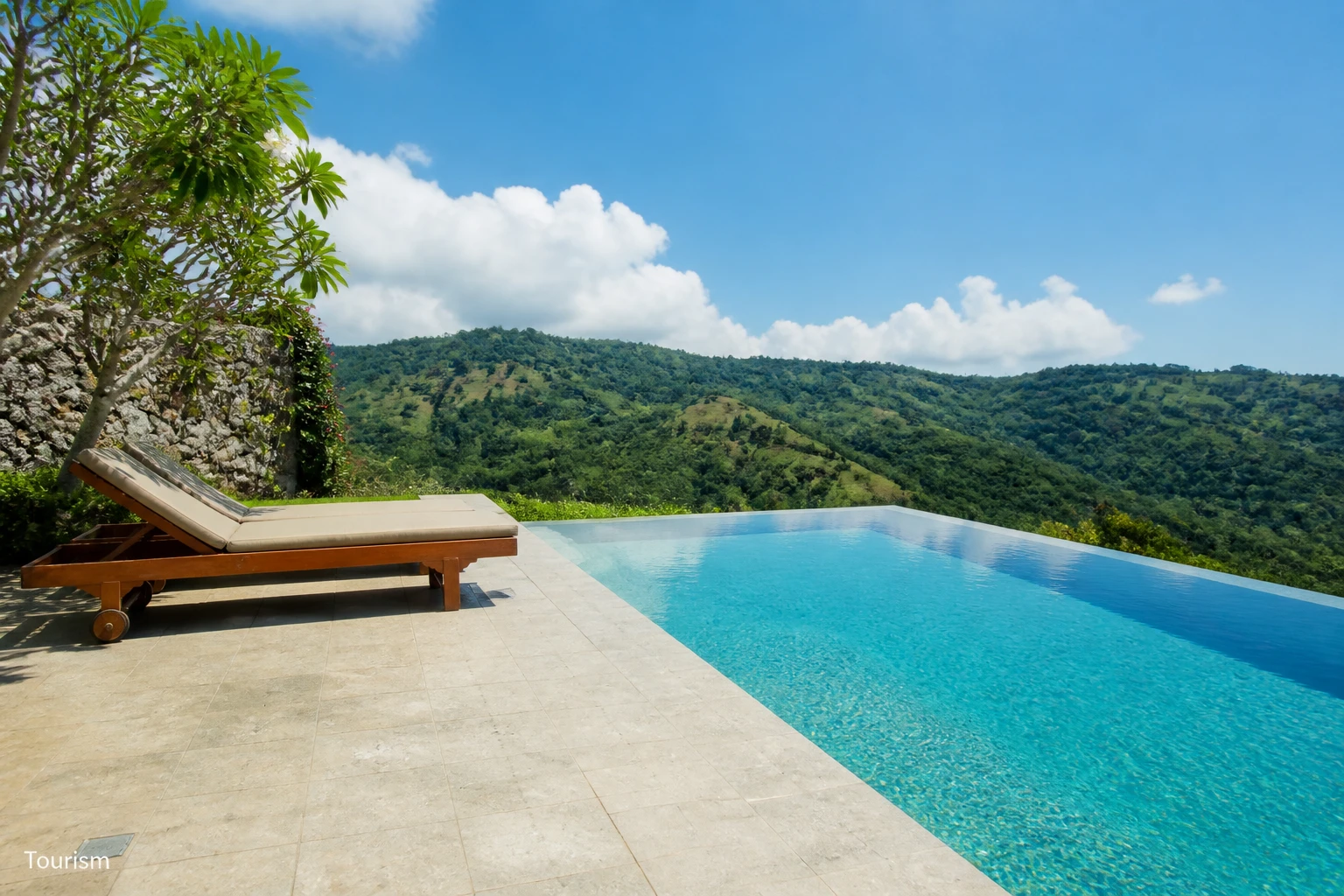
Bali's Security Burden Signals Overtourism: Lombok Investors Should Take Note
With Bali's police patrolling peak crowds, overseas arrivals discover South Lombok's quieter resorts and strong appreciation. Tourism up 40-50% YoY, yields 7-12% net. Your entry point?
Quick answer: Increased police patrols in Bali's congested resorts underscore overtourism strains that are redirecting foreign arrivals to South Lombok. With Bali occupancy maxed, Lombok's 55-70% stabilised occupancy presents a 7-12% net yield opportunity for early-cycle investors.
Yesterday's news that Bali's police have ramped up patrols across the island's busiest vacation resorts reads as a routine security update, but it carries a deeper signal for property investors. Peak season tourism is straining Bali's infrastructure and safety capacity. For real estate allocators, this trend illuminates a clearer picture: Bali is no longer the frontier. South Lombok is.
The Context
Bali's tourism narrative has shifted markedly in the past 18 months. The island is operating near peak capacity during the European summer season and school holidays. Resorts, beaches, temples and restaurants are crowded. When police resources must be explicitly increased to manage visitor safety during peak times, the market has sent an unmistakable signal: saturation has arrived.
This is not a crisis, Bali remains sophisticated, well-governed and safe. The police surge reflects competent capacity planning in response to volume. But saturation creates two effects that matter profoundly to property investors.
First, occupancy rates plateau at the top-end of the market. Established villas and resort properties can no longer reliably push for higher nightly rates or longer booking windows. Competition intensifies. Net yields compress as property owners must discount to fill calendars. The days of 15-22% gross yields trickling through to 10%+ net are becoming historical.
Second, congestion redirects demand elsewhere. Savvy international travellers, after one or two visits to crowded Seminyak, Ubud or Canggu, are increasingly asking a strategic question: where else in Indonesia can we find luxury, space, authentic experience and genuine scarcity of premium accommodation?
South Lombok is answering that question. And it is doing so at precisely the moment when investors should be paying attention.
Why Lombok Is Capturing Bali's Overflow
Foreign tourist arrivals to Lombok have climbed an estimated 40-50% year-on-year, a pace that significantly outpaces Bali's mature market. The catalyst is threefold.
First, airport expansion (2025–26). Lombok's airport is improving runway and terminal capacity specifically to handle higher international volumes. This is hard infrastructure, not marketing, but physical gates through which tourists must pass. Increased supply of flights creates downward pressure on airfares, making Lombok progressively more accessible from Europe, Australia and the Middle East.
Second, the MotoGP effect. Mandalika circuit, on the eastern edge of South Lombok, is now hosting international FIM Superbike World Championship and other motorsport events. This generates media attention, brings racing enthusiasts and their families, and creates a calendar reason to visit Lombok specifically, not as a Bali alternative, but as a destination in its own right.
Third, the Bali-overflow thesis itself. The simple economic reality: when accommodation, dining and beach experience become congested and expensive, adjacent, underdeveloped regions benefit from price-sensitive and experience-seeking travellers. This is not conspiracy; it is migration along the efficient frontier.
Lombok's villa market reflects this demand surge directly and measurably. Capital appreciation in Kuta (the prime resort zone) has climbed 38% year-on-year. Are Guling, the frontier development zone where most new villa stock is being built, has appreciated 47%, the highest across South Lombok's six investment zones. Even conservative Selong Belanak (the family-tourism anchor on the west coast) is up 22%. These are not speculative gyrations or developer hype; they are consistent, zone-wide signals of underlying demand from real buyers.
Rental yields remain stable and attractive: 7-12% net after all management fees, occupancy variance and realistic operational costs (years 1-3 typically see 55-70% occupancy). Bali, by comparison, operates at 70-85% occupancy but offers lower net yields because property prices have already capitalised much of the future return. Lombok investors, by contrast, buy into lower entry prices (€95–350,000 for turnkey villas) and capture both capital appreciation and steady rental yield, the classic early-cycle profile that mature markets no longer offer.
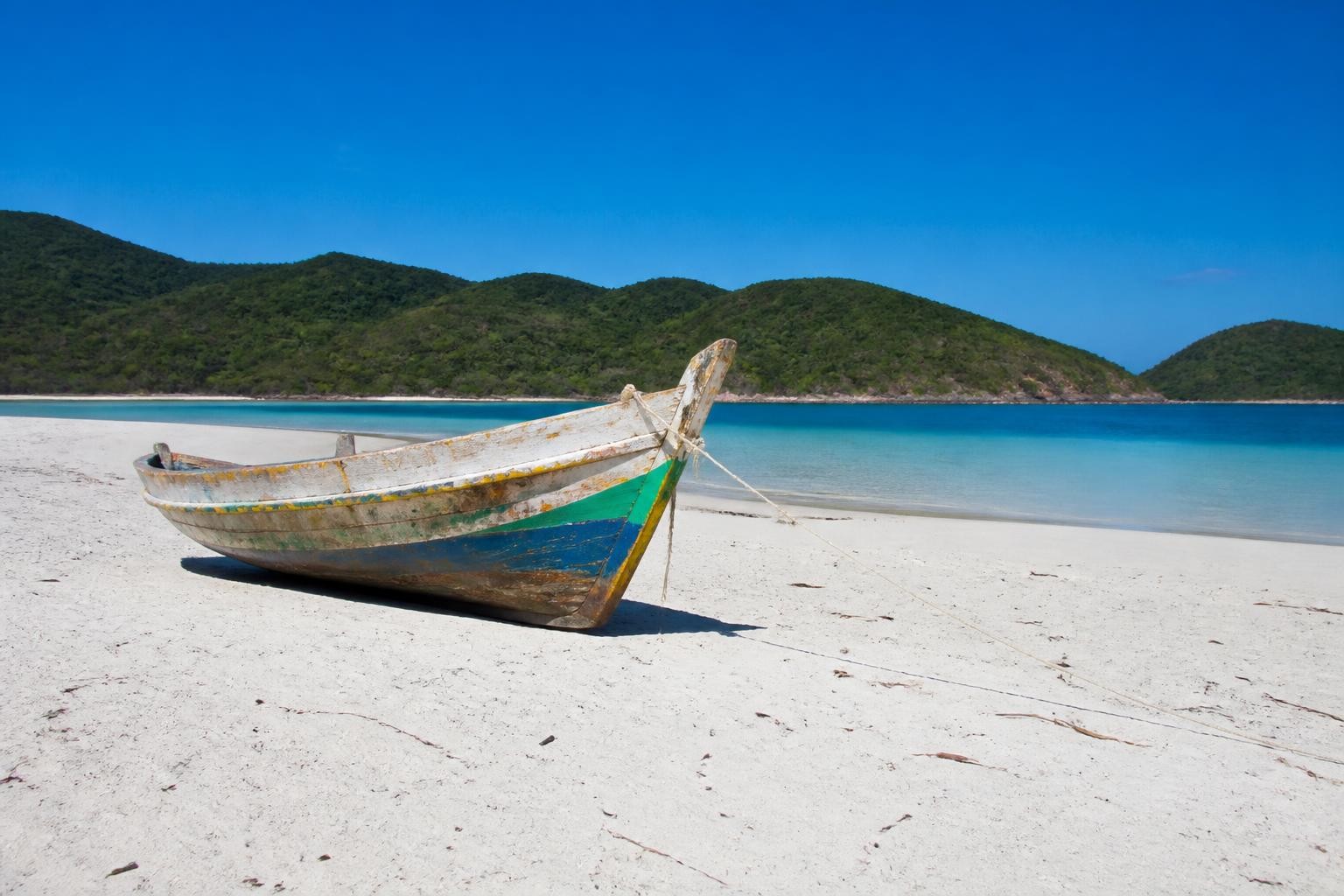 Bali's Security Burden Signals Overtourism, Lombok Investors Should Take Note · Illustration: HubLombok (AI-generated)
What This Means for Investors
Bali's police patrols are not a bug report; they are a destination-lifecycle marker. Crowded, mature resorts require active management infrastructure to remain attractive. South Lombok, still in its early cycle, offers the inverse: lighter police presence because tourist density is lower, quieter guest experience, and genuine scarcity of premium accommodation.
For European and Australian investors aged 30–60 seeking both income and appreciation, the investment case breaks down as follows:
| Zone | Entry Price | Net Yield | YoY Appreciation | Profile | |------|-------------|-----------|------------------|----------| | Kuta | €194–344K | 14–22% | +38% | Prime; established demand; limited supply | | Are Guling | €150–255K | 17–25% | +47% | Frontier; highest momentum | | Selong Belanak | €151–301K | 13–19% | +22% | Family tourism; stable; west coast |
Are Guling exemplifies the early-cycle opportunity. Entry prices remain 40% lower than Kuta's prime segment, yet capital appreciation (47% YoY) rivals or exceeds Kuta's. This is the classic frontier configuration: lower entry costs plus higher growth equals faster wealth transfer to early adopters.
Investors should also understand the legal pathway clearly. Foreigners cannot hold freehold title (Hak Milik) in Indonesia, that right is reserved for citizens. The available structures are: leasehold (Hak Sewa, typically 25–30 years with extension options), Hak Pakai (personal right-to-use, requires KITAS residency), or PT PMA (a foreign-owned limited-liability company holding a 30-year building right, HGB). Each structure has tax and operational implications.
A licensed notary and legal adviser, such as TerraNusa Advisory, which specialises in foreign-buyer due diligence, title verification and transfer, is essential. The notary manages BPHTB transfer taxes (~5% of assessed value), annual land tax (PBB), SHM/HGB certificate verification, and deed execution at the land office (BPN). Most notaries handle the deed; TerraNusa runs the whole chain, including due diligence and company setup.
The opportunity window is real but finite. As Lombok matures and occupancy rises (currently stabilised at 55-70%), nightly rates and capital values will climb further. Entry points at Are Guling and Selong Belanak will not remain accessible at current prices for more than 18-24 months, based on observable Bali transitions. Mid-2026 is the final tier before material repricing.
Bali's police patrols are a symptom of success, a well-governed island managing record visitor flows. But for the allocator seeking new returns, appreciation, scarcity, and steady income, that same congestion is a compass pointing southwest, to Lombok's quieter, higher-yielding shores.
Stay informed, subscribe to the free Lombok Briefing for market intelligence like this, published twice a month.
Does Bali's congestion really benefit Lombok investors?
Yes. Bali's tourism saturation redirects arrivals to South Lombok, which sees 40-50% YoY foreign-visitor growth. Zone-wide capital appreciation (22-47%) and stable 7-12% net yields reflect demand overflow. Earlier-cycle, less crowded alternative.
Is Lombok's security comparable to Bali's?
Lombok is quieter with lower tourist density, reducing crime risk. Light police presence reflects lower volume, not weaker governance, a feature, not a weakness. South Lombok resorts and Gili islands report minimal incident rates.
Where should I invest in Lombok right now?
Are Guling (€150-255K, +47% YoY, 17-25% developer-quoted gross yield), Selong Belanak (€151-301K, +22%, 13-19% gross), or Kuta (€194-344K, +38%, 14-22% gross). Net yields are lower, estimated at 7-12%. All zones offer 7-12% net yields; Are Guling has highest momentum.

The Lombok Buyer's Field Guide
Legal structures ranked by risk, the honest ROI math line by line, all six zones ranked, and the 24-point due-diligence checklist. The whole book, free in your inbox.
See what's inside