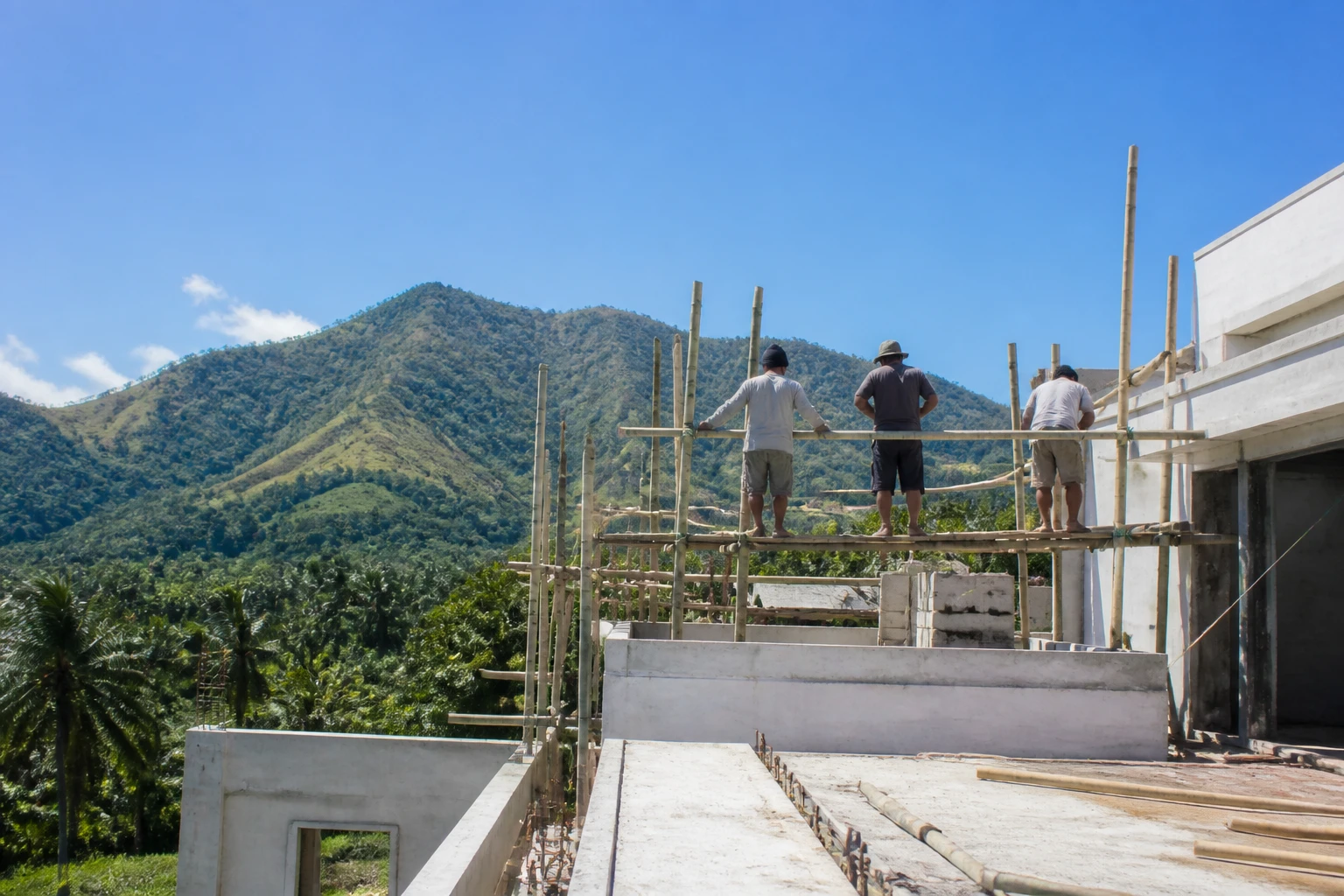
Bali's Medical Tourism Boom Is Good News for Lombok Investors: Here's Why
Bali's medical tourism sector is surging with new world-class hospitals and clinics. Investors should watch this regional signal, it points to robust demand for Lombok's higher-yielding villas at 50–70
Quick answer: Bali's medical tourism sector is booming, signalling strong Southeast Asia tourism recovery. For Lombok investors, this regional momentum means rising villa occupancy and stronger rental yields, with entry costs 50–70% lower than Bali's comparable properties and net yields of 7–12% on stabilised assets.
Bali's medical tourism sector just turned a corner. The opening of the Bali International Hospital, a world-class facility, alongside a wave of pioneering aesthetic and cosmetic clinics signals serious intent. The headline: tourists travelling specifically for aesthetic treatments are up 15% year-on-year. Medical tourism is one of the world's fastest-growing travel niches, valued at billions annually, and Bali is now claiming a significant share. For investors watching Lombok, this is a crucial signal about regional demand momentum.
The Bali Positioning Shift
Bali is not new to tourism. What is new is the island's deliberate graduation to premium healthcare positioning. The Bali International Hospital represents serious capex, the kind of infrastructure investment that attracts affluent, discretionary travellers.
These are not budget backpackers. Medical tourists are typically high-net-worth individuals (or those aspiring to premium experiences) willing to spend significantly on healthcare, accommodation, fine dining, and incidentals. They are, in short, precisely the profile of guests who book luxury private villas and return year after year.
The cascade effect is predictable: as Bali invests in premium infrastructure, medical facilities, luxury resorts, international airport expansion, it consolidates its position as the region's flagship destination. This drives up land costs, service fees, and operational complexity. Bali becomes increasingly premium, increasingly crowded, increasingly expensive.
Why Lombok Is the Strategic Alternative
Lombok doesn't need medical tourism. It needs what Bali's trajectory is creating: demand overflow.
This is the "Bali-overflow" thesis. As Bali becomes more premium and crowded, demand spills into Lombok, a destination with comparable natural assets (beaches, temples, rice paddies, mountain scenery), a more authentic cultural experience, and critically, villa entry prices 50–70% lower than Bali's.
Lombok tourism is already responding to this dynamic. Foreign arrivals to the region are up 40–50% year-on-year, a pace that outpaces Bali's mature-market growth. The MotoGP circuit at Mandalika has injected new visibility and attracting high-net-worth petrolheads. Airport expansion, completed in 2025–26, has lifted international flight capacity. The region's infrastructure is quietly professionalising.
Meanwhile, villa prices in Lombok's prime zones are rising. Are Guling, where the island's most developed tourism infrastructure clusters, has seen land prices climb 47% year-on-year, the highest appreciation across Lombok's six investment zones. Kuta and Selong Belanak are tracking at +38% and +22% respectively. These are not theoretical growth rates. They reflect real capital inflows.
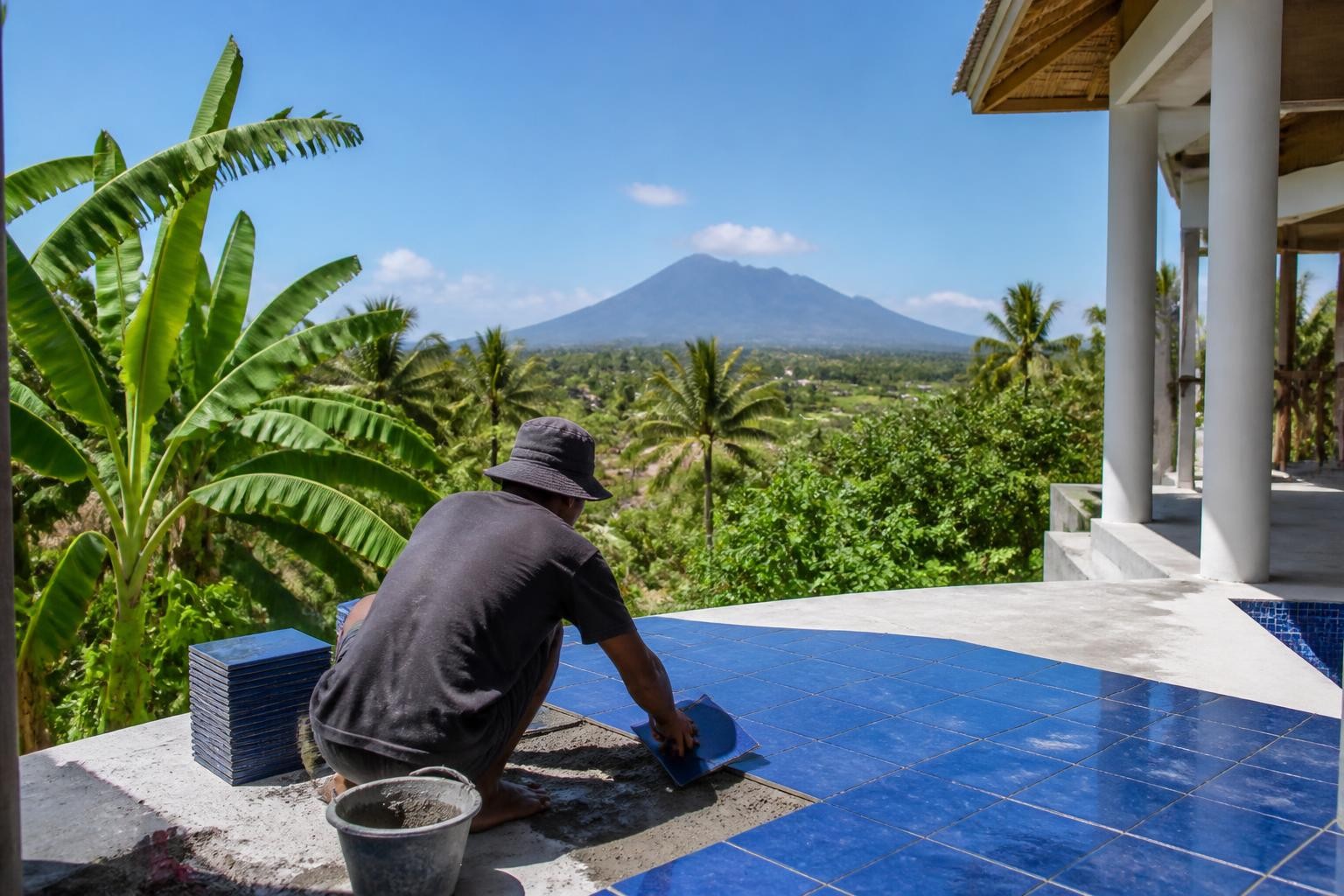 Bali's Medical Tourism Boom Is Good News for Lombok Investors, Here's Why · Illustration: HubLombok (AI-generated)
The Villa Economics
For property investors, Bali's medical tourism boom is a demand barometer. It tells us that affluent, discretionary travel to Southeast Asia is robust. And Lombok, as the region's best-value alternative, captures that demand at better economics.
Consider the entry barrier and yield spread:
Lombok: Villa entry EUR 95–350K. Realistic occupancy 55–70% (stabilised, years 1–3). Net rental yield 7–12% after management fees and realistic costs. Top-performing assets in prime zones reach 15% net.
Bali: Comparable villa entry USD 400–800K (roughly EUR 370–740K). Occupancy 70–85% (higher, but capital barrier is significantly steeper). Entry costs are 3–5× Lombok's.
The yield-to-capex ratio is where Lombok wins. A investor can deploy EUR 200K in Lombok and target 10% net yield (realistic), generating EUR 20K annual income. The same EUR 200K barely covers 25% of a Bali acquisition. The capital efficiency is stark.
As Bali's medical tourism boom attracts volume, occupancy pressures rise across the region. Lombok's 55–70% stabilised occupancy reflects realistic market conditions today. But as regional awareness grows, driven by MotoGP, airport capacity, and the sheer overflow from Bali, occupancy should trend higher. When it does, yields expand without proportional capex inflation. That's the arbitrage window.
What This Means for Investors
Bali's medical tourism boom is not a reason to invest in Lombok in isolation. It is, however, a bullish signal for regional tourism momentum.
-
Affluent travel to Southeast Asia is robust. Medical tourism is structural, not cyclical, driven by price differentials, quality of care, and the wellness-travel megatrend. This demand lifts all vessels.
-
Bali is locking in premium positioning. Medical facilities, luxury resorts, and infrastructure capex are pricing out budget operators. Bali is graduating upmarket. Lombok becomes the intelligent second choice for investors who value yield over prestige.
-
Demand momentum is compounding. Lombok's 40–50% foreign-arrival growth, combined with MotoGP visibility, airport capacity, and rising land prices, is not hype. It's a structural tailwind for occupancy and rents.
-
Arbitrage windows don't stay open. Land prices in Lombok's prime zones are rising. The entry-price spread between Lombok and Bali is compressing gradually. Early investors are capturing upside whilst the market is in the early-cycle stage. The time to invest is before awareness drives prices to parity, and before occupancy expansion is fully priced in.
The broader investment principle: watch adjacent markets for signals about your own. Bali's infrastructure investments, premium positioning, and visitor mix are a 18–24 month leading indicator of Lombok's trajectory. The trick is investing before that convergence completes, whilst yields are still generous and land prices haven't fully repriced the growth story.
For European, Australian, and American investors seeking sustainable income from Southeast Asia property, without the Bali noise, premium valuations, or commodity-level yields, Lombok's window remains open. Medical tourism isn't a reason to rush. But strong regional tourism momentum is.
Stay informed, subscribe to the free Lombok Briefing for market intelligence like this, published twice a month.
Does Lombok have medical tourism like Bali now?
No. Lombok isn't positioned as a medical destination. Its advantage is being Bali's accessible alternative: 50–70% lower villa entry prices, 7–12% net yields, and growing tourism momentum (40–50% YoY) without the premium overhead.
How does Bali's medical boom help Lombok property investors?
It signals robust affluent travel to the region. As Bali fills with premium tourists and reaches capacity, Lombok absorbs volume demand at better capital returns. Rising regional arrivals lift occupancy and rents whilst entry costs remain favourable.
What net yields are realistic for a Lombok villa today?
7–12% net (after management fees, occupancy 55–70%) for stabilised assets in prime zones like Kuta and Are Guling. Top-performing properties have reached 15% net. Bali's much higher entry capex makes comparable yields difficult to achieve.

The Lombok Buyer's Field Guide
Legal structures ranked by risk, the honest ROI math line by line, all six zones ranked, and the 24-point due-diligence checklist. The whole book, free in your inbox.
See what's inside