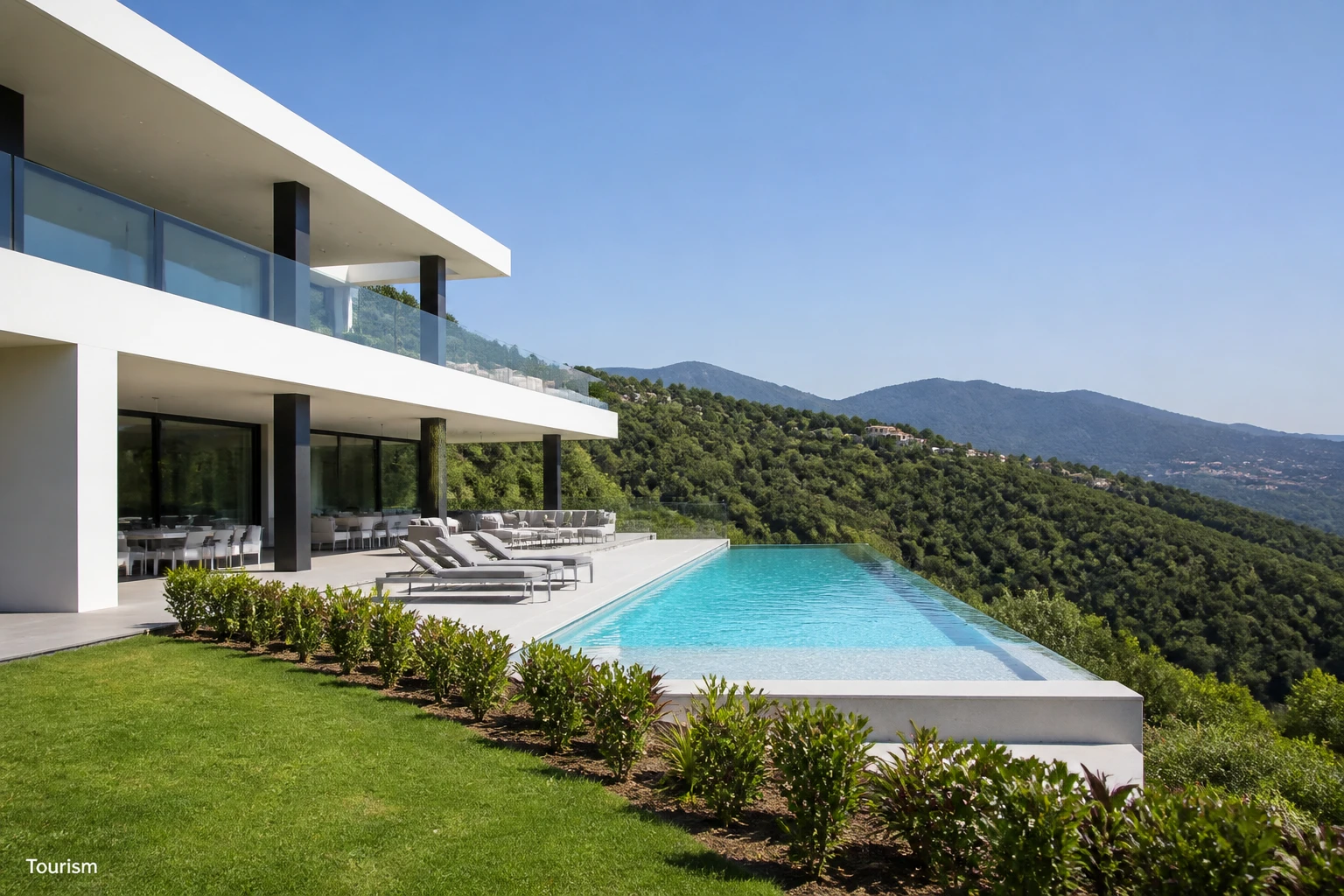
Bali's Event Economy Boom Is Pushing Smart Investors to Lombok
Bali's tourism boom compresses yields. Lombok grows 40–50% annually, entry prices 60–70% lower, and yields 7–12% net. Why timing matters for early-cycle investors.
Bali is riding a wave of event-driven tourism that shows no signs of slowing. From marathons to international conferences, world-class sporting events are attracting visitors, entrepreneurs, and capital in unprecedented volume. It's a textbook case of a destination in its growth phase: infrastructure improves, global attention rises, and property values follow.
But for property investors seeking outsized returns, this boom contains a cautionary lesson, and a golden opportunity next door. South Lombok is where Bali's own story is being rewritten, and the window to participate is narrowing.
The Bali Saturation Question
Bali's success has created a paradox. Event tourism drives visitor volume and reinforces the island's status as Asia's premier wellness and tourism destination. Yet rental yields have softened considerably. A turnkey villa in prime Bali locations now returns 8–12% net after realistic management fees (18–22% of gross) and occupancy assumptions. That's respectable. It's also mature-market pricing.
Why? Because the early-movers, those who invested when villas cost USD 150,000 in the mid-2000s, have already made their gains. Properties that cost that sum then now routinely fetch USD 400,000–800,000. The "discovery premium" has evaporated. What remains is steady income from a saturated market, not capital appreciation.
South Lombok: Four Years Behind, But Accelerating
Meanwhile, South Lombok is experiencing +40–50% year-on-year growth in foreign arrivals, faster than Bali's incremental gains. Yet entry prices remain 60–70% below Bali's median.
Investment-grade turnkey villas in South Lombok: EUR 95,000–350,000. Comparable quality in Bali: USD 400,000–800,000. The price gap is not a market inefficiency; it's a timing signal.
Net rental yields in well-positioned South Lombok assets: 7–12%, with top performers reaching ~15%. Stabilised occupancy: 55–70%, lower than Bali's 70–85%, but climbing rapidly as infrastructure improves and word-of-mouth spreads among international investors.
Why the MotoGP Changed Everything
Bali's boom was catalysed by incremental infrastructure: airport expansions, road improvements, diving accessibility. Lombok has a multiplier: the permanent MotoGP circuit at Mandalika, a flagship event that rivals anything Bali hosts.
The 2024 and 2025 seasons have already catalysed material momentum. The Kuta Mandalika zone has seen a +38% uplift in land and property values. More tellingly, early-cycle zones like Are Guling, where developers like Samudra Villas in South Lombok are building out turnkey product, are showing +47% year-on-year appreciation.
This is the phase where patient capital compounds fastest. Not through speculation, but through fundamentals: rising global visibility, inbound tourism, permanent sporting events, and limited supply of quality investment-grade stock.
The Arithmetic of Timing
Compare two scenarios:
Bali Today: EUR 300,000 turnkey villa, ~10% net yield, 75% occupancy. Annual income: ~EUR 30,000. Appreciation in a mature market: 3–5% per annum.
South Lombok Now: EUR 200,000 equivalent villa in Are Guling, a net yield estimated within the 7–12% range, 60% occupancy (rising). Appreciation in an early-cycle market may be higher than in a mature one, but it is uncertain and not guaranteed.
On annual income alone, the difference is modest. But total return, rental income plus capital appreciation, is where early-cycle markets reward patience. Lombok's lower entry price also means your capital is less concentrated in a single asset.
The Honest Risks
Lombok's occupancy is still climbing (55–70% stabilised). Foreigners cannot hold freehold; available structures are leasehold (Hak Sewa, 25–30 years), Hak Pakai (residency-dependent), or PT PMA (foreign-owned company). All are legally sound, but require careful execution and qualified local counsel. Currency exposure is real. Infrastructure development takes time; it's not guaranteed.
But these are reasons to move thoughtfully, not to stay away. Bali investors navigated identical risks. The ones who won were those who committed capital early, selected locations with genuine appeal, and held through the cycle.
What This Means for Investors
The lesson from Bali's event-driven success is not "abandon Bali." It's "frontrun the cycle." Bali's infrastructure and event calendar are genuinely world-class. But that appeal is already priced into entry levels and yields.
Lombok is four to seven years behind Bali on the same S-curve. The MotoGP is locked in. Tourism is accelerating. Infrastructure is coming. Entry prices remain accessible for investors willing to commit 5–8 year horizons. For those seeking exposure to a region with similar fundamentals, coastal Indonesia, rising tourism, stable political environment, but without Bali's premium valuations, the timing window is now.
History suggests that by the time Lombok feels crowded, those early-cycle entry prices will seem like a bargain.
Stay informed, subscribe to the free Lombok Briefing for analysis like this, published twice a month.
Is Lombok's tourism growth genuine, or just hype around the MotoGP?
Lombok's foreign arrivals grew 40–50% year-on-year in 2024–2025. The MotoGP at Mandalika is permanent infrastructure, not a one-off event. Occupancy in developed zones is 55–70% and rising. It's early-cycle momentum backed by real data.
How do entry prices in Lombok compare to Bali for the same villa?
Bali turnkey villas: USD 400,000–800,000, yielding ~10% net. Lombok: EUR 95,000–350,000, yielding 7–12% net. Entry is 60–70% lower; early-cycle appreciation potential is 20–30% annually for 5–8 years.
Can foreigners legally own property in Lombok?
Foreigners cannot hold freehold. Options: leasehold (Hak Sewa, 25–30 years with extensions), Hak Pakai (with residency), or PT PMA (foreign-owned company holding Hak Guna Bangunan, 30 years). All structures are sound with proper legal counsel.
The Lombok Buyer's Field Guide
Legal structures ranked by risk, the honest ROI math line by line, all six zones ranked, and the 24-point due-diligence checklist. The whole book, free in your inbox.
See what's inside