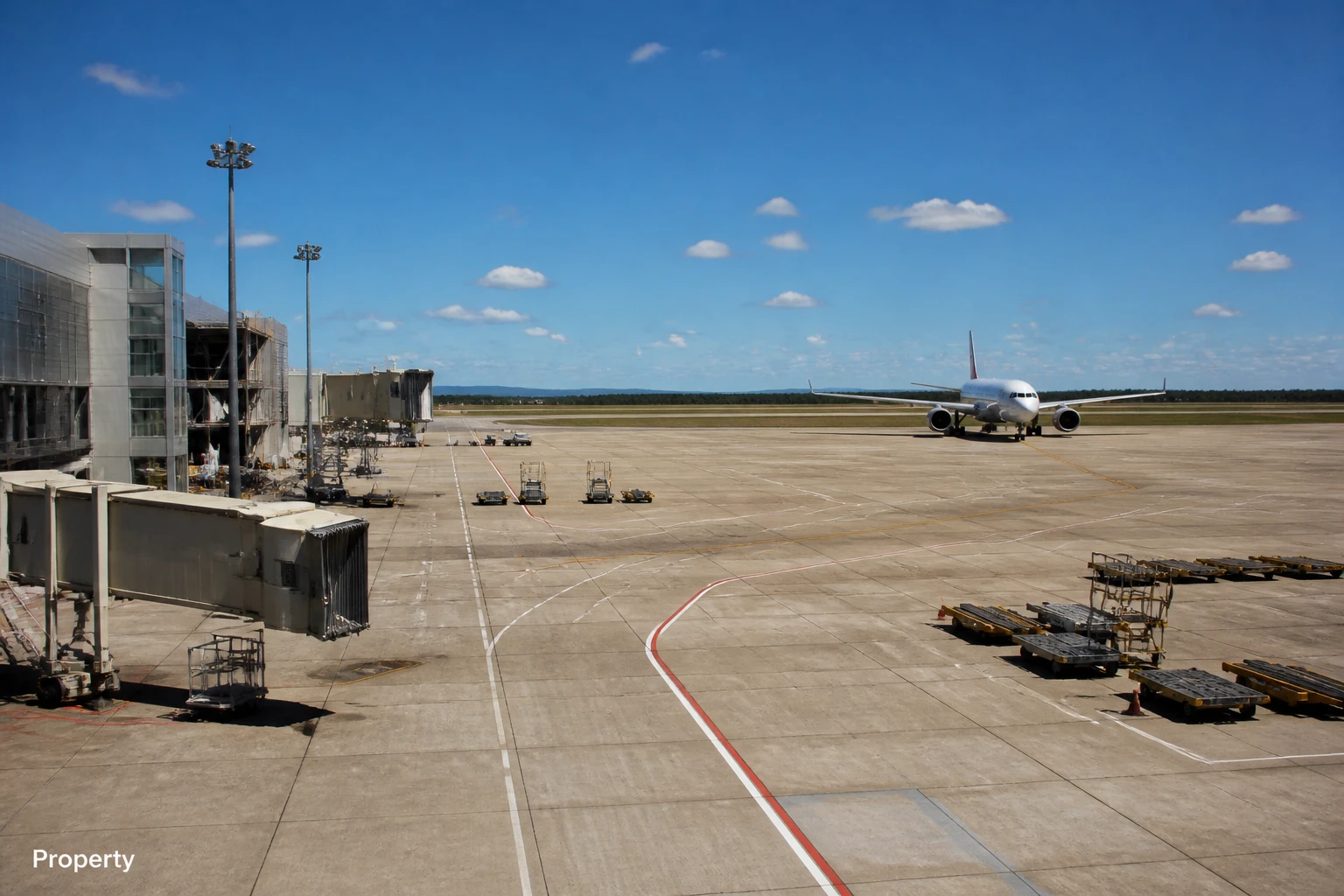
Bali's Centennial Confirms Lombok's Moment: Investment Overflow Accelerates
Bali marks a century of tourism in 2027 with grand celebrations, a milestone that validates the investment thesis pulling capital eastward to Lombok. As Bali's accommodation fills and land prices climb
Bali's centennial celebrations in 2027 signal market maturity and saturation. Tourism influx of 40–50% annually is pushing investors to earlier-cycle Lombok, where entry-level villas start at EUR 95,000 and net yields reach 7–12%. The overflow effect accelerates.
When a destination celebrates 100 years of tourism, astute investors read the signal: primary appreciation is history; the growth curve is flattening. Bali's planned centennial festivities in 2027 are a triumph for the island, and a crucial inflection point for portfolio strategists looking elsewhere. That "elsewhere" has a name: Lombok.
The Context
Bali is marking a full century of organised tourism in 2027. The Bali Provincial Government has announced a calendar of cultural events, community fun runs, and heritage celebrations to honour the occasion. On its surface, this is civic pride. For investors, it reads as something else: confirmation that Bali has moved from growth asset to mature market.
Bali's tourism data supports this reading. Foreign arrivals in Bali grew robustly through 2024 and 2025, recovering from pandemic lows. Yet the island is now crowded in a way it wasn't five years ago. Accommodation fills seasons that once offered bargains. Land prices in Kuta, the benchmark investment zone, have appreciated about 38% year-on-year. Comparable property in premium Bali locations now trades at USD 400,000–800,000, a threshold beyond the reach of middle-market overseas investors seeking sub-250K entry points.
Bali's centennial, then, is less a beginning than a coronation. The island has "arrived." Tourism is no longer the upside story; it is the baseline.
The Overflow Effect
What happens when a destination matures? Savvy capital flows downstream to the next cycle.
South Lombok is experiencing exactly this dynamic. Foreign arrivals across the province are up 40–50% year-on-year. The magnetic effect cuts two ways: first, direct Bali substitution, tourists priced out or cramped out of Kuta discover the beaches of Selong Belanak and Are Guling ninety minutes away by shuttle or private transfer. Second, investor substitution: European, Australian, and American portfolios that would have bought a rental villa in Bali in 2021 are now buying in Lombok in 2026, capturing earlier-cycle yield and growth.
The numbers bear this out. Are Guling, where Samudra Villas operates, has appreciated approximately 47% year-on-year, the strongest growth across the six major zones. Kuta has moderated to 38%. The frontier is moving south and east.
Tourism growth of this magnitude sustains rental performance. Investment-grade villas in South Lombok are posting net yields of 7–12% after realistic management fees and occupancy assumptions of 55–70%. Developers market gross yields of 12–22%, but net is the honest figure, and it remains compelling against global real estate benchmarks.
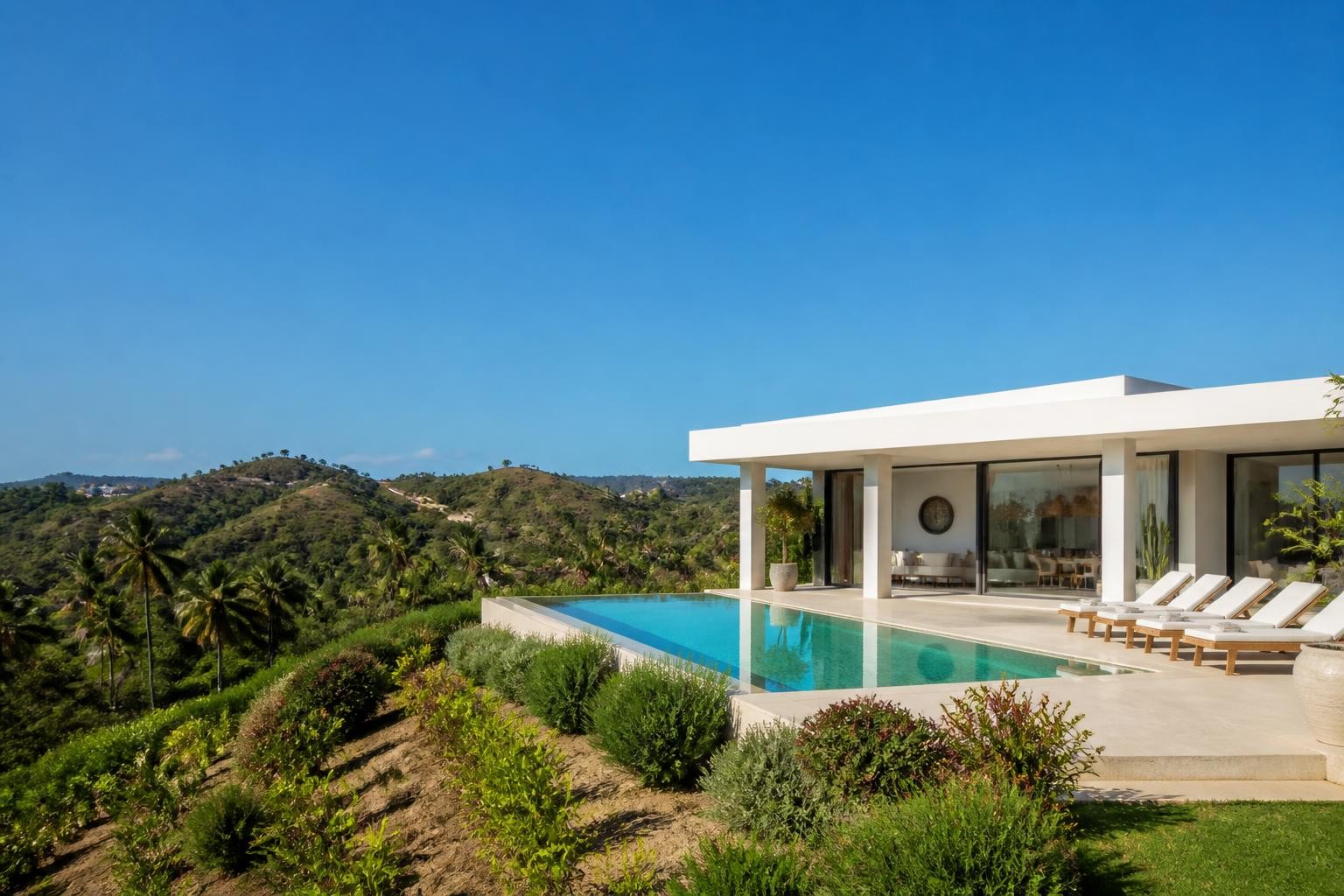 Bali's Centennial Confirms Lombok's Moment · Illustration: HubLombok (AI-generated)
The Timing Window
Mature markets follow a predictable arc: early appreciation, saturation, plateau. Bali entered its saturation phase around 2023–2024. Lombok is where Bali was around 2018, early cycle, tourism infrastructure still ramping, land available, prices rational.
That window narrows. As Lombok tourism accelerates and international investment capital rotates in, prices will normalise upward. The entry point for a turnkey investment-grade villa in South Lombok remains EUR 95,000–350,000 today. When Lombok's occupancy reaches Bali's levels (70–85%), or when tourism marketing amplifies beyond current channels, that price band will contract and rise.
For land, the spread remains generous. Are Guling offers approximately Rp 120–180 million per are (~USD 7,300–10,900/are), compared with Kuta at Rp 300–400 million per are (~USD 18,200–24,200/are). Shrewd investors recognise this as a relative-value opportunity, not merely a price chase.
What This Means for Investors
Bali's centennial is cause for celebration on the island itself. For portfolio strategists, it is a calendar marker: the signal that Bali is no longer the place to build wealth; it is the place to harvest it.
Lombok's window is open now. Tourism tailwinds are accelerating. The infrastructure that once lagged (airport, roads, power) is modernising. The regulatory environment for foreign property ownership, via licensed leasehold (25–30 years) or PT PMA structures, is settled and predictable. Legal advisory support is available through specialist notaries experienced in due diligence and title transfer.
The next stage of Lombok's development will be led not by bargain hunters, but by disciplined investors who recognise the cycle and act while entry valuations still reward early capital. Bali's centennial is a reminder: being first to a maturing market is costly. Being among the first to an emerging one is the investment thesis.
Stay informed, subscribe to the free Lombok Briefing for market intelligence like this, published twice a month.
How does Bali's tourism boom affect Lombok investor returns?
Bali's saturation and rising prices push international tourist and investment flows to Lombok, fuelling 40–50% annual tourist growth and strong 7–12% net villa yields. Early movers capture significant appreciation before market maturity accelerates pricing.
When is the optimal entry point for Lombok property?
Entry is now: investment-grade villas EUR 95–350K, delivering net yields of 7–12% with occupancy at 55–70%. As Lombok matures toward Bali's 70–85% occupancy and higher price bands, the early-cycle advantage shrinks. Smart investors act within 2–3 years.
What is the legal structure for foreign property ownership in Lombok?
Foreigners cannot hold freehold; use leasehold (25–30 years, renewable) or PT PMA structures. Deed and title work via licensed PPAT notary. Reputable advisory like TerraNusa handles due diligence, compliance, and transfer.
The Lombok Buyer's Field Guide
Legal structures ranked by risk, the honest ROI math line by line, all six zones ranked, and the 24-point due-diligence checklist. The whole book, free in your inbox.
See what's inside