Bali's Arts Boom Is Redirecting Investors to Cheaper Lombok
Bali's arts festivals are booming, but villa prices now run USD 400–800K. Investors are turning to Lombok, where comparable properties start at EUR 95K and yields hit 7–12% net.
Quick answer: Bali's June art festivals are drawing premium tourists and capital. Yet Bali villas now run USD 400–800K, pushing investors toward Lombok, where comparable properties start at EUR 95,000. Foreign arrivals to South Lombok are up 40–50% year-on-year, driven by tourism recovery and the MotoGP effect.
This June and July, Bali is enjoying what may be its most creatively vibrant season of 2026. The Bali Arts Festival, the twin Hindu celebrations of Galungan and Kuningan, the new Bali FOTO Festival, and a fresh gallery and community arts hub opening in Canggu are drawing tourists, collectors and cultural enthusiasts from every corner of the globe. For many visitors, it will be their first extended encounter with Bali since the post-pandemic tourism recovery accelerated in earnest. The mood is bullish; the creative energy is tangible. But for a discerning investor with an eye on property in South Lombok, Bali's cultural renaissance is not an invitation to compete in Bali's market, it is a signal pointing to where the next opportunity lies: next door, in an earlier-cycle, cheaper market that is absorbing the very same wave of tourism and capital that Bali is attracting.
The Bali Arts Moment
Bali's cultural calendar this month is densely packed. The Bali Arts Festival, a cornerstone of island cultural life, is running its full programme of traditional Balinese dance, shadow puppet theatre and ritual performances. Galungan and Kuningan, the major Hindu celebration cycle commemorating the victory of good over evil, are drawing devotees, extended families and curious international visitors alike. The new Bali FOTO Festival gives serious photography enthusiasts a dedicated annual showcase for documentary, fine-art and commercial work. Meanwhile, Canggu, Bali's digital-age creative hub and home to thousands of remote workers, digital entrepreneurs and lifestyle influencers, has just opened a new community arts space and gallery, cementing the district's transition from a beach town to a recognised centre for creative professionals and high-net-worth individuals who want proximity to art, culture, peer networks and Instagrammable backdrops.
All of this is working as a draw. Tourism recovery in Bali is accelerating: foreign arrivals across Indonesia are rebounding at +40–50% year-on-year, and Bali captures the majority of that flow. Hotels are operating at higher occupancy; restaurants, galleries and experience-based attractions are fuller; international flight capacity to Denpasar is expanding. The cultural calendar has become not just an attraction but a deliberate positioning tool, a way for Bali to upgrade its global brand from a sunbathing and partying destination to a serious creative, lifestyle and cultural hub. For investors and entrepreneurs who have compounded wealth in technology, finance or e-commerce, this narrative is seductive: be where the talented, creative and moneyed people gather.
The Price Ceiling Problem
And yet, here lies the structural tension. A comparable investment-grade villa in Bali's prime zones now costs between USD 400,000 and USD 800,000. That capital has already compounded many times over; it is capital that is now competing fiercely for an increasingly finite pool of trophy beachfront and cliffside land. In Seminyak, Kuta and Uluwatu, the ceiling has been reached. New market entrants, first-time property buyers, regional entrepreneurs, international investors, are beginning to feel the squeeze. The best properties are held by early movers or are being absorbed by large hospitality operators and fund managers.
At the same time, Bali's cultural success is driving up everyday operating costs. Restaurant tabs in Canggu have risen sharply in the past year; boutique hotels are raising rates during festival season to capture cultural-tourism demand; residential land in walkable, internet-reliable neighbourhoods has become genuinely scarce. The appeal of Bali is undeniable, but the on-the-ground economics are now punishing for buyers who do not already own Balinese land or property or who lack very deep pockets.
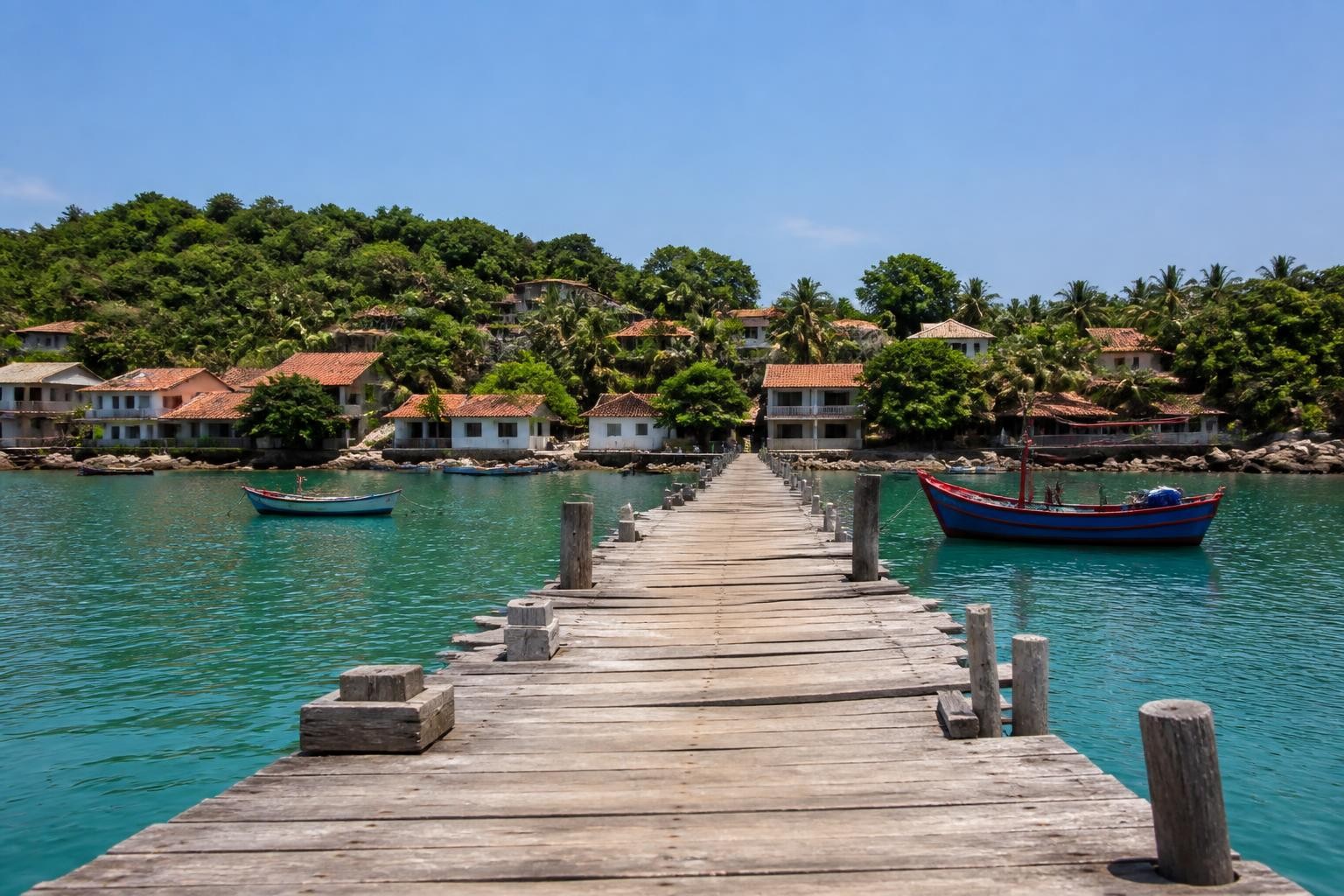 Bali's Arts Boom Is Redirecting Investors to Cheaper Lombok · Illustration: HubLombok (AI-generated)
The Lombok Spillover
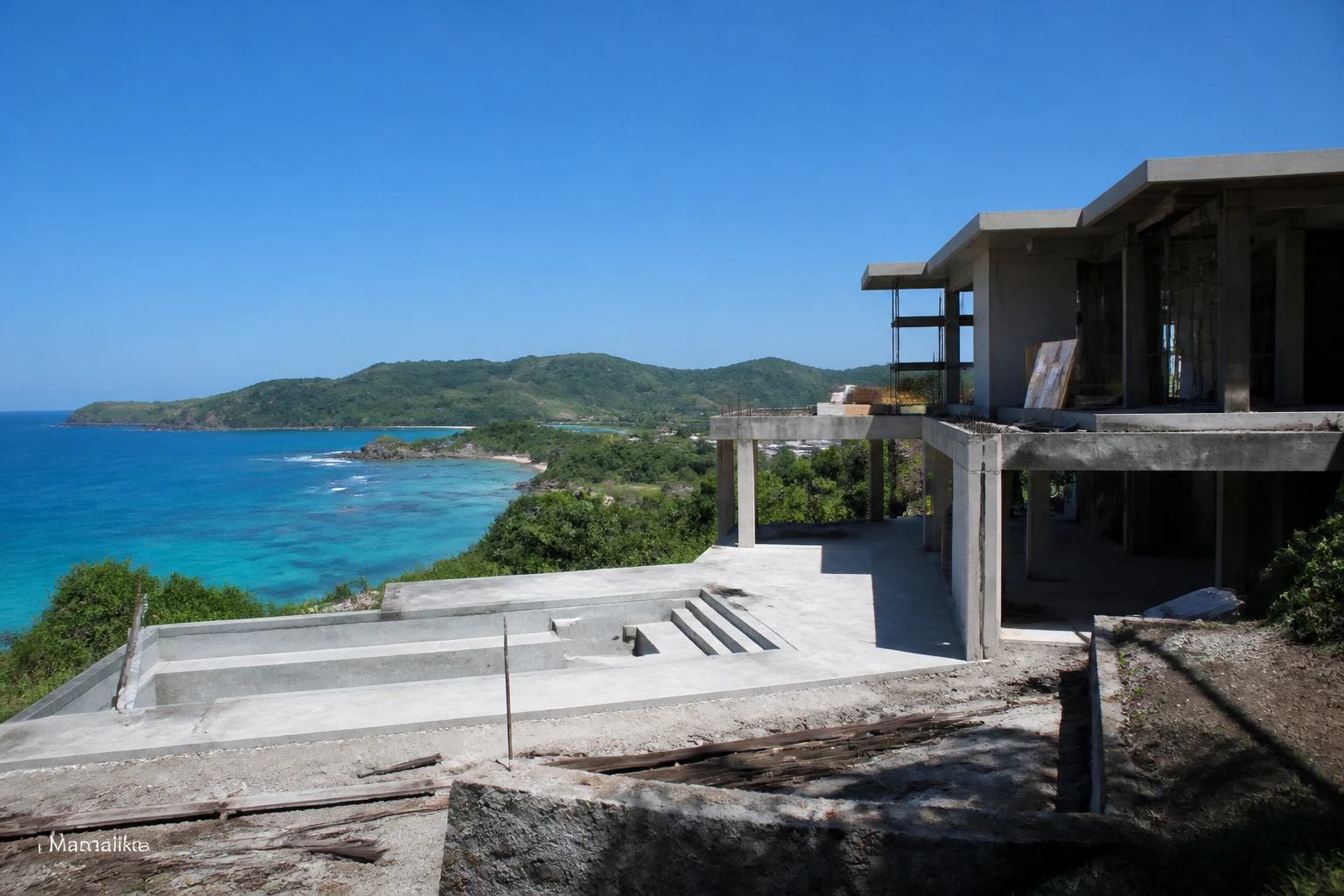
This is where Lombok enters the frame. Over the past twelve months, South Lombok has begun absorbing the twin overflow of both tourists and investors who are priced out of Bali or who are strategically looking for an earlier-cycle, cheaper alternative in the same region. Foreign arrivals to South Lombok are up 40–50% year-on-year. The driver is twofold: first, the broad post-pandemic tourism recovery sweeping Indonesia; second, the international profile lift from the opening of the Mandalika International Circuit, which has hosted and will continue to host MotoGP races and other motorsport events, reframing South Lombok from a quiet, undiscovered beach destination to a recognised international tourism and sporting hub.
Entry prices for a turnkey investment-grade villa in South Lombok now range from EUR 95,000 to EUR 350,000, roughly one-third to one-half the cost of an equivalent asset in Bali. Prime residential land in earlier-cycle zones like Are Guling (where year-on-year price momentum is running at +47%) trades at around Rp 120–180 million per are (roughly USD 90 per square metre), versus Bali's prime zones at Rp 250–400 million per are (roughly USD 195 per square metre).
The yield case is equally compelling. Realistic stabilised occupancy in well-positioned South Lombok villas reaches 55–70%, with net rental yields (after management company fees of 18–22% and online travel agent commissions of 15–20%) sitting in the honest 7–12% range. Marketing materials and brokers will quote gross yields of 12–22%, but that is revenue gross, before costs. The net number, after all operational expenses, is 7–12%. This yield profile is respectable when your initial capital outlay is one-quarter to one-sixth the price of a Bali equivalent.
What This Means for Investors
The question for a prospective investor is not whether Bali is a good place to be culturally, the evidence of June 2026 makes clear that it is. The question is whether the premium Bali's market commands is commensurate with the additional yield and capital growth potential on offer. For many investors, the cost-benefit arithmetic now favours Lombok, particularly in zones showing strong momentum: Are Guling (+47% YoY), Kuta Mandalika (+38%) and Selong Belanak (+22%).
This is not a contrarian or speculative thesis. It is a disciplined barbell approach to geography. Bali is proven, mature and liquid; it offers brand recognition and exit velocity. Lombok is earlier in its cycle, cheaper and accelerating; it offers capital upside and higher current yield. If you have the scale and the portfolio depth, holding both markets offers natural diversification and hedges your risk across cycle stages.
But if you are putting together your first or second property investment in Southeast Asian beach real estate, the entry-price gap, the tourism momentum and the yield case in Lombok are now more compelling than they were even six months ago, before this latest wave of tourism elevated Bali's cost base further.
Before you commit capital, conduct thorough due diligence. Foreigners cannot hold freehold land (Hak Milik) in Indonesia; available legal structures are leasehold (Hak Sewa, typically 25–30 years with renewal options) or a PT PMA structure (a foreign-owned limited company acquiring Hak Guna Bangunan, 30-year renewable). Work with a licensed notary who can walk you through the full chain of title, zoning compliance, encumbrances and tax liabilities. An independent legal partner specialising in foreign-buyer support, such as TerraNusa Advisory, which handles PT PMA setup and end-to-end due diligence for international investors, can compress your decision timeline and protect you against costly title surprises or structural misalignments.
Bali's arts renaissance is genuine and is drawing world-class talent, cultural institutions and global capital to the island. But the surest play right now is to let Bali's momentum serve as a market signal, a way to identify where the next wave of tourism, investor interest and capital appreciation is flowing. And that wave is breaking on Lombok's shores.
Stay informed, subscribe to the free Lombok Briefing for market intelligence like this, published twice a month.
Why is Lombok cheaper than Bali if both are in Indonesia?
Bali is mature with scarce land; developers command premium prices. Lombok is earlier-cycle. Raw land costs Rp 120–180M/are in Lombok versus Rp 250–400M/are in Bali. Villas: EUR 95–350K in Lombok versus USD 400–800K in Bali.
Is 7–12% net yield realistic in Lombok rentals?
Yes. Occupancy stabilizes at 55–70%. Management fees are 18–22%; OTA commissions 15–20%. After all costs, net yields are 7–12% (developers quote 12–22% gross). Top performers reach about 15% net.
How do foreigners legally buy property in Lombok?
Foreigners cannot hold freehold. Use leasehold (Hak Sewa, 25–30 years) or PT PMA (foreign company structure, 30 years). Work with a licensed notary on due diligence and deed execution. TerraNusa Advisory specializes in this process.

The Lombok Buyer's Field Guide
Legal structures ranked by risk, the honest ROI math line by line, all six zones ranked, and the 24-point due-diligence checklist. The whole book, free in your inbox.
See what's inside