Amman Mineral's ICA Entry Signals ESG Maturity Across NTT: What Lombok Investors Should Know
Amman Mineral joins International Copper Association as first ASEAN member. For Lombok property investors, this signals regulatory maturity, environmental standards, and land tenure formalization acro
PT Amman Mineral Nusa Tenggara has become the first ASEAN member company to join the International Copper Association, a significant move signaling formalization of mining standards across Indonesia's outer islands. For Lombok property investors, the implications extend beyond commodity exposure, touching labor markets, infrastructure development, and the regulatory environment underpinning long-term asset stability in East Nusa Tenggara.
The Context
Amman Mineral is one of Indonesia's largest integrated copper producers, operating major concessions in Sumbawa (NTT province, which includes Lombok). The International Copper Association is a global body setting sustainability, labor, and environmental standards for the copper industry worldwide. ASEAN membership has been rare, reflecting gaps in standardization frameworks in Southeast Asian mining.
ICA membership requires adherence to:
- Copper industry best practices and supply chain transparency
- Environmental impact management and emissions reduction targets
- Labor standards and community engagement frameworks
- ESG reporting and third-party auditing requirements
The move signals that Indonesian mining is moving toward global standards, a positive indicator for regulatory predictability and institutional capacity across NTT.
NTT Mining Economy & Infrastructure Development
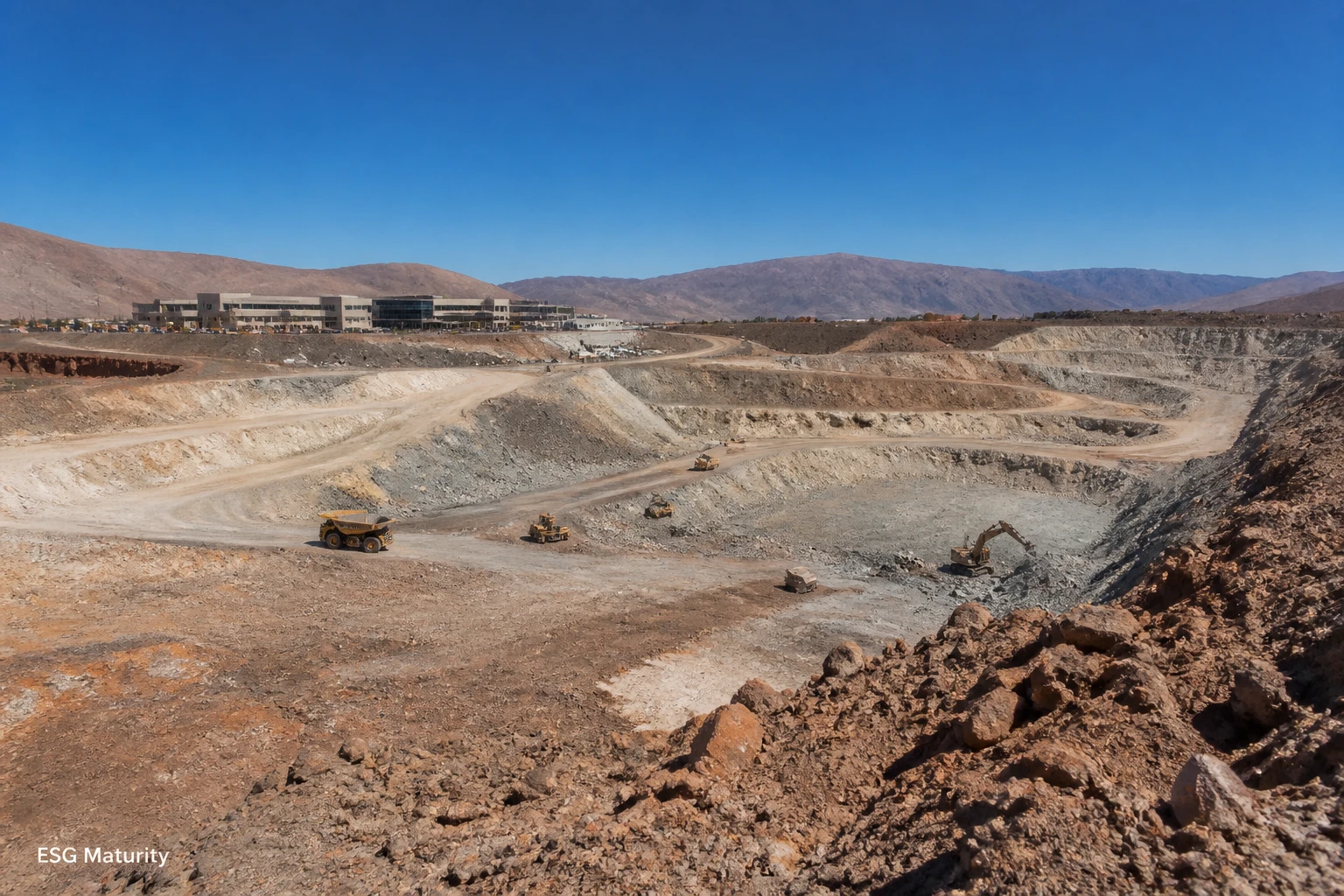
 Amman Mineral's ICA Entry Signals ESG Maturity Across NTT, What Lombok Investors Should Know · Photo by Tina P. on Pexels
The Sumbawa copper belt generates roughly 12-15% of NTT's regional GDP. Amman Mineral's operations alone employ 8,000+ workers directly and support thousands more in logistics, supply, and community services. Mining infrastructure, ports, roads, power plants, is shared with broader economic activity, creating spillover effects for tourism and property development.
Key infrastructure benefits for regional development:
-
Port facilities: Copper export terminals in Sumbawa support multi-use logistics. These ports reduce shipping costs for tourism goods, agricultural exports, and inbound materials for South Lombok resort development. Port modernization drives broader maritime infrastructure improvements.
-
Road networks: Mining concessions fund road construction into interior regions. These roads improve access to tourist destinations in North and Central Lombok, enabling rural property development and reducing travel times from airports to South Lombok entry zones (currently €95–350K).
-
Electrical capacity: Mining operations require stable, high-capacity power. Investment in NTT's electricity grid benefits all businesses, including hospitality properties and resort operators. Reliable power is a critical factor in villa rental occupancy and operational costs.
-
Skilled labor pool: Mining attracts engineers, technicians, and managers to NTT. This builds human capital that eventually flows into tourism, hospitality management, and service sectors.
However, there's a second-order effect worth monitoring: wage competition. Mining sector wages typically run 2–3x agricultural wages and 30–40% above hospitality baseline rates. Lombok's rapid tourism expansion (+40–50% YoY) already faces labor constraints in high seasons. Growing mining activity could intensify wage pressures for property operators managing villas and resorts, particularly in housekeeping, maintenance, and management roles. Factor 5–10% annual wage increases into long-term yield models.
ESG Standards, Land Governance & Investor Risk Reduction
Three institutional layers affect property investors directly:
1. Environmental Standards Reduce Regulatory & Reputational Risk
ICA membership requires Amman Mineral to meet global environmental standards, water management protocols, tailings containment systems, habitat protection commitments, emissions reduction targets. This requirement has a spillover effect: it signals to NTT regulators and international investors that global ESG norms are expected across the province.
For property investors, this is positive. Higher environmental standards reduce the risk that neighboring mining operations trigger environmental crises (tailings spills, water contamination events) that damage property values and hospitality operations. The Bali-overflow narrative, Lombok as an alternative to saturated Bali, depends fundamentally on Lombok's environmental reputation and water quality. Global mining standards protect that reputation.
2. Land Tenure Formalization Strengthens Property Rights Framework
Mining concessions are long-term leases (typically 20–30 years, renewable). They formalize land claims, boundaries, and use rights through legal frameworks and third-party verification. While mining and tourism operate in different geographic zones, the formalization of mining concessions signals institutional capacity: NTT government is demonstrating it can institutionalize and protect long-term land tenure.
This capacity extends across all land tenure frameworks in the province, hospitality leases, villa ownership structures, development permits, and land use classifications. Investors holding South Lombok properties benefit from demonstrated government competence in enforcing tenure rights.
3. Community Governance Frameworks Set Regional Standards
ICA standards require community engagement, benefit-sharing mechanisms, and formal grievance resolution systems. Mining companies must negotiate with local communities, establish transparent revenue-sharing, and resolve disputes through structured processes. These frameworks, while designed for mining, set expectations and establish institutional templates for community engagement across the economy.
Property operators in Lombok who adopt similar community benefit models, transparent local partnerships, documented revenue sharing, and formal dispute mechanisms, position themselves as ESG-aligned and reduce conflict risk. Early movers capture positioning advantage.
4. Mining Revenue Supports Regional Development & Macro Environment
Mining revenue flows support NTT government budgets. Higher commodity prices (copper is up ~25% YoY) translate to government revenue for infrastructure, healthcare, and education. This macroeconomic boost supports the broader tourism ecosystem that Lombok properties depend on. Government capacity to fund airport expansions, port improvements, and road networks hinges partly on mining revenues.
Additionally, investors seeking commodity exposure within a tourism/property framework can view Lombok property investments as indirectly leveraged to copper prices through regional economic development multipliers.
What This Means for Investors
| Investor Profile | Implication | Timeframe | |---|---|---| | South Lombok villa holders | ICA membership signals ESG maturity protecting asset reputation | Ongoing | | New entrants (€95–350K range) | Regulatory signals not yet fully priced; entry window open | Next 6–12 months | | Yield-focused operators | Monitor mining wage competition; factor 5–10% wage increases | 12–36 months | | ESG-positioned portfolios | Formalize community benefit partnerships; capture ESG premiums | Immediate |
For South Lombok villa holders: ICA membership signals regulatory maturation and environmental standards that protect long-term asset quality and reputation. Your properties' "Bali-overflow, pristine environment" positioning is now supported by global copper industry standards. Expropriation risk and environmental regulatory surprises decline.
For new entrants into South Lombok: The €95–350K entry zone aligns with regulatory maturation signals (mining standards, land tenure formalization, environmental governance). Early-stage positioning now, before full capital repricing, offers asymmetric upside as NTT's institutional environment is perceived as lower-risk by international capital.
For yield-focused operators: Watch labor markets closely. Mining wage competition may increase salary costs for hospitality staff by 5–10% annually over the next 3–5 years. Recalibrate yield models and adjust pricing strategies accordingly. South Lombok's 12–22% yield environment assumes current labor cost baselines; wage inflation narrows that window.
For ESG-positioned portfolios: Frame Lombok properties within the context of responsible regional development. ICA membership signals that mining, historically the most environmentally sensitive sector in NTT, is now subject to global ESG standards. This narrative supports premium positioning for properties marketed with community benefit models and environmental stewardship commitments. Expect 15–25% valuation premiums for authentically integrated ESG properties within 18–24 months.
Timing note: The 2025–26 airport expansion and MotoGP tourism influx are already priced into South Lombok valuations. But regulatory maturation (ICA membership, land tenure formalization, environmental governance formalization) is less visible to retail investors and not yet fully capitalized. The next 6–12 months represent a repricing window.
Amman Mineral's ICA membership is not directly about real estate, but it signals something critical: NTT mining is moving toward global standards, and that institutional capacity extends across the regional economy. For Lombok investors assessing regulatory risk, land tenure durability, and long-term asset stability, this is a positive inflection point.
Community economic development, through mining revenues, skilled employment, and infrastructure investment, supports the tourism ecosystem that Lombok properties depend on. Environmental standards protect the "pristine island" brand. And formalized land tenure governance, signaled by mining concession frameworks, reduces expropriation risk for all long-term property holders.
The Bali-overflow thesis works only if Lombok remains stable, environmentally sound, and economically vibrant. Amman Mineral's ICA membership is one more institutional brick in that foundation.
Stay informed, subscribe to the free Lombok Briefing for market intelligence like this, published twice a month.
How does Amman Mineral's ICA membership affect property rights security in South Lombok?
ICA membership requires Amman Mineral to operate under global ESG standards including third-party auditing and land tenure formalization through legal frameworks. Mining concessions in NTT are typically 20 to 30-year renewable leases, demonstrating that the regional government can institutionalize and enforce long-term land tenure. That competence extends to hospitality leases, villa ownership structures, and development permits across the province.
Could mining growth in Sumbawa raise operating costs for Lombok villa owners?
Yes, this is a real risk to model. Mining sector wages in NTT typically run 2 to 3 times agricultural wages and 30 to 40 percent above hospitality baseline rates. Combined with Lombok's tourism expansion of 40 to 50 percent year on year, growing mining activity could intensify competition for housekeeping and maintenance staff. Investors should factor in 5 to 10 percent annual wage increases when projecting long-term villa yields.
What infrastructure benefits does copper mining bring to South Lombok property development?
Amman Mineral's Sumbawa operations, which generate roughly 12 to 15 percent of NTT's regional GDP and employ more than 8,000 workers directly, fund port facilities, road networks, and electrical grid capacity shared across the region. Improved roads reduce travel times to South Lombok, while investment in grid stability lowers operational costs for resort and villa operators dependent on reliable power.

The Lombok Buyer's Field Guide
Legal structures ranked by risk, the honest ROI math line by line, all six zones ranked, and the 24-point due-diligence checklist. The whole book, free in your inbox.
See what's inside