1,061 Village Co-ops Live: Prabowo's Rural Push Hits Operational Proof
President Prabowo announces 1,061 Red and White cooperatives now operational within seven months. Concrete evidence the rural infrastructure push is real, and implications for Lombok's property cycle a
President Prabowo Subianto announced this morning that 1,061 village cooperatives are now fully operational, a tangible milestone in a rollout targeting 30,000 units by July 2026. This isn't theoretical policy, it's infrastructure in motion, and Lombok property investors should be watching what comes next.
The Context
The Red and White cooperative initiative is Indonesia's bet on decentralized rural capital formation. Seven months into the program, the fact that over 1,000 cooperatives are operational signals two things: the government apparatus can execute at scale, and rural communities are adopting the model faster than bureaucratic rollouts typically move.
Breaking down the numbers: 1,061 operational out of a 30,000 target represents ~3.5% completion with ~6 weeks remaining until the July deadline. That's a pace of roughly 150–160 operational co-ops per week if progress holds linear. If the government accelerates, which public deadlines often force, the final push could be significant.
What matters most is not the headline target but the proof of concept. One thousand operational cooperatives means one thousand sites of formal financial infrastructure, credit systems, savings pools, input aggregation, now anchored in villages that previously had none. That's the plumbing for local economic activity.
The Regional Impact Pattern
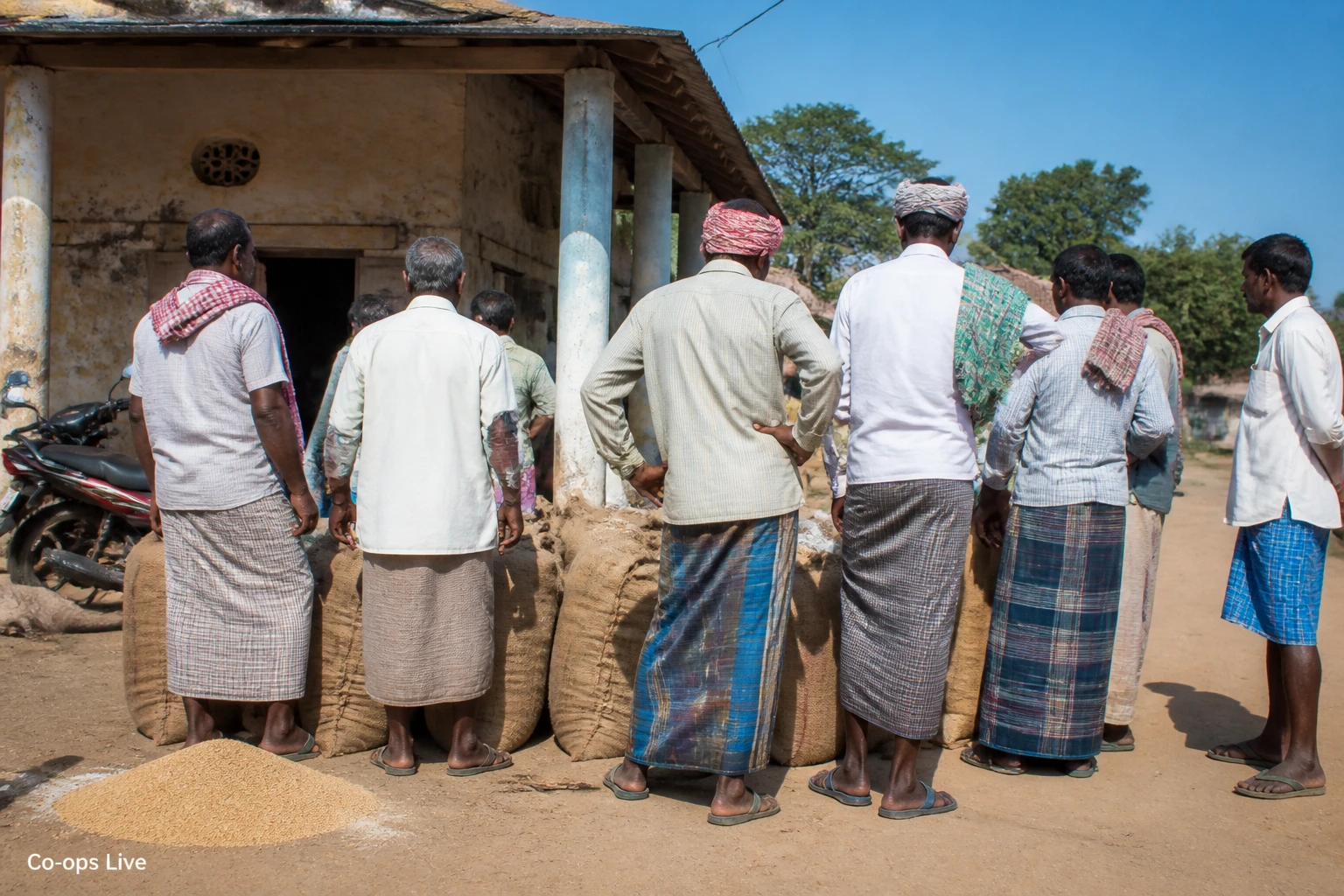
 1,061 Village Co-ops Live · Photo by Beben Sugiarto on Pexels
Historically, when rural credit infrastructure formalizes, three things happen in secondary property markets:
1. Internal migration accelerates. Rural credit access creates local professional-class opportunity. Teachers, nurses, small business operators move from cities to secondary towns where cooperatives generate service demand. That migration drives residential property demand.
2. Local savings pools shift into visible assets. When cooperatives offer credible savings products, rural savers rotate out of cash hoarding into livestock, equipment, and crucially, housing. Non-tourism residential property sees demand lift.
3. Secondary towns reprice. As local economic gravity builds, property in secondary hubs (Mataram hinterland for Lombok, analogous nodes in other regions) reprices upward from purely agricultural baselines toward professional-class residential multiples.
Lombok's market has historically been tethered to tourism cycles: 40–50% YoY tourism growth, MotoGP arrivals up +47%, yields 12–22%, South Lombok entry €95–350K. That dependency is real. But 1,061 operational cooperatives, scaling toward 30,000, introduce a second vector of property demand: stable local purchasing power uncorrelated to visitor flows.
The timeline matters. Cooperatives that are operational now will be capitalized and active through the remainder of 2026 and into 2027. That's when spillover effects on property markets become measurable.
What This Progress Reveals About Execution
A thousand operational cooperatives in seven months reveals something about Indonesian bureaucratic capacity that property investors rarely see directly: the government can move at regional scale when politically prioritized. Prabowo has clearly made rural infrastructure a first-term focus.
Compare this to infrastructure projects that take years to materialize: airport expansions, port upgrades, highway corridors. Cooperatives are smaller, decentralized, and don't require the same permitting and land complexity. But they do require coordinated local rollout, staff training, systems setup, and community adoption, all of which are non-trivial.
The fact that 1,061 are already operational suggests:
- Existing cooperative seed projects in regions like West Nusa Tenggara (Lombok's province) provided templates that scaled
- Local government buy-in was higher than typical
- Community adoption was faster than expected
For Lombok specifically, if West Nusa Tenggara's cooperative numbers are running ahead of the national average, the spillover to property markets could accelerate faster than investors outside the region anticipate.
What This Means for Investors
Immediate (next 60 days): Watch for announcements of final co-op deployment numbers hitting the 30,000 target by July. If the government reaches 25,000–30,000, it signals not just policy execution but genuine scale. That confidence typically precedes follow-up rural development spending (road improvements, market infrastructure, clinic expansion).
Medium-term (6–12 months): Repricing of Lombok's secondary-town residential property should begin. Assets in Mataram hinterland and service towns (currently priced for agricultural demand) will see yield compression as local professional-class demand materializes. Expect yields to drift from 20%+ (risky) toward 15–18% (stable) in non-tourism residential as demand base widens.
Strategic positioning: The timing is tight but navigable. South Lombok's tourism-dependent villas (€95–350K entry zone, 12–15% yields) are already repriced for Bali overflow and MotoGP flows. The opportunity window is in Mataram and secondary towns, where repricing hasn't yet incorporated rural infrastructure gains.
If you've been waiting for a macro signal that Lombok's tourism dependency is softening and local economic fundamentals are strengthening, this is it. One thousand cooperatives prove the infrastructure is real.
Stay informed, subscribe to the free Lombok Briefing for market intelligence like this, published twice a month.
How many village cooperatives has Prabowo's government made operational, and what is the target?
As of the latest announcement, 1,061 village cooperatives are fully operational under Indonesia's Red and White initiative. The government is targeting 30,000 units by July 2026, representing roughly 3.5% completion with approximately six weeks remaining. Progress is running at an estimated 150 to 160 new operational cooperatives per week.
How could Indonesia's rural cooperative program affect Lombok property yields?
The rollout introduces a second demand vector beyond tourism. As rural credit infrastructure formalizes, local professional-class migration and savings rotation into housing typically follow. In Lombok's non-tourism residential market, yields are expected to drift from above 20% toward a more stable 15 to 18% range over a six to twelve month horizon as the local demand base widens.
Where is the current property investment opportunity in Lombok given the cooperative rollout?
South Lombok's tourism-dependent villas, priced at €95,000 to €350,000 with 12 to 15% yields, are already repriced for Bali overflow and MotoGP demand. The article identifies Mataram and secondary service towns as the sharper opportunity, where pricing still reflects agricultural baselines and has not yet incorporated the gains from rural infrastructure investment.

The Lombok Buyer's Field Guide
Legal structures ranked by risk, the honest ROI math line by line, all six zones ranked, and the 24-point due-diligence checklist. The whole book, free in your inbox.
See what's inside