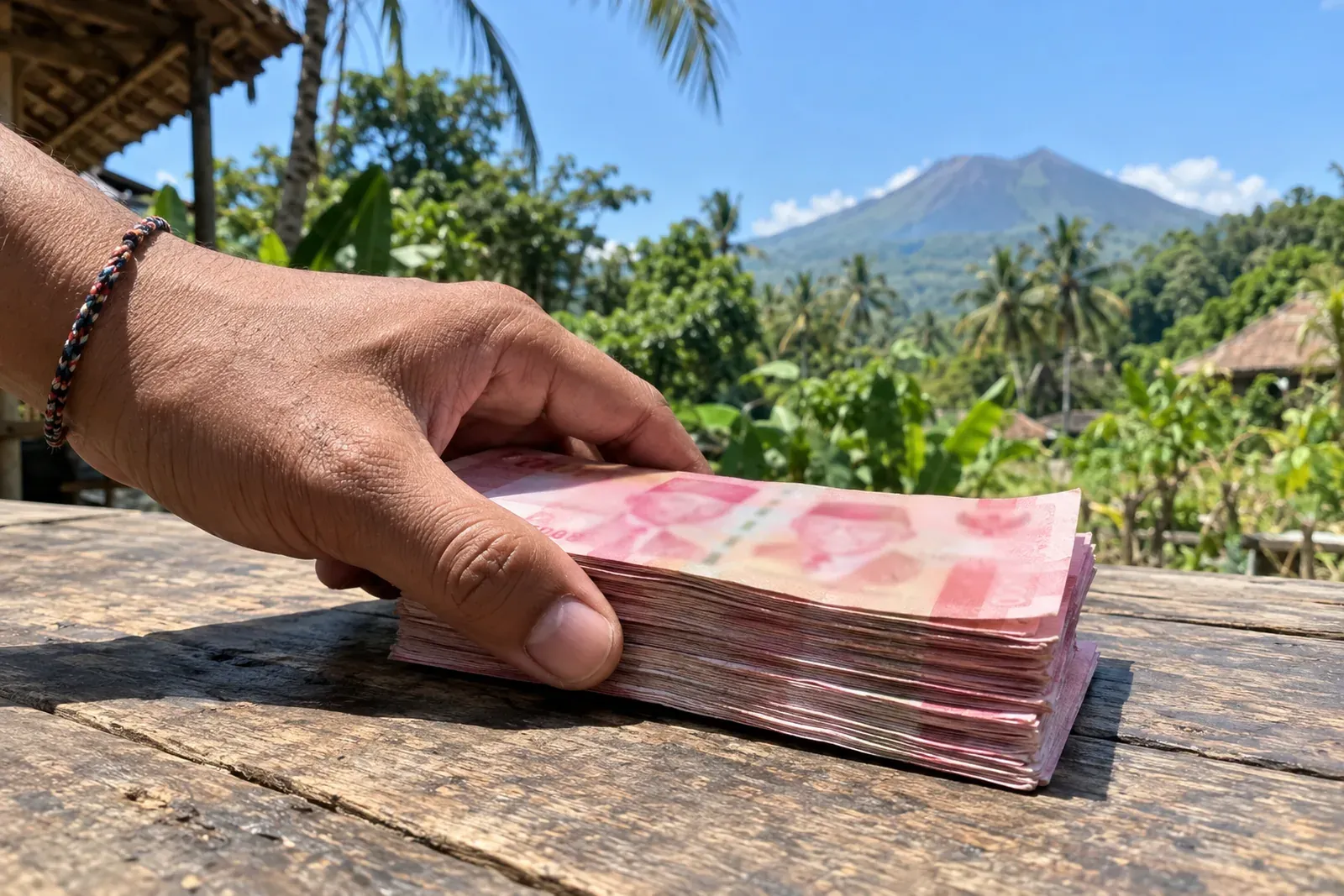
Tabalong receives Rp10 billion in presidential aid as South Kalimantan fires burn
Tabalong District in South Kalimantan has received Rp10 billion in presidential aid for forest and land fire response, as local agencies report 194 fire incidents and about 507 hectares burned.
Tabalong District in South Kalimantan has received Rp10 billion, about US$554,000 at the conversion used in the source, in presidential aid for its forest and land fire response. The money arrives as official estimates of the burned area remain unreconciled, which makes the latest figures worth reading closely.
What happened
The district head said on Saturday, 24 October, that the funds will cover operations, equipment and infrastructure, as well as fuel, meals for volunteers and other operational needs. He described the assistance as a trust that the district must use as effectively as possible to support the fire response.
The allocation was confirmed the previous day, Friday, 23 October, at the 2026 National Coordination Meeting of Regional Financial Access Acceleration Teams in Jakarta. The district government says it will coordinate with the Regional Disaster Mitigation Agency (BPBD) and with volunteers from community-based disaster response units to identify the operational needs that matter most in the field.
The report also links to other coverage on national firefighting priorities and on aid for residents' health, but the material supplied does not give detail on those items, so we do not summarise them here.
The scale of the fires
The two main official counts do not match, and the report does not explain why. A forest protection official at the Tabalong Forest Management Unit says about 140 hectares have been affected. The affected land includes protected forests, production forests and other land-use areas. The district disaster agency's operations centre, by contrast, has recorded 194 fire incidents that burned about 507 hectares of land.
Different agencies often count differently. One may measure only the area under active management, while another records every incident reported in the field. Readers should therefore treat both figures as the latest official estimates rather than a settled total, and expect them to be revised as ground teams complete their assessments.
The affected areas are spread across the sub-districts of Bintang Ara, Muara Uya and Jaro. Forest protection teams and the district disaster agency are currently tackling a fire in Salikung Village, in Muara Uya Subdistrict. The geographic spread matters because response resources have to be moved between several sites at once, which is one reason the district has asked for funding for fuel and equipment.
How the money will be used
The aid covers a mix of costs. Fuel and meals for volunteers are recurring expenses that keep response teams in the field, while equipment and infrastructure are more durable items. The report does not give a breakdown by category, so the split between these uses is not yet public, and the district has not said how quickly the funds will be disbursed.
For the district, the main test will be whether the money reaches volunteer units and field teams in time to matter. The coordination with BPBD and community-based units is designed to identify needs on the ground rather than in an office, and that process will show whether the funding is enough for the area now affected.
What this means for investors
This story does not concern property or investment in Lombok, and nothing in the report links it to land prices, villa demand or rental markets. We cover it because it is part of the wider Indonesian picture that informs foreign buyers, and because it shows how regional administrations carry the operational cost of fire response.
For readers who follow Indonesia more broadly, three points are worth noting. First, national support can be earmarked for specific operational needs such as fuel, equipment and volunteer welfare. Second, the official count of affected land can change materially between agencies and between reports, so early figures should be checked against later updates. Third, the report does not say whether the aid will change the outlook for any sector in South Kalimantan, and we would not draw that conclusion from it.
Investors with exposure to the region should follow updates from the district government and the national disaster agency as the figures are revised.
The coming weeks will show whether the area under fire stops growing and whether the two sets of official figures are reconciled.
Stay informed: subscribe to our free Lombok Briefing, published twice a month (the 1st and 15th), for analysis like this.
How much presidential aid did Tabalong District receive for fires?
Tabalong District received Rp10 billion, about US$554,000 at the conversion used by the source, to support forest and land fire response. The funds cover operations, equipment, infrastructure, fuel and meals for volunteers.
How much land has burned in Tabalong?
The figures differ by agency. A forest management unit reports about 140 hectares affected, while the district disaster agency records 194 fire incidents that burned about 507 hectares. Both are official estimates and may be revised.
Does the Tabalong fire aid affect Lombok property?
No. The report concerns South Kalimantan and does not link the aid to Lombok land prices, villa demand or rental markets. Investors should not draw property conclusions from it.

The Lombok Buyer's Field Guide
Legal structures ranked by risk, the honest ROI math line by line, all six zones ranked, and the 24-point due-diligence checklist. The whole book, free in your inbox.
See what's inside