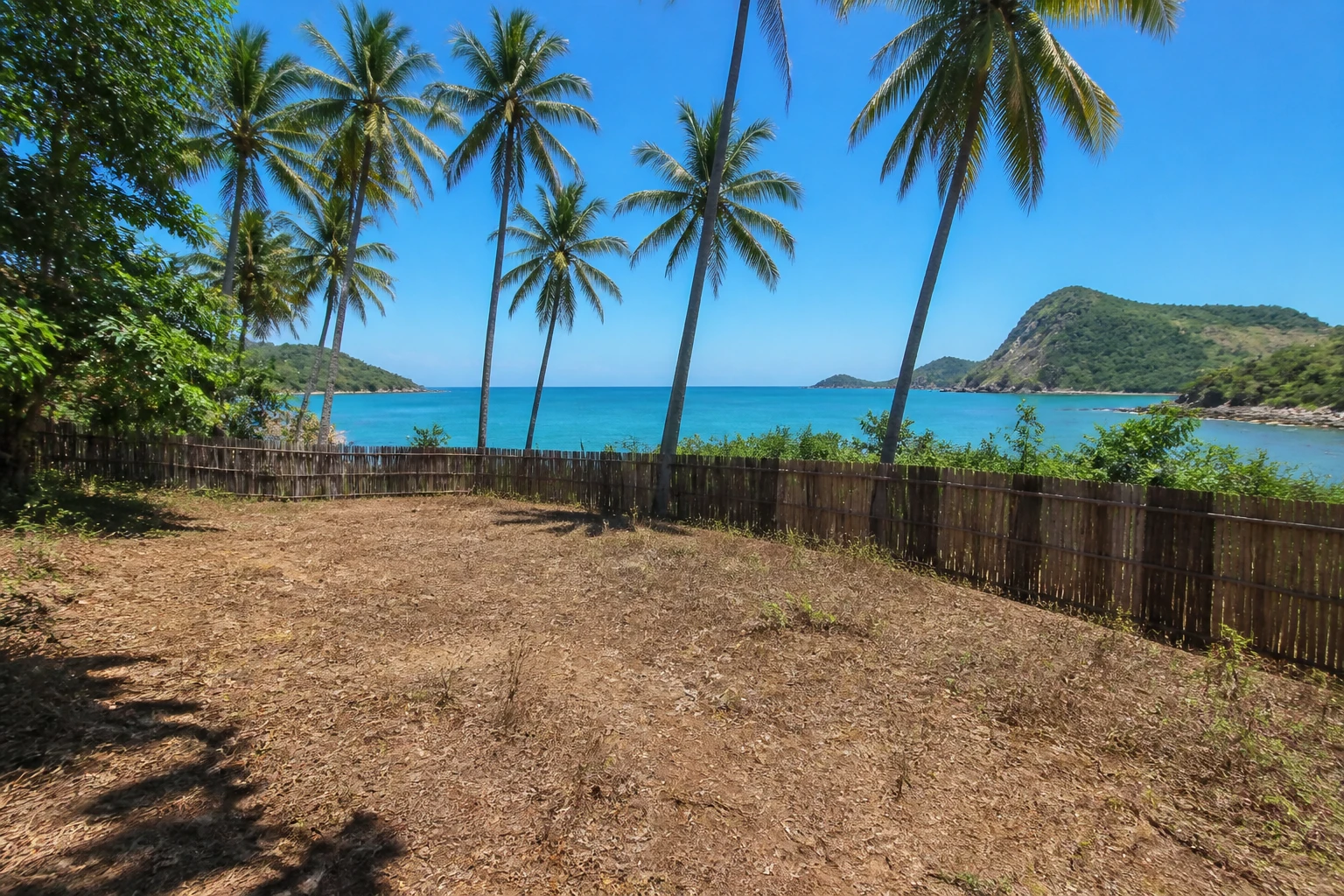
Is South Lombok safe? An honest look at crime and security for owners
South Lombok is broadly safe for foreign visitors, owners, and long-stay renters. Petty theft occurs in tourist hotspots, as it does anywhere in South-East Asia, but violent crime against foreigners is rare. The more material risk for property owners is legal, not physical: poorly documented titles
Quick answer: South Lombok is broadly safe for foreign visitors, owners, and long-stay renters. Petty theft occurs in tourist hotspots, as it does anywhere in South-East Asia, but violent crime against foreigners is rare. The more material risk for property owners is legal, not physical: poorly documented titles and nominee structures carry genuine financial exposure.
The everyday risk picture
For most visitors and short-term renters across Kuta, Selong Belanak, or Are Guling, the security experience is unremarkable. Opportunistic theft, particularly motorbike theft, bag snatching near busy beach access points, and minor scams aimed at new arrivals, are the most commonly reported issues. These are risks familiar to anyone who has spent time in Bali, Phuket, or other South-East Asian resort destinations.
The Sasak community, who make up the majority of Lombok's local population, is generally regarded by long-term expat residents as hospitable and law-abiding. The island's predominantly Muslim culture supports social norms that tend to reduce the petty street crime more common in some neighbouring destinations.
Practical precautions work. Use a small day-bag rather than a backpack on the beach, keep valuables in your villa safe, and avoid leaving bags unattended at beachside warungs. None of this is unusual advice for the region.
Land disputes: the legal risk that matters most
For investors and buyers, the headline risk is not physical crime but title fraud and land disputes. Indonesia's land registry, administered by the national land agency BPN, has historically had gaps in record-keeping for parcels that changed hands informally before title formalisation.
The most common problems encountered by foreign buyers include purchasing from a vendor without a clean, registered certificate (SHM or HGB); relying on a nominee structure where an Indonesian citizen holds freehold title on behalf of the foreign buyer (these arrangements are explicitly illegal under Indonesian law and unenforceable in court); and missing encumbrances or mortgages not visible in the seller's documents.
The correct route is a transparent legal structure: leasehold (Hak Sewa), Hak Pakai if you hold a residency permit, or a properly incorporated PT PMA company holding HGB title. Every deed must be executed by a licensed PPAT notary. Transfer duty (BPHTB) runs around 5% of assessed value.
A thorough title search, ownership history check, and zoning verification should be completed before any deposit is paid. The due diligence guide covers the full checklist, including what to ask for at the land office and how to verify a vendor's standing.
HubLombok is the editorial arm of Samudra Villas, an active developer in Are Guling. Locally, deals that go wrong almost always involve shortcuts on title verification, not physical security incidents.
Serious crime and political stability
Lombok has no significant organised crime presence targeting foreign residents. Indonesia is a stable parliamentary democracy, and Lombok sits within West Nusa Tenggara province, seeing none of the separatist or civil tensions found in some other parts of the Indonesian archipelago. Protests occur, as in any functioning democracy, but are generally peaceful and localised to administrative centres rather than tourist zones.
The 2018 earthquake and its aftershocks were a humanitarian crisis, not a security one, and the island's recovery, accelerated by investment in the Mandalika SEZ and the MotoGP circuit, has been orderly.
The Foreign, Commonwealth and Development Office (FCDO) and Australia's Department of Foreign Affairs and Trade (DFAT) both list Lombok at standard precaution level, the same rating applied to Bali and the Gili Islands.
Villa security measures that make a practical difference
Purpose-built investment villas in South Lombok increasingly include security features as standard:
- Perimeter walls or fencing with a staffed or keypad-controlled gate.
- CCTV covering entry points and the pool terrace.
- A villa manager or housekeeper present during the day, living on-site or nearby.
- Digital or key-box lock systems that generate unique codes per rental guest, eliminating lost-key risk.
- Partnership with a local management company that handles guest vetting and holds emergency contacts.
Management fees run 18-22% of gross rental revenue and typically include basic security monitoring as part of the service. Infrastructure in the main resort zones, including power reliability, water supply, and internet connectivity, has improved considerably in recent years, which also supports remote monitoring and villa management systems. Our guide to utilities and connectivity covers what to expect in each zone.
For owners planning extended stays rather than occasional visits, the guide to relocating to Lombok covers neighbourhood selection, transport, and how to build the local relationships that provide informal security awareness over time.
A balanced picture
South Lombok is not crime-free. Petty theft is an occasional reality in busy tourist areas, and title fraud is a systemic risk across Indonesian real estate, not a Lombok-specific problem. Both are manageable with sensible precautions and the right legal structure.
What Lombok does not have is a pattern of violence against foreign residents, organised scams at the scale of more saturated destinations, or political instability that should give a buyer pause.
For investors, the practical conclusion is direct: spend your due-diligence budget on legal verification first, villa security second, and you will have addressed the actual risk profile of this market. A clean title and a transparent ownership structure eliminate the risks that matter most. Physical security is a secondary, and largely standard, consideration.
Is South Lombok safe for first-time foreign buyers?
Broadly yes for physical safety, but legal due diligence is essential. The main risk for buyers is title fraud and nominee arrangements, not violent crime. Use a licensed PPAT notary, verify the land certificate directly at the BPN land office, and avoid nominee structures entirely, as they are unenforceable under Indonesian law.
Are land title disputes common in Lombok?
Title disputes exist across Indonesian real estate as a systemic issue, not a Lombok-specific one. They typically arise from informal prior transfers, missing encumbrances, or nominee arrangements that fall apart. A thorough pre-purchase due diligence process, including a title search and ownership history review, reduces this risk substantially.
Do I need a security guard at my Lombok villa?
Not necessarily. Most well-managed investment villas rely on perimeter security, CCTV, a resident housekeeper or villa manager, and digital lock systems rather than a dedicated guard. A professional management company provides an additional layer of oversight as part of its standard 18-22% management fee.
The Lombok Buyer's Field Guide
Legal structures ranked by risk, the honest ROI math line by line, all six zones ranked, and the 24-point due-diligence checklist. The whole book, free in your inbox.
See what's inside